Synonyms: acrylic medium, acrylic gel medium, gloss gel medium, matte gel medium, polymer medium, glazing medium, self-levelling gel, modelling paste, modelling gel, texture gel, nepheline gel, fibre paste, acrylic gesso, acrylic ground, acrylic varnish, retarder medium

Tri-Art Acrylic Mediums | Gels, Texture, Gesso and Varnish

Control consistency, texture, surface prep, and final sheen in acrylics

Adjust body, flow, and transparency for glazes, detail, and smooth layers

Build texture from subtle tooth to heavy impasto and granular effects

Prep and finish with reliable grounds plus brush-mark-minimizing varnishes

Quick Points on Tri-Art Acrylic Mediums | Gels, Texture, Gesso and Varnish

  • Test new medium and colour combinations on a small sample first, especially for thick applications
  • For clean glazes, let each layer dry fully, then build gradually
  • Apply grounds in thin, even coats, letting them dry between layers
  • For collage and mixed media, gel medium can act as an adhesive layer, then a sealing coat
  • If you want a quick overview, read the Tri-Art explainer on acrylic mediums

To start shopping, browse the full range of Tri-Art Acrylic Mediums and narrow down by the effect you want.

Tri-Art Acrylic Mediums give painters practical control over how acrylic behaves, without relying on generic “just add water” advice. Explore gels, polymers, grounds, texture mediums, varnishes, and additives to dial in handling and finish.

Filters

Filters

$
to
$
50 products
Sort by
Sort by
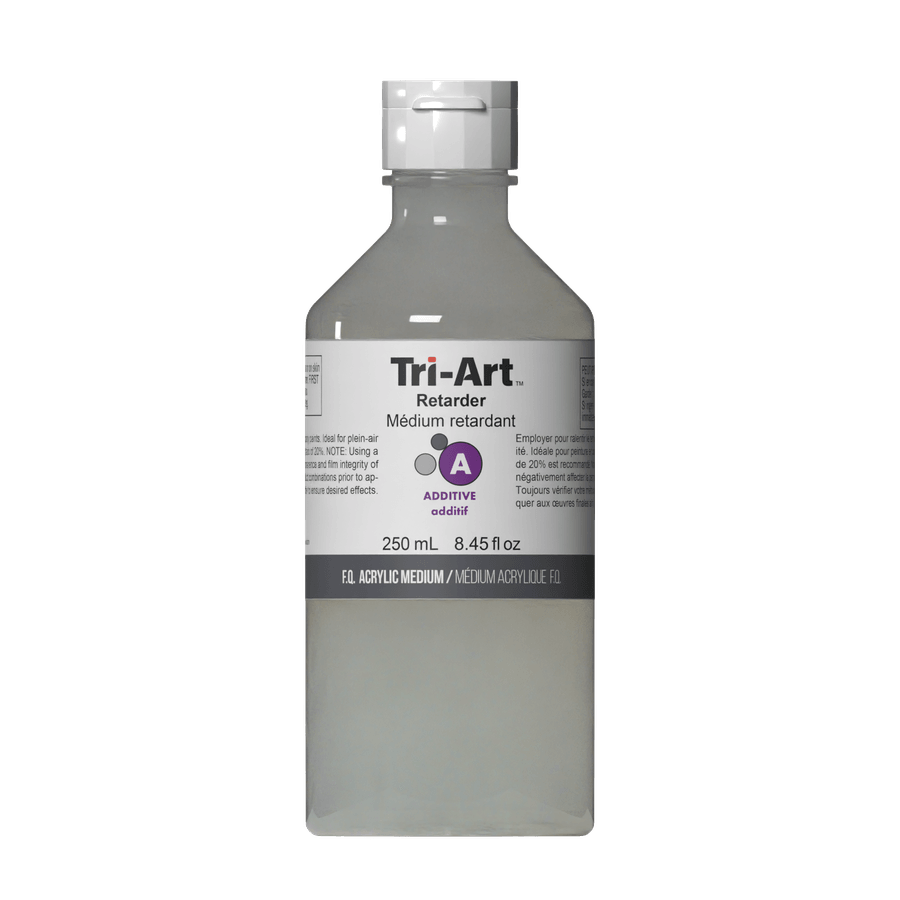
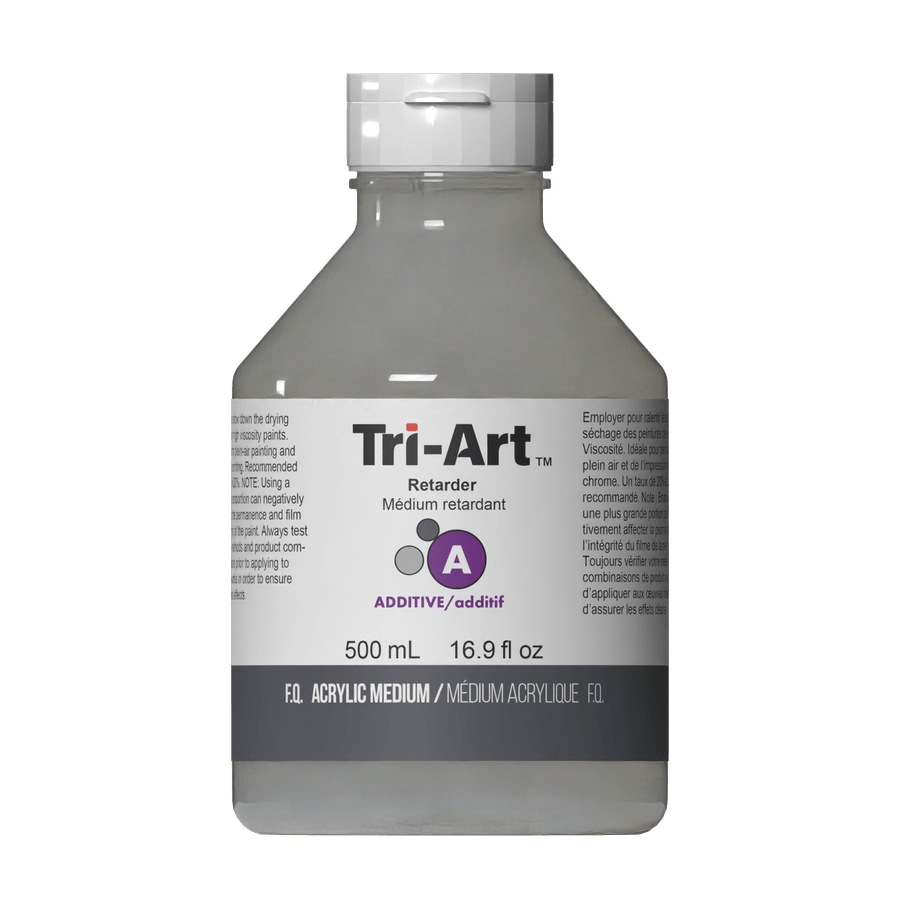
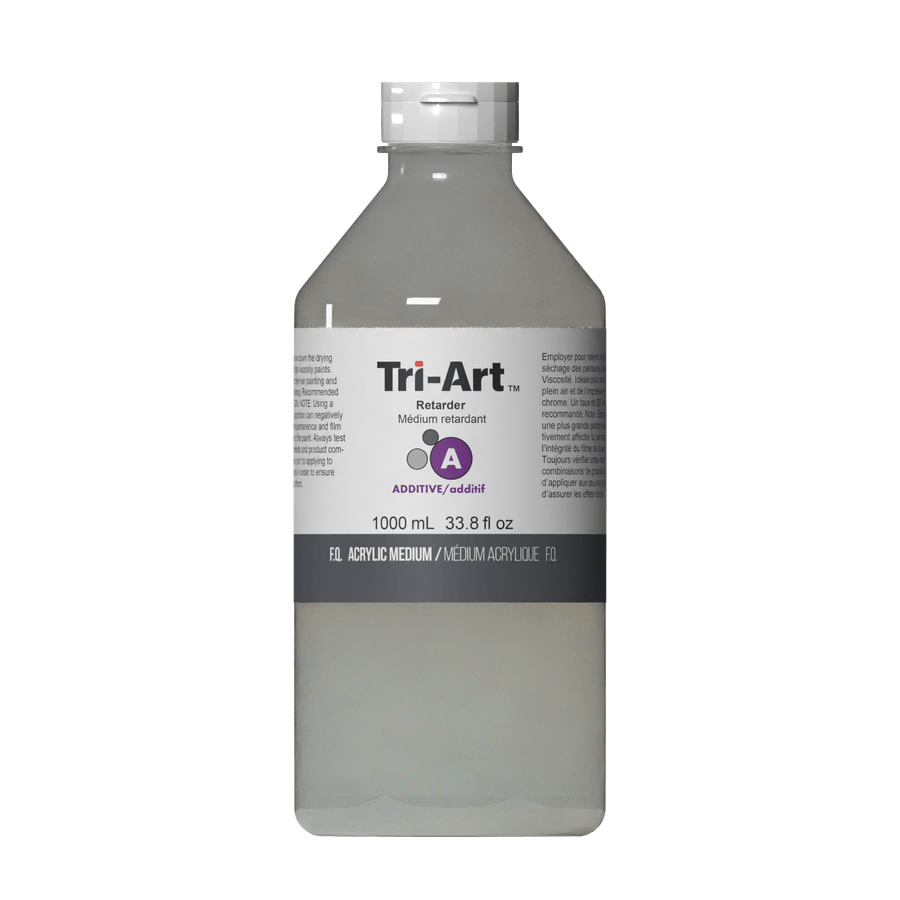
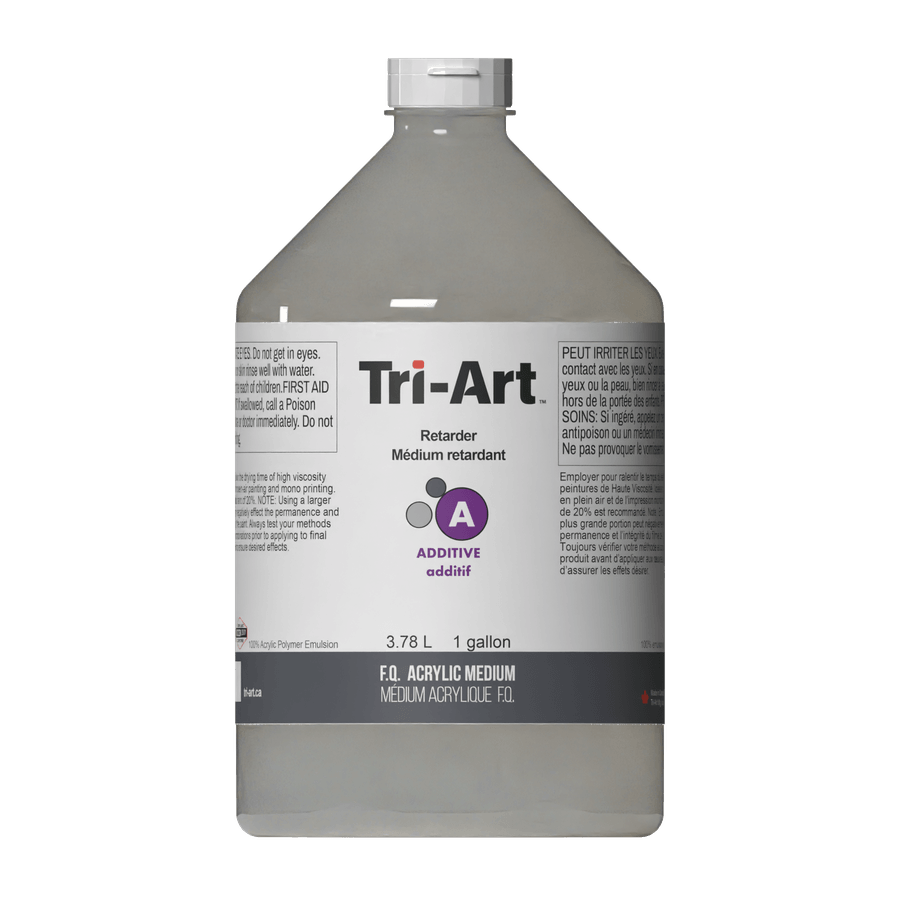
Tri-Art Mediums - Retarder Medium - Tri-Art Mfg.Tri-Art Mediums - Retarder Medium - Tri-Art Mfg.
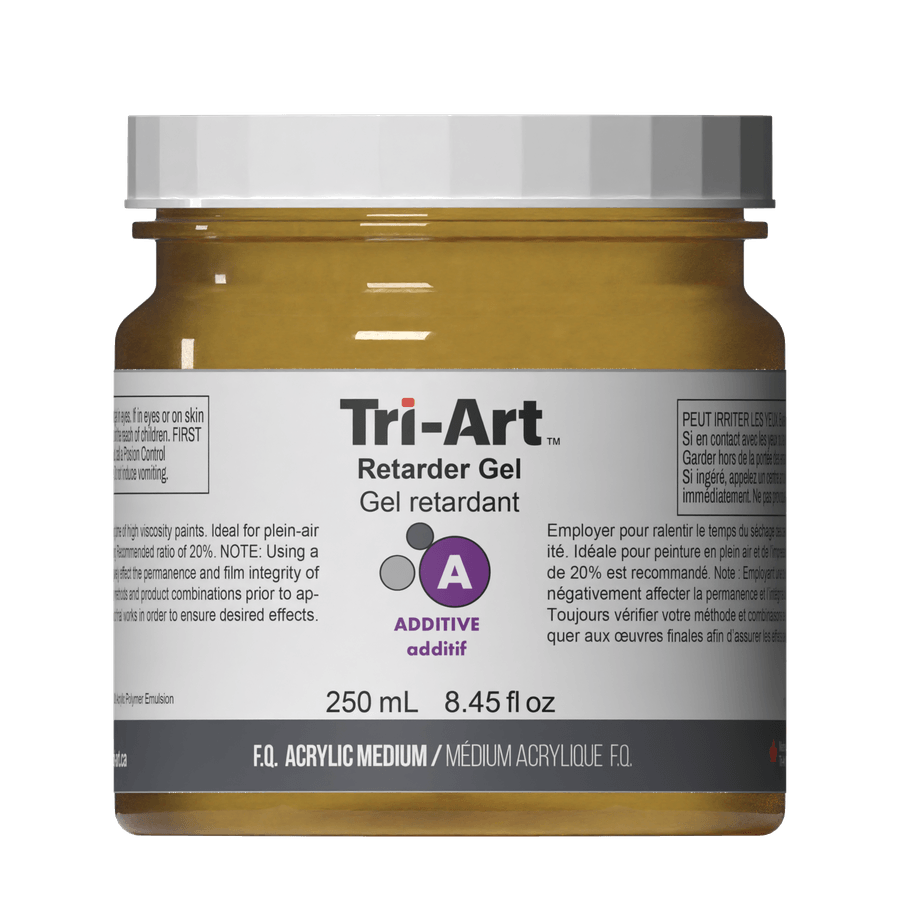
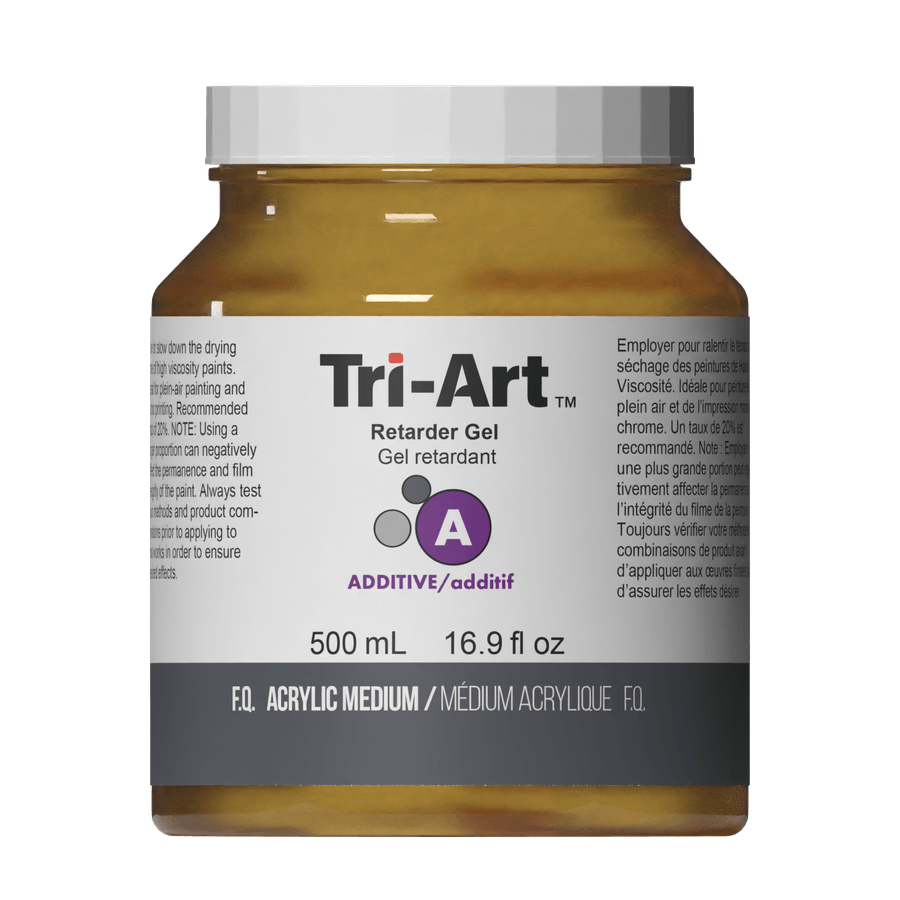
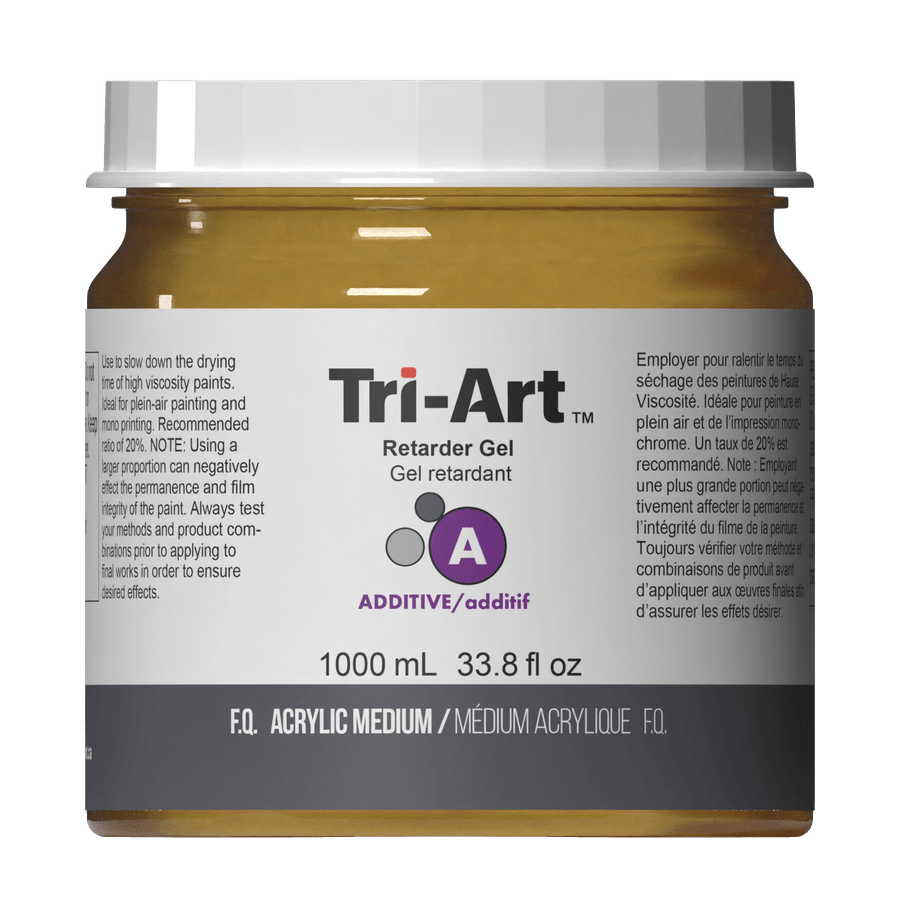
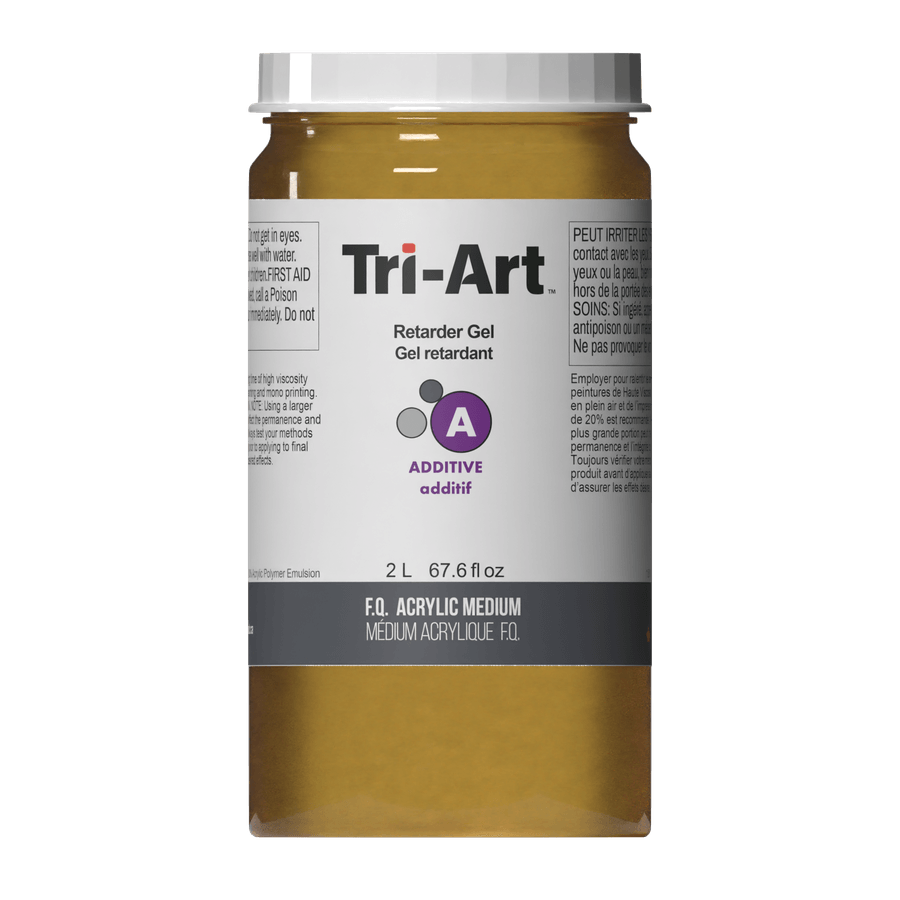
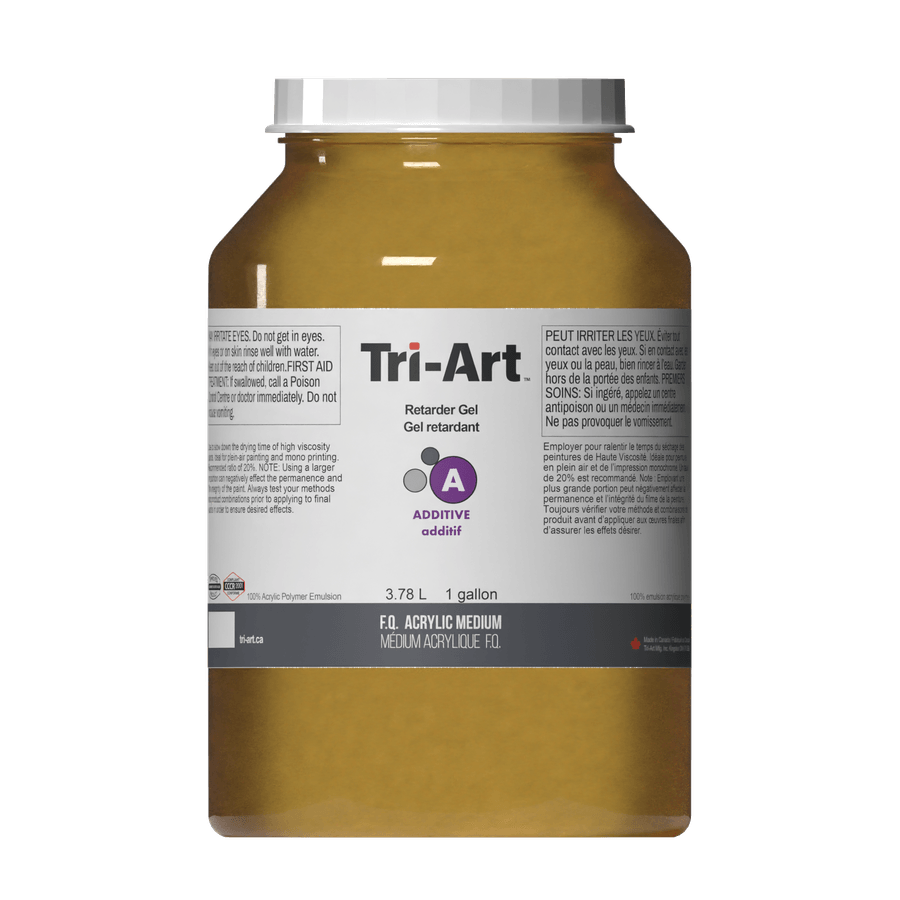
Tri-Art Mediums - Retarder Gel - Tri-Art Mfg.Tri-Art Mediums - Retarder Gel - Tri-Art Mfg.
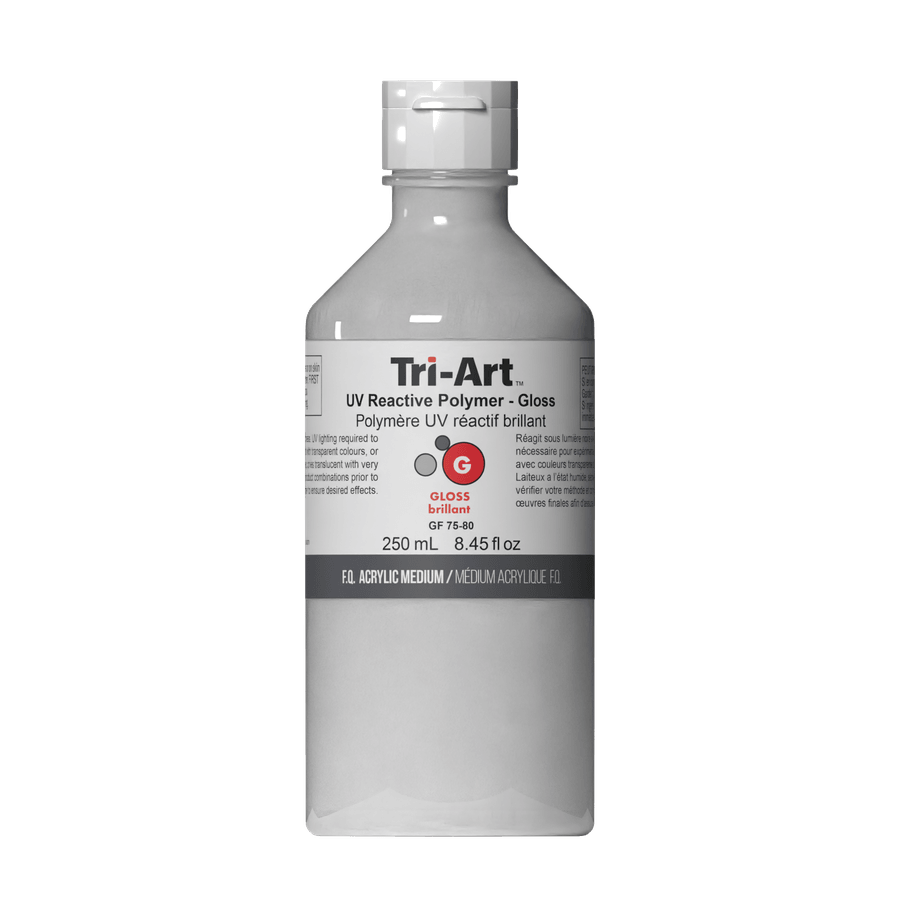
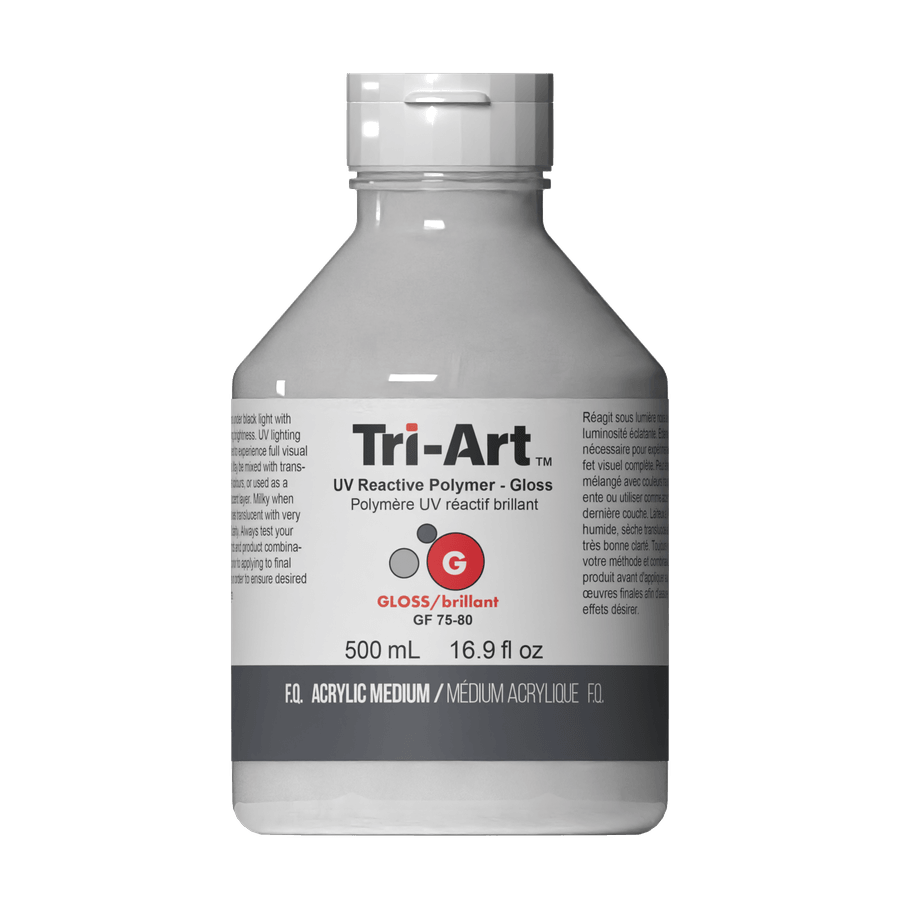
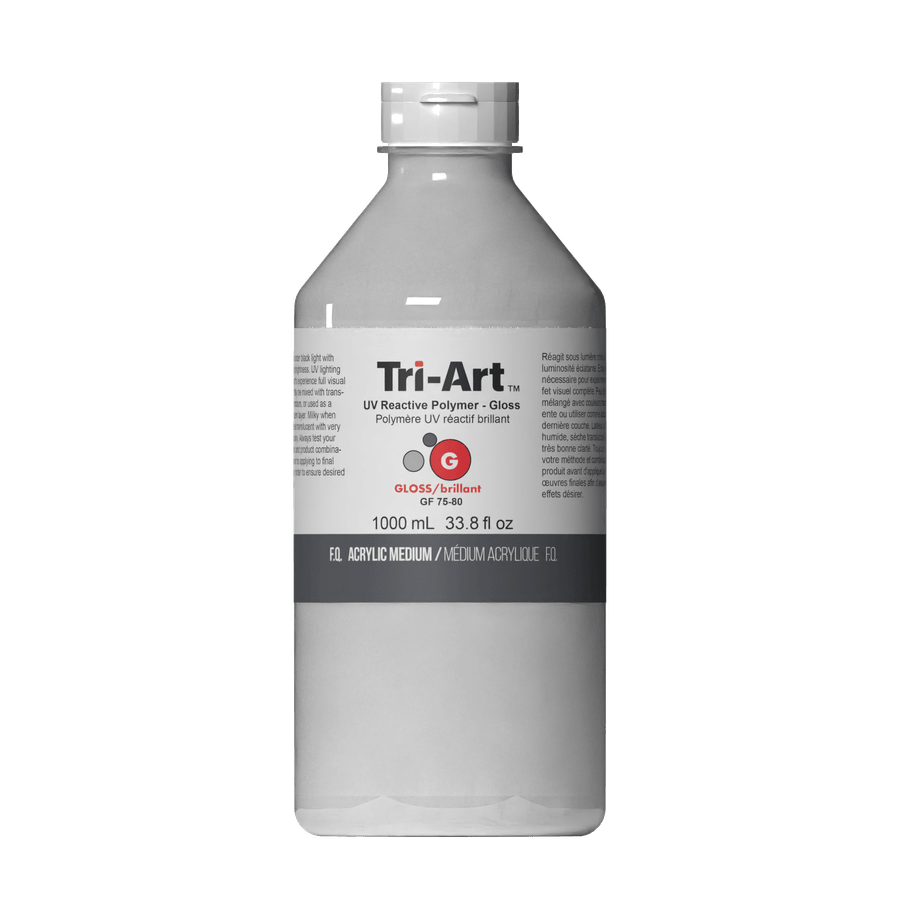
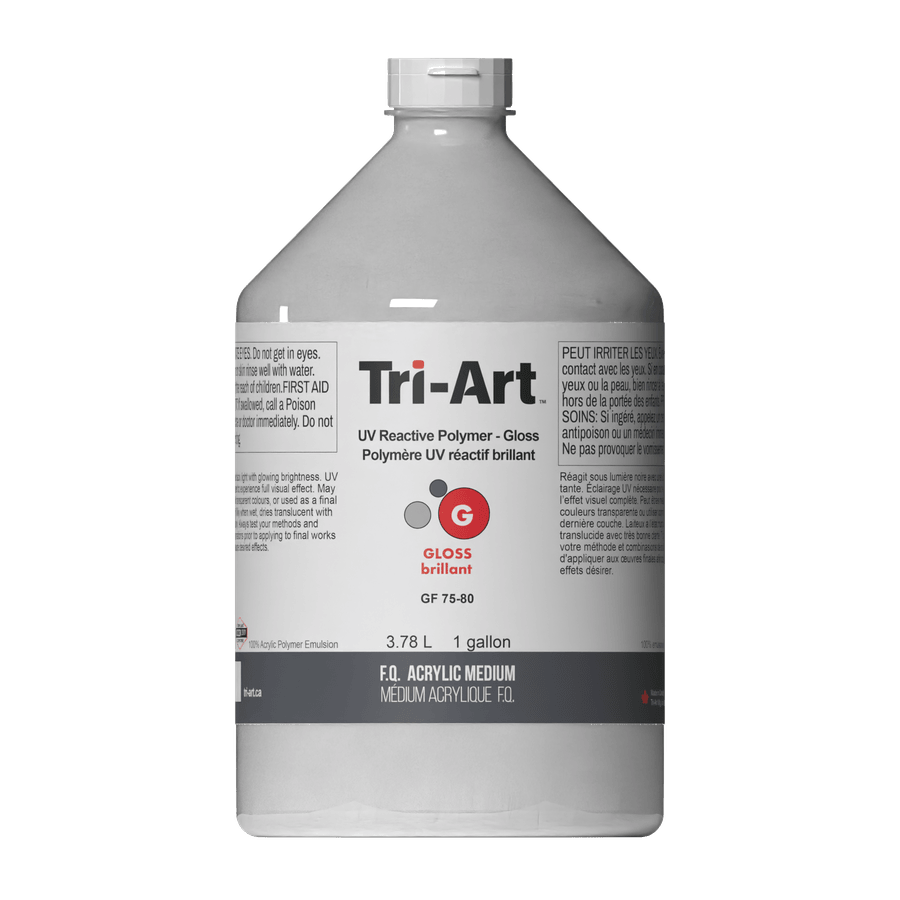
Tri-Art Mediums - UV Reactive Polymer Gloss - Tri-Art Mfg.Tri-Art Mediums - UV Reactive Polymer Gloss - Tri-Art Mfg.
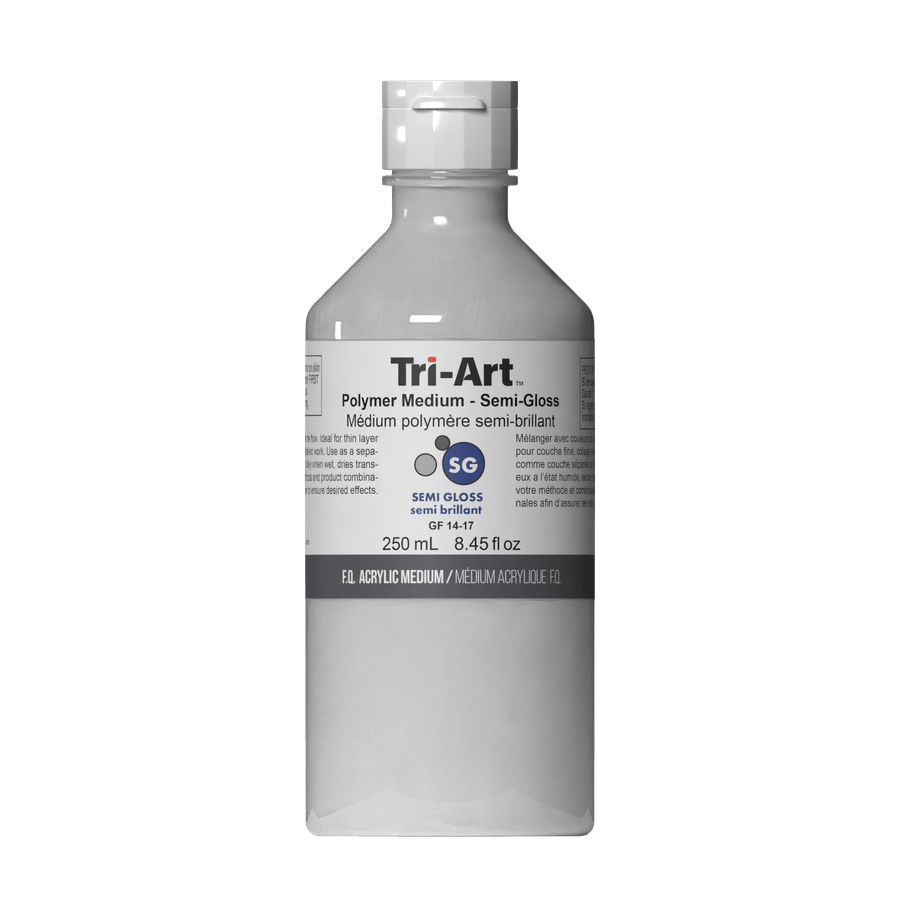
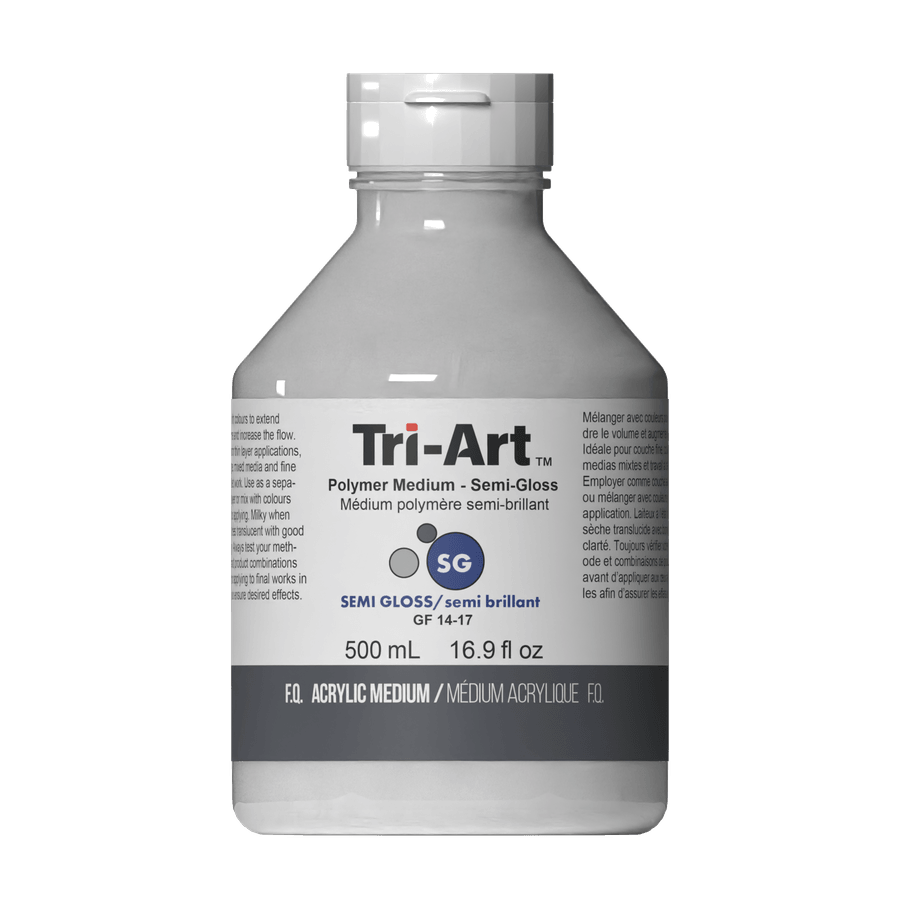
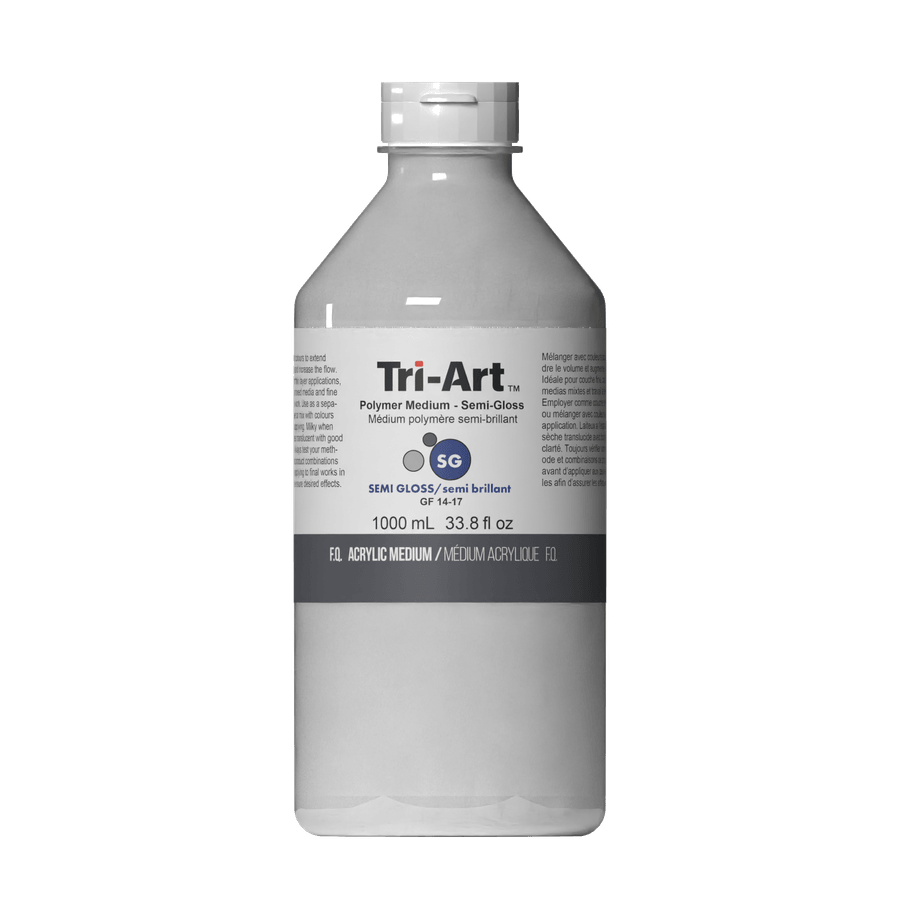
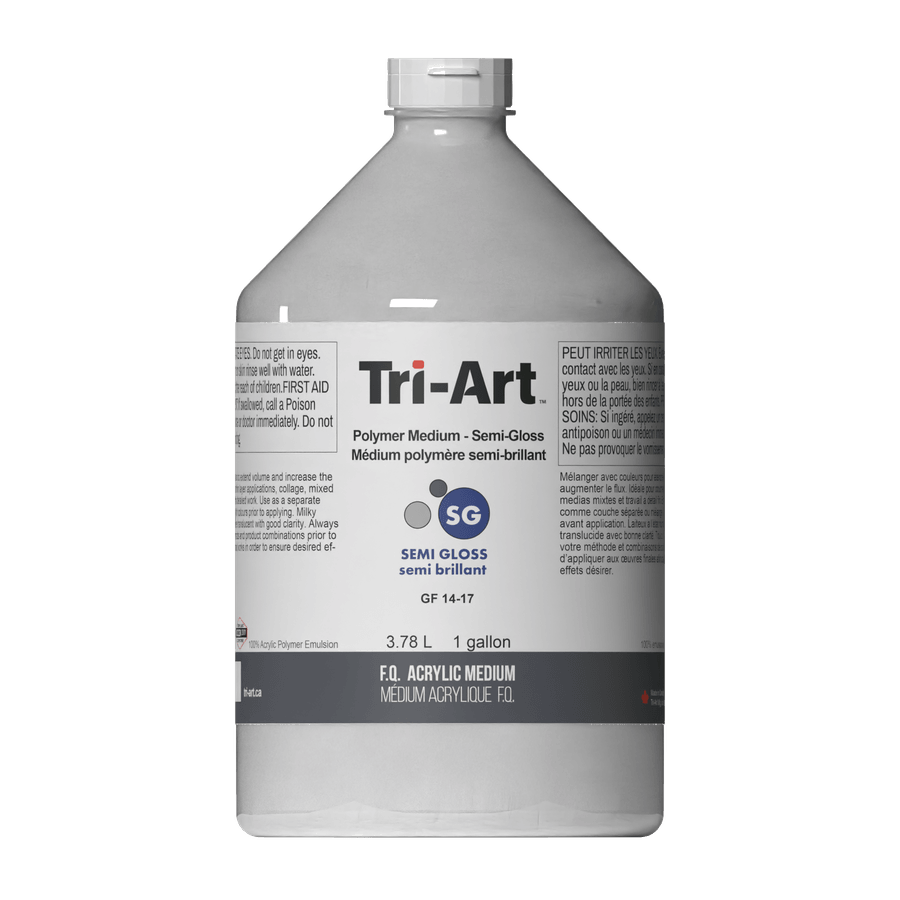
Tri-Art Mediums - Polymer Medium Semi Gloss - Tri-Art Mfg.Tri-Art Mediums - Polymer Medium Semi Gloss - Tri-Art Mfg.
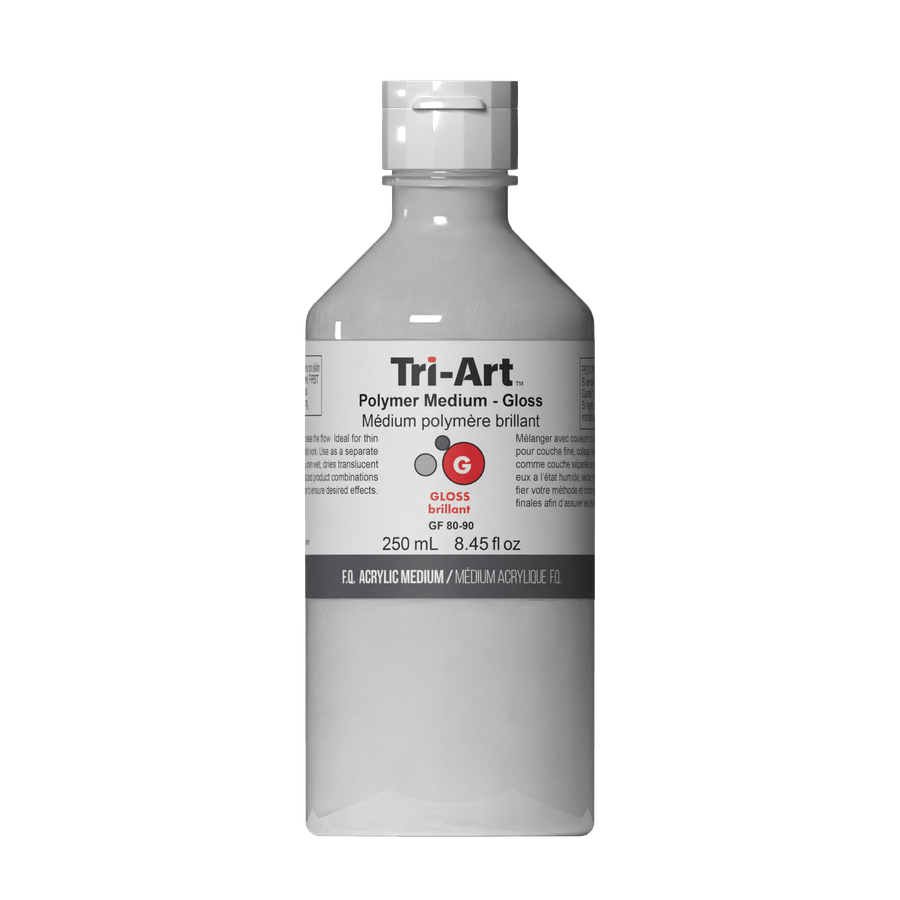
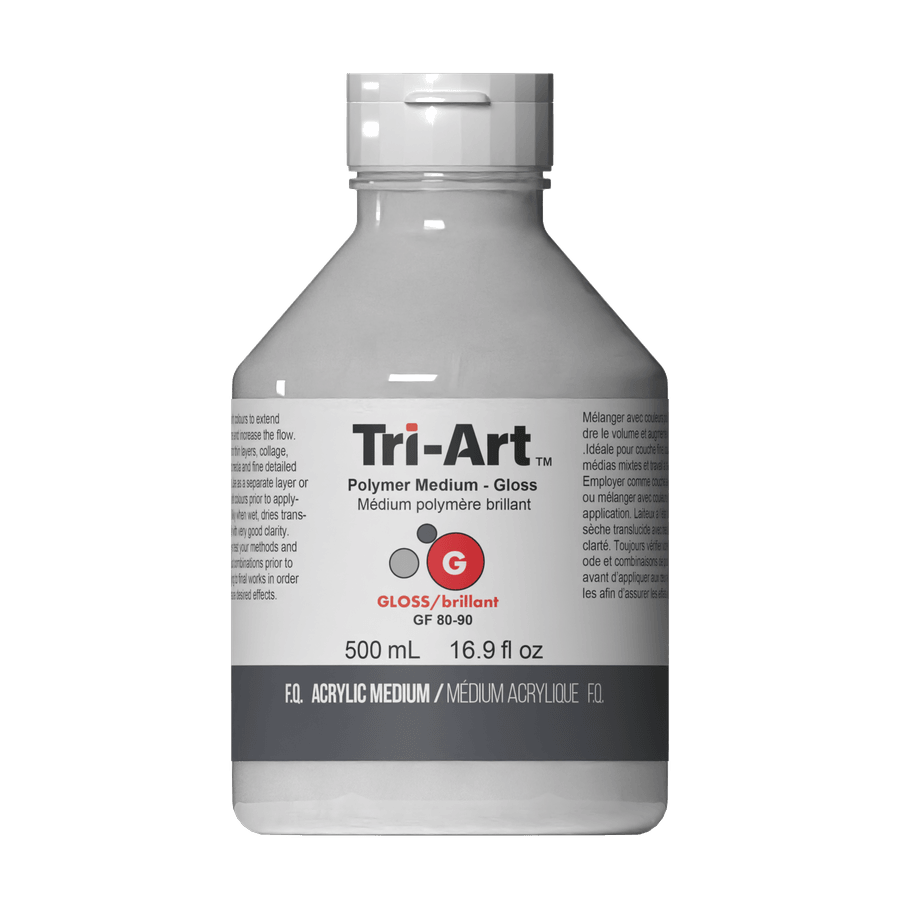
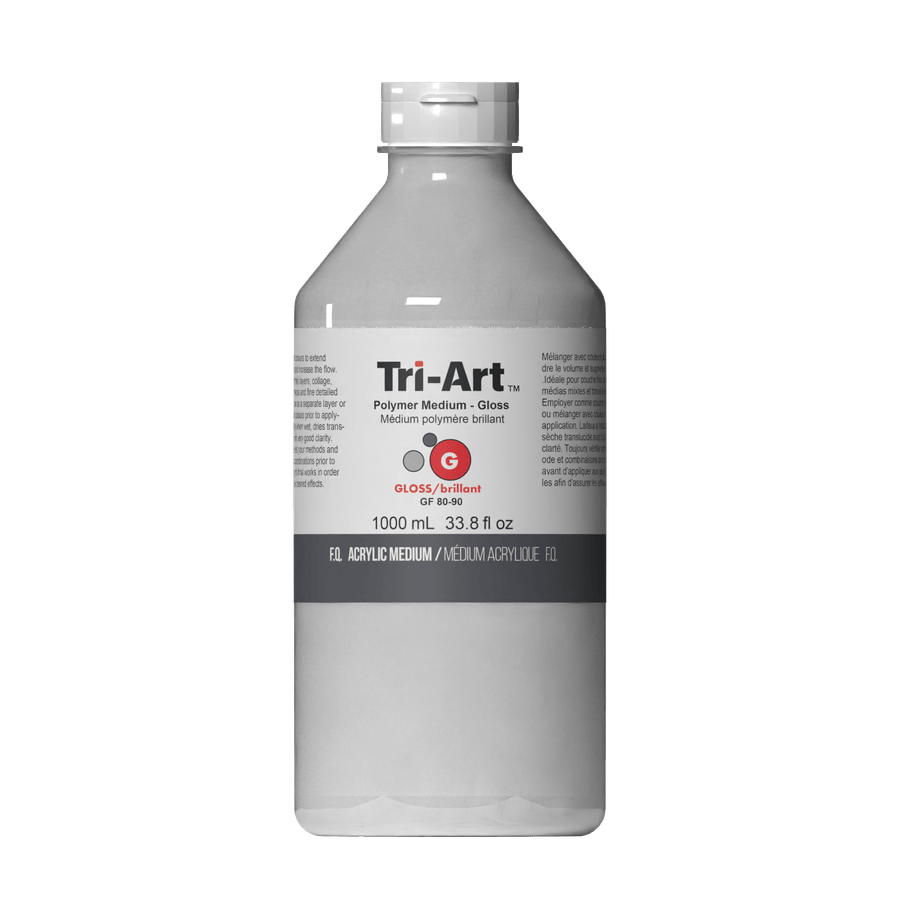
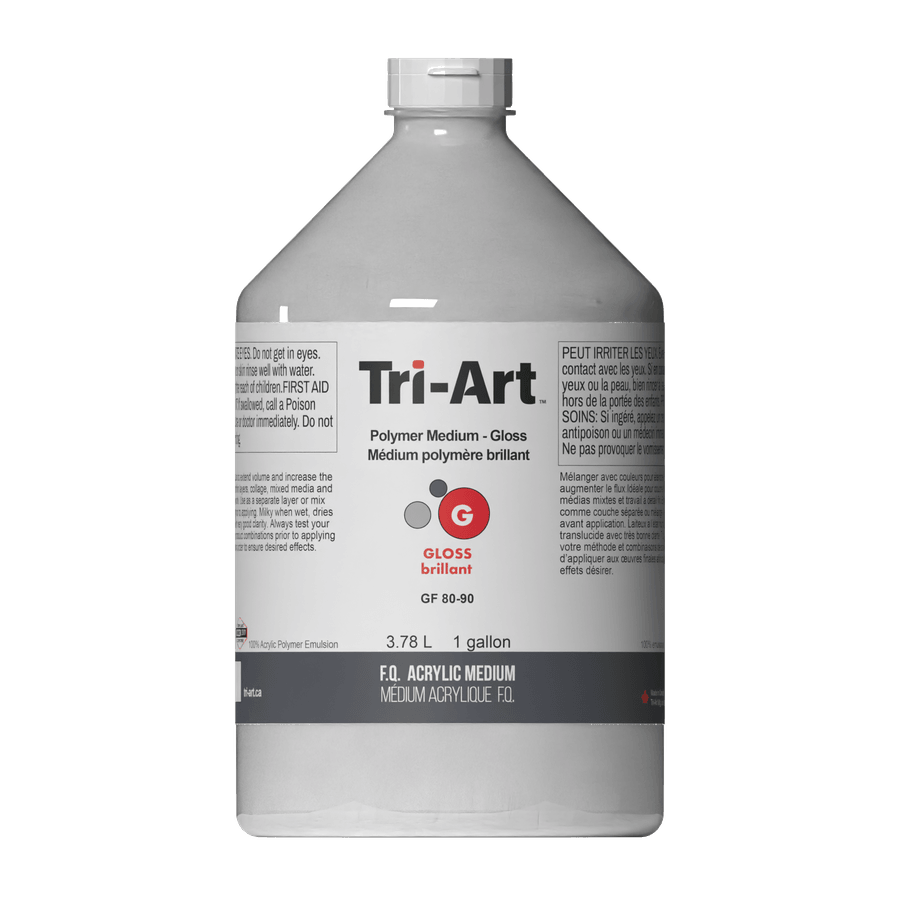
Tri-Art Mediums - Polymer Medium Gloss - Tri-Art Mfg.Tri-Art Mediums - Polymer Medium Gloss - Tri-Art Mfg.
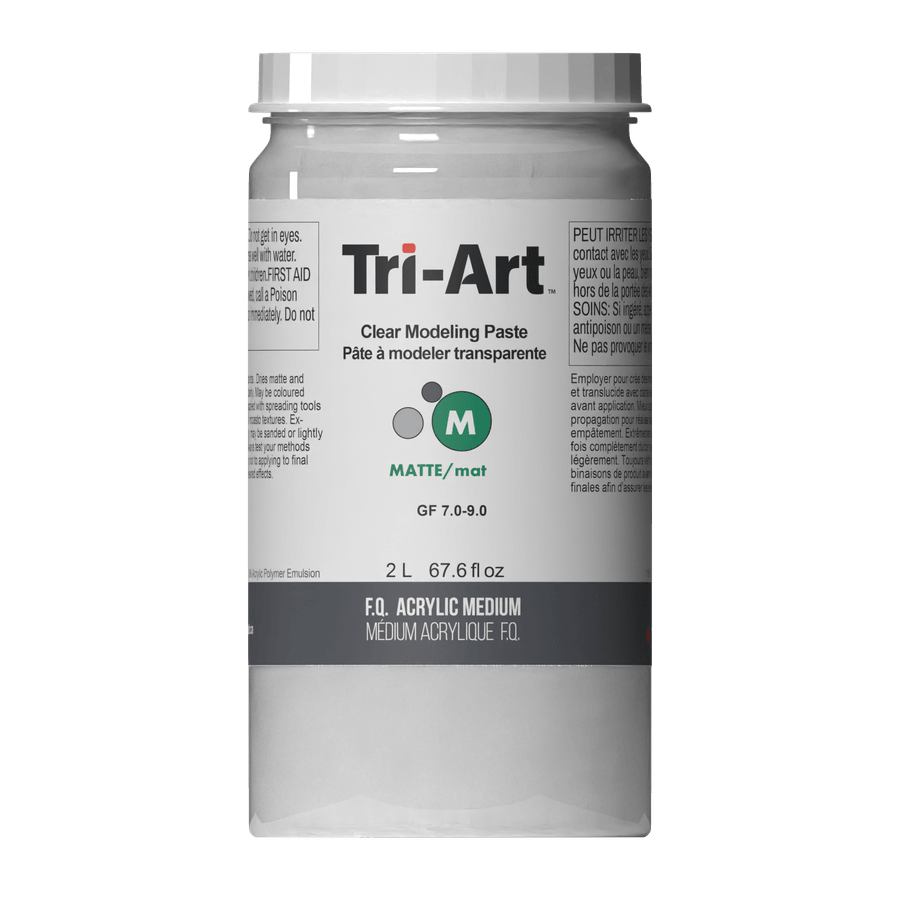
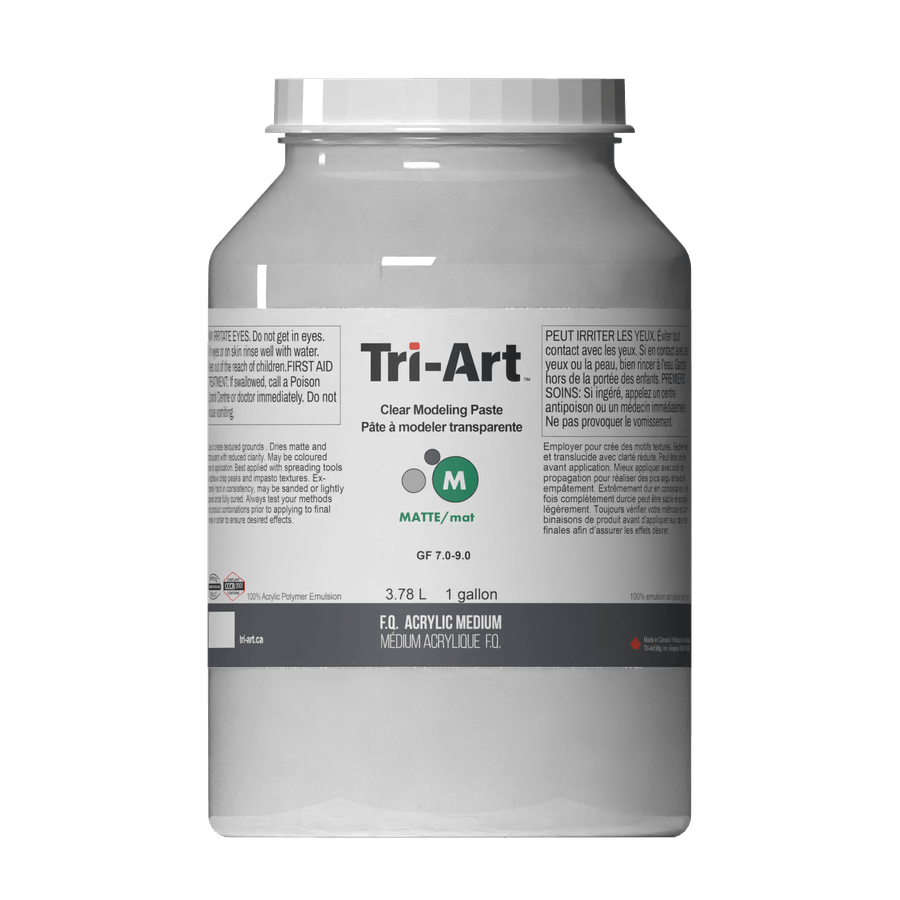
Tri-Art Mediums - Modeling Paste Clear - Tri-Art Mfg.Tri-Art Mediums - Modeling Paste Clear - Tri-Art Mfg.
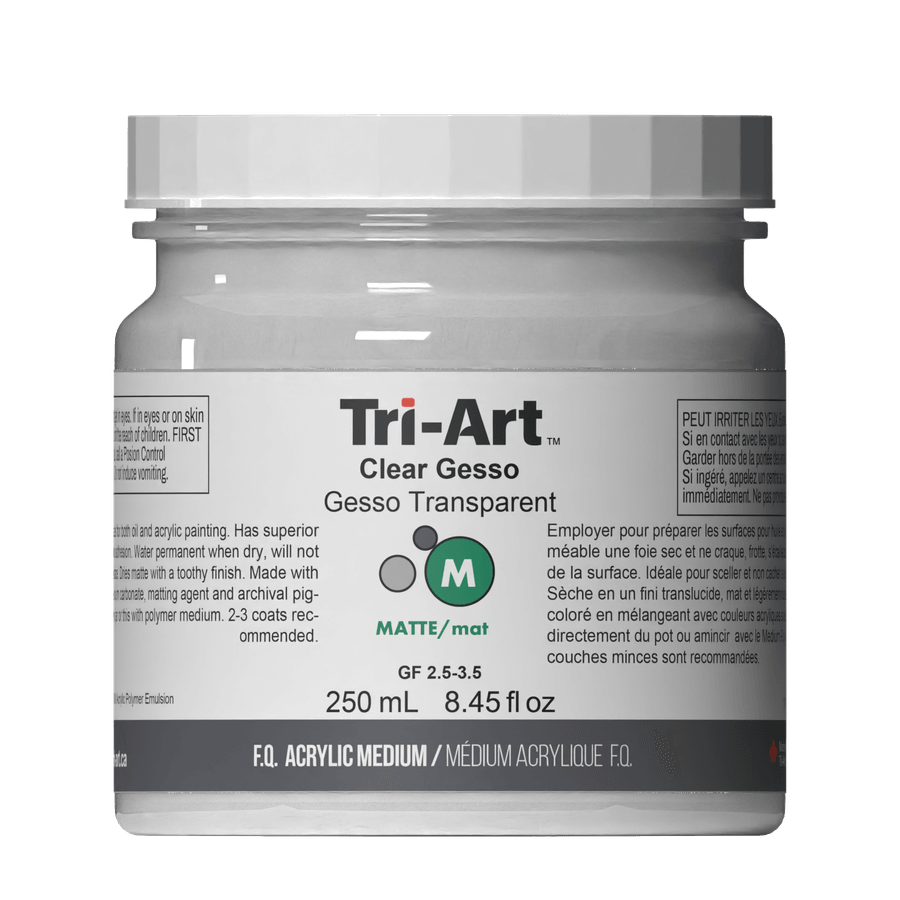
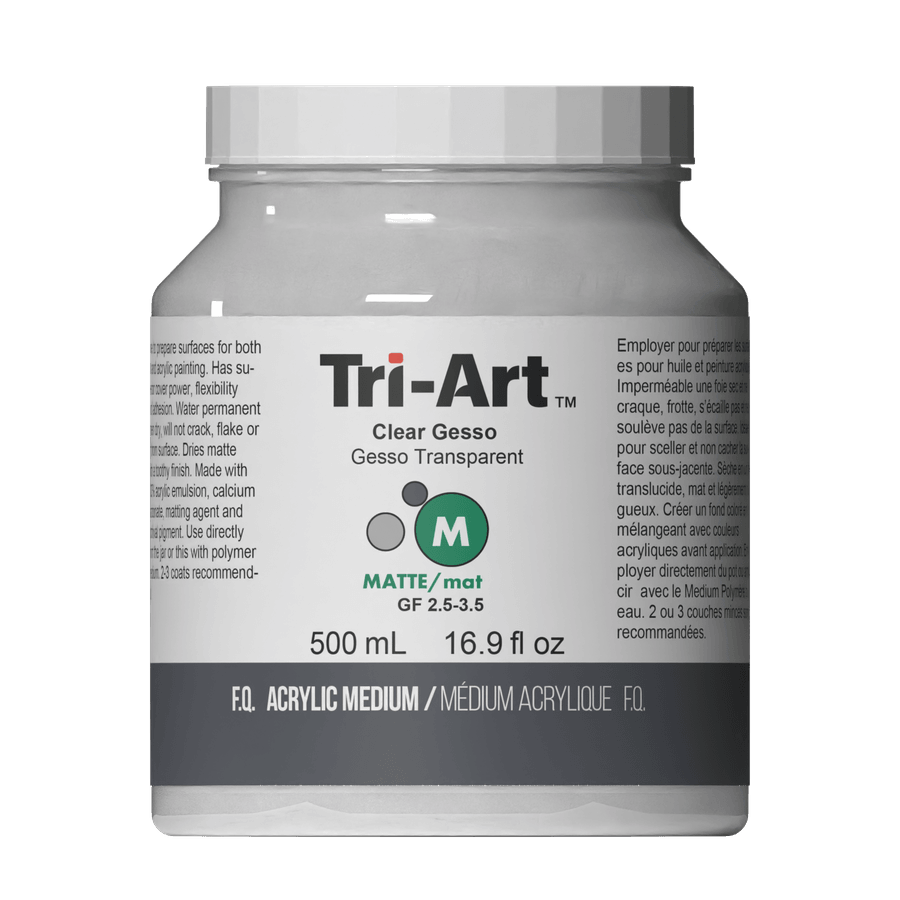
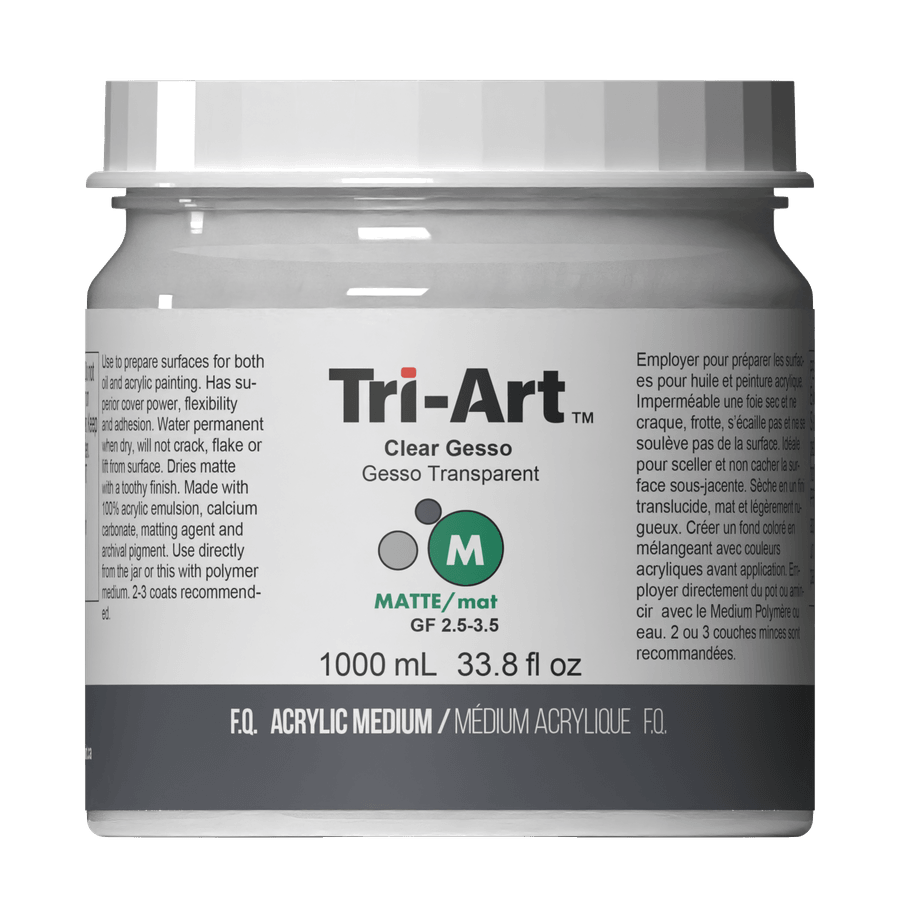
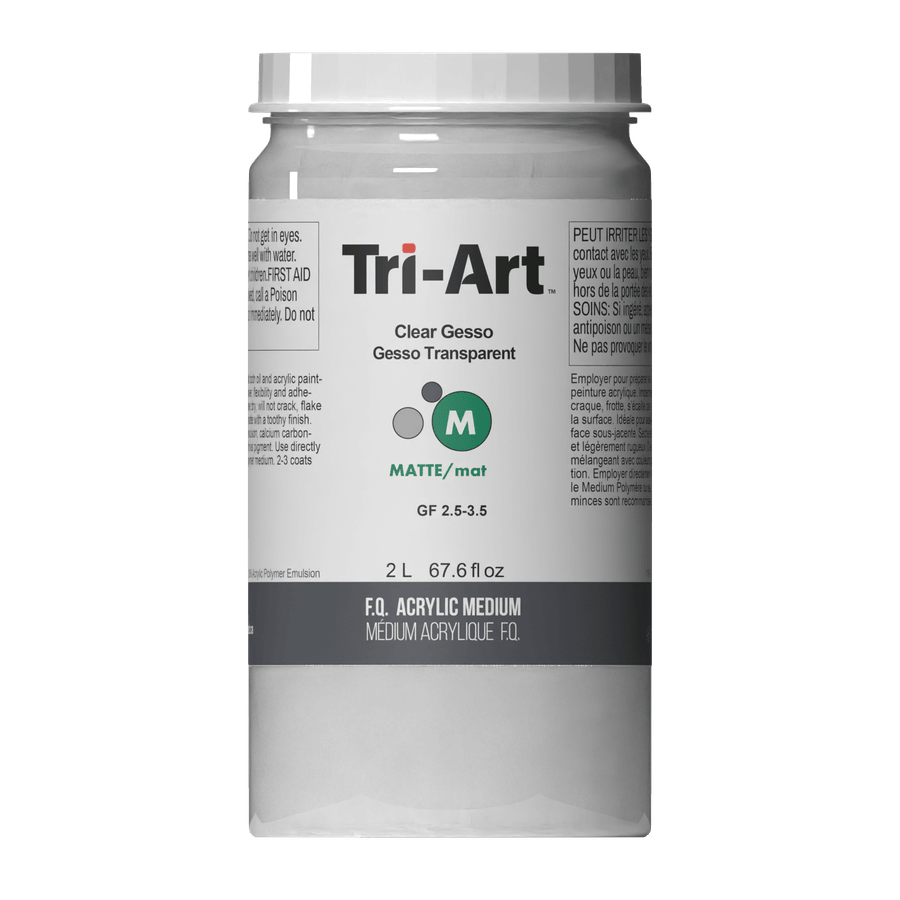
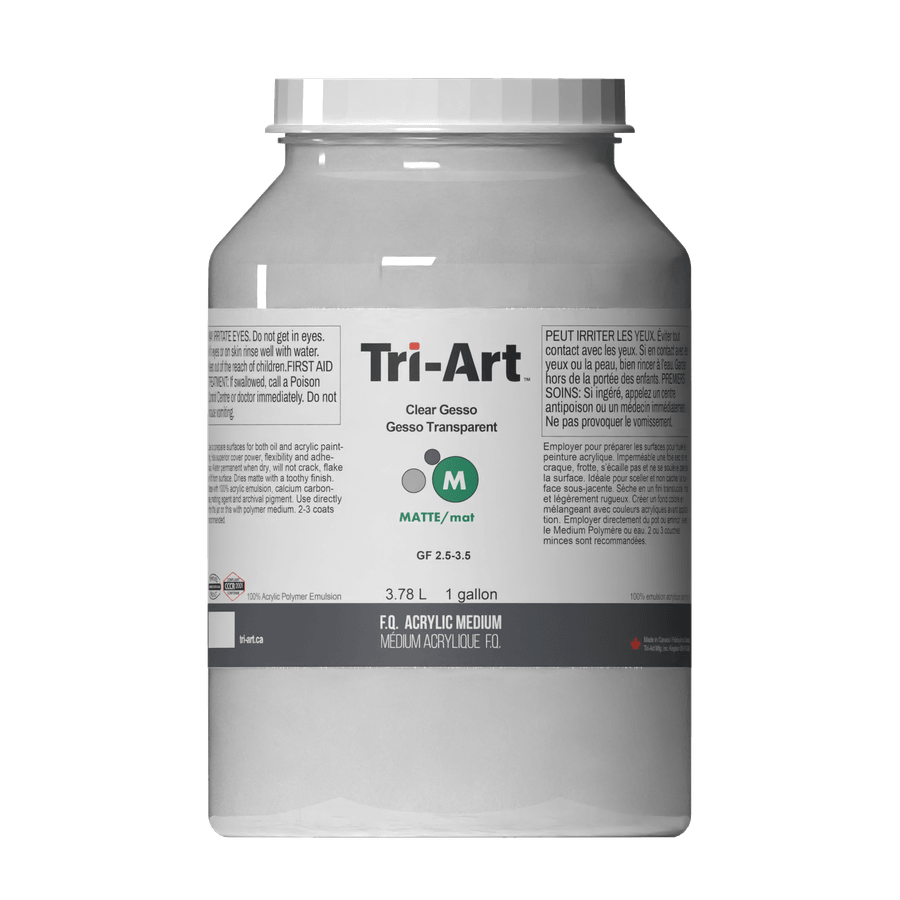
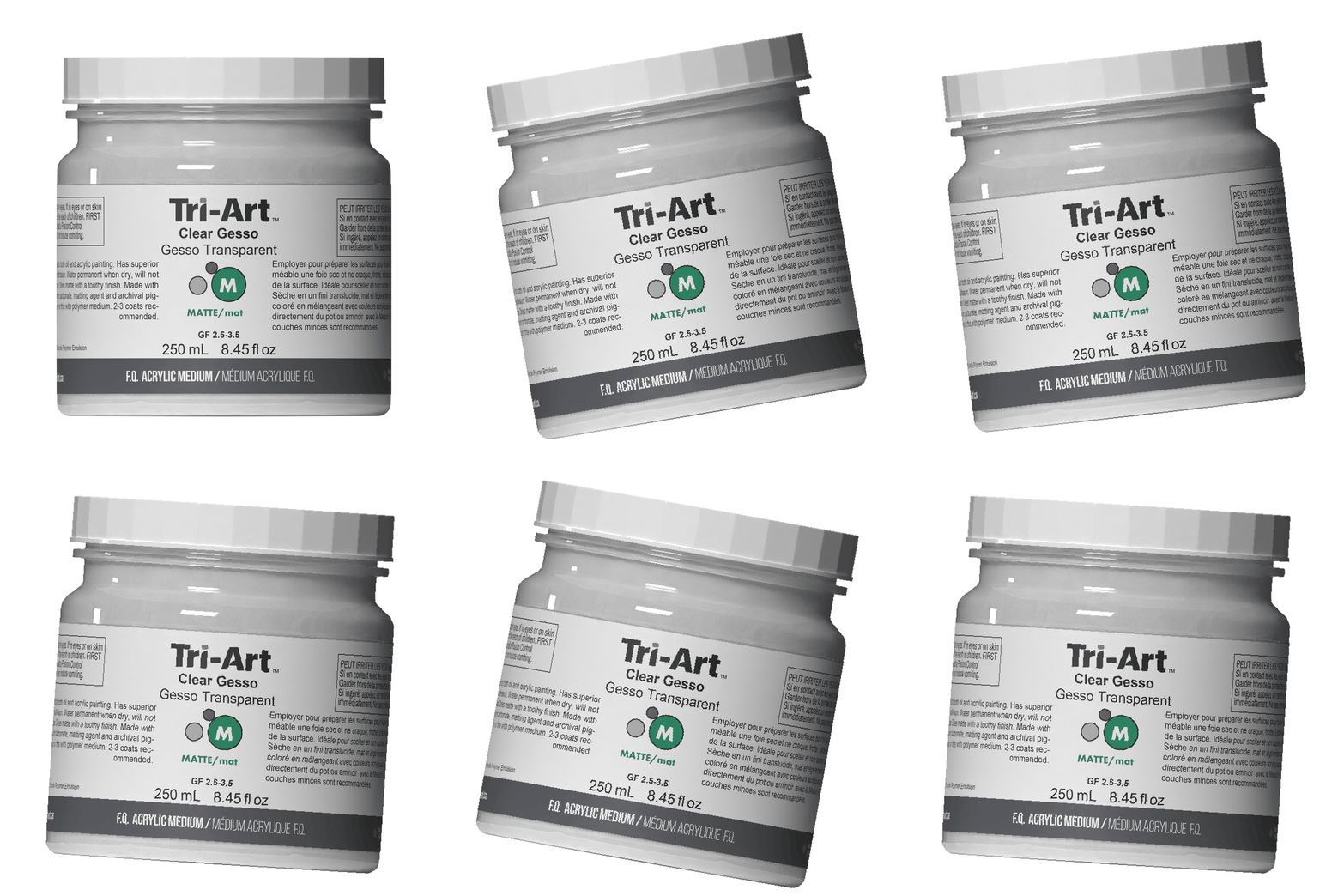
Tri-Art Mediums - Clear Gesso - Tri-Art Mfg.Tri-Art Mediums - Clear Gesso - Tri-Art Mfg.
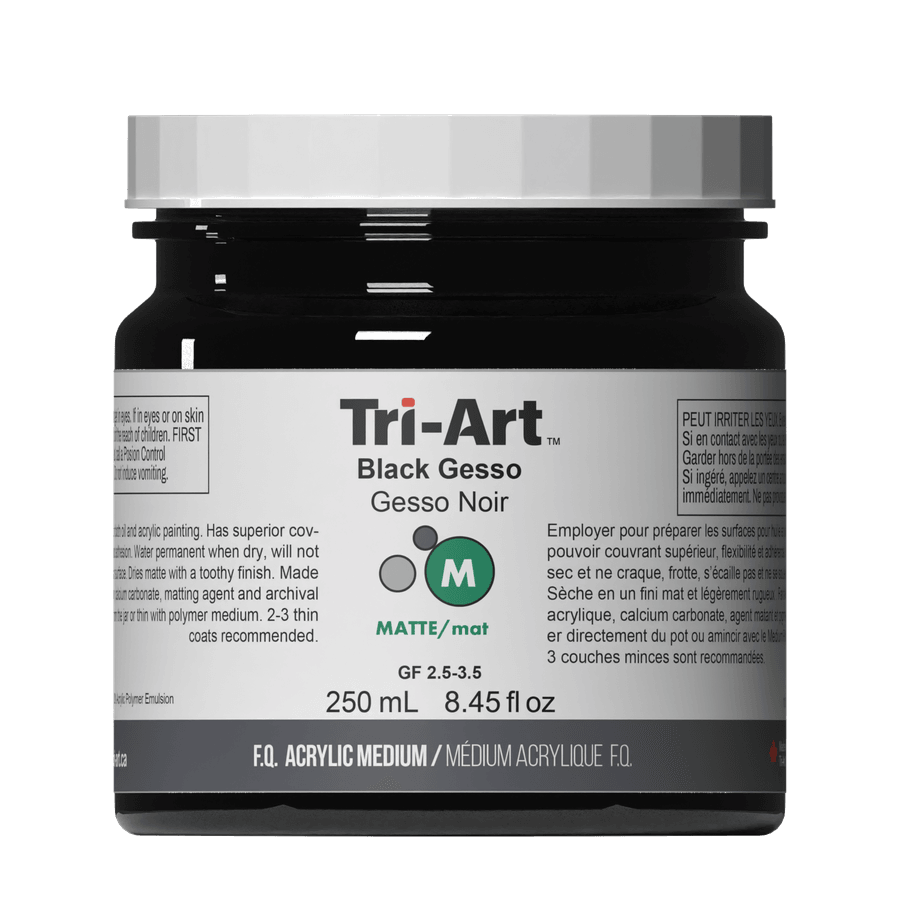
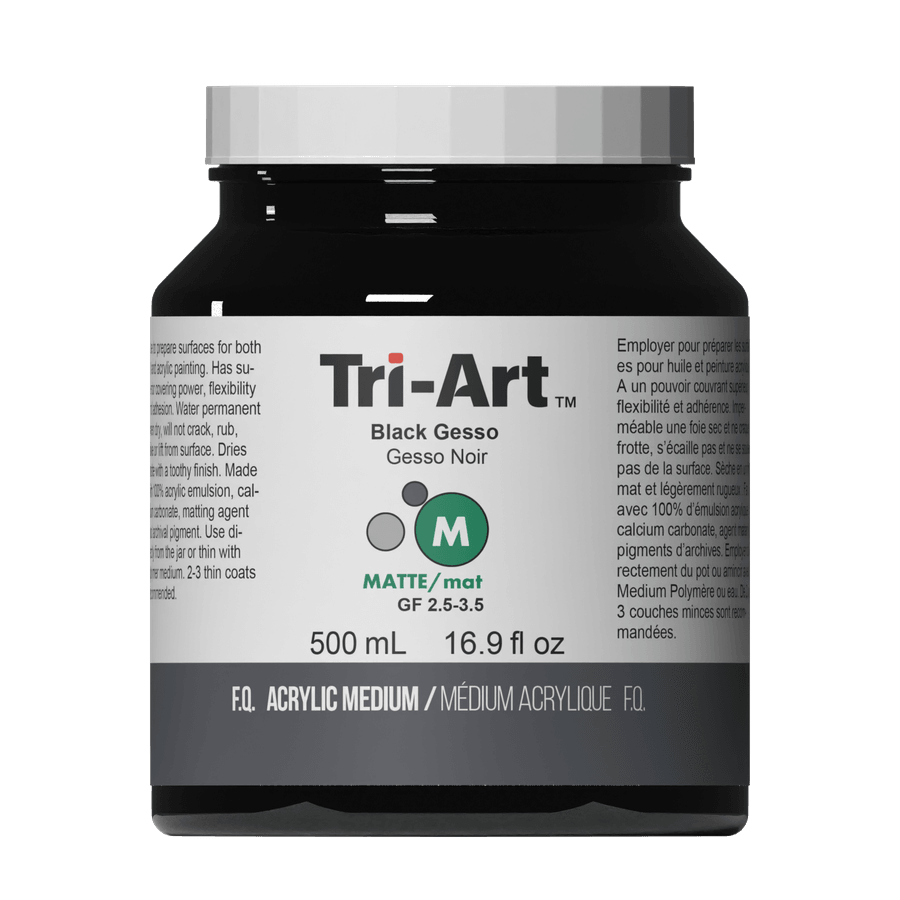
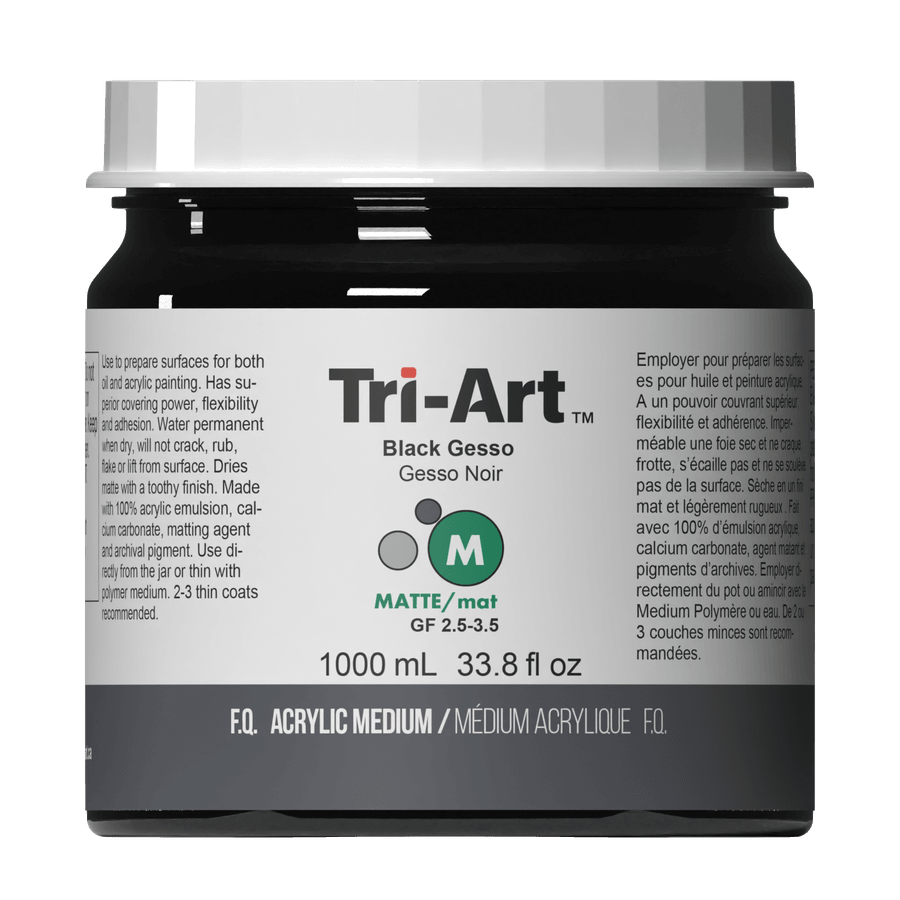
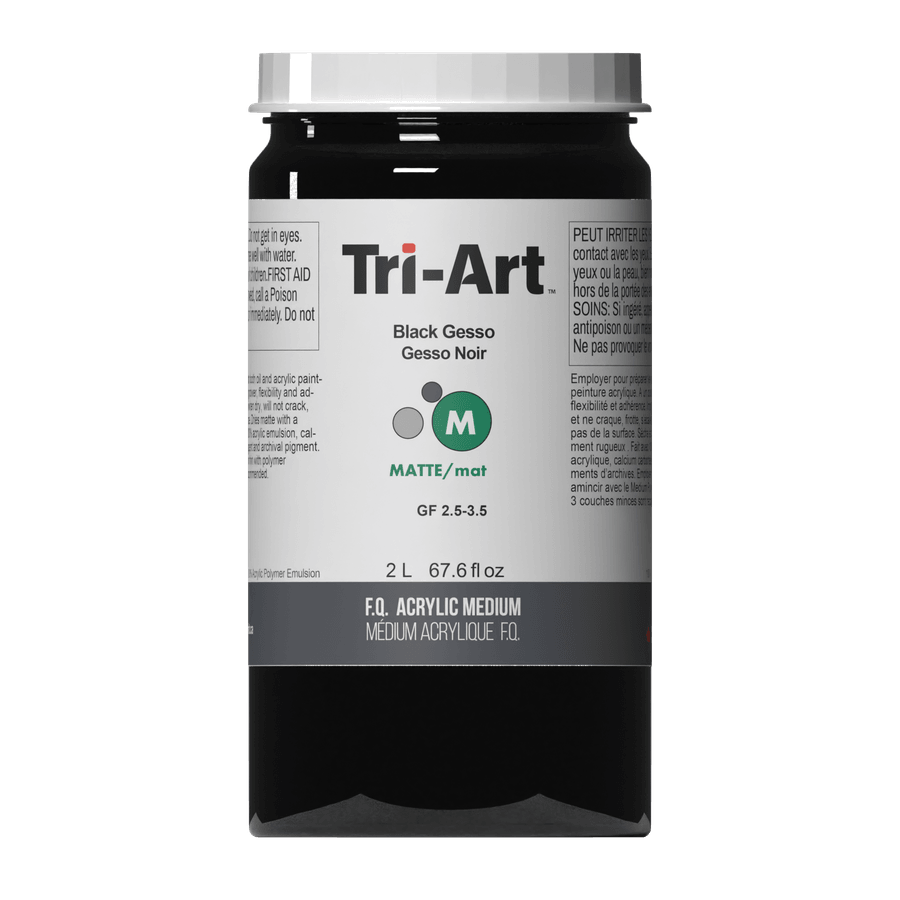
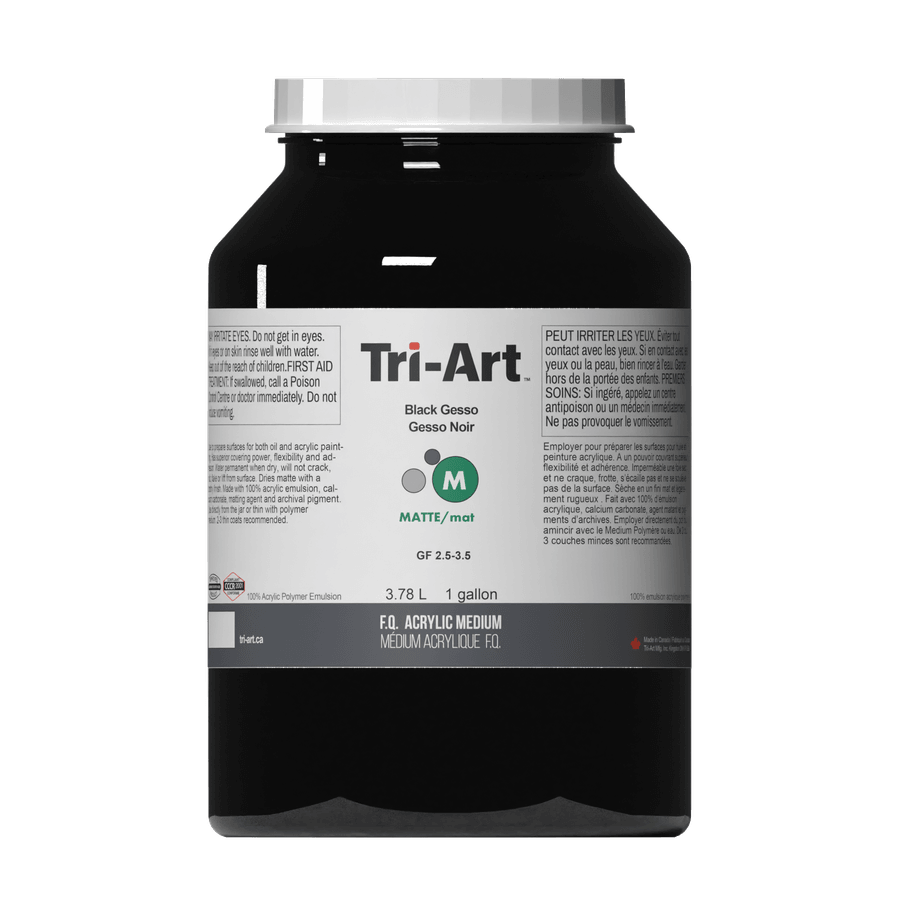
Tri-Art Mediums - Black Gesso - Tri-Art Mfg.Tri-Art Mediums - Black Gesso - Tri-Art Mfg.
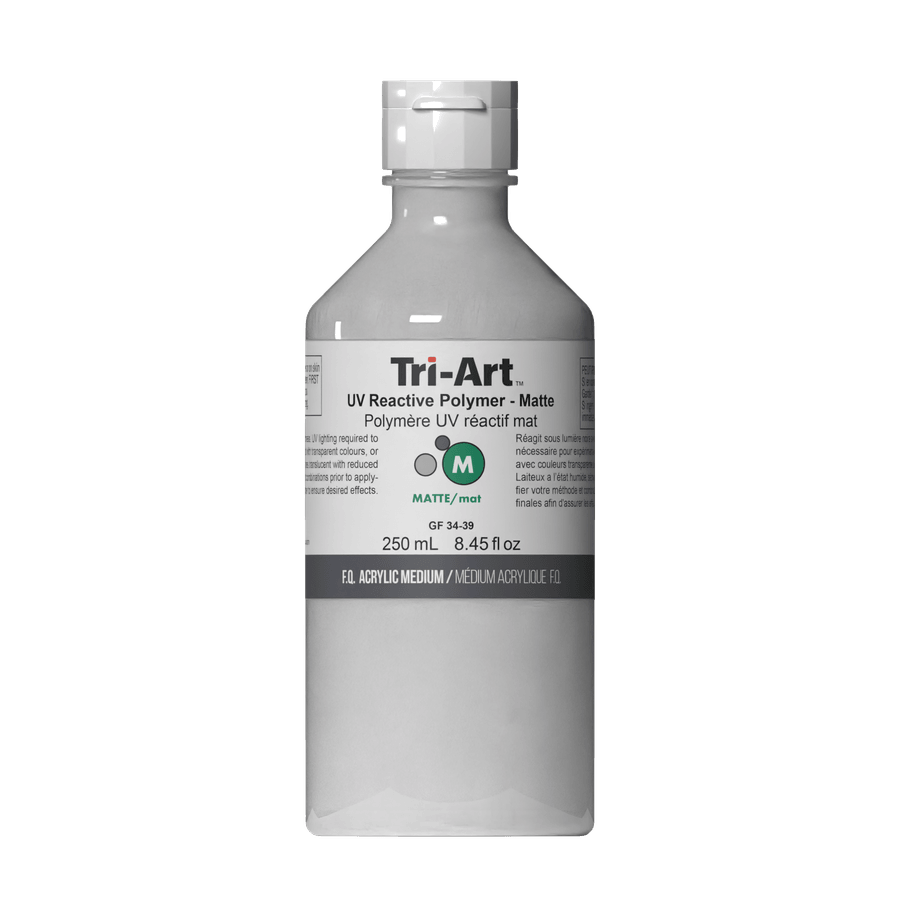
Tri-Art Mediums - UV Reactive Polymer Matte - Tri-Art Mfg.Tri-Art Mediums - UV Reactive Polymer Matte - Tri-Art Mfg.
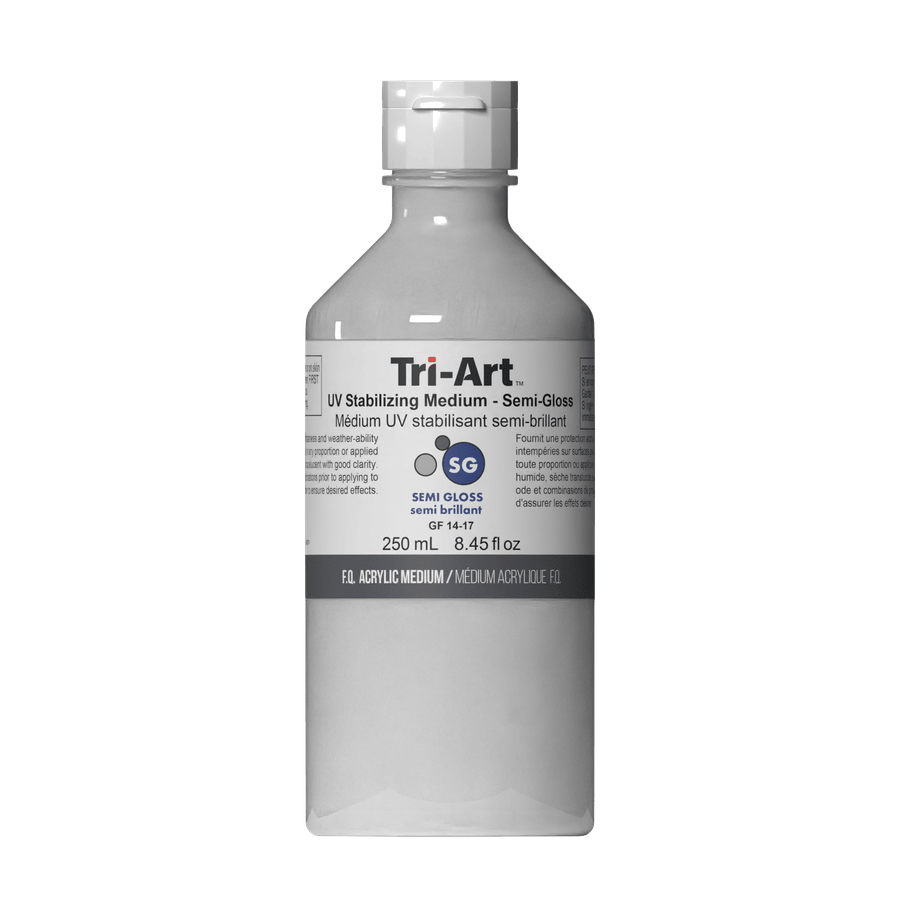
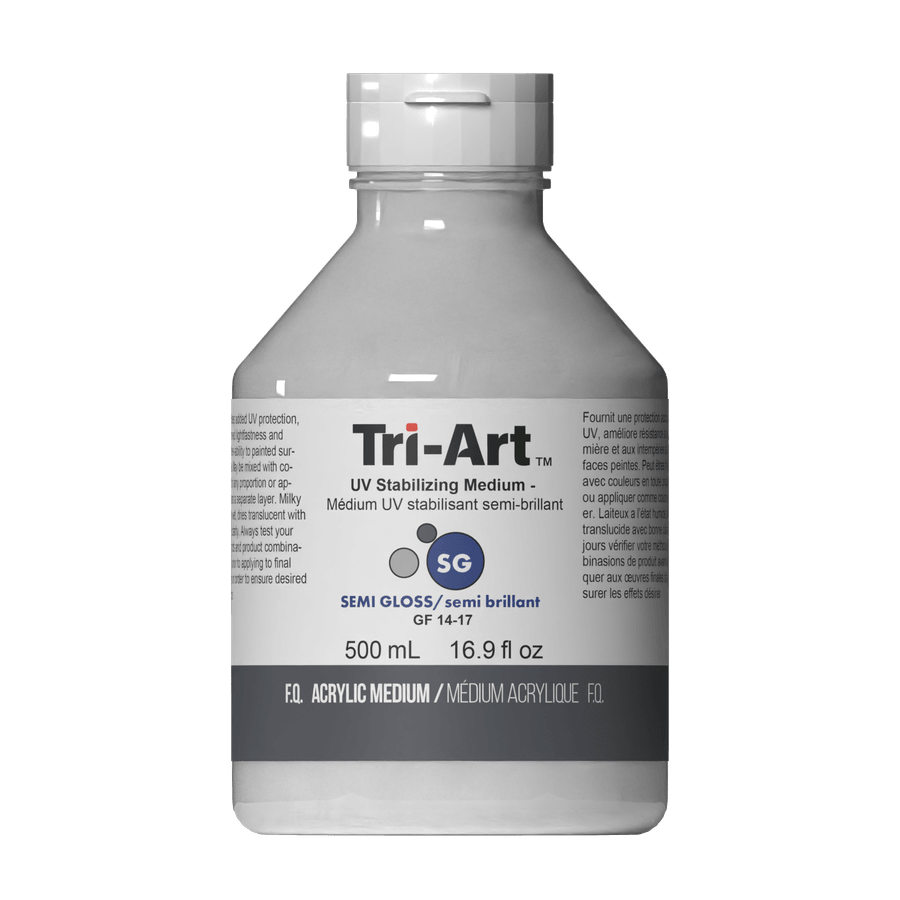
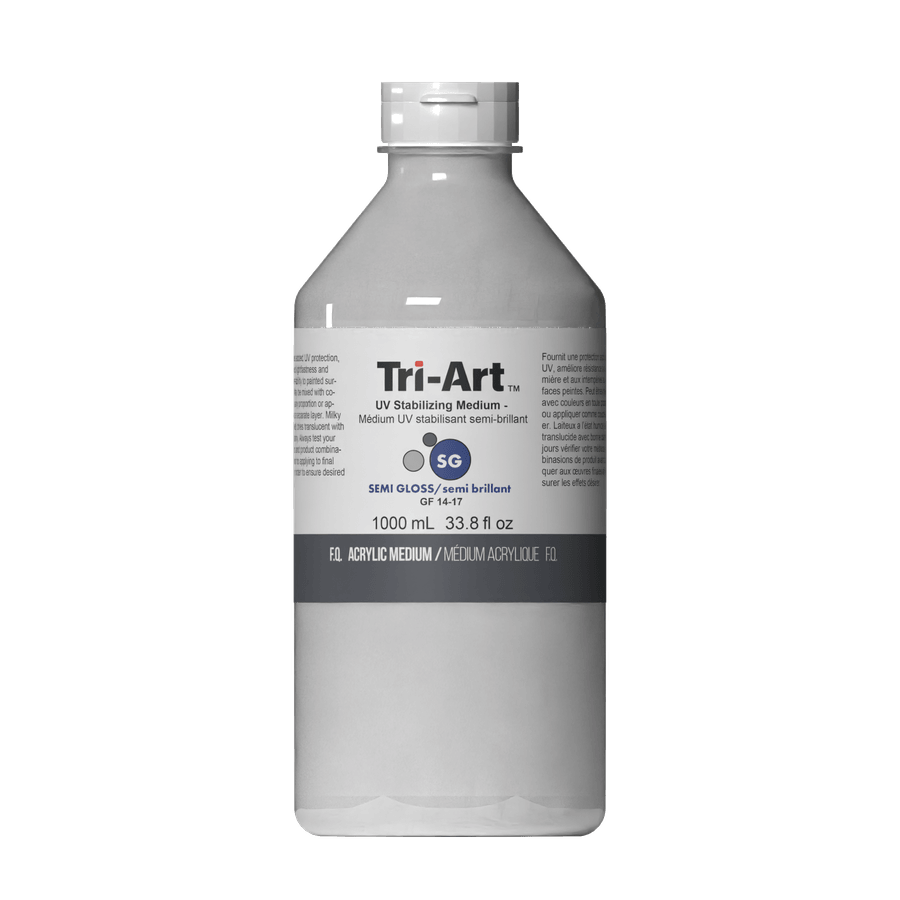
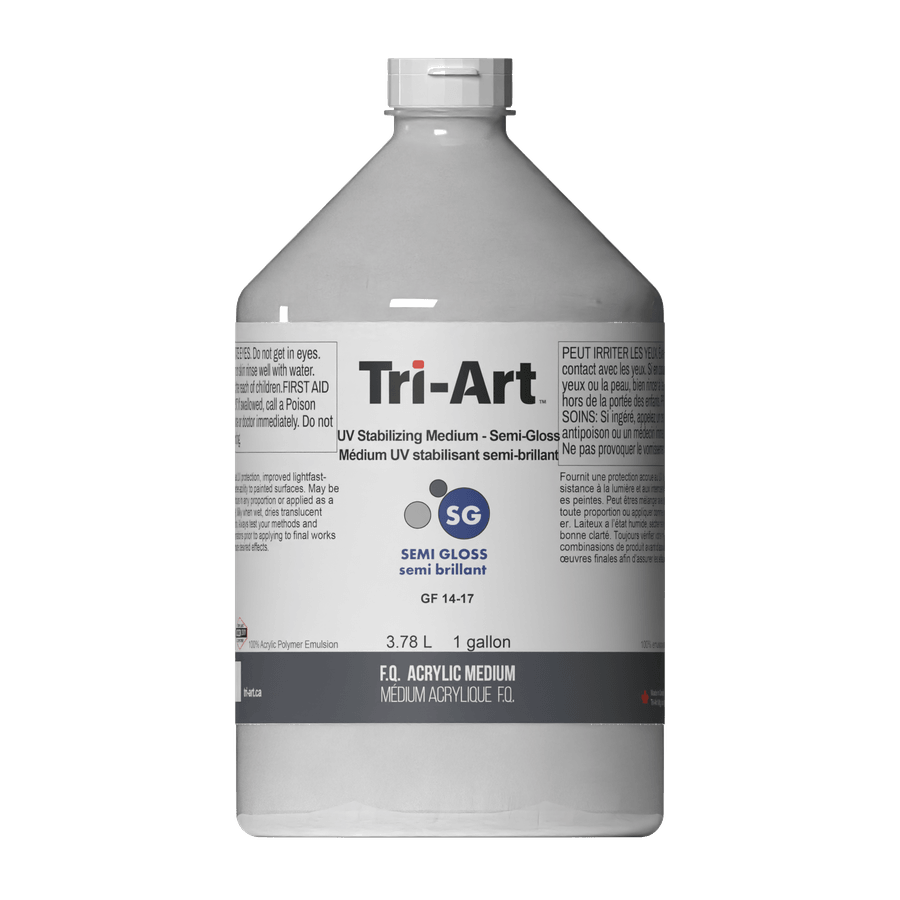
Tri-Art Mediums - UV Stabilizing Medium Semi Gloss - Tri-Art Mfg.Tri-Art Mediums - UV Stabilizing Medium Semi Gloss - Tri-Art Mfg.
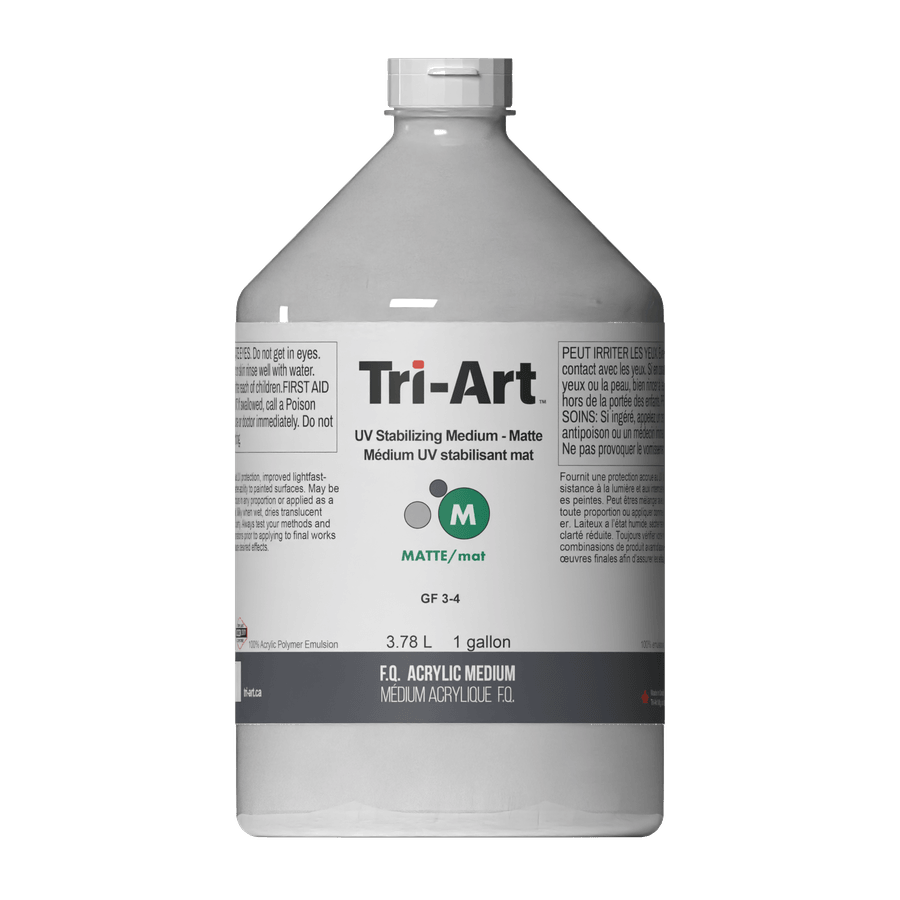
Tri-Art Mediums - UV Stabilizing Medium Matte - Tri-Art Mfg.Tri-Art Mediums - UV Stabilizing Medium Matte - Tri-Art Mfg.
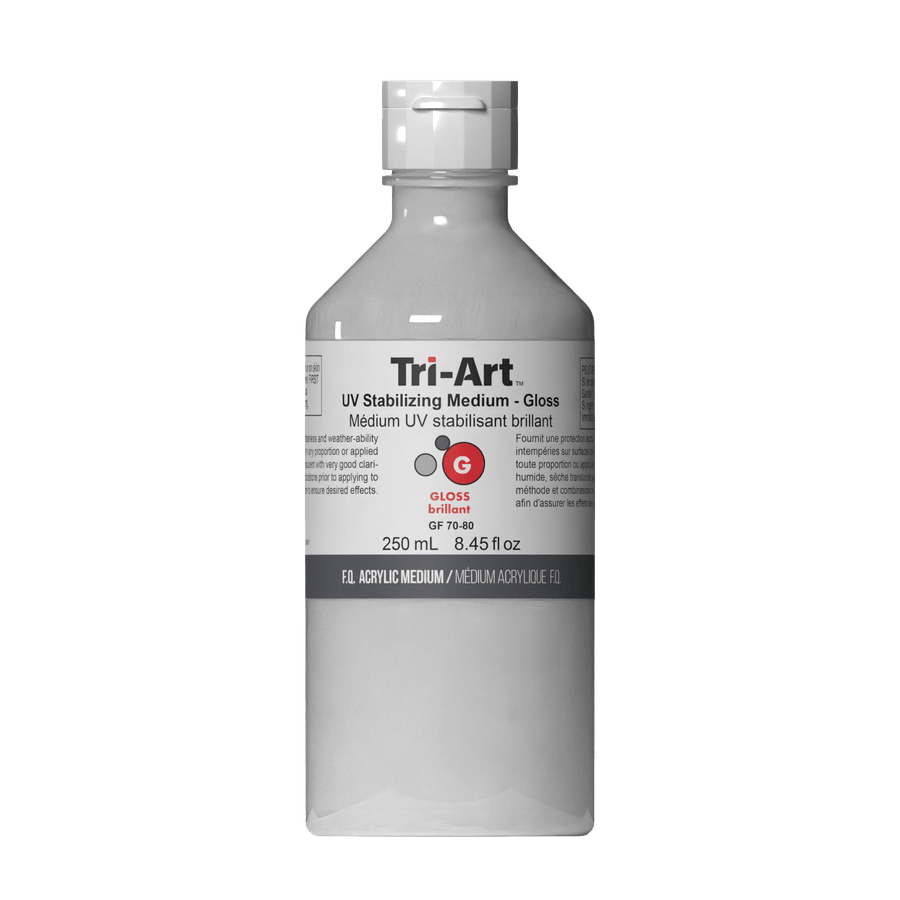
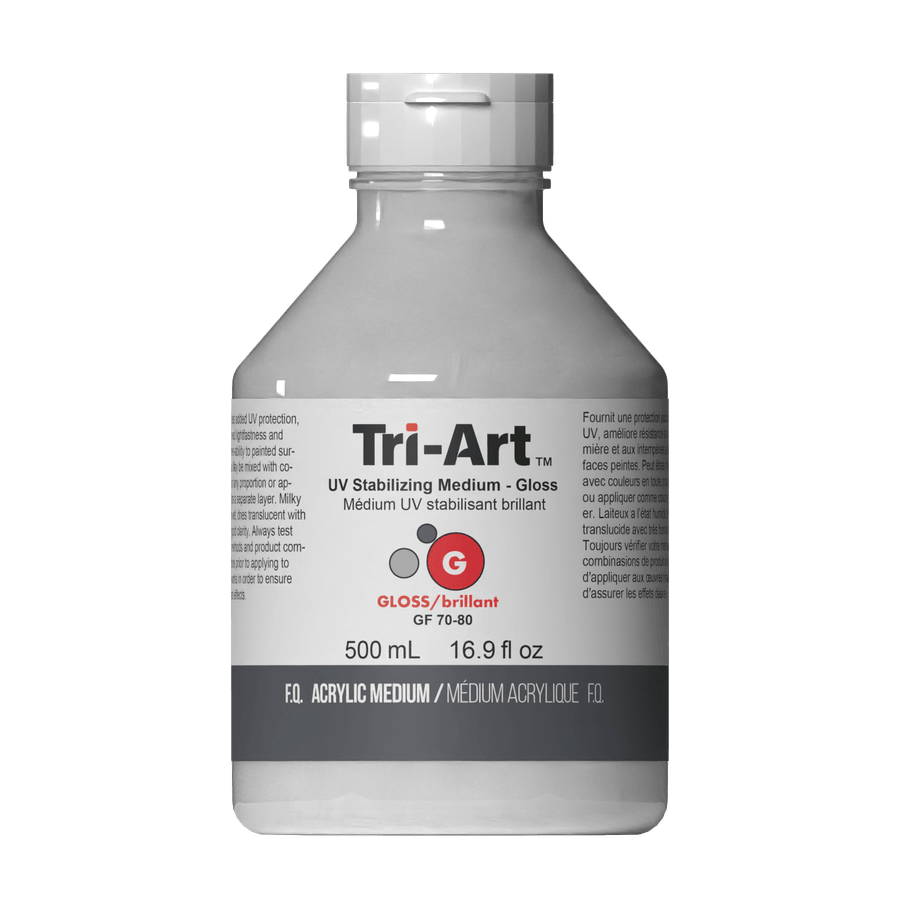
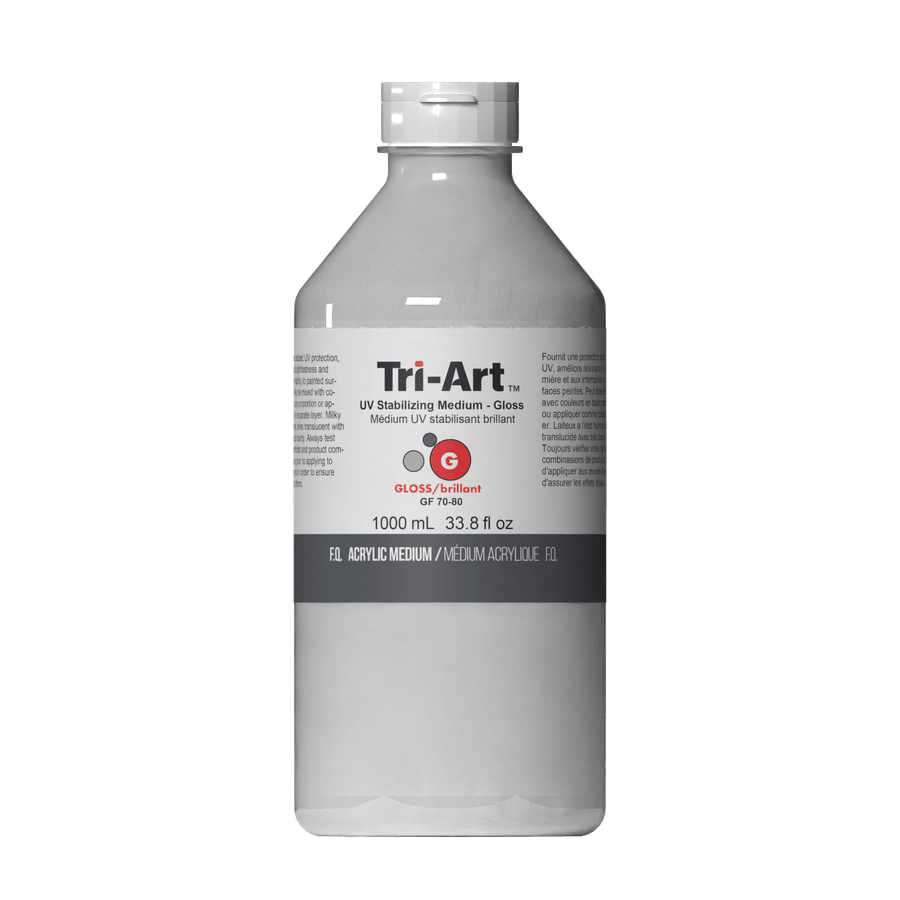
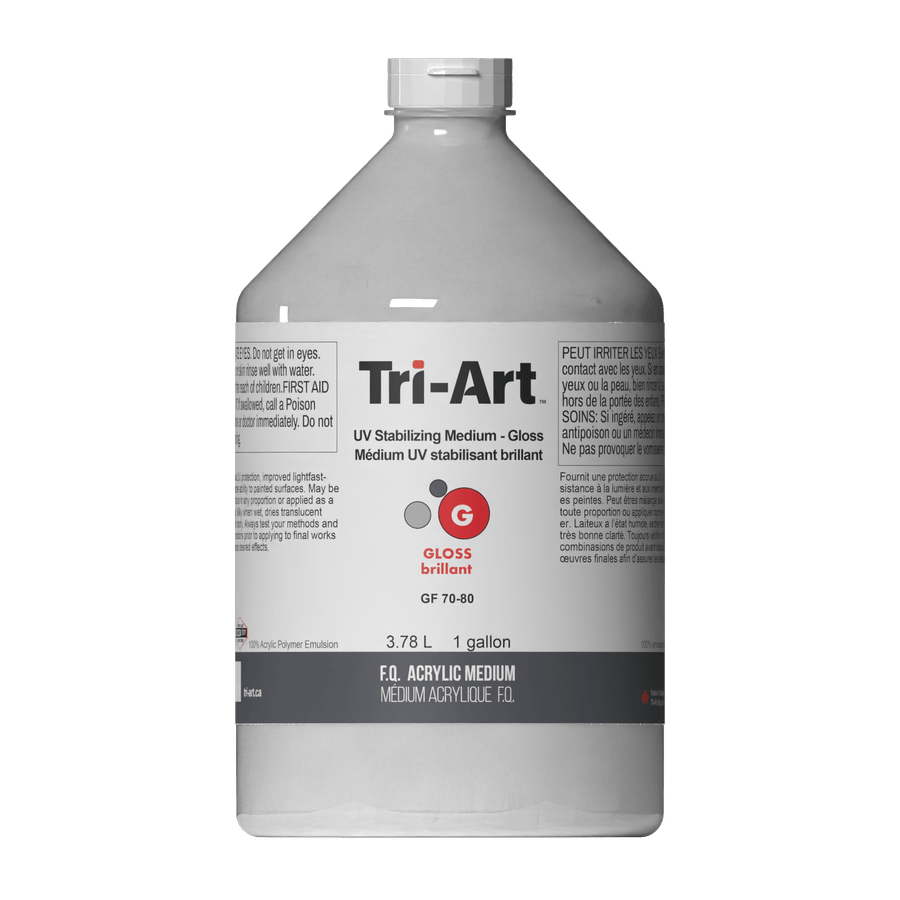
Tri-Art Mediums - UV Stabilizing Medium Gloss - Tri-Art Mfg.Tri-Art Mediums - UV Stabilizing Medium Gloss - Tri-Art Mfg.
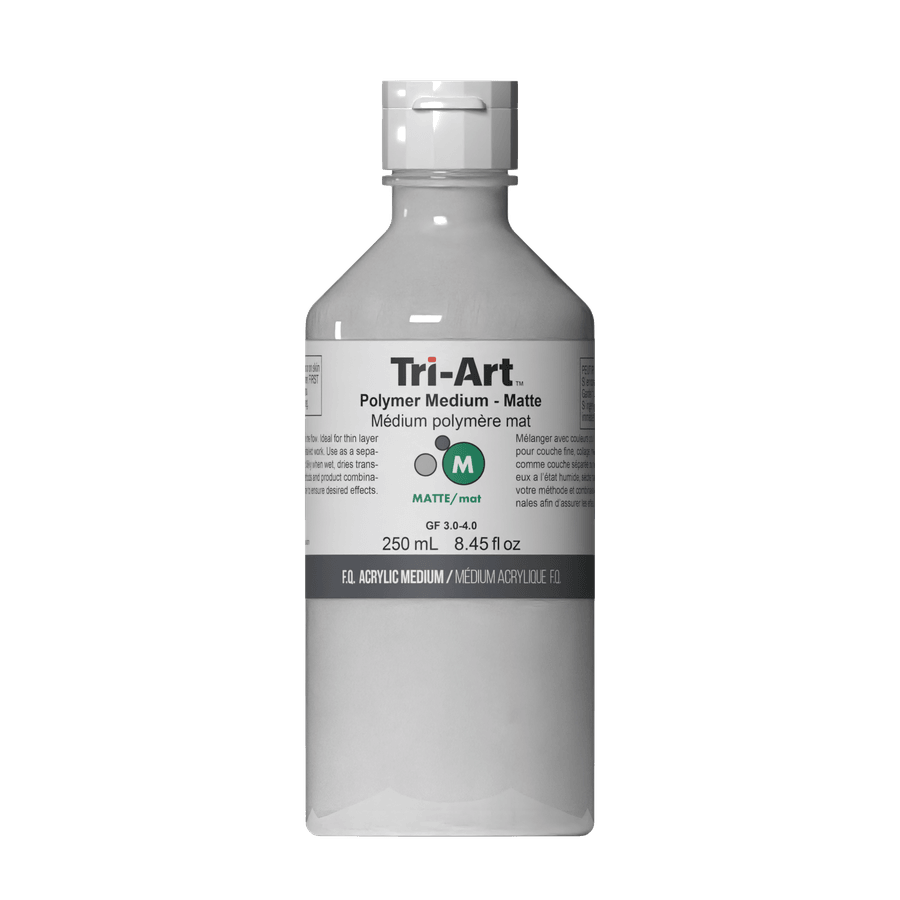
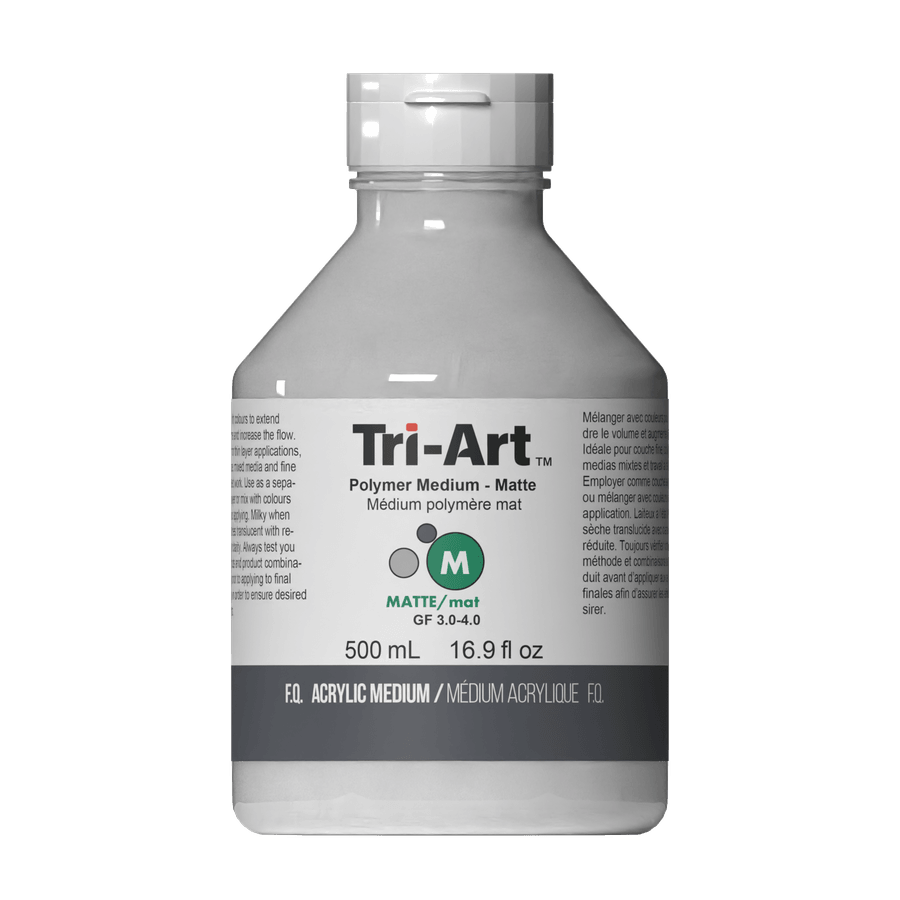
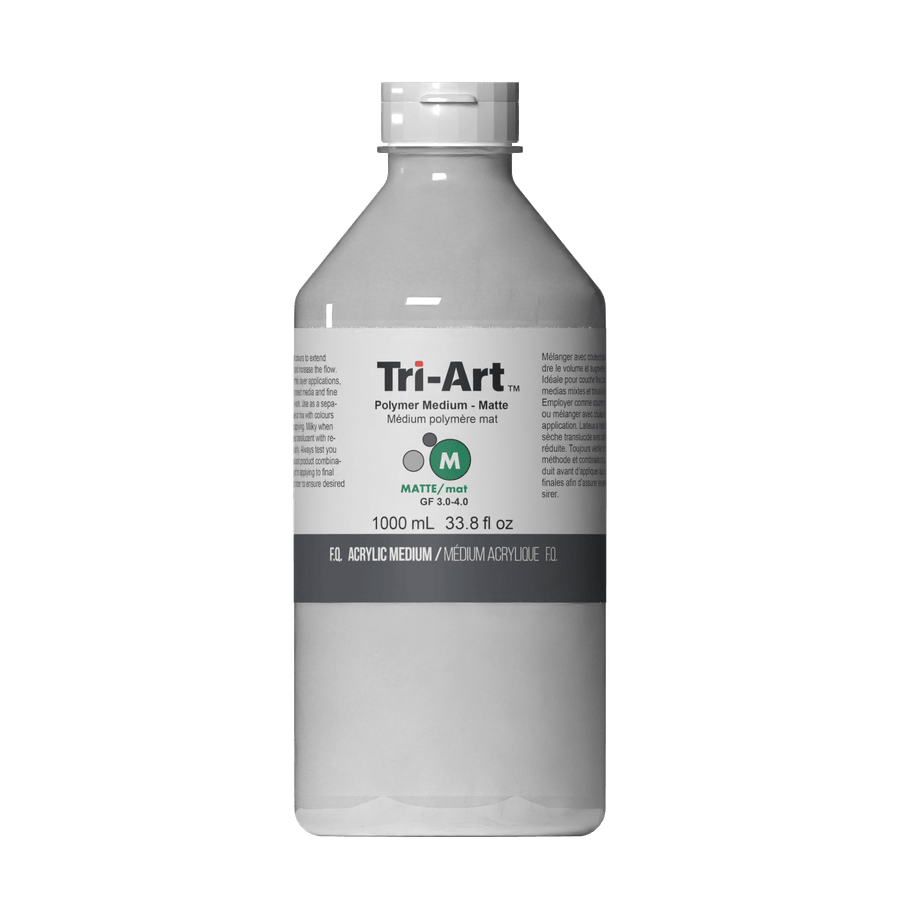
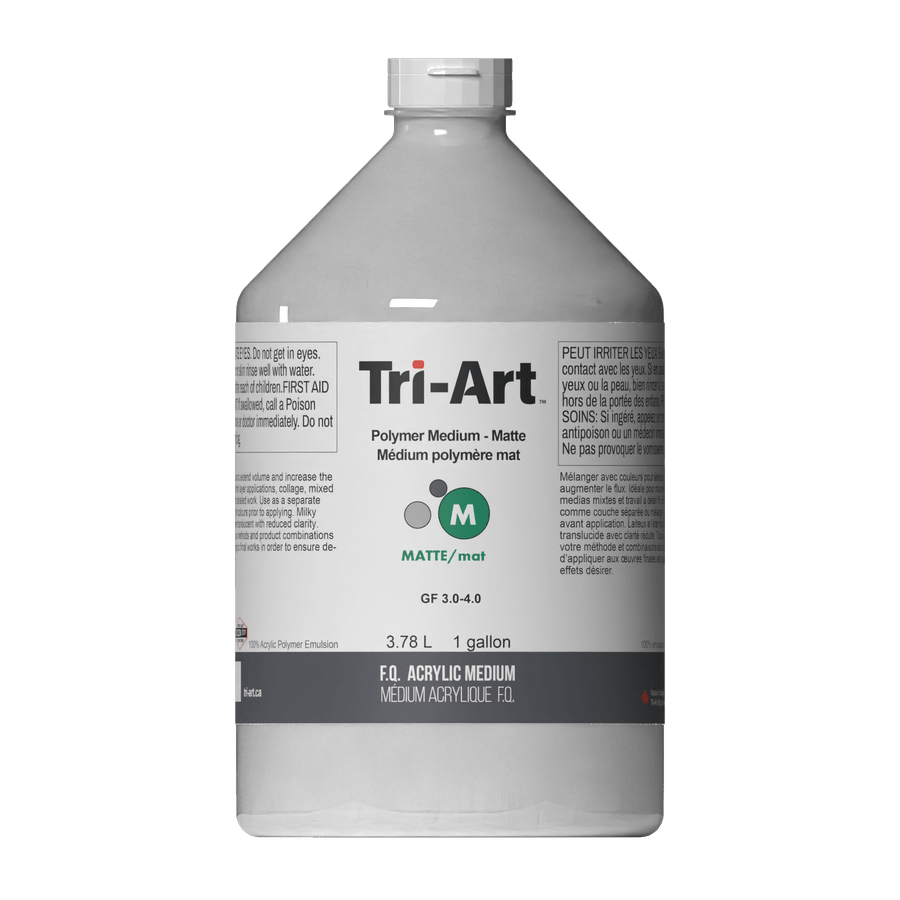
Tri-Art Mediums - Polymer Medium Matte - Tri-Art Mfg.Tri-Art Mediums - Polymer Medium Matte - Tri-Art Mfg.
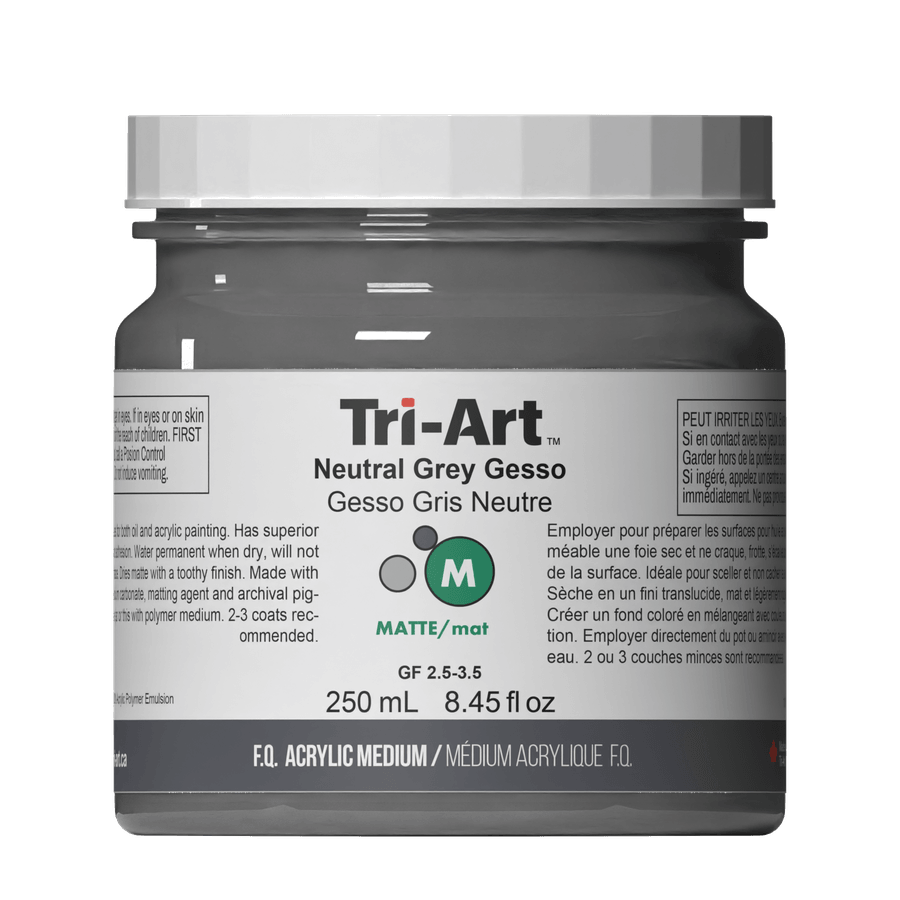
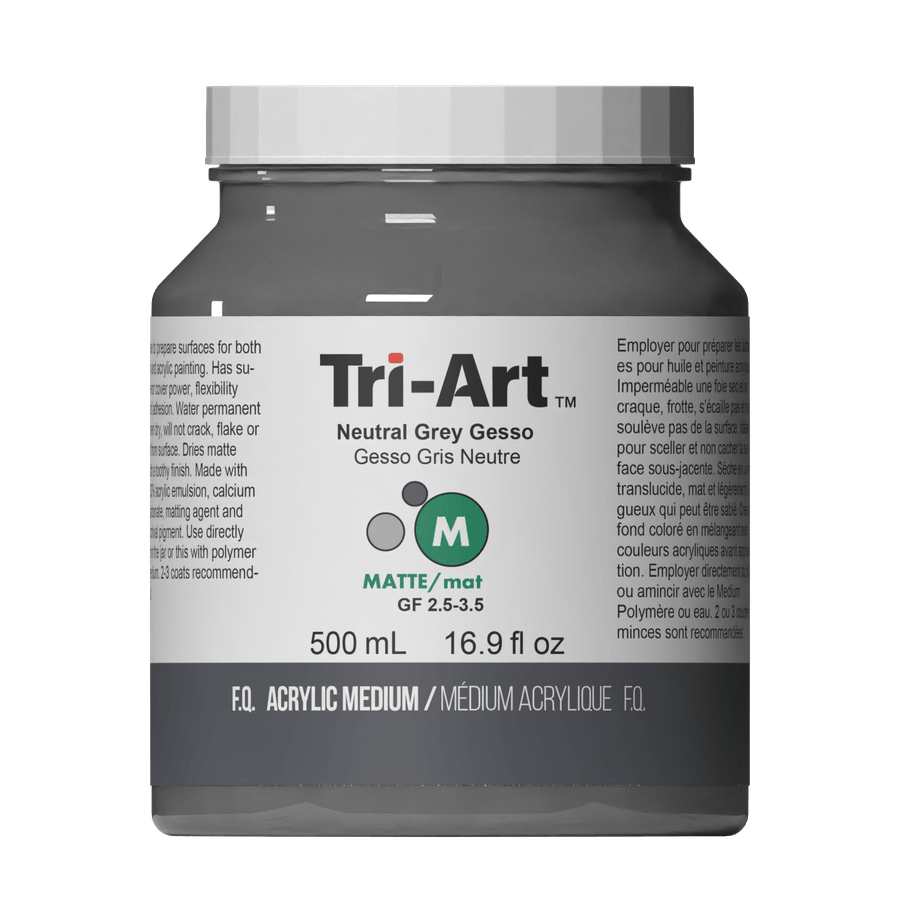
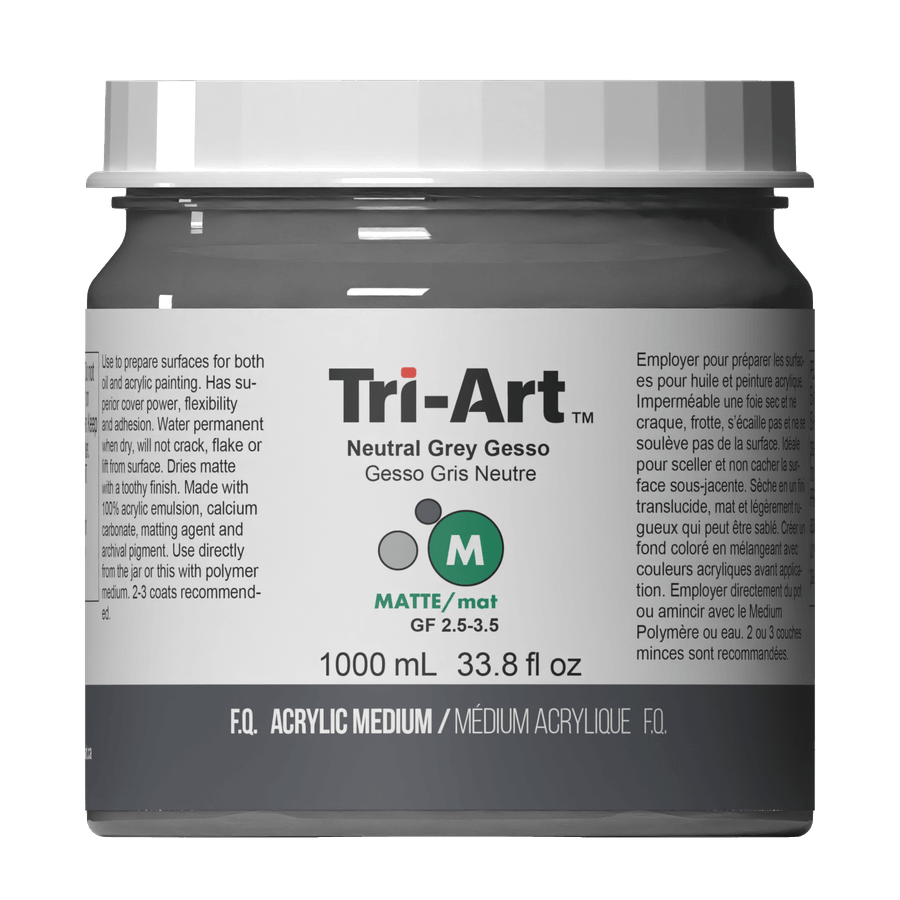
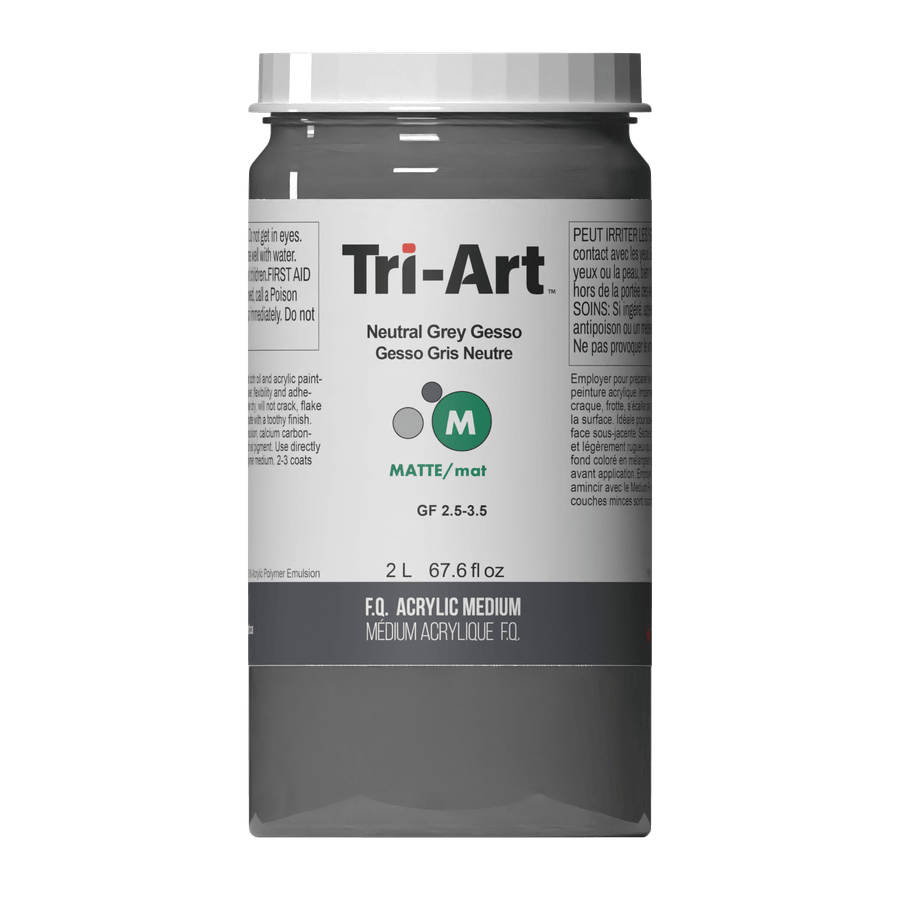
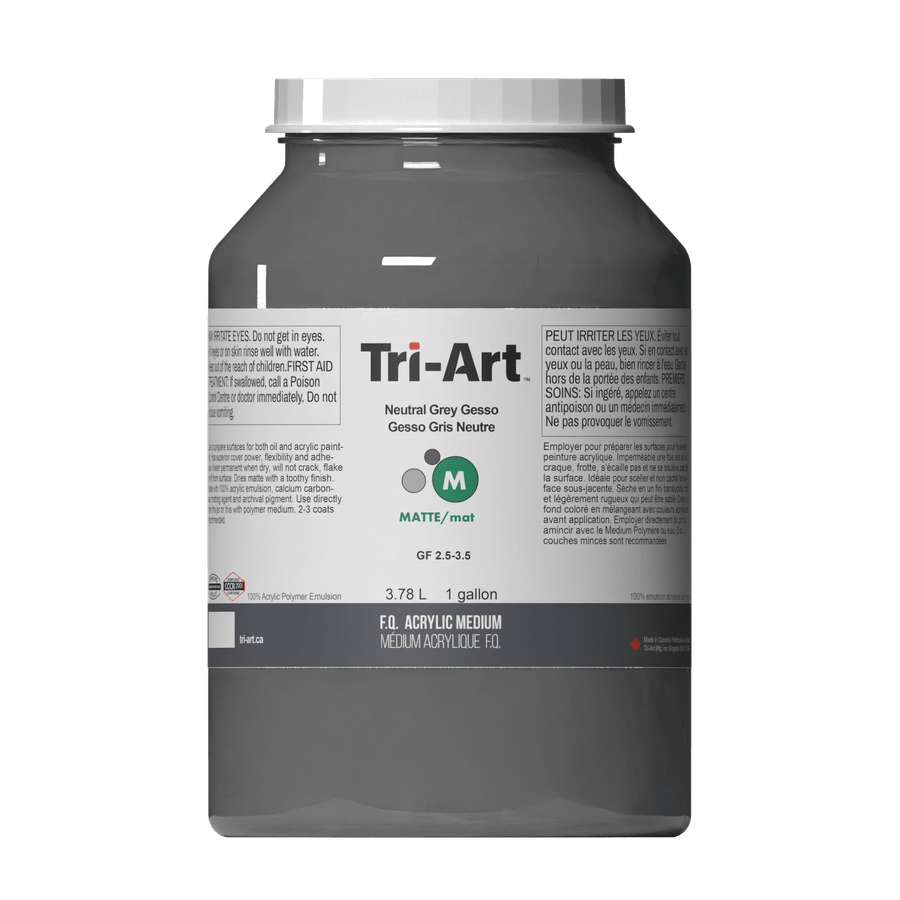
Tri-Art Mediums - Neutral Grey Gesso - Tri-Art Mfg.Tri-Art Mediums - Neutral Grey Gesso - Tri-Art Mfg.
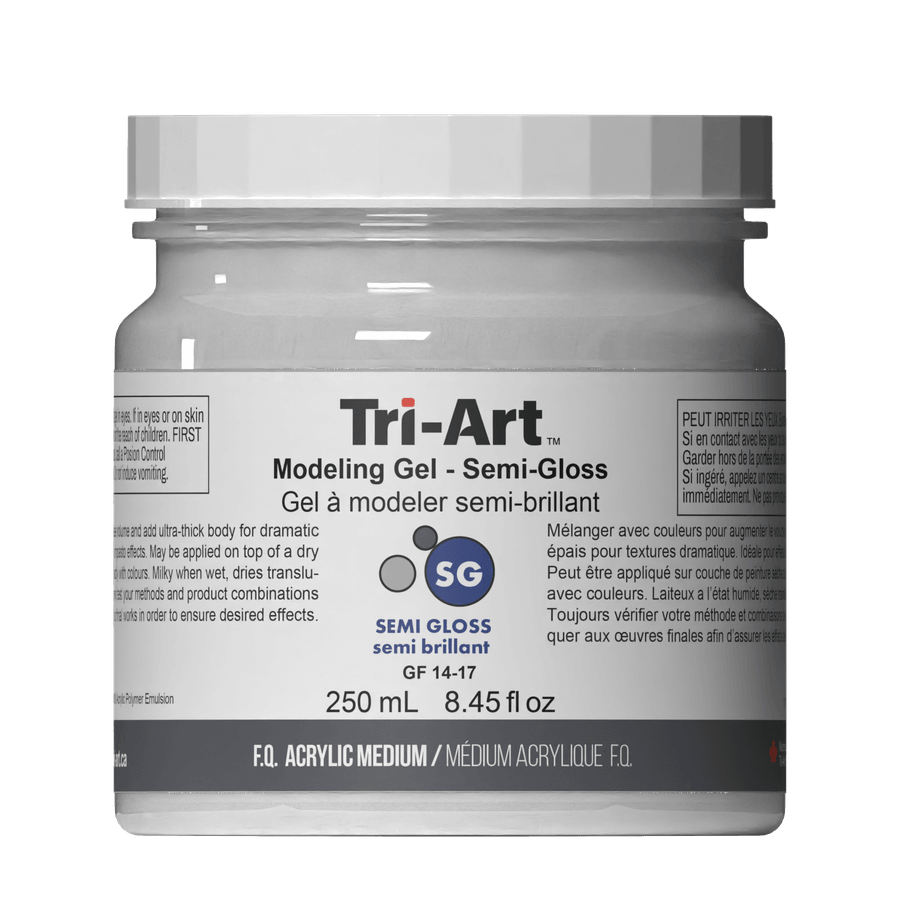
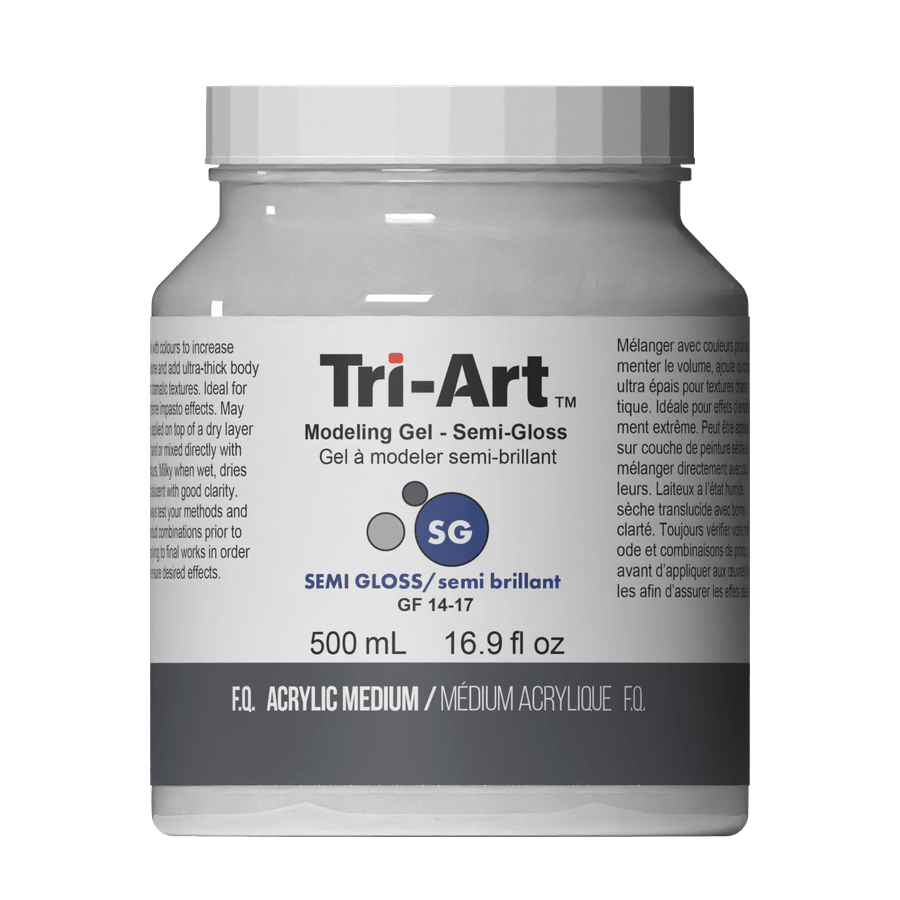
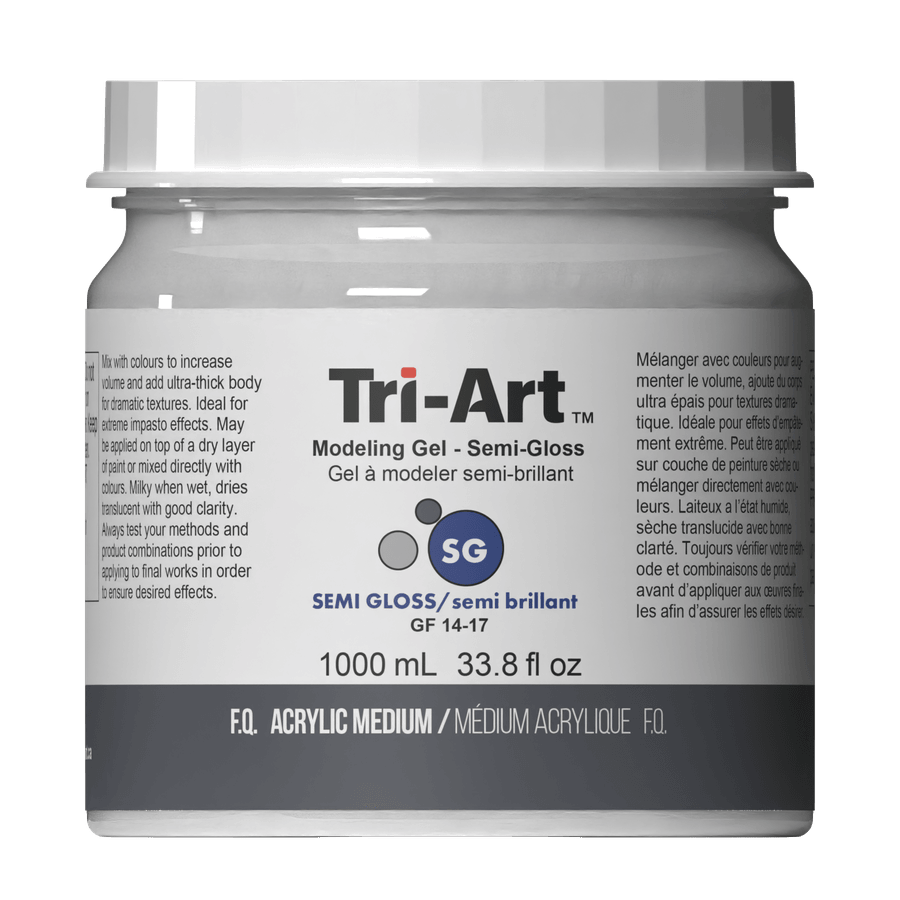
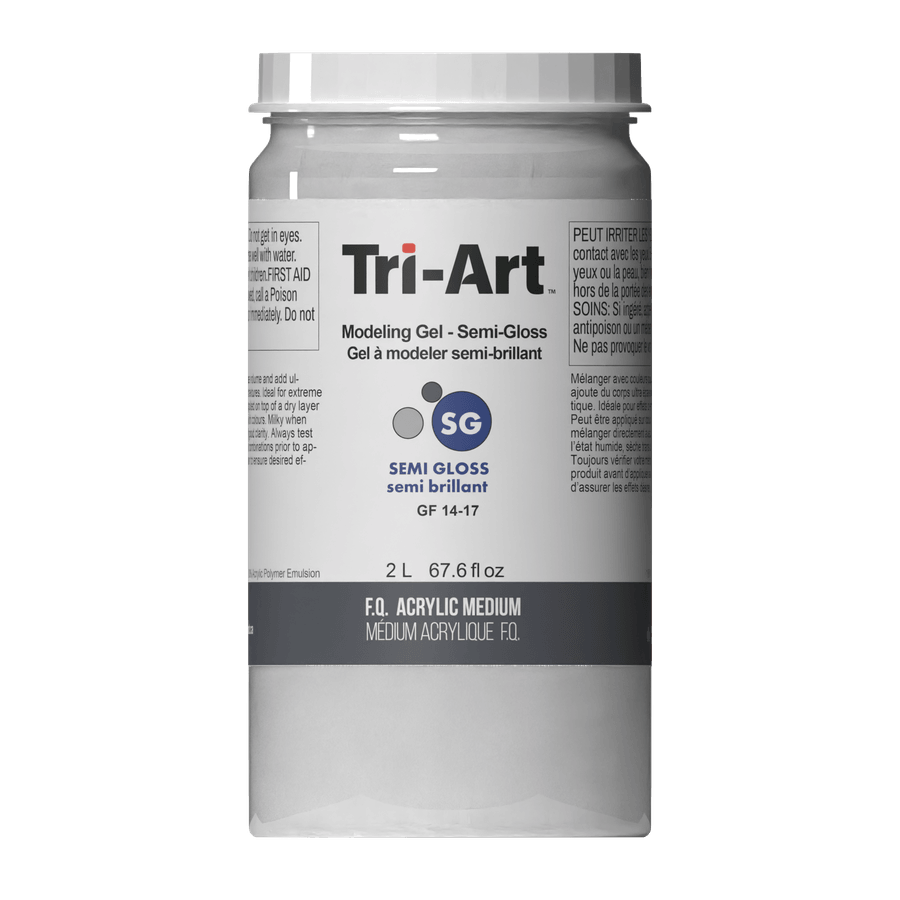
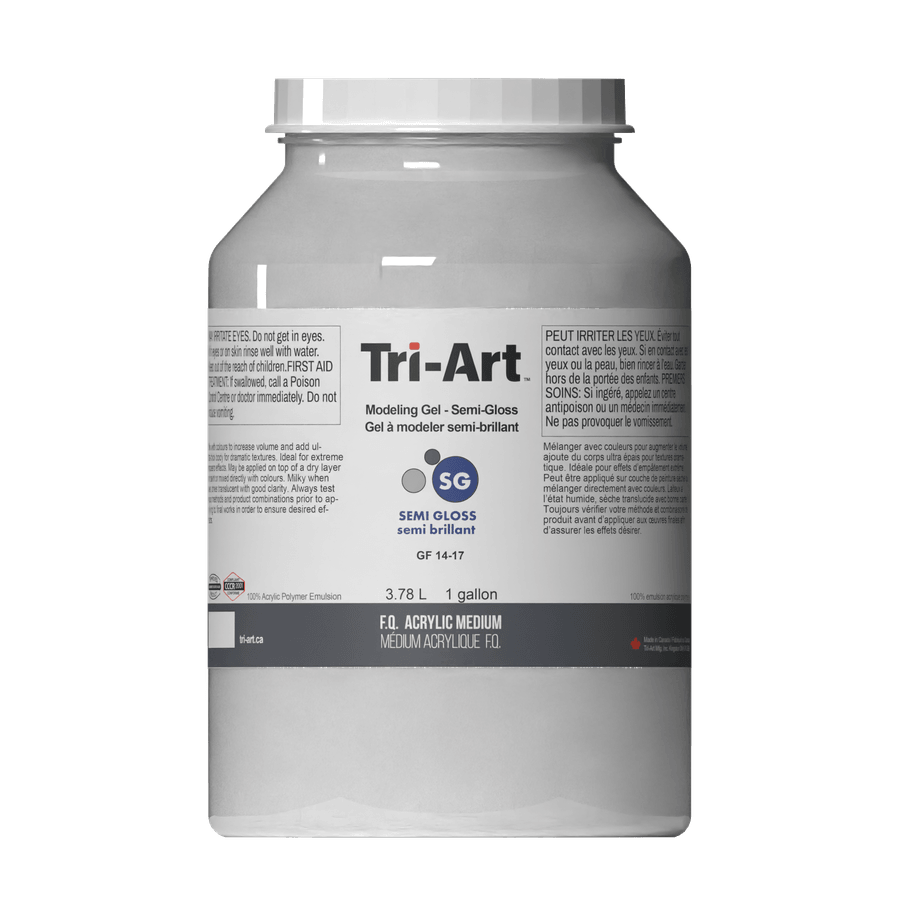
Tri-Art Mediums - Modeling Gel Semi Gloss - Tri-Art Mfg.Tri-Art Mediums - Modeling Gel Semi Gloss - Tri-Art Mfg.
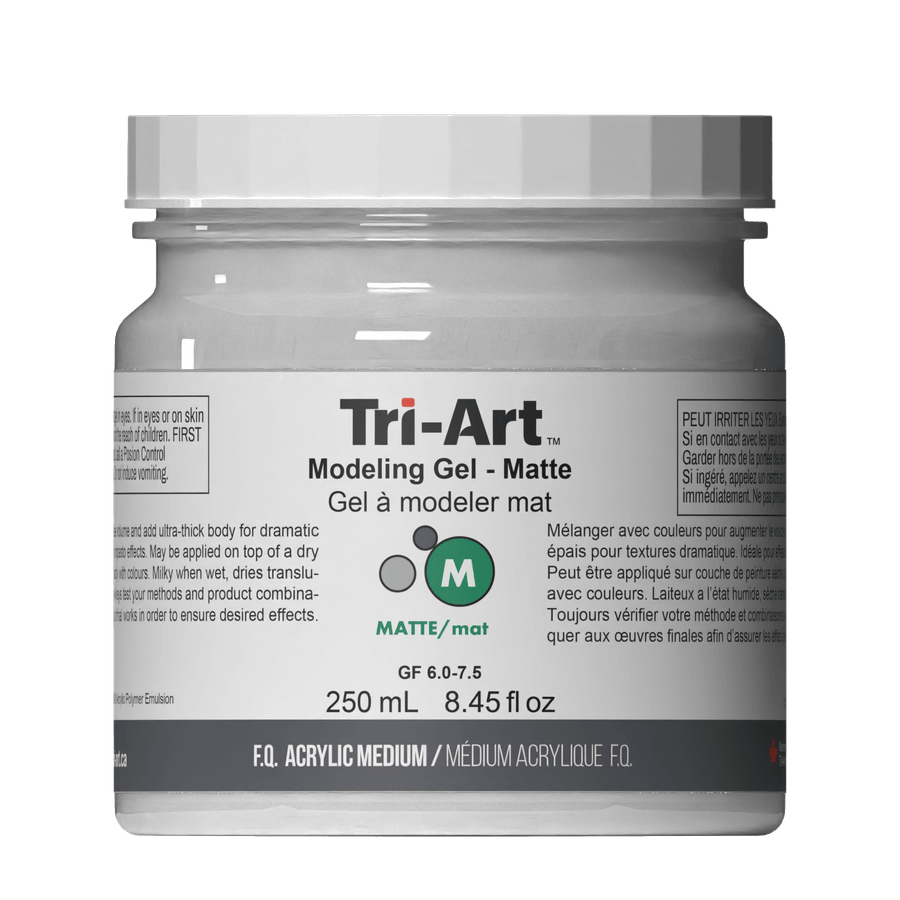
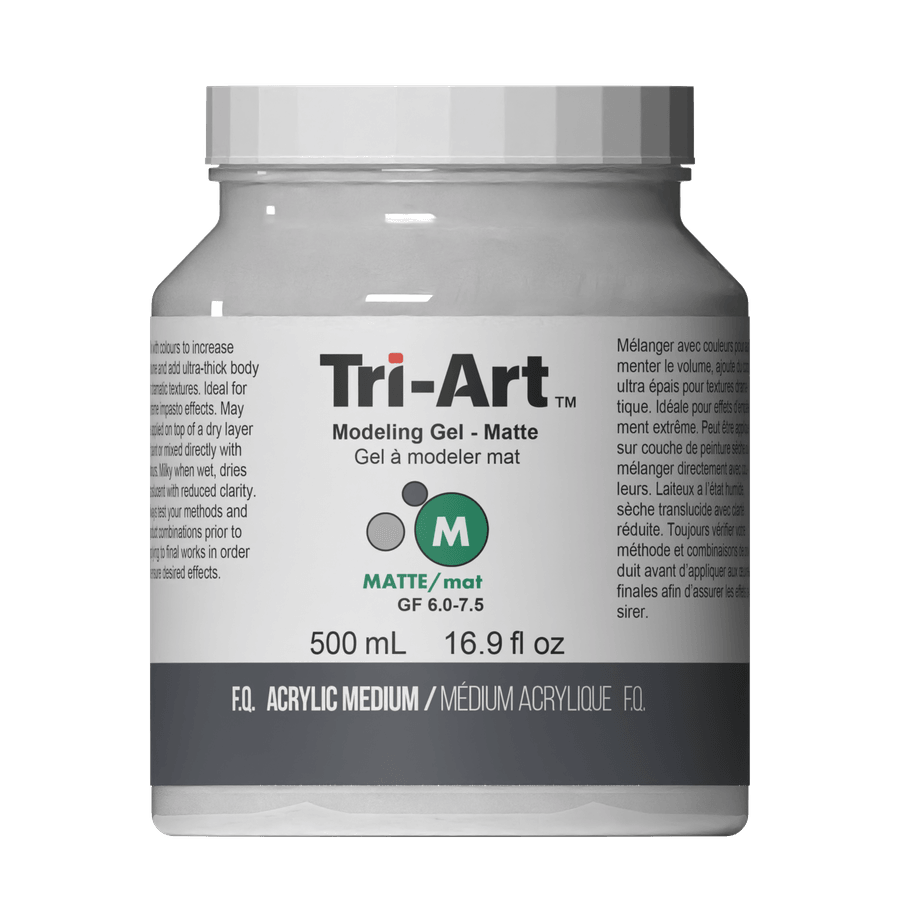
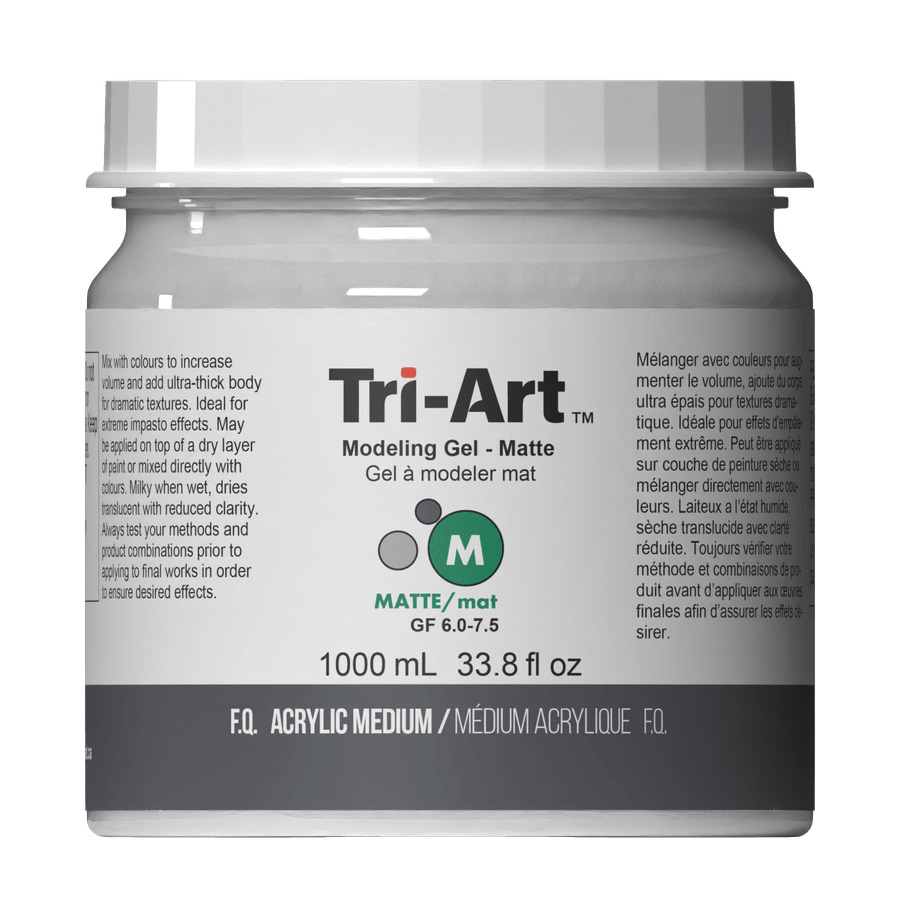
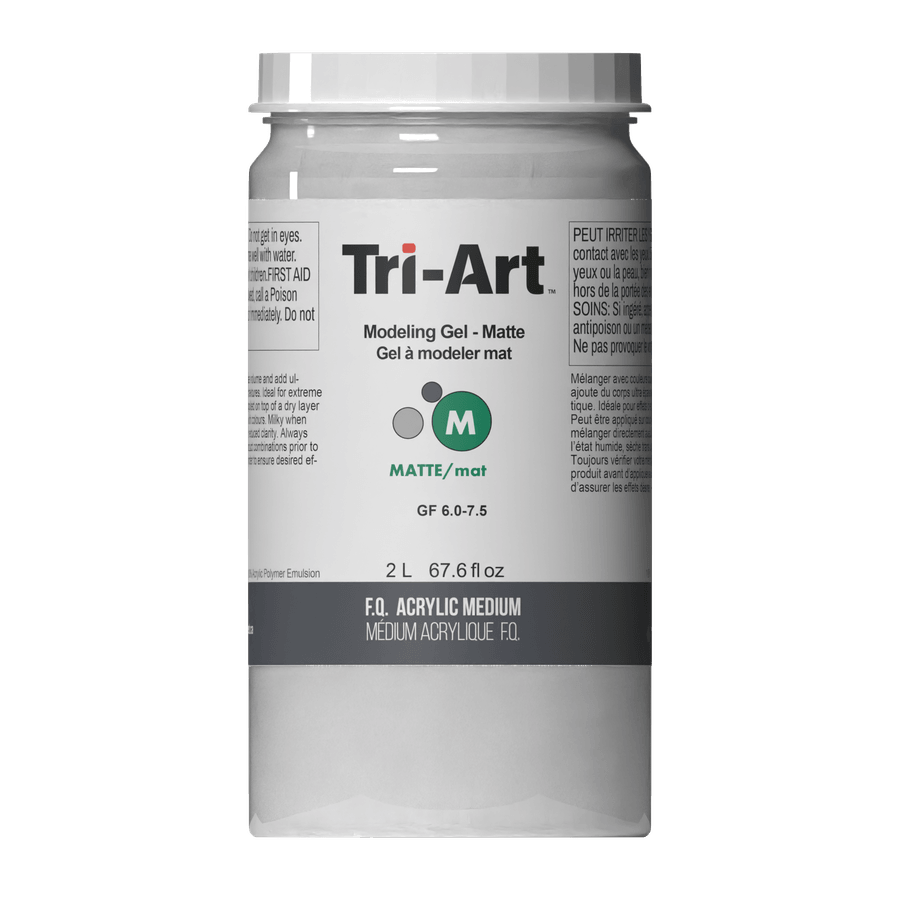
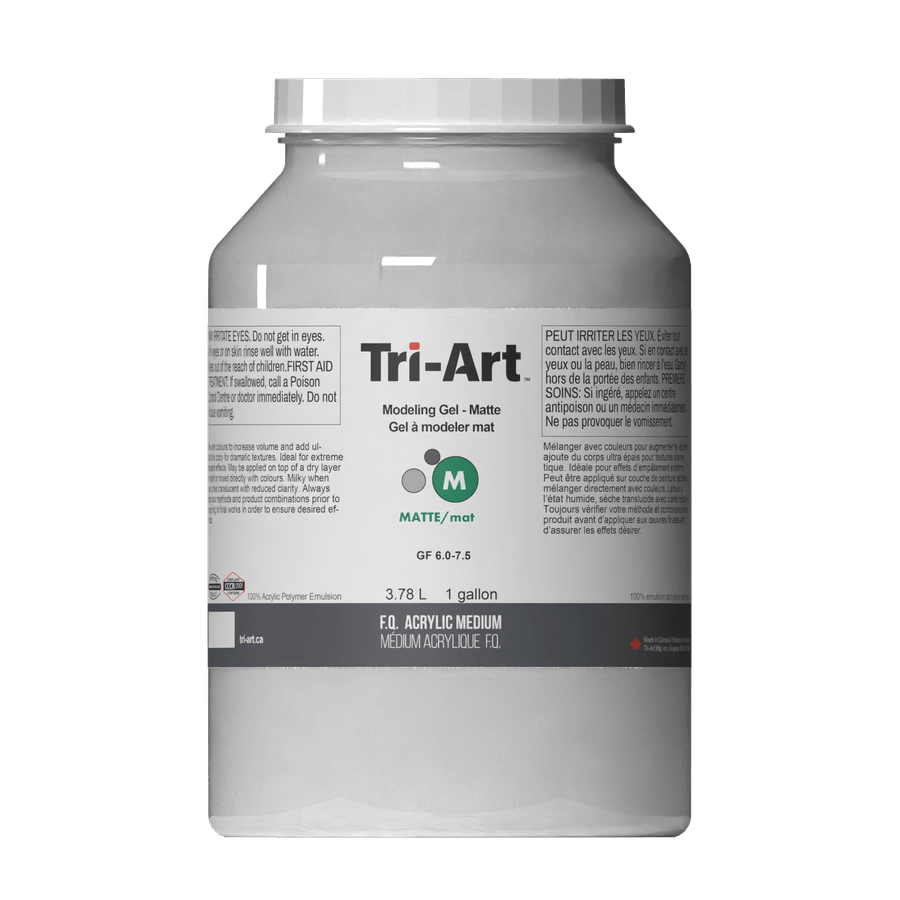
Tri-Art Mediums - Modeling Gel Matte - Tri-Art Mfg.Tri-Art Mediums - Modeling Gel Matte - Tri-Art Mfg.
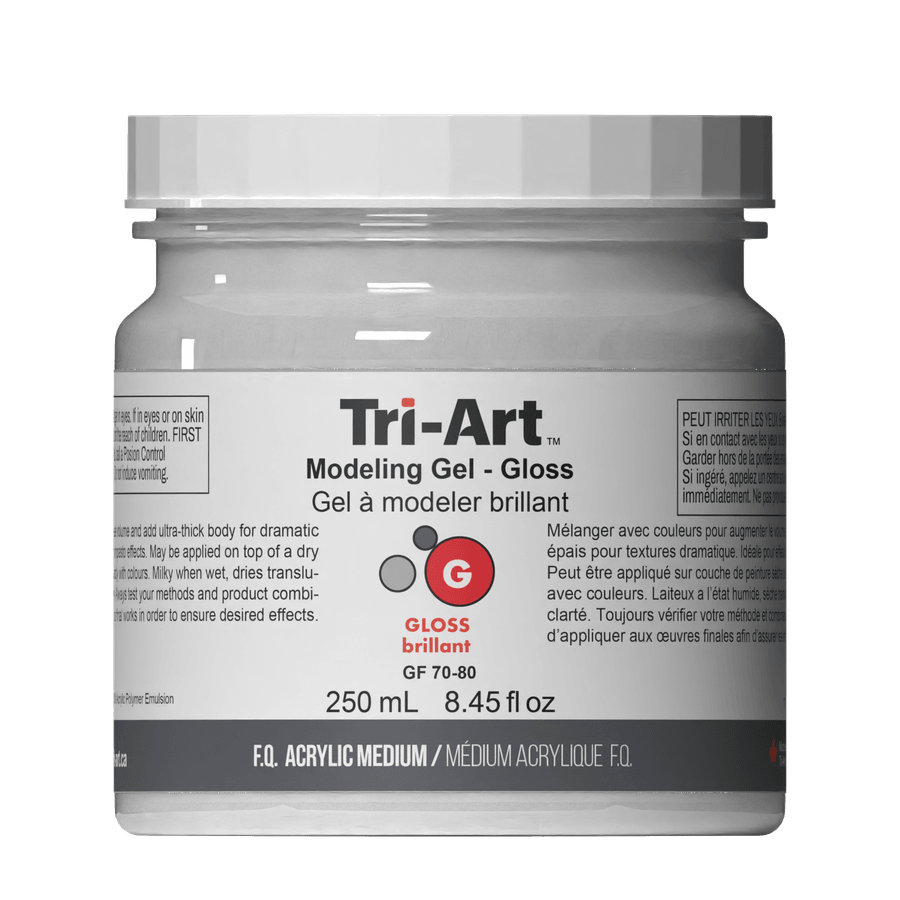
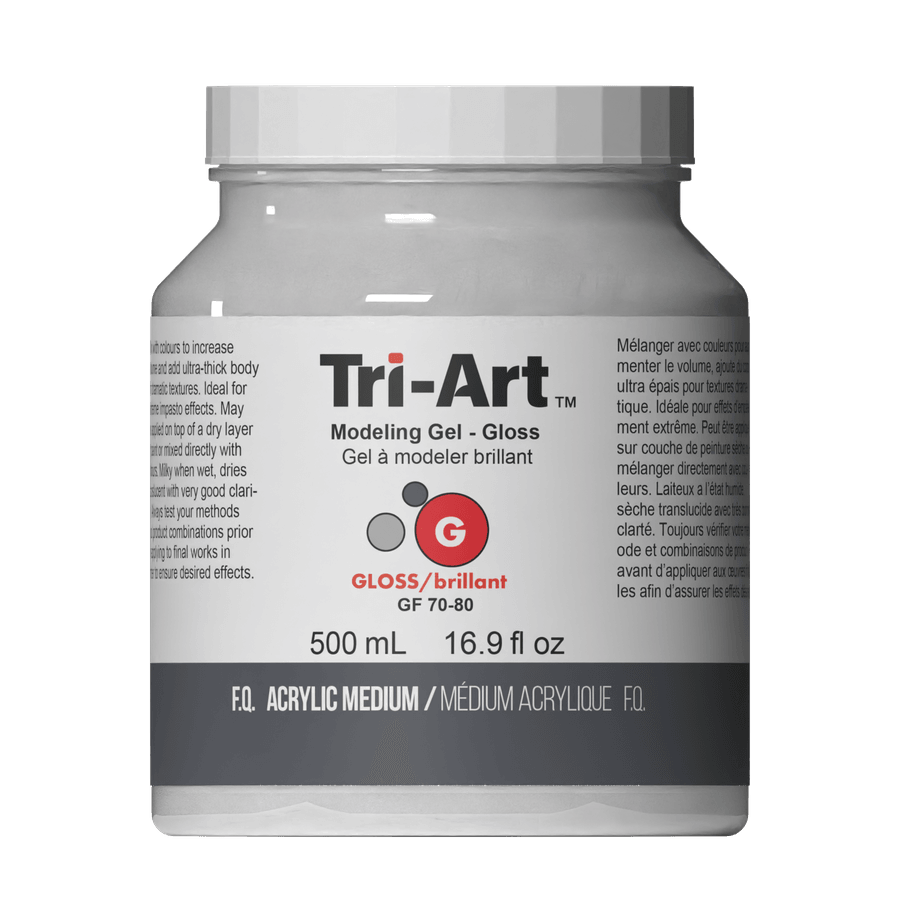
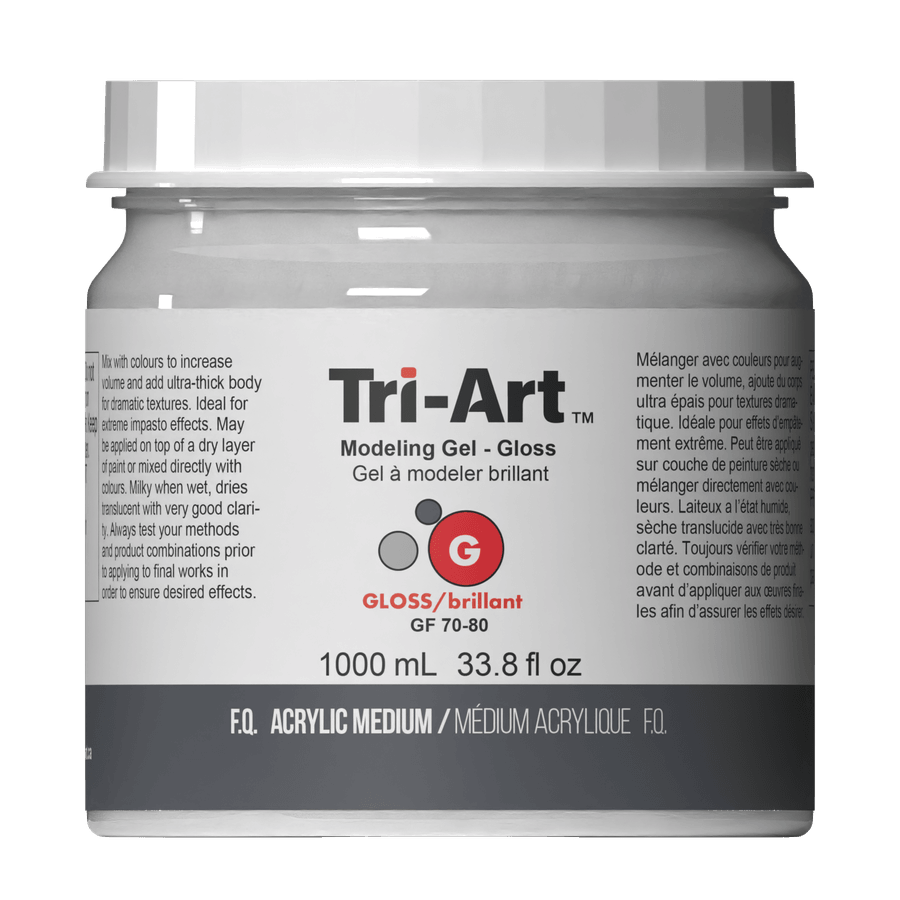
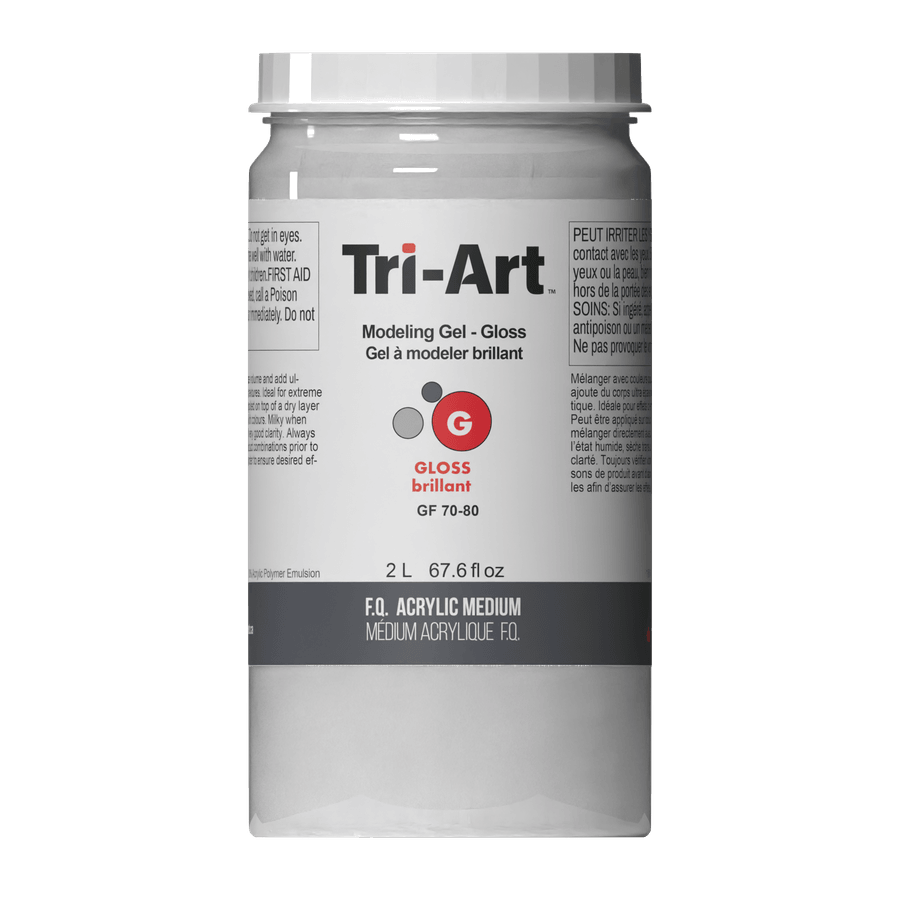
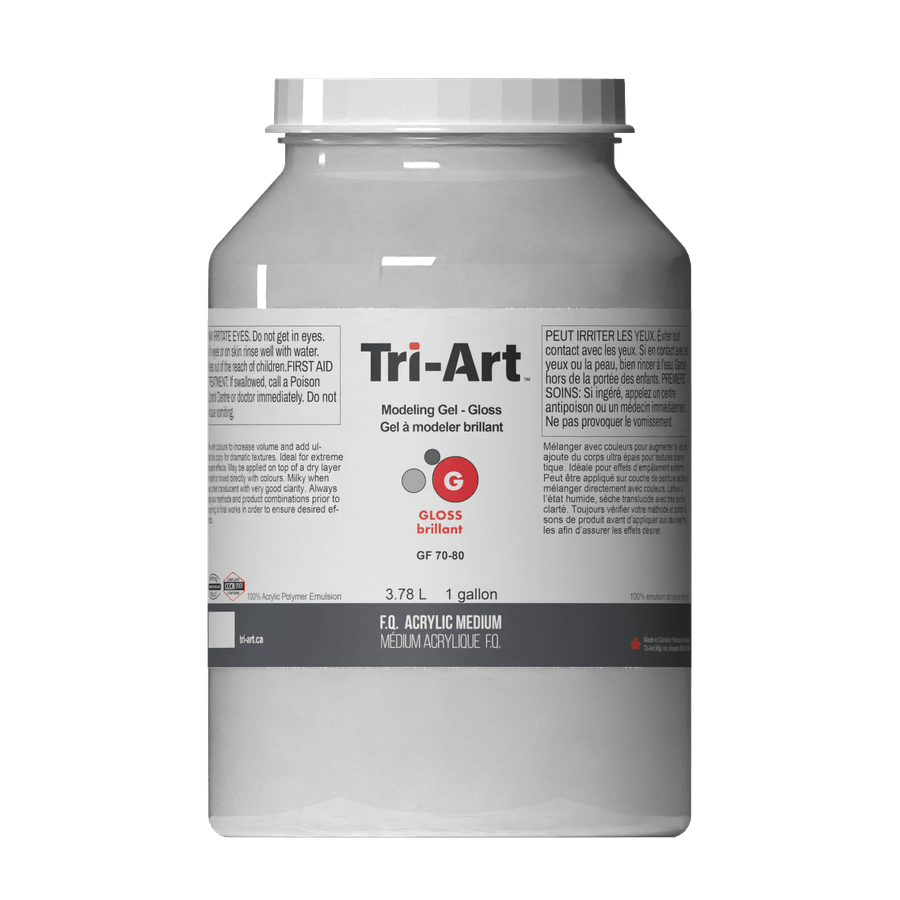
Tri-Art Mediums - Modeling Gel Gloss - Tri-Art Mfg.Tri-Art Mediums - Modeling Gel Gloss - Tri-Art Mfg.
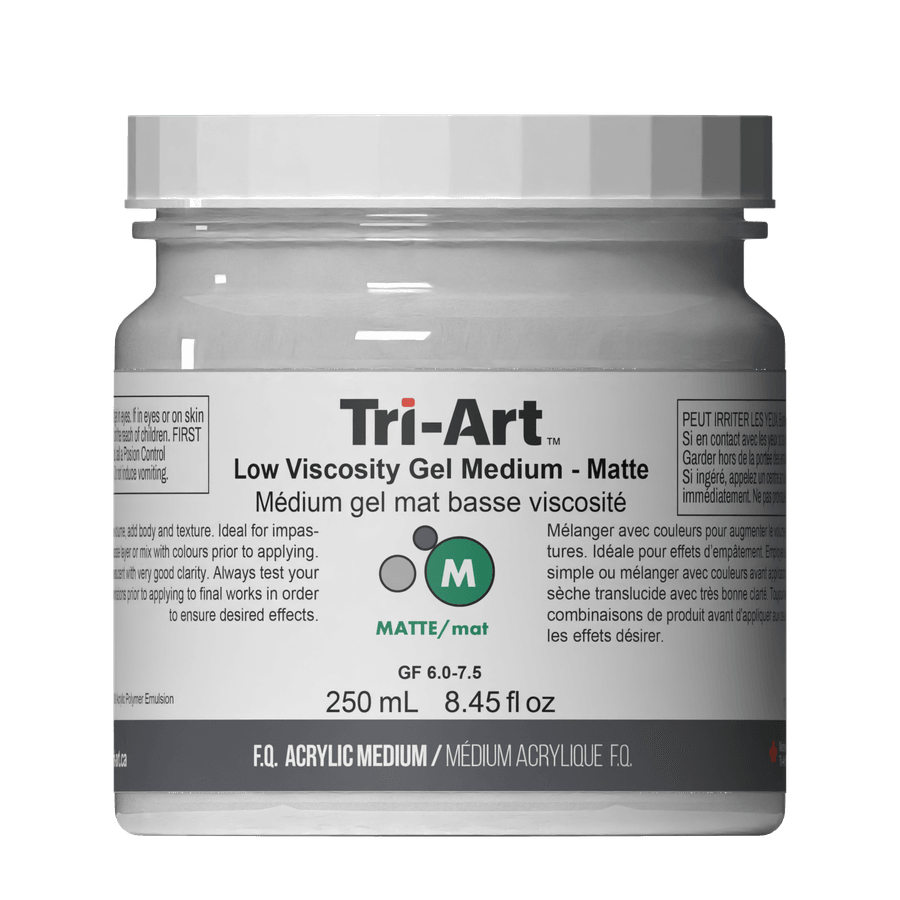
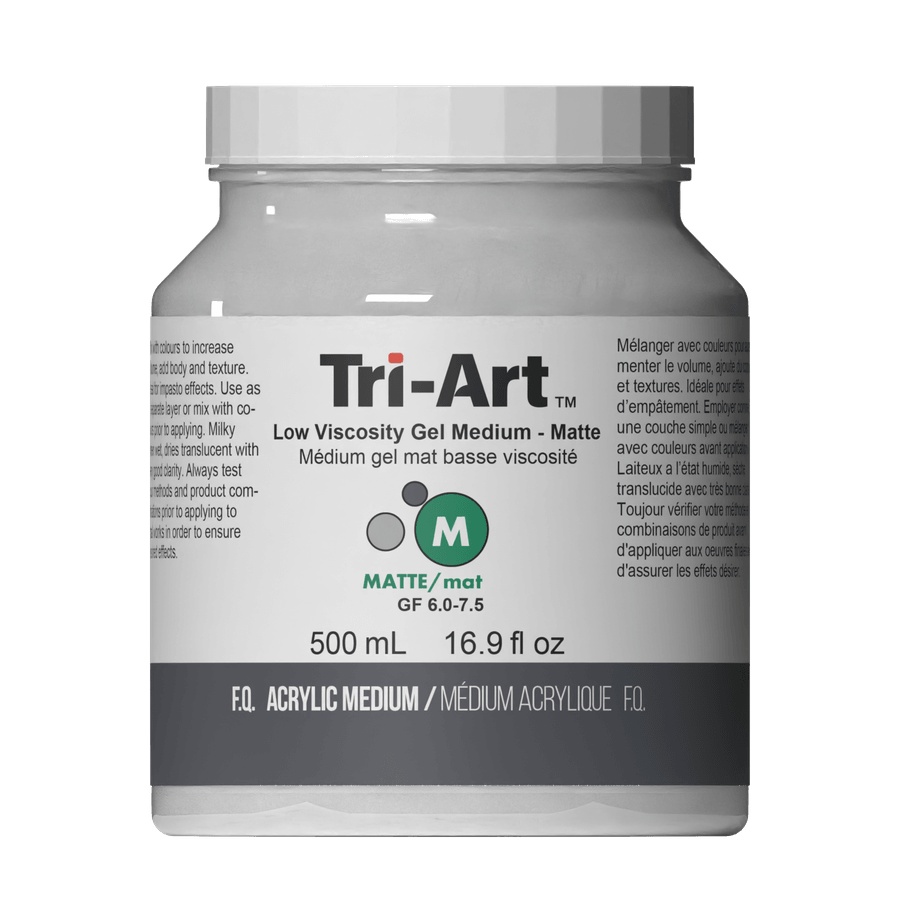
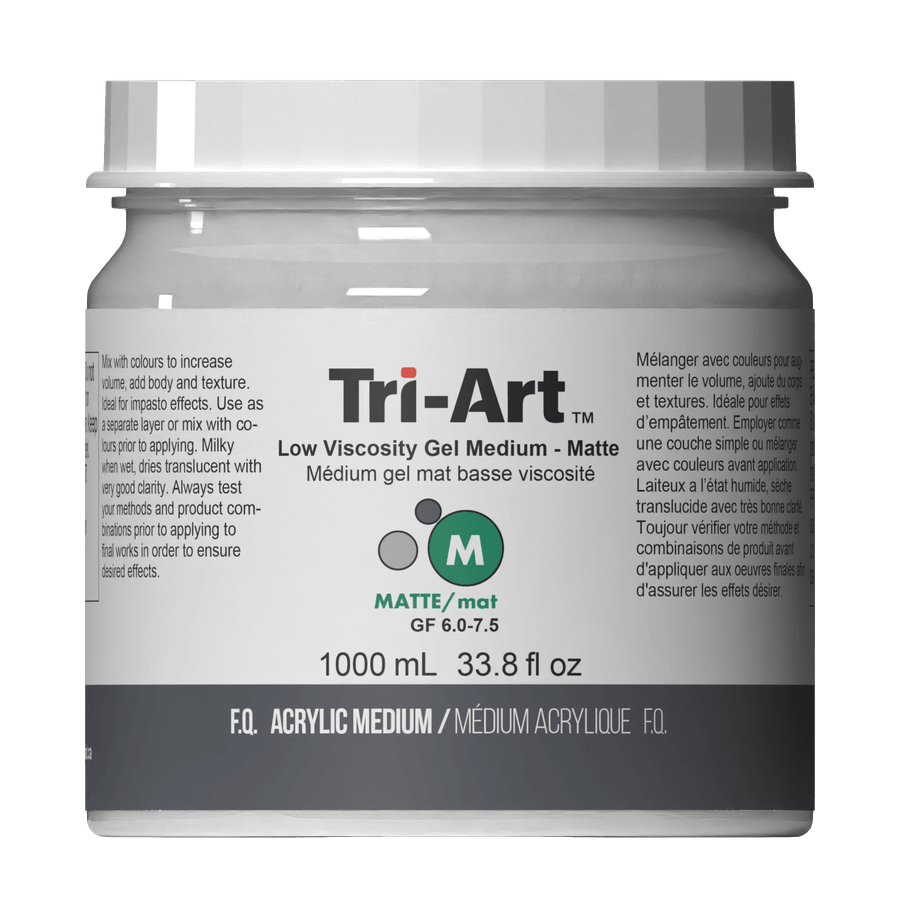
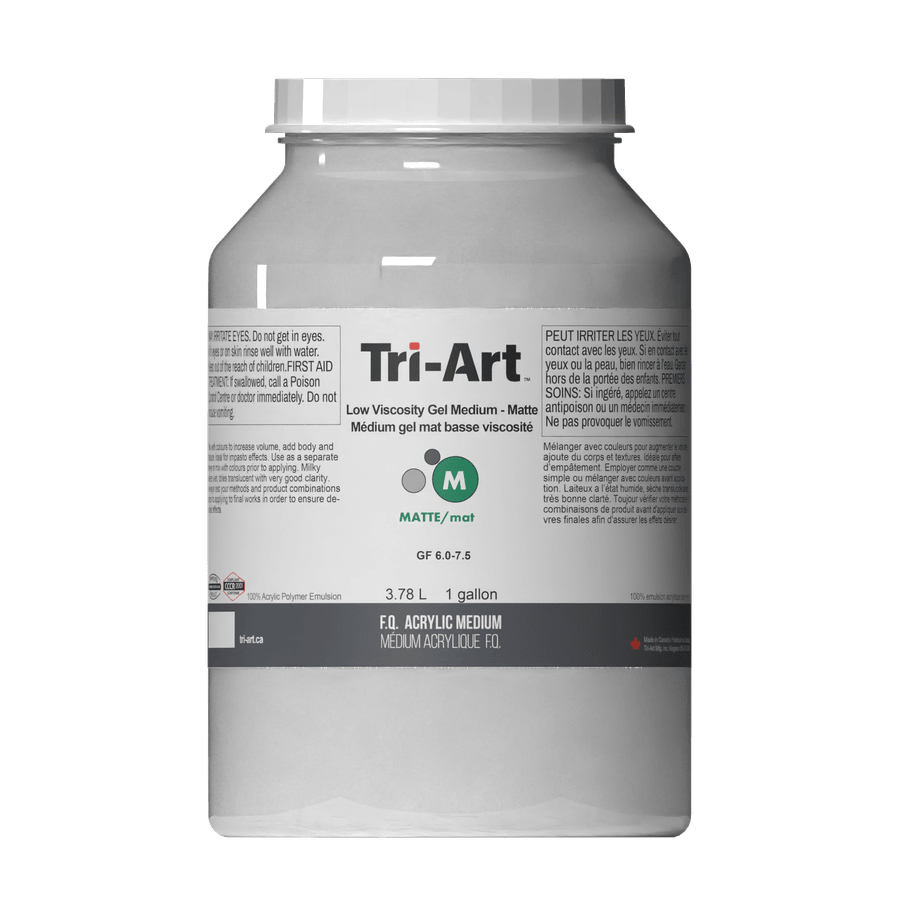
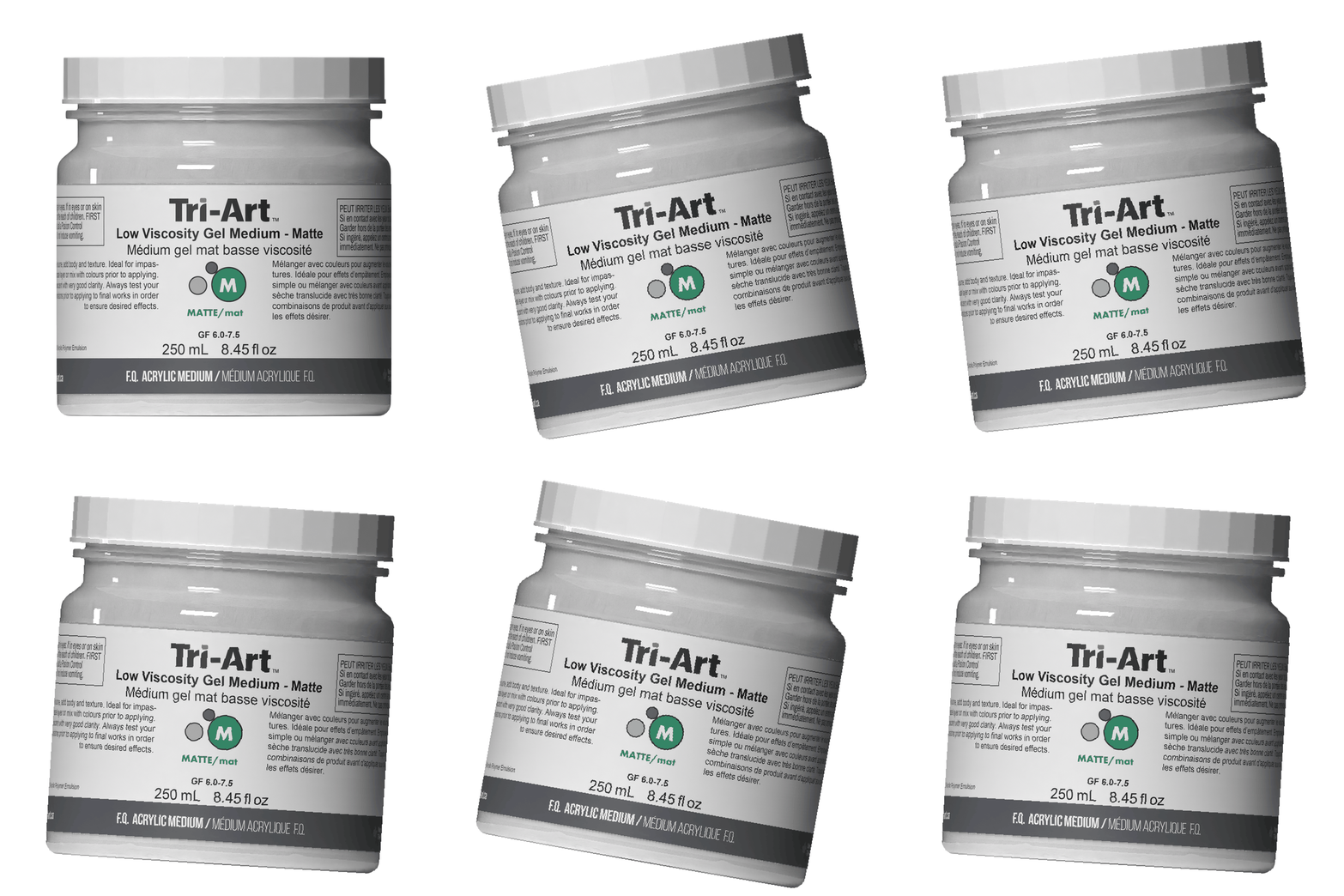
Tri-Art Mediums - Low Viscosity Gel Matte - Tri-Art Mfg.Tri-Art Mediums - Low Viscosity Gel Matte - Tri-Art Mfg.
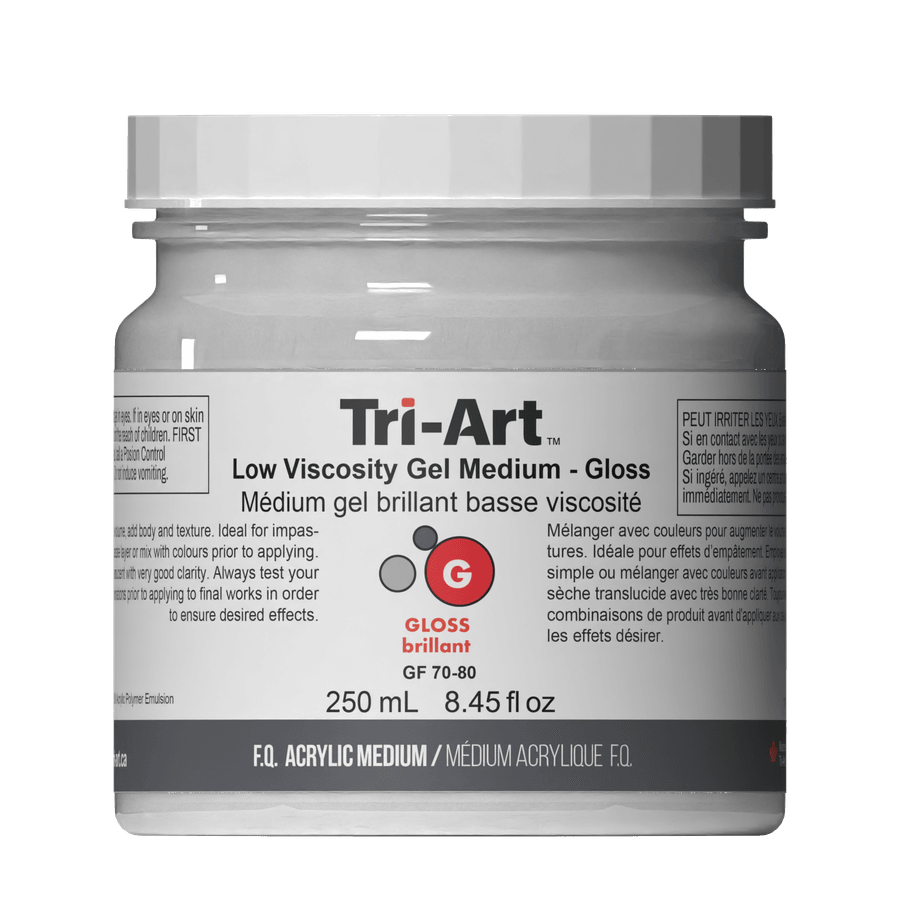
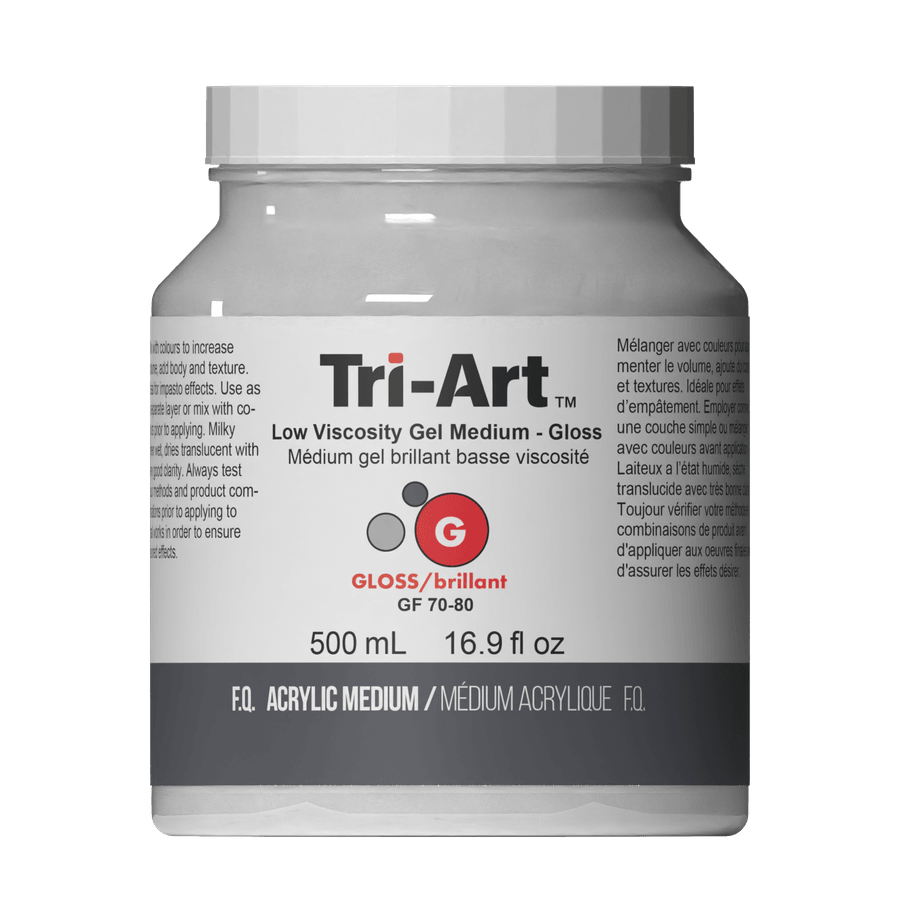
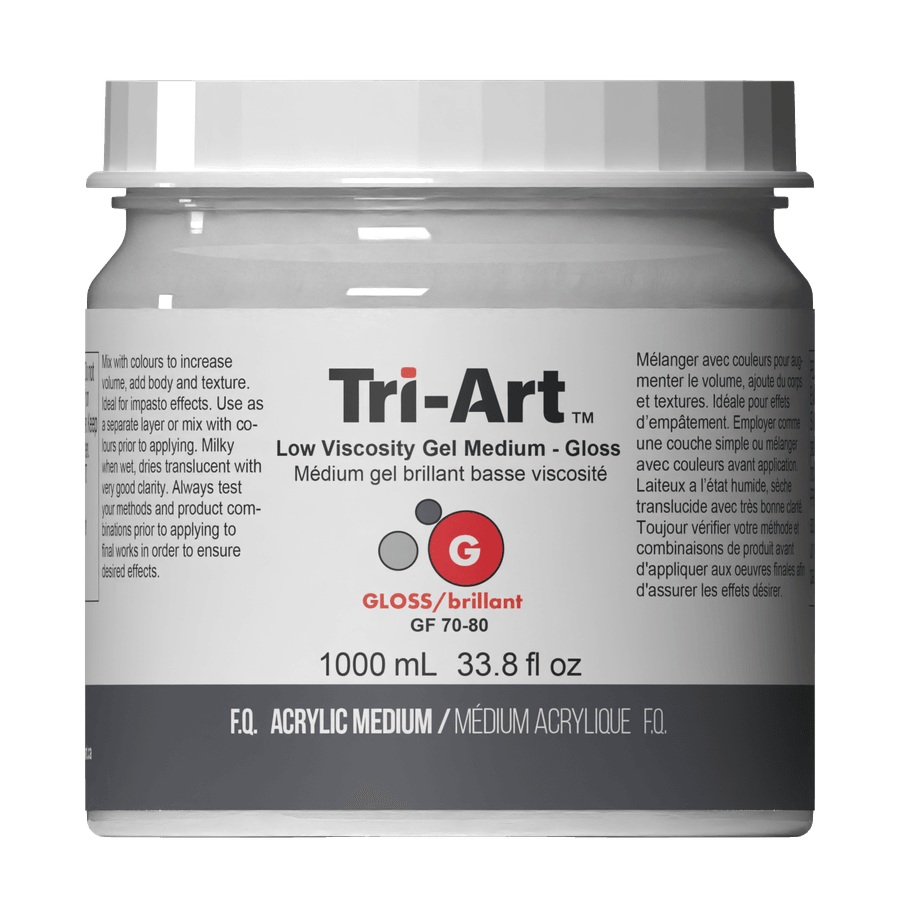
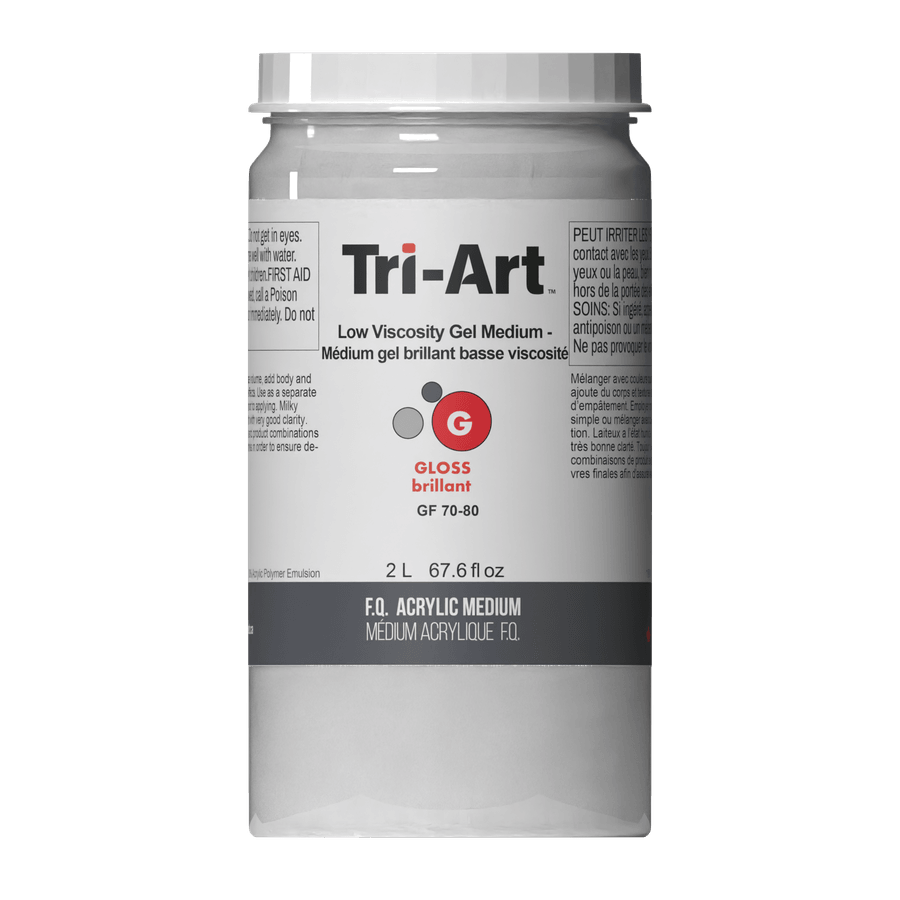
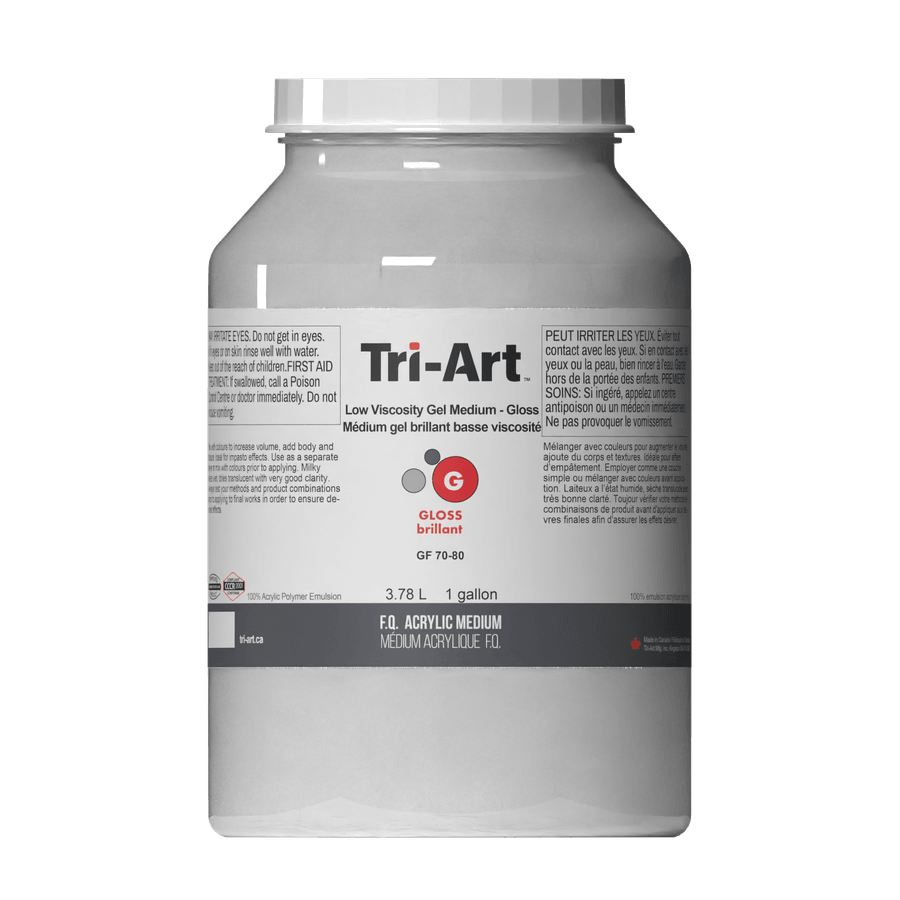
Tri-Art Mediums - Low Viscosity Gel Gloss - Tri-Art Mfg.Tri-Art Mediums - Low Viscosity Gel Gloss - Tri-Art Mfg.
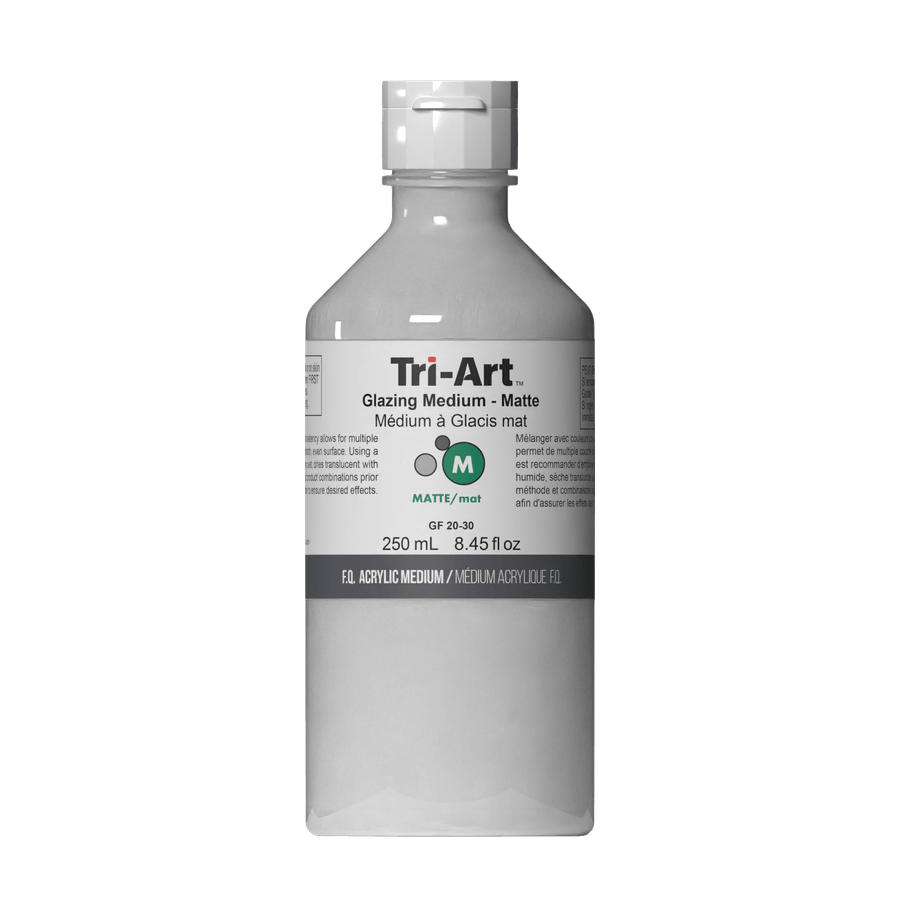
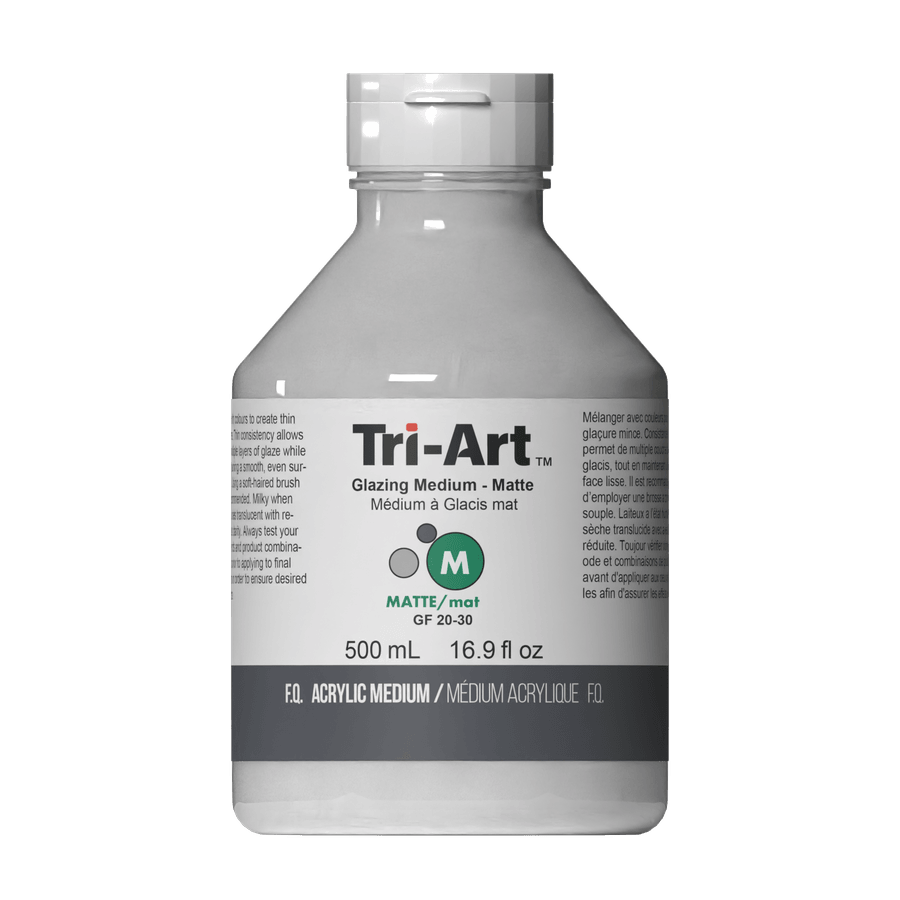
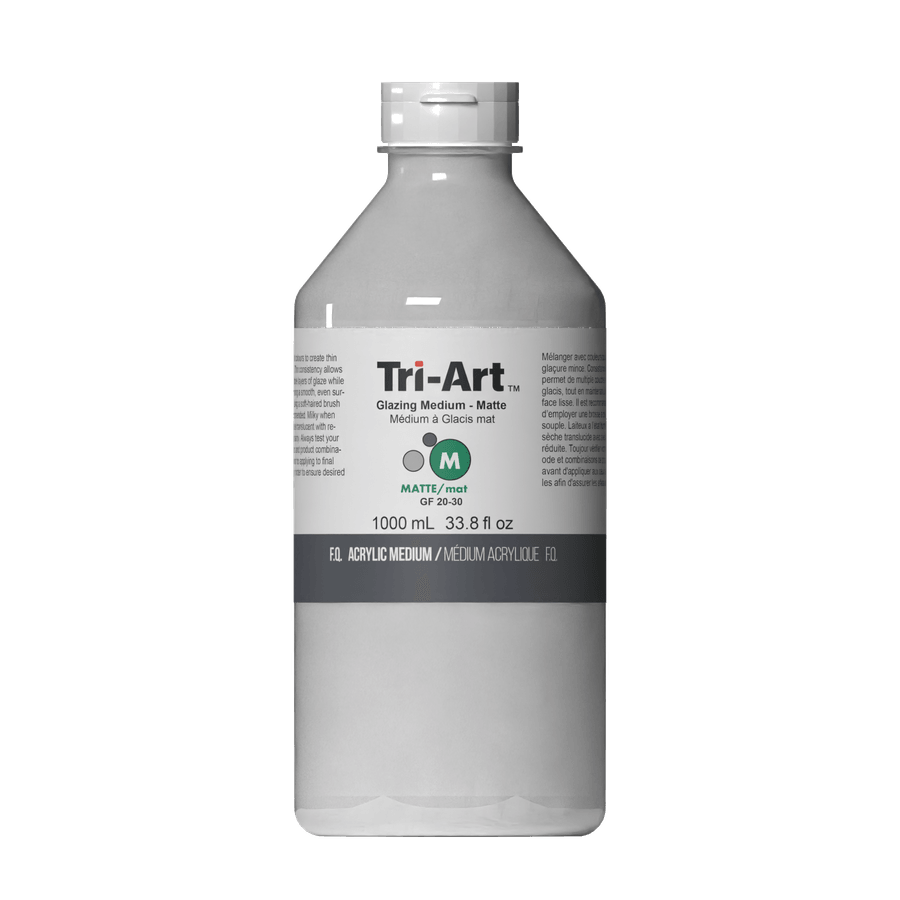
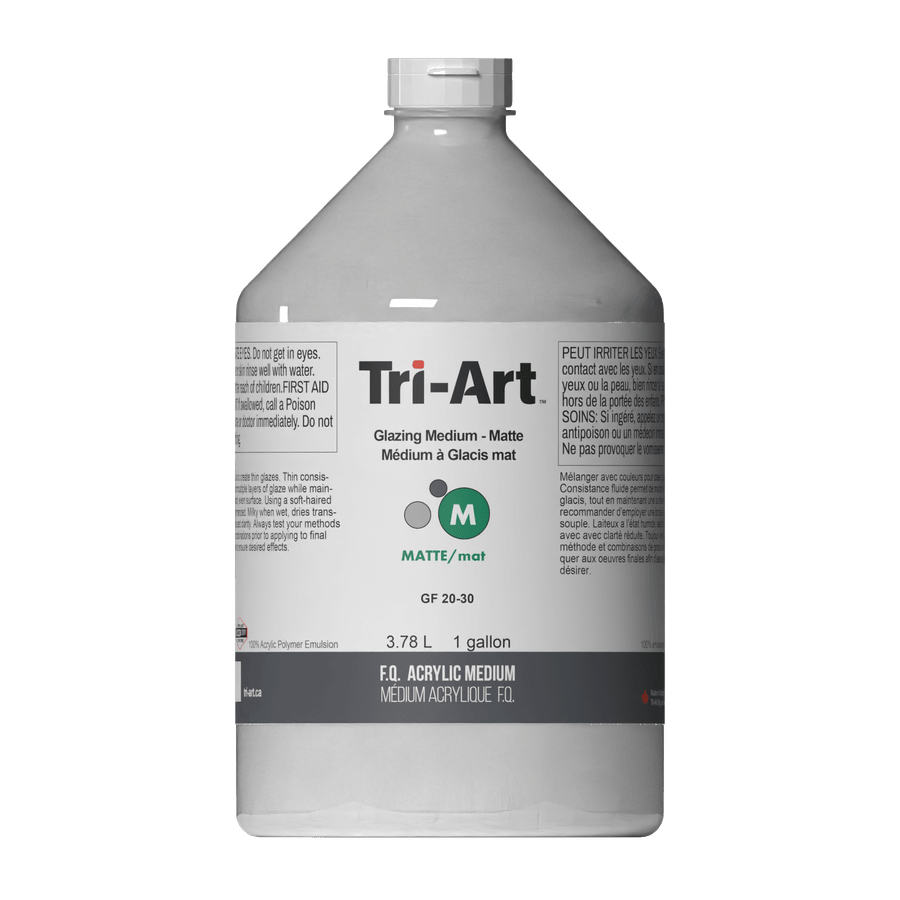
Tri-Art Mediums - Glazing Medium Matte - Tri-Art Mfg.Tri-Art Mediums - Glazing Medium Matte - Tri-Art Mfg.
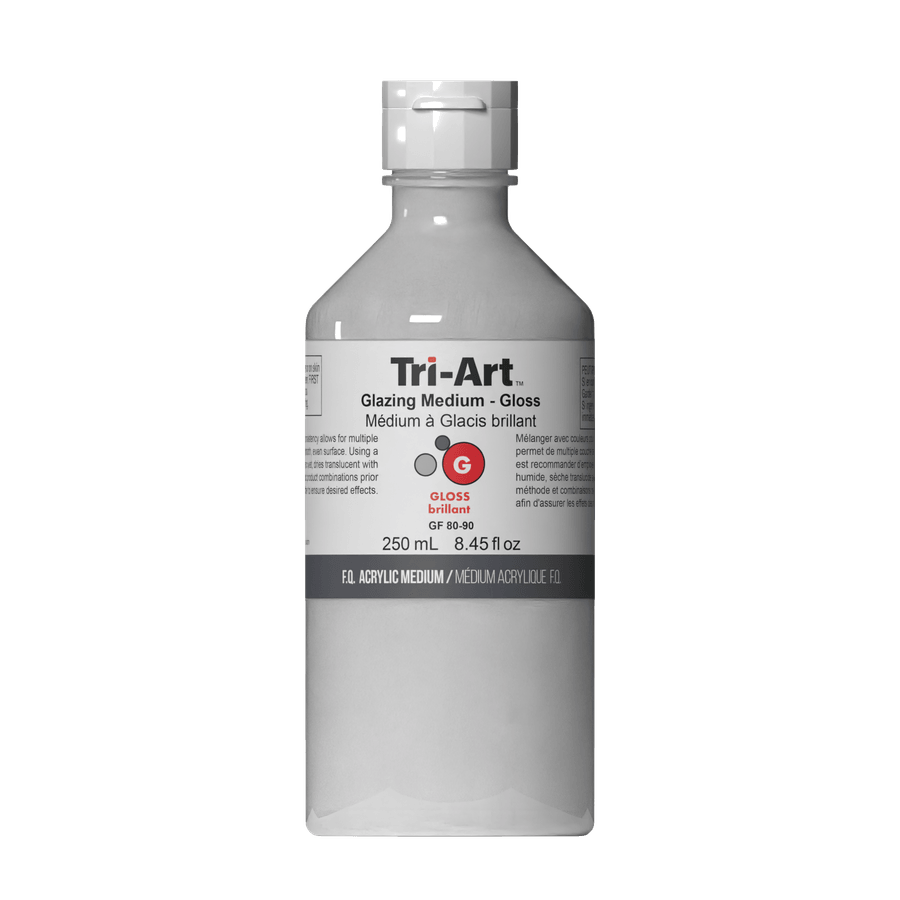
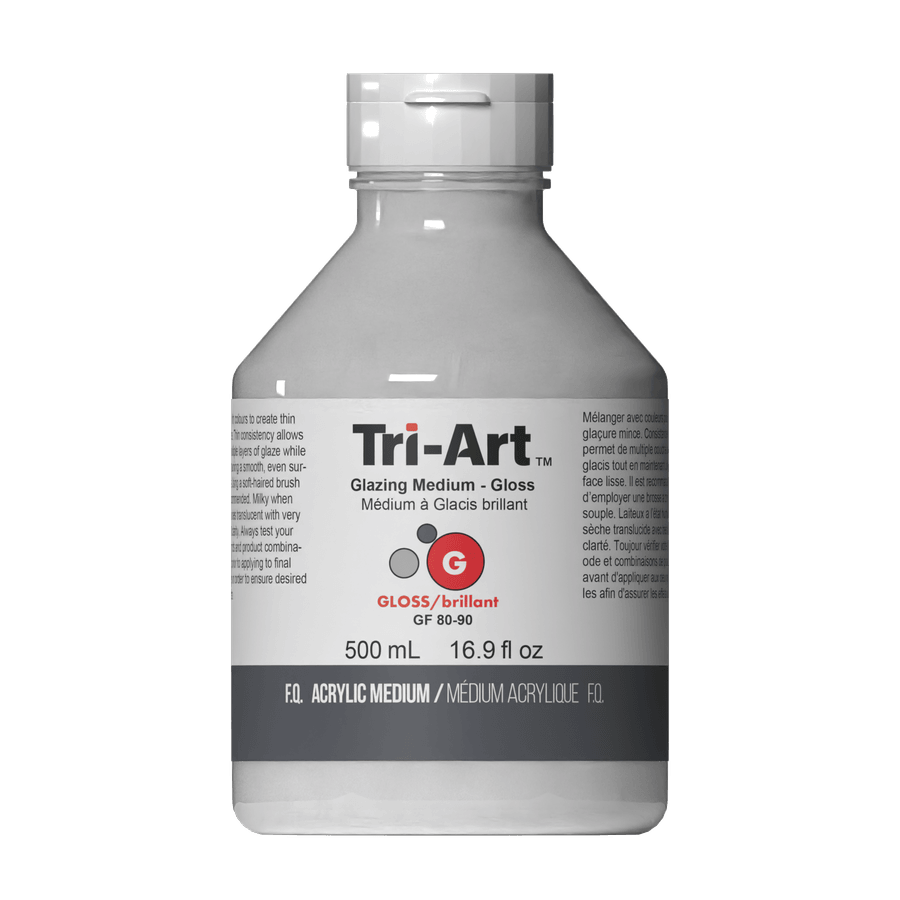
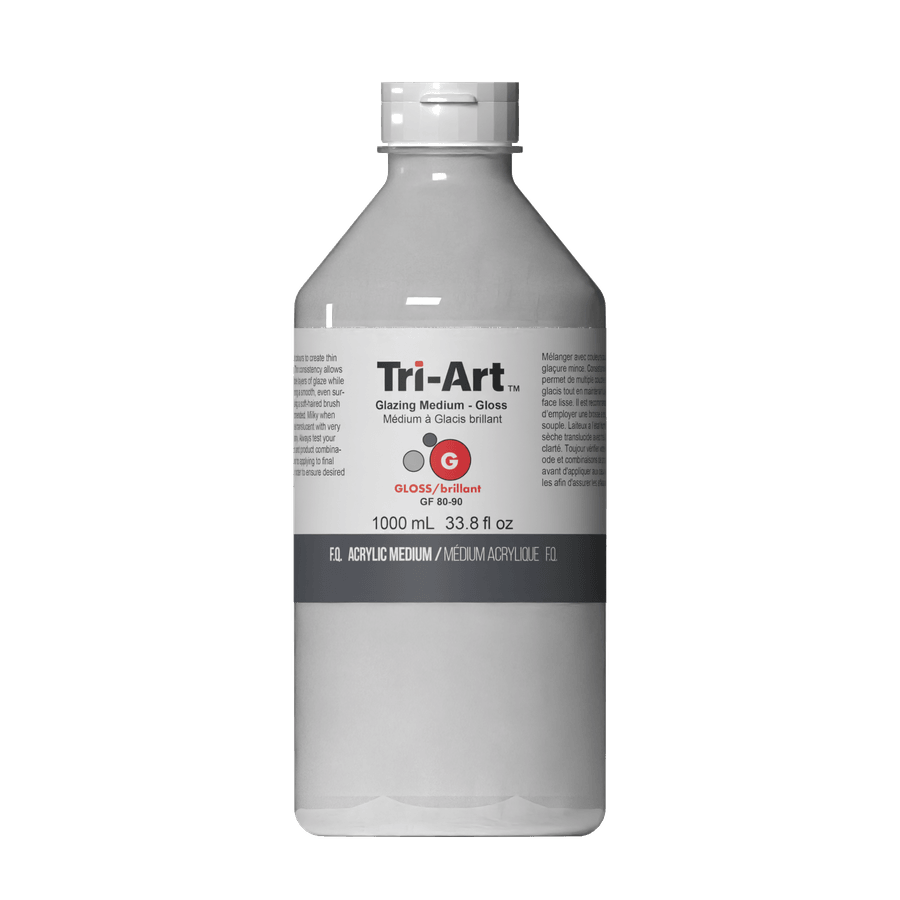
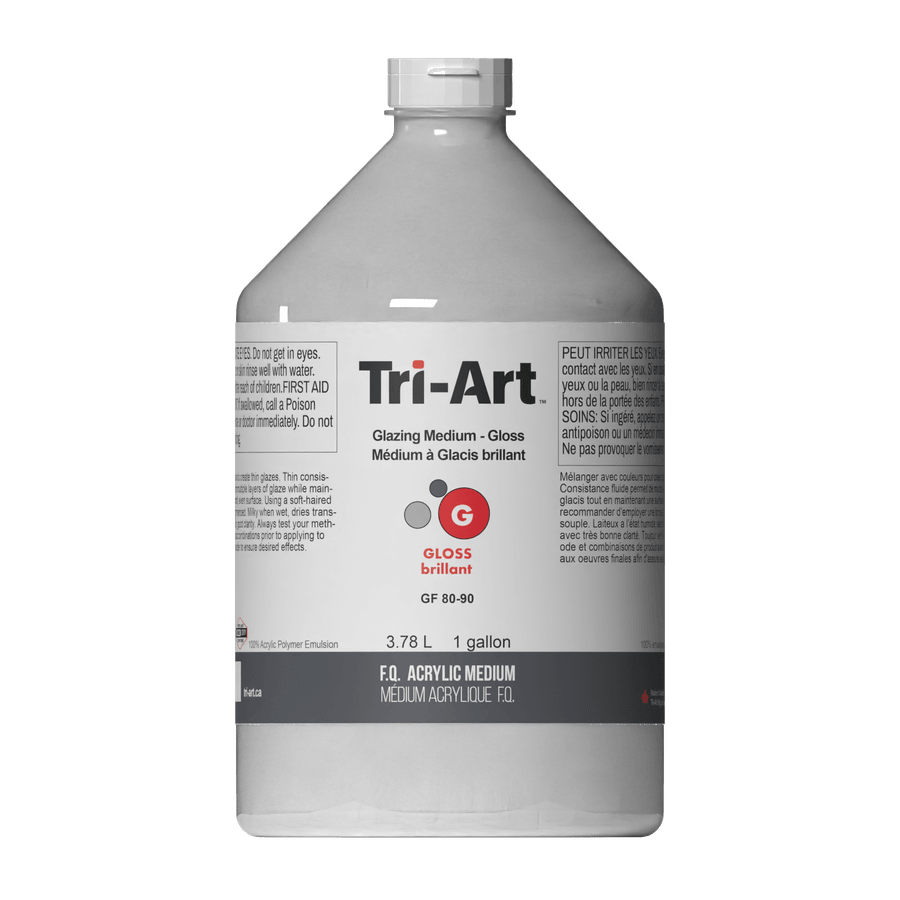
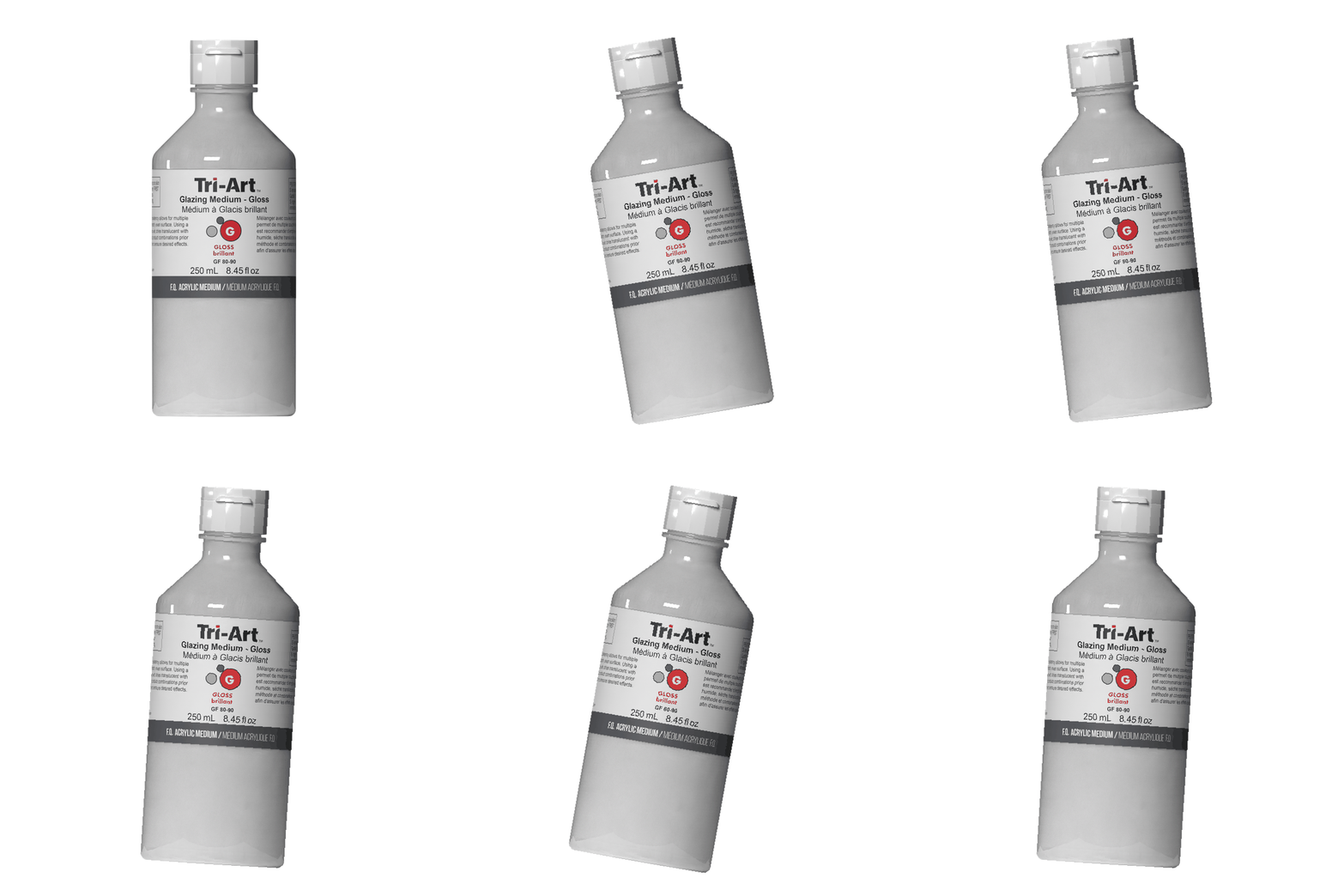
Tri-Art Mediums - Glazing Medium Gloss - Tri-Art Mfg.Tri-Art Mediums - Glazing Medium Gloss - Tri-Art Mfg.
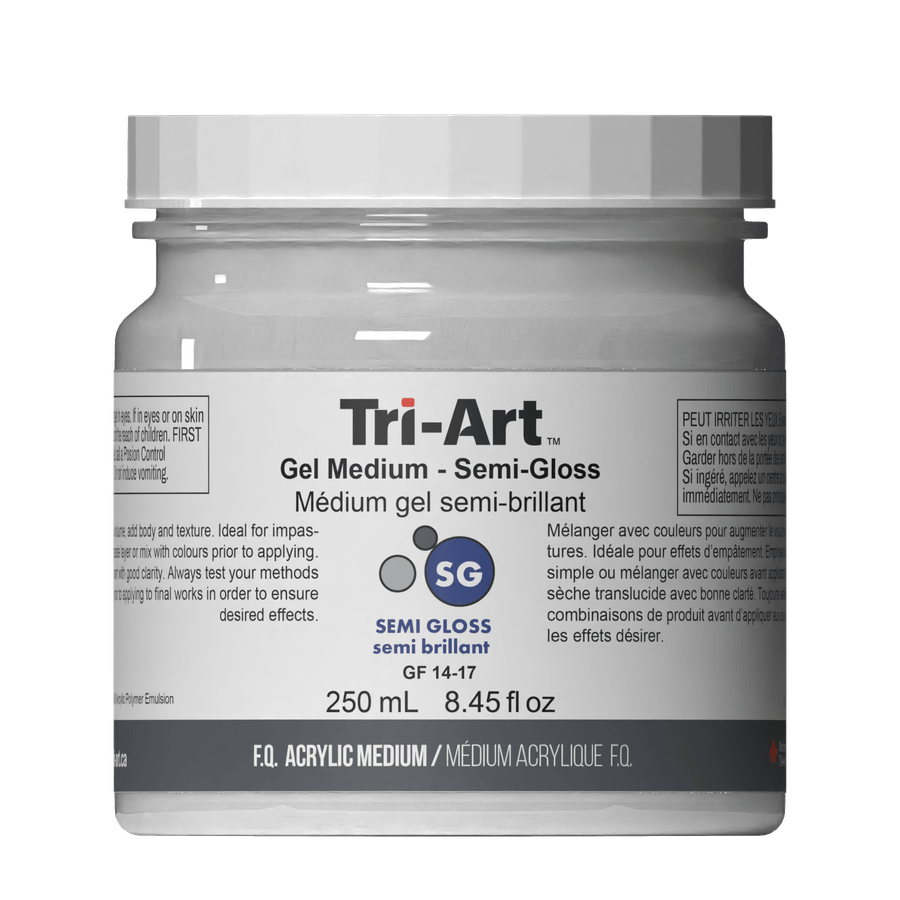
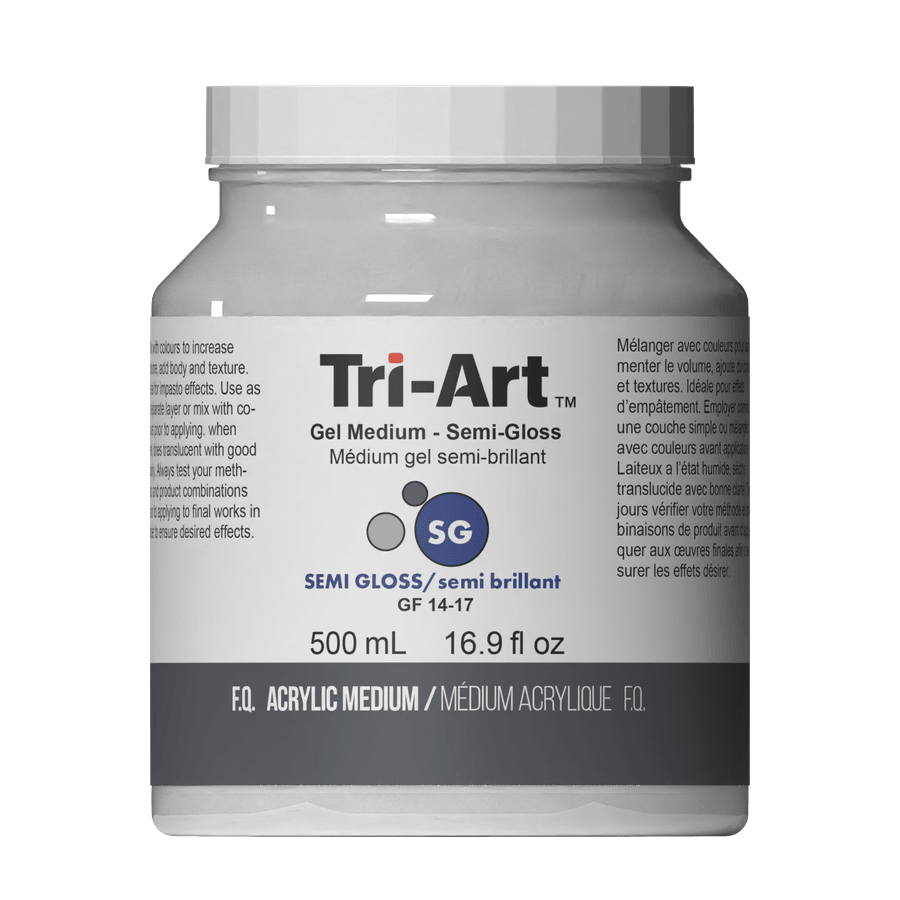
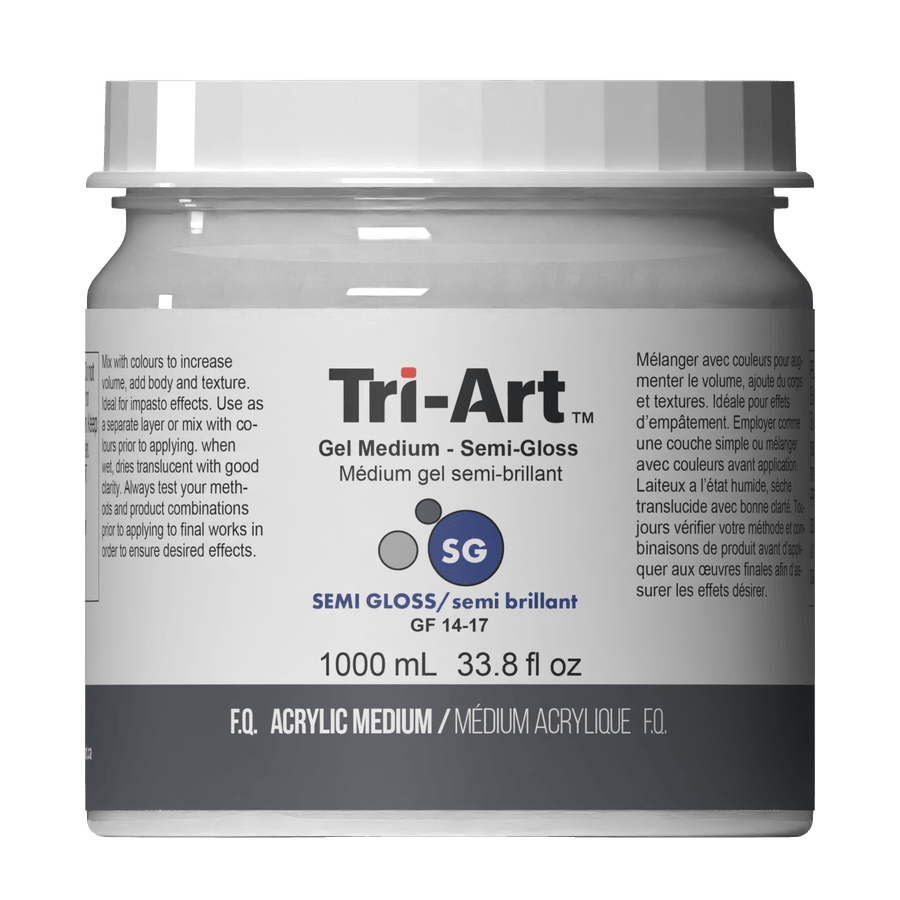
Tri-Art Mediums - Gel Medium Semi Gloss - Tri-Art Mfg.Tri-Art Mediums - Gel Medium Semi Gloss - Tri-Art Mfg.
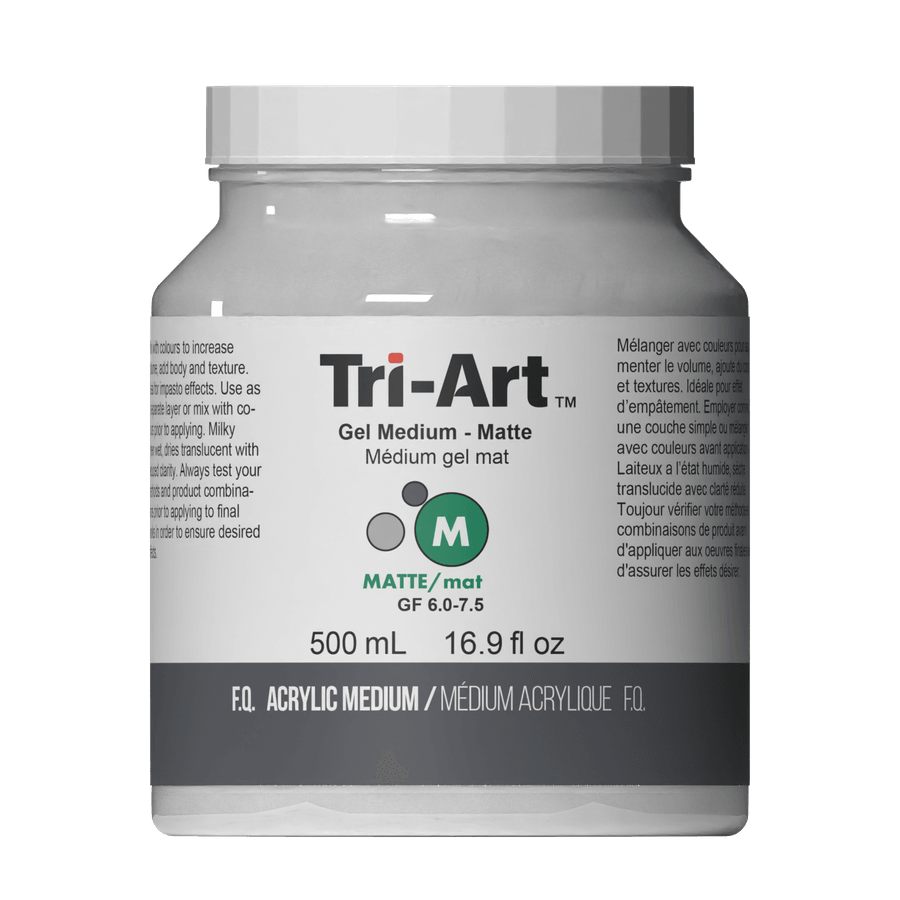
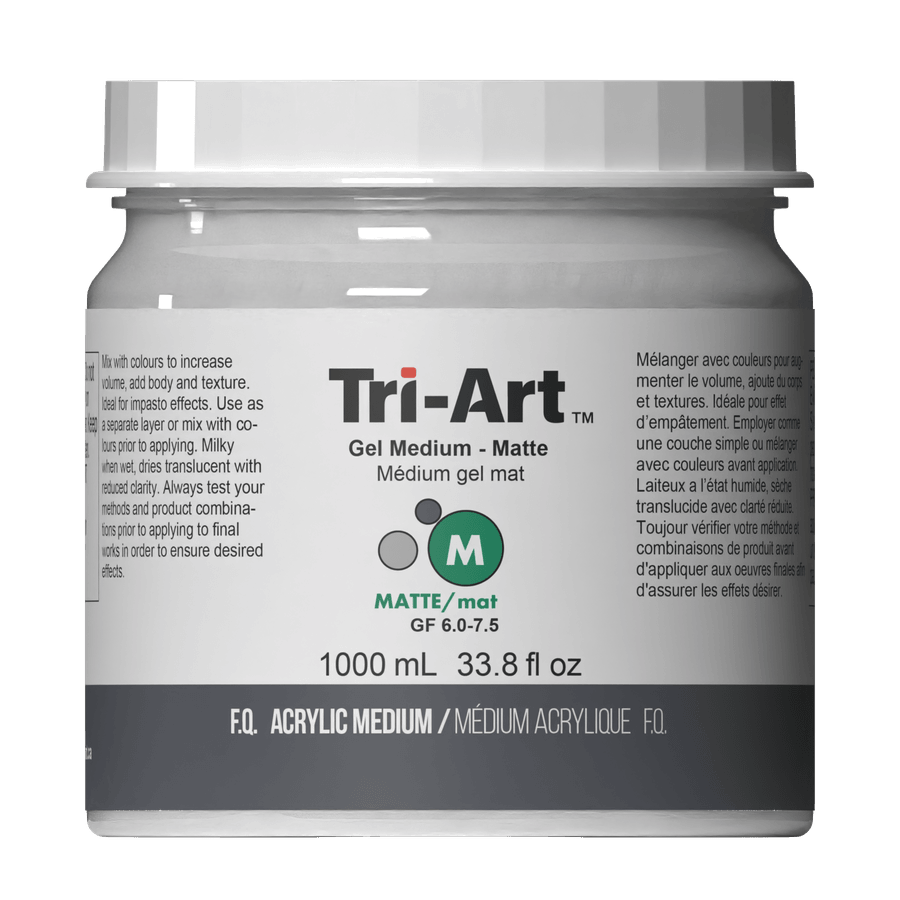
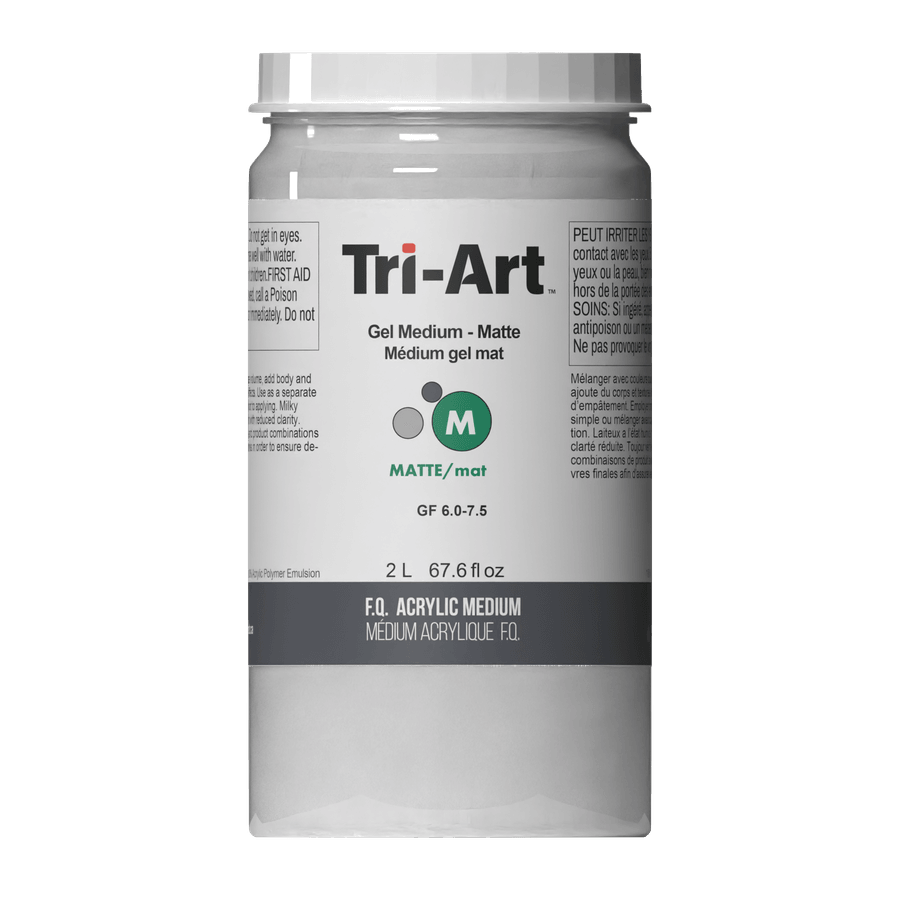
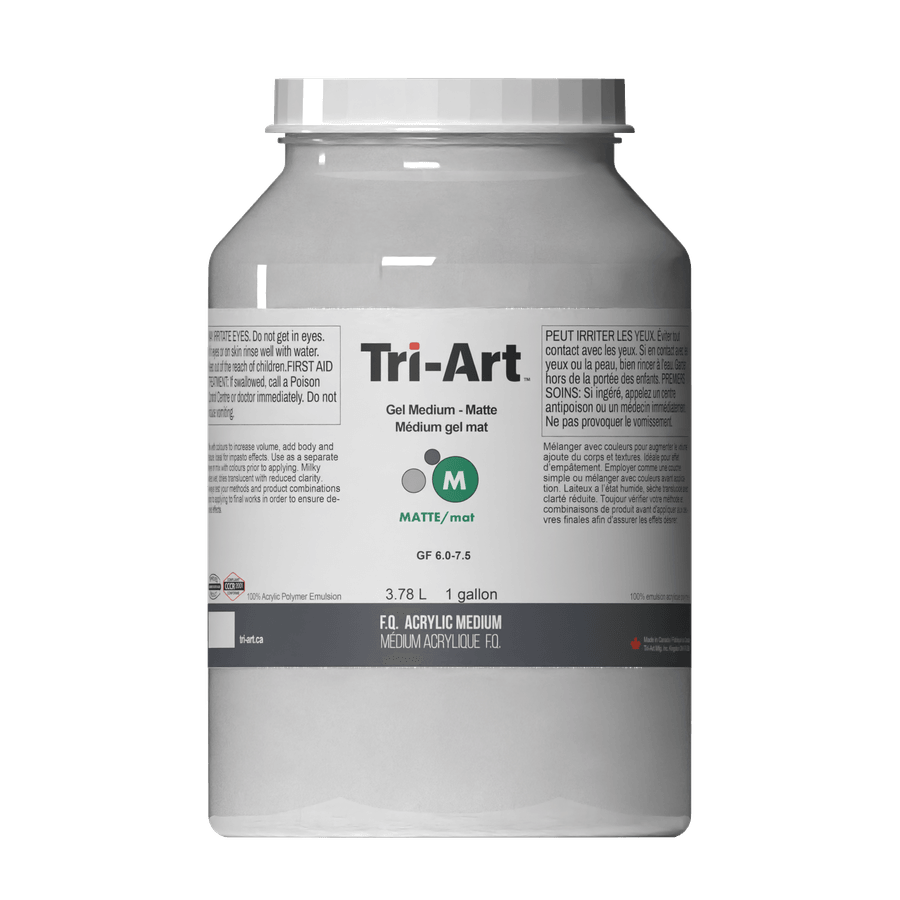
Tri-Art Mediums - Gel Medium Matte - Tri-Art Mfg.Tri-Art Mediums - Gel Medium Matte - Tri-Art Mfg.
Tri-Art Mediums - Dry Media Ground - Tri-Art Mfg.Tri-Art Mediums - Dry Media Ground - Tri-Art Mfg.
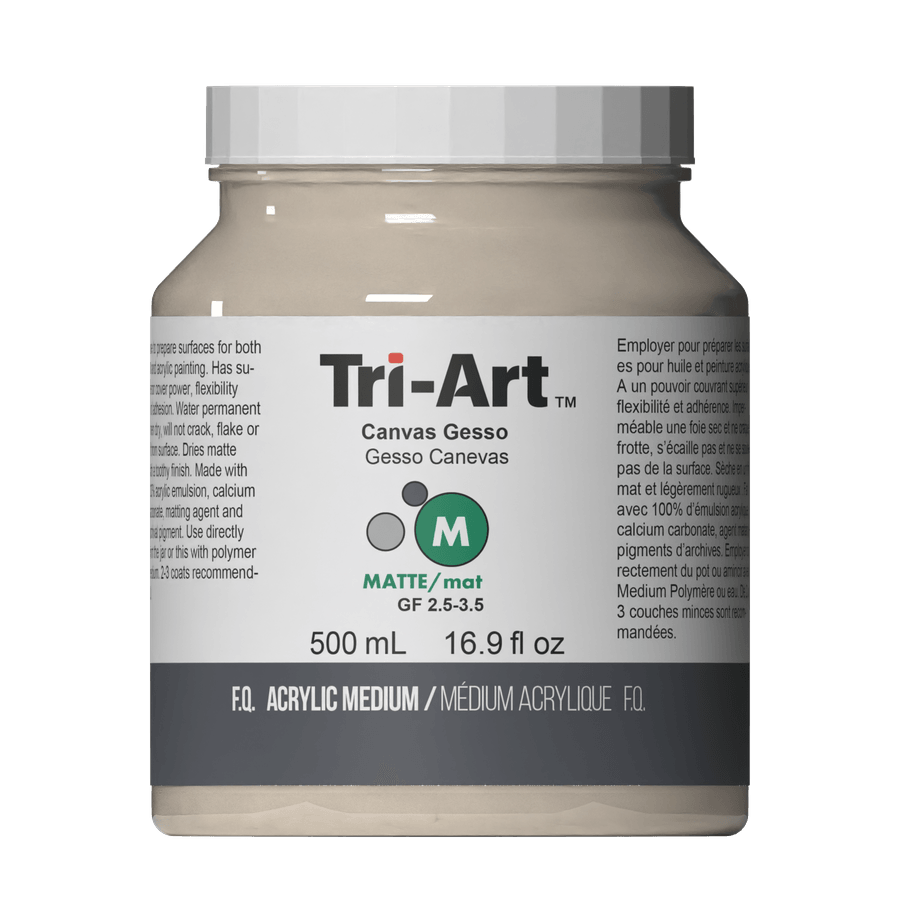
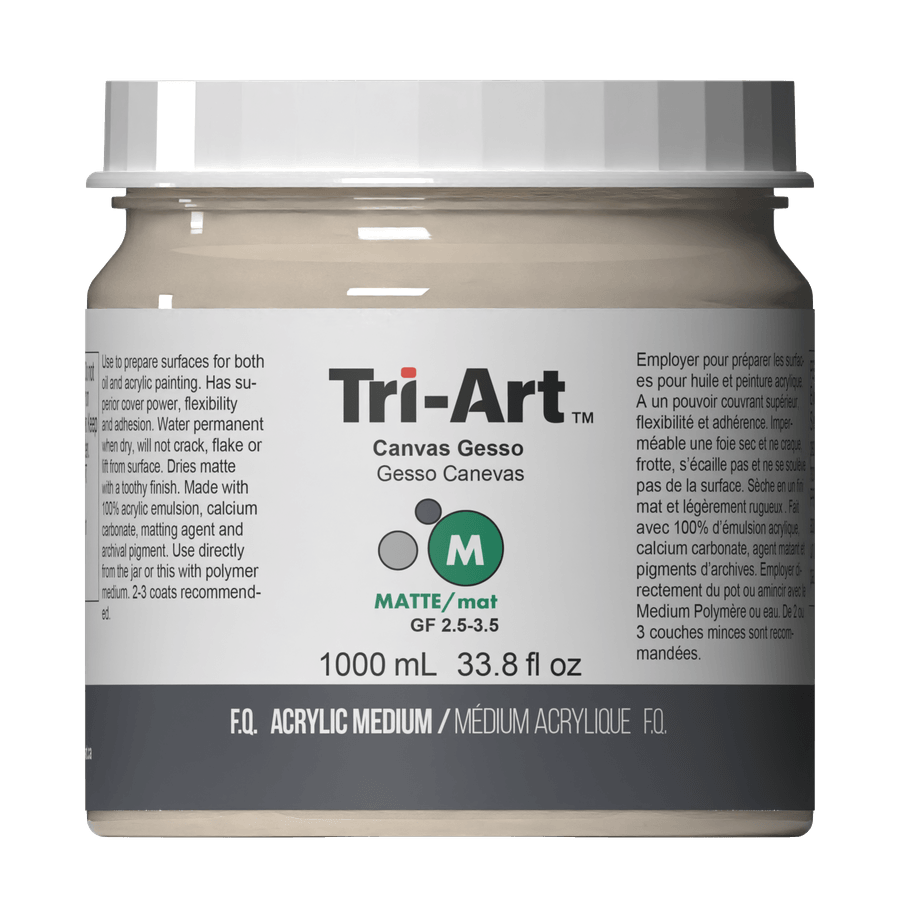
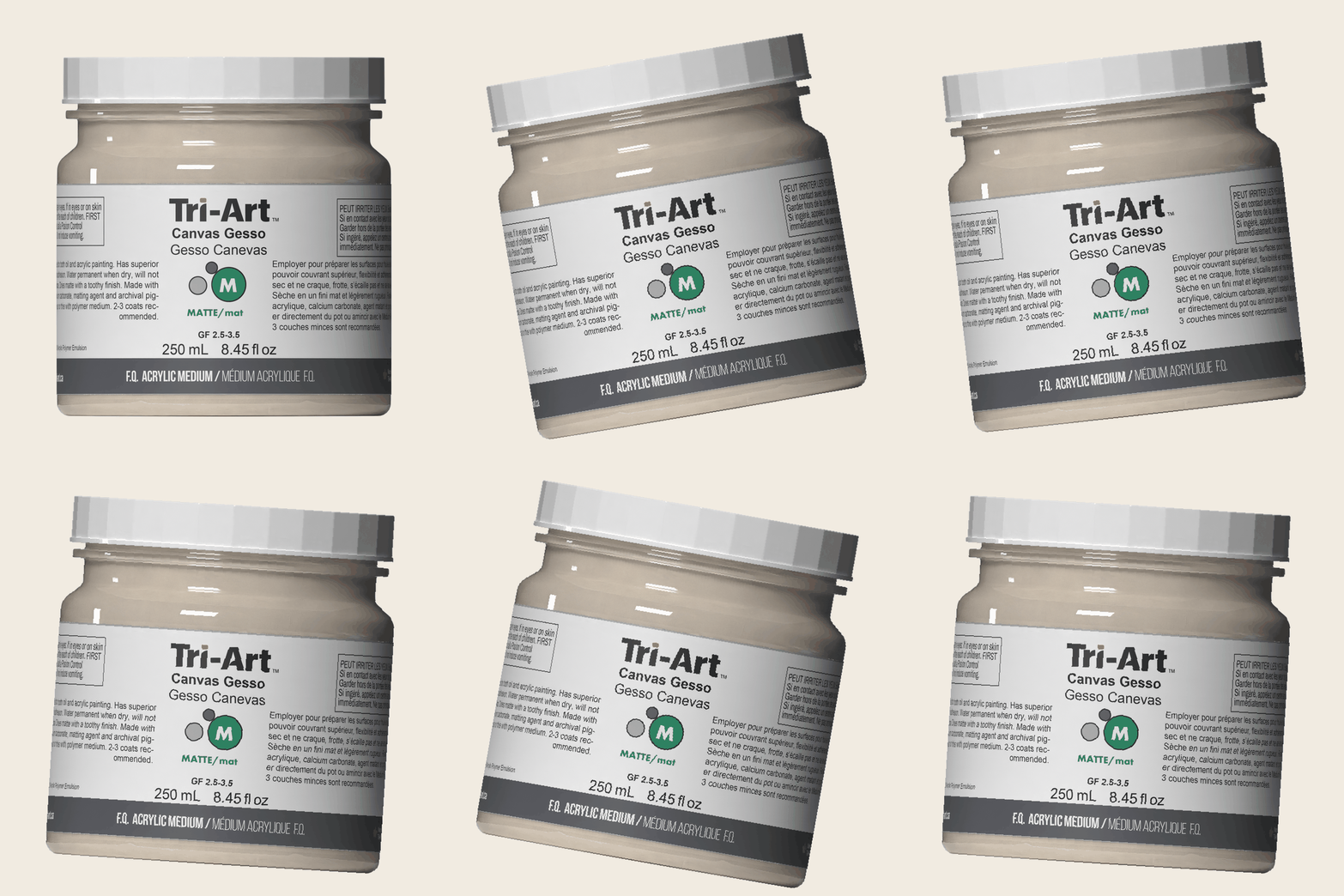
Tri-Art Mediums - Canvas Gesso - Tri-Art Mfg.Tri-Art Mediums - Canvas Gesso - Tri-Art Mfg.

Frequently asked questions

Quick answers to common questions on Tri-Art Acrylic Mediums | Gels, Texture, Gesso and Varnish. If you still need help, contact us and we’ll point you to the right option.

How do I choose the right Tri-Art medium for glazing, texture, or finishing?

If you want more body and texture, start in the “paint without pigment” family with a Tri-Art Gel Medium; if you want more flow and detail, reach for a Polymer Medium; if you want a brushstroke-minimizing final layer, look to varnishes like Final Finish or Top Coat, all found in the Tri-Art Acrylic Mediums collection. Practical tip: change only one variable at a time, mix a small amount into your colour, test it on a scrap, and let it dry fully before committing, because many mediums look different wet than dry.

What’s the difference between Tri-Art Gel Medium and Polymer Medium, and when do I use each?

Tri-Art Gel Medium is essentially high viscosity acrylic without pigment, it looks white when wet, then dries clear and flexible, and it can hold high peaks and fine texture detail, which makes it ideal for impasto glazing and extending colour without collapsing texture; Tri-Art Polymer Medium is essentially Liquid Acrylic without pigment, it will thin thick-format paint, increase flow, and is especially useful for controlled brushwork and detail. Practical tip: if you are losing crisp texture, you probably want more gel; if your paint is dragging and you want smoother strokes, add polymer medium in small increments until the brushwork relaxes, then stop before it gets too runny.

How can I make thick, level glazes or “string-like” lines without brushstrokes?

Use a self-leveling medium meant for that job, Tri-Art Self Leveling Gel is described as ideal for thick, level glazes or string-like extrusions without brushstrokes, and it is very slow drying, so you get time for it to settle. Practical tip: apply it with a spreading tool (not a scrubbing brush), lay it down once, then leave it alone so it can level, overworking reintroduces texture.

Why did my “clear” texture medium dry cloudy, and how do I control clarity in thick texture?

Some “clear” texture builders are designed to dry matte and semi-opaque in thicker films, for example Tri-Art Modeling Paste Clear is described as drying semi-opaque and matte, while Gel Mediums are described as drying to a clear, flexible film even in thick coats. Practical tip: if you want maximum clarity, build texture with clear-drying gels and keep each layer thinner; if you want a matte, chalky, body-building underlayer you can carve or sand later, modeling paste clear is the right tool, just plan for its dry appearance.

How do I use Crackle Ground successfully without unintended cracking or lifting later?

Tri-Art’s own guidance is that Crackle Ground is brittle and generally unsuited to flexible supports like stretched canvas, so start on a solid, inflexible support, prime first with an artist-quality acrylic gesso, then spread Crackle Ground with a palette knife to an even thickness so the crack pattern forms predictably. Practical tips from Tri-Art: you can dilute Crackle Ground up to 20% water by volume to encourage a finer pattern, avoid going thicker than about 1/16 inch, and give thicker applications several days to develop full adhesion before you paint or seal the surface; the full method is laid out in Tri-Art’s Crackle Ground education article.

How do I add a granular texture or toothy ground for mixed media without losing adhesion?

For an intentionally granular feel, Tri-Art Nepheline Gels are described as semi-transparent mediums used to create granular textures, and they mix easily with Tri-Art acrylic colours and mediums while keeping the flexibility and adhesive qualities of the gel family, which makes them useful for textured grounds and mixed media. Practical tip: apply a thin “tooth” layer first, let it dry, then glaze or scumble colour over the top so pigment catches the high points, or mix colour directly into the gel for a tinted, gritty paste.

Do I need gesso, and what’s the best Tri-Art way to apply it?

Tri-Art describes its gesso as a pH-neutral ground suitable for both acrylic and oil paints, and recommends applying 2 to 3 water-diluted coats, which is a practical approach when you want good sealing and an even paint response. Practical tip: use a slightly diluted first coat to help it flow and seal, let it dry fully, add one or two more coats for uniformity, and if you want a smoother painting surface, lightly sand between coats once dry.

Final Finish vs Top Coat (Hard or Soft), how do I pick, and how do I avoid streaks?

Tri-Art frames these as different finishing outcomes: Final Finish is a self-leveling polymer designed to unify the lustre of a finished painting and is applied in thin coats with about 12 hours between coats, while Top Coat Hard is intended for rigid surfaces, can be brushed, poured, or sprayed, but should be built in thin layers with 12 to 24 hours between coats and is not recommended for flexible, pre-gessoed substrates; Top Coat Soft is positioned for flexible surfaces. Practical tip: whichever you choose, apply thin, even coats, use a larger soft brush for fewer passes when brushing, stir before use, and if you see streaks, stop overworking and let the coat level and cure before deciding whether you need another.

Discover a new product line.

Pick your paint body, then round out your toolkit with a simple palette and the right mediums.

  1. Choose body: thick for texture, fluid for pours and glazing, medium for everyday painting.
  2. Start small: pick a limited palette and add colours as you discover what you reach for.
  3. Match your surface: use a suitable ground, then tune sheen and flow with mediums.

Common questions

Why should I choose Tri-Art High Viscosity?

Choose it when you want thick, responsive paint that carries strong colour and holds brush or knife marks with authority.

What is unique about Tri-Art Liquids?

Tri-Art Liquids are highly pigmented, with high acrylic resin content and a lotion-like body that can be thinned with water or thickened with gel medium “without compromising its quality.”

Tri-Art Low Viscosity is a Professional paint, will it work for me?

Yes if your work relies on flow, layering thin films, crisp lines, staining and wash effects, or reducing texture without losing professional-grade colour behaviour.

Free shipping

Free Canadian shipping and returns - customs and duties taxes included