Synonyms: professional oil paint, artist oil colours, oil paint tubes, thick bodied oil paint, sunflower oil oil paint, high pigment oil paint, contemporary oil colours, iridescent oil paint, interference oil colours, palette knife oil paint, oil painting colours, Canadian oil paint

Tri-Art Oil Colours | Thick-Bodied Professional Oil Paint

Creamy, thick-bodied oils for brilliant colour and confident brushwork

Thick-bodied handling for brushmarks and palette knife textures

Refined sunflower oil vehicle for clean, pure colour mixtures

Traditional and modern pigments, including interference and iridescent options

Quick Points on Tri-Art Oil Colours | Thick-Bodied Professional Oil Paint

  • For crisp brushwork, start straight from the tube and add as little as possible until you know what the paint wants to do
  • For leaner early layers (general oil painting principle), keep paint films thinner and reserve richer passages for later layers
  • To thin oil colours and clean tools, use Tri-Art Odourless Solvent sparingly, then finish cleanup with soap and water
  • If you want faster set-up without sacrificing all the body, mix in a small touch of Tri-Art Alkyd Gel
  • Use the label opacity info to plan coverage vs glazing, opaque for blocking-in, transparent for optical layering

Tri-Art Oil Colours are rich, thick-bodied professional oils made with refined sunflower oil for clean, clear mixes. Build everything from classic earths to modern interference and iridescent effects.

Filters

Filters

$
to
$
85 products
Sort by
Sort by
Tri-Art Oils - Eco Cold Wax Safflower - 120mL - Tri-Art Mfg.
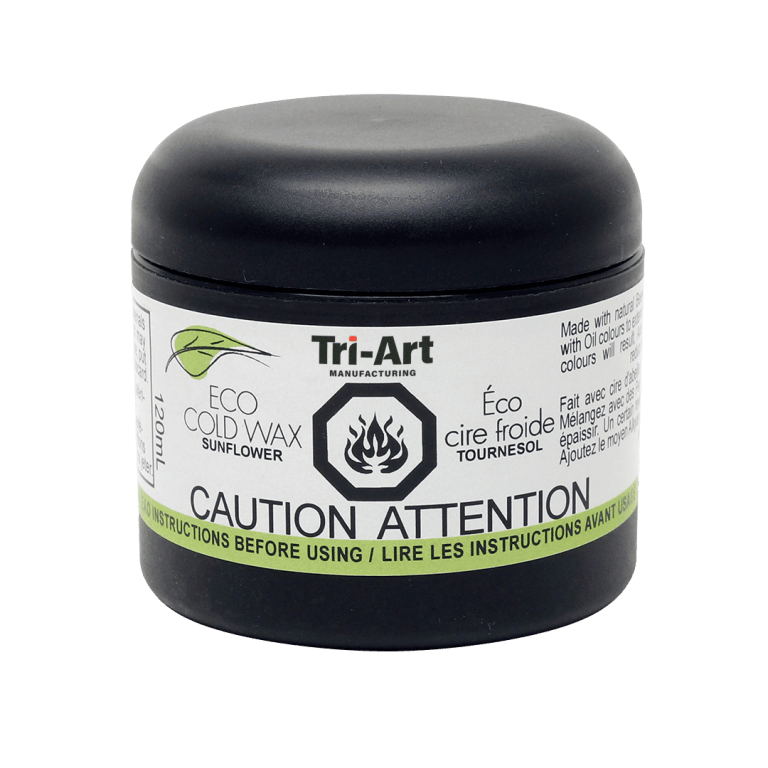
Tri-Art Oils - Eco Cold Wax Sunflower - 120mL - Tri-Art Mfg.
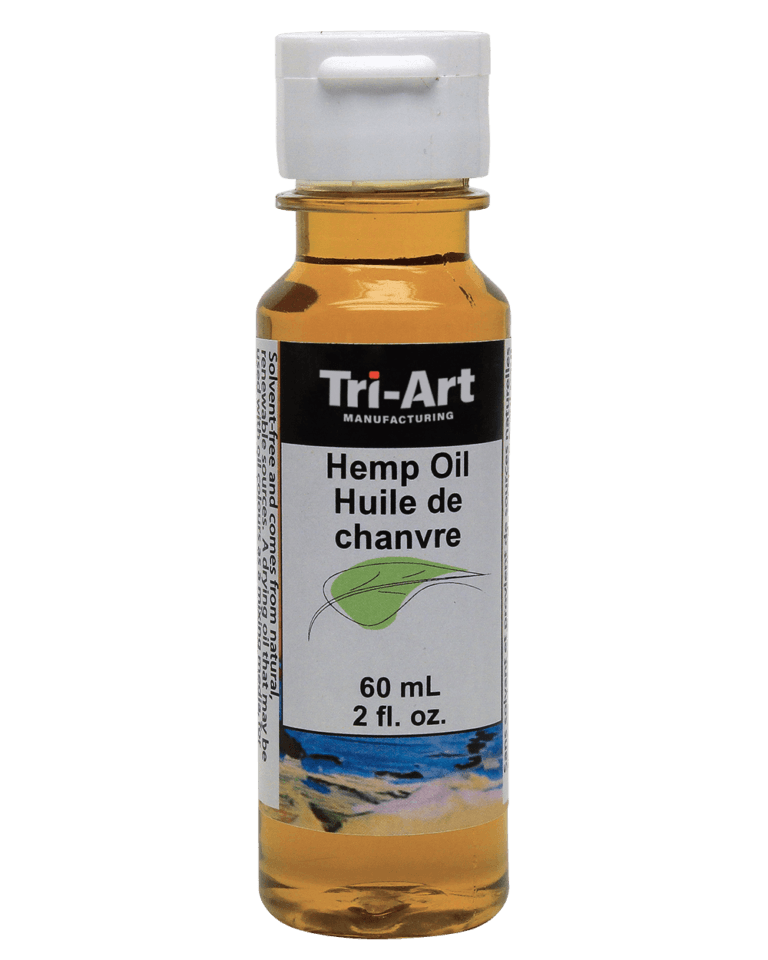
Tri-Art Oils - Hemp Oil - Tri-Art Mfg.
Tri-Art Oils - Hemp Oil
Sale priceFrom $11.45 CAD
No reviews
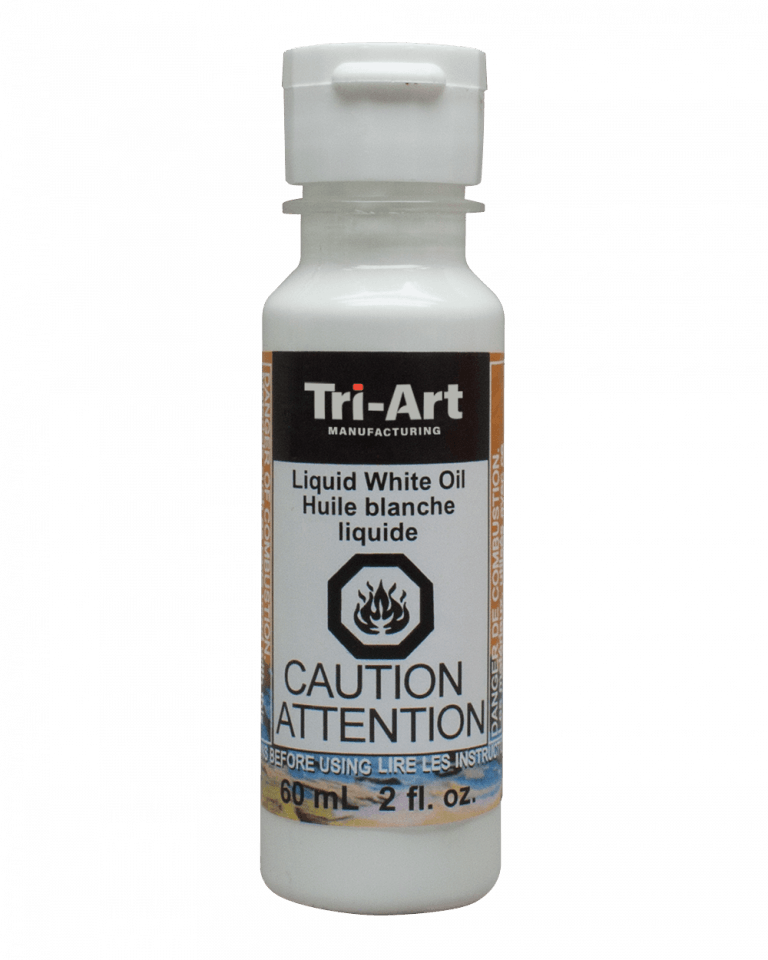
Tri-Art Oils - Liquid White Oil - Tri-Art Mfg.
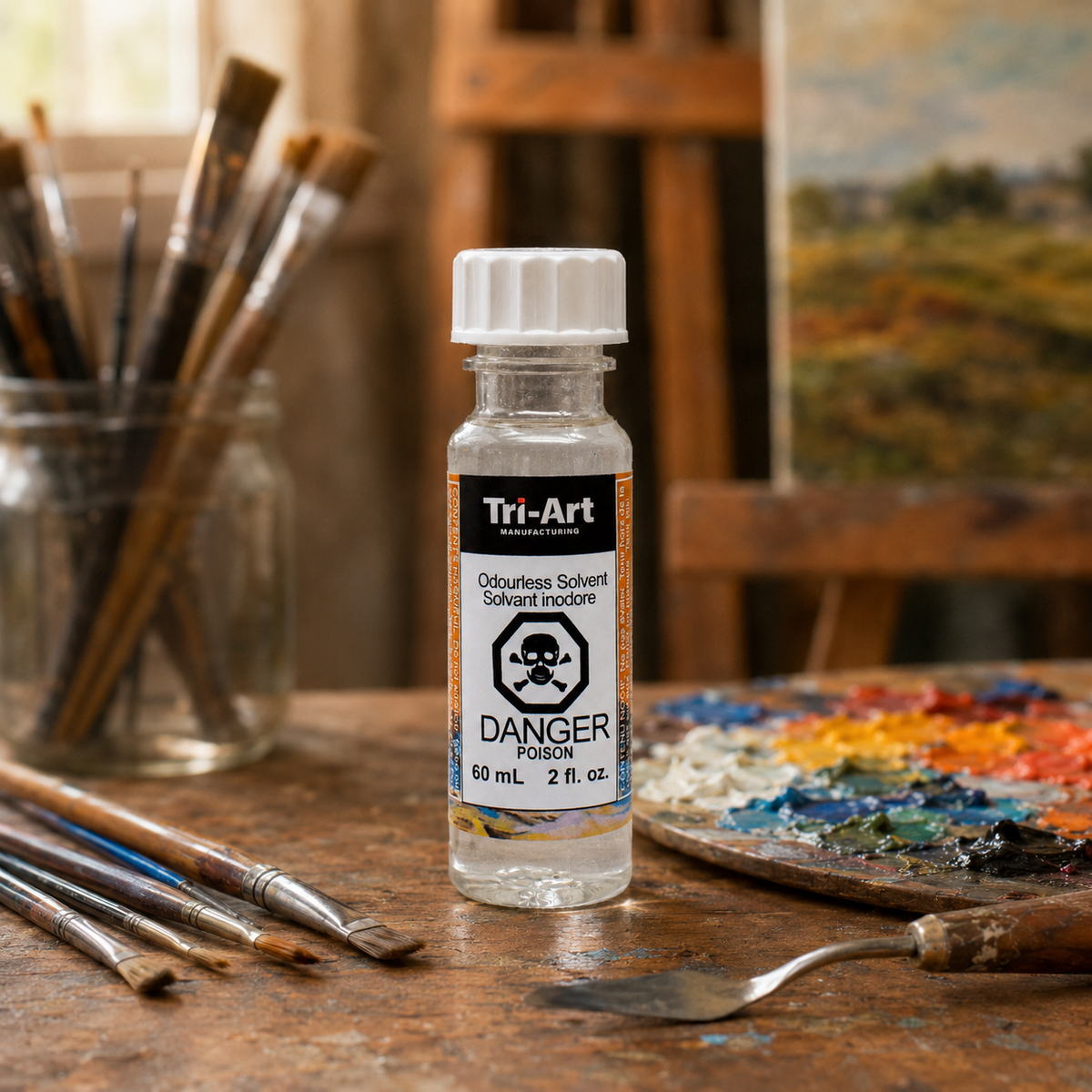
Tri-Art Oils - Odourless Solvent - Tri-Art Mfg.
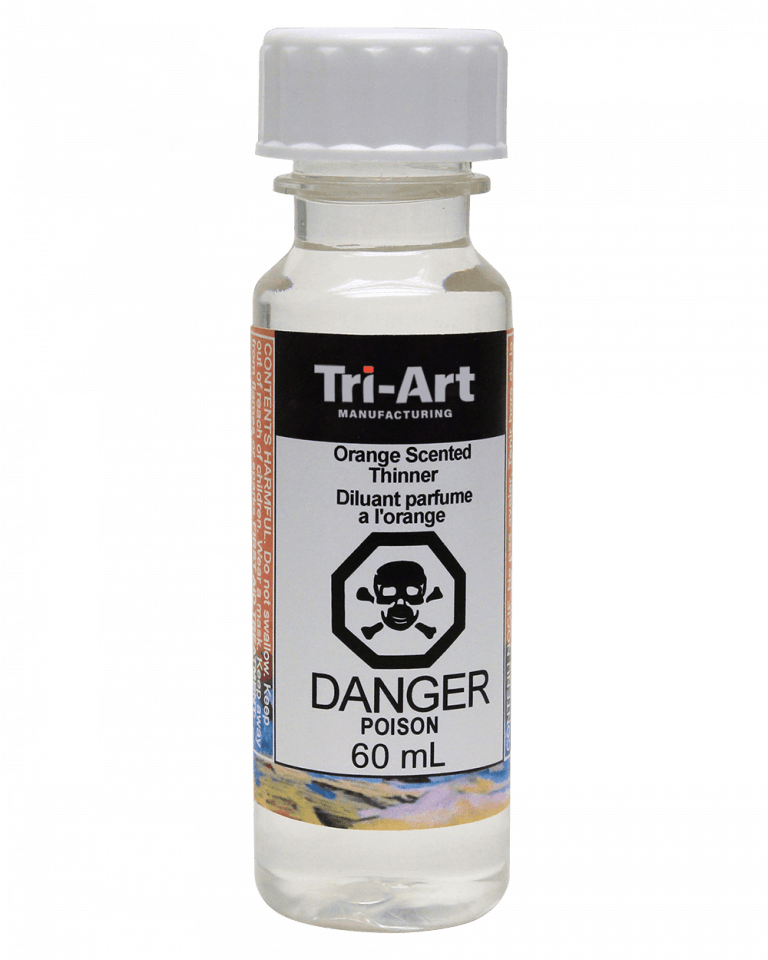
Tri-Art Oils - Orange scented thinner - Tri-Art Mfg.
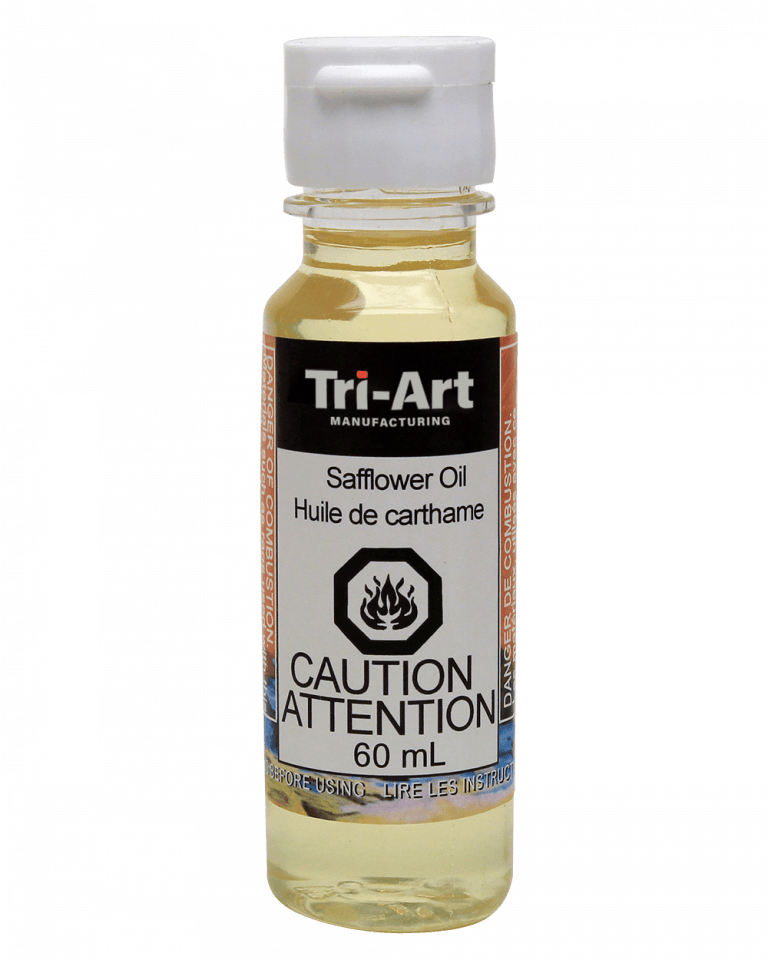
Tri-Art Oils - Safflower Oil - Tri-Art Mfg.
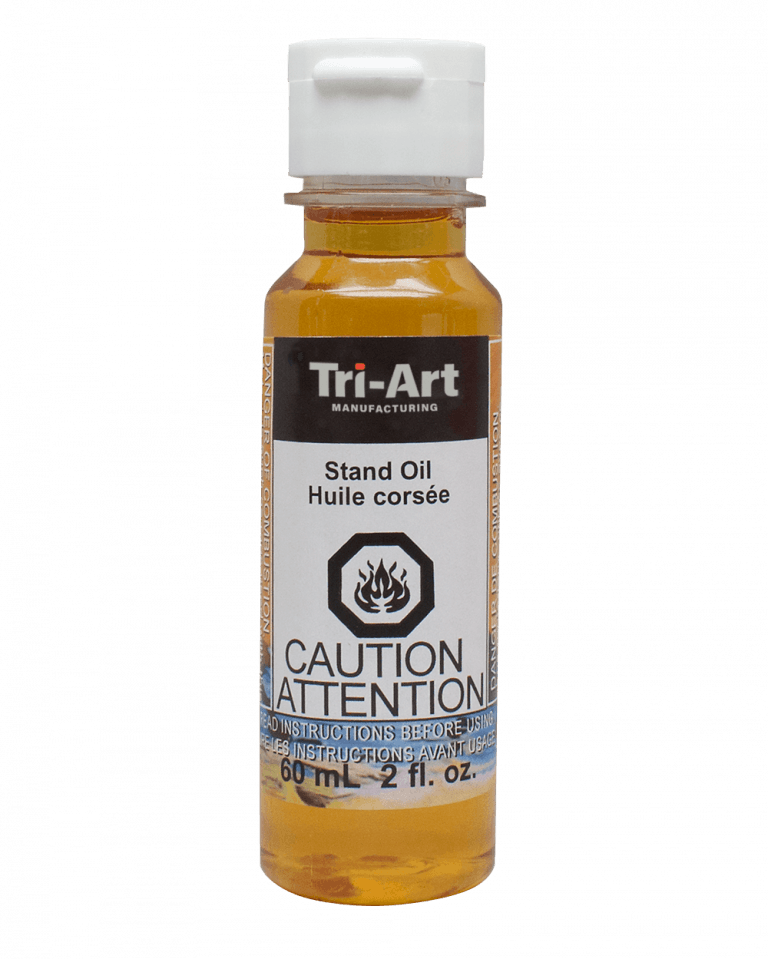
Tri-Art Oils - Stand Oil - Tri-Art Mfg.
Tri-Art Oils - Stand Oil
Sale priceFrom $11.45 CAD
No reviews
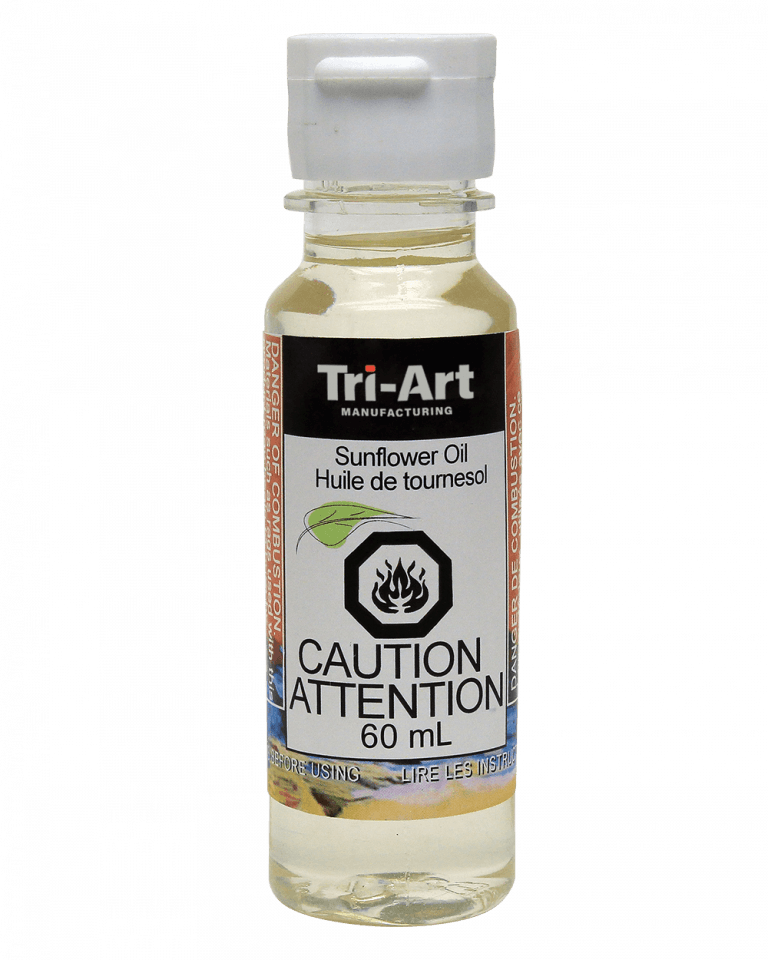
Tri-Art Oils - Sunflower Oil - Tri-Art Mfg.
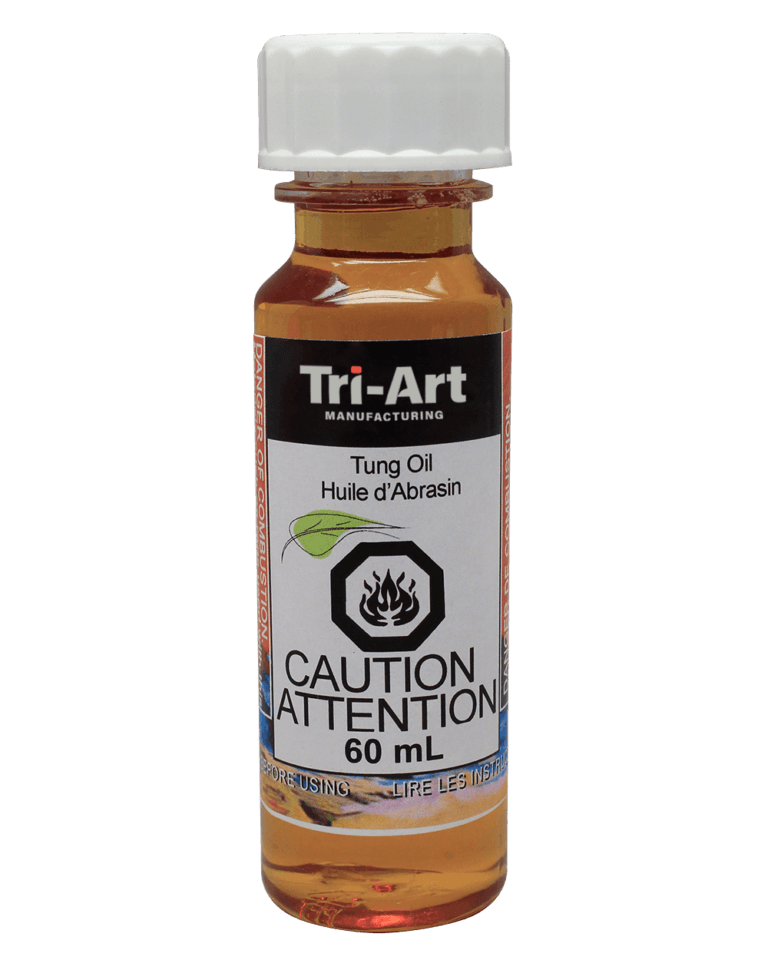
Tri-Art Oils - Tung Oil - Tri-Art Mfg.
Tri-Art Oils - Tung Oil
Sale priceFrom $21.55 CAD
No reviews

Frequently asked questions

Quick answers to common questions on Tri-Art Oil Colours | Thick-Bodied Professional Oil Paint. If you still need help, contact us and we’ll point you to the right option.

What makes Tri-Art Oil Colours different from other oil paints?

Tri-Art Oil Colours are formulated as “Finest Quality” oils with artist-grade pigments that are milled for colour purity and brilliance in a thick-bodied format, so you can keep decisive brush marks and clean mixes without fighting a weak, oily feel; start by pulling paint straight from the tube for body, then modify only as needed for the passage, and explore the range here: Tri-Art Oil Colours collection.

Are Tri-Art Oil Colours thick-bodied, and how do I make them feel more “fluid” for detail?

Yes, they’re designed to be rich and thick in body, so for fine strokes or soft blends, load less paint and work it out with the brush before you add anything; if you need a true fluid mark, use a tiny amount of a compatible medium or solvent (general oil practice), add it gradually on the palette, and test on a scrap so the paint still “grabs” the surface instead of skating, and you can compare colours and sizes in the Tri-Art Oil Colours collection.

What does sunflower oil as the vehicle actually change in painting and colour?

Tri-Art uses a refined sunflower oil vehicle to support clean, pure colour, and their own technical writing notes sunflower oil as an ultra-pale drying oil used to keep the paint film paler than many traditional options over time; in practice, that means you can judge mixtures more accurately while wet, and for bright tints and delicate greys, mix thoroughly and keep layers leaner early on (general layering principle) so the film sets evenly.

How can I speed up drying time without losing my brushstroke texture?

Build in thin, deliberate layers and give each one time to set before you trap it under a thicker application, as a rule of thumb (general oil guidance) keep early layers leaner and later layers “fatter” by adding more medium only as you go; Tri-Art notes their oils use driers to produce a stable, long-lasting paint film, but you still get the best results by letting underlayers become touch-dry before pushing impasto on top.

How do I layer Tri-Art Oil Colours safely (and avoid wrinkling or cracking)?

Build in thin, deliberate layers and give each one time to set before you trap it under a thicker application, as a rule of thumb (general oil guidance) keep early layers leaner and later layers “fatter” by adding more medium only as you go; Tri-Art notes their oils use driers to produce a stable, long-lasting paint film, but you still get the best results by letting underlayers become touch-dry before pushing impasto on top.

What’s a good way to clean brushes and tools when using Tri-Art oils?

For clean-up, Tri-Art’s D-Limonene is positioned as a safer substitute for harsh chemical thinners, with strong cleaning power and less harsh odour; wipe paint out thoroughly first, then work a small amount through the bristles, wipe again, and finish with soap and water so you are not leaving residue near the ferrule, and keep solvent exposure and airflow sensible (general studio practice).

How do I choose colours in the Tri-Art Oil Colours line for a reliable limited palette?

Tri-Art describes the line as an assortment using traditional and modern pigments, including a range of contemporary colours, so a practical approach is to start with a warm and cool of each primary plus a strong earth (for example an umber) and add speciality colours only when your subject demands it; mix strings (light to dark) before you start the painting so you learn each colour’s tinting strength, and browse options in the Tri-Art Oil Colours collection.

My paint feels “draggy” or sinks in on the first pass, what should I do?

This is often a surface issue (general oil guidance): if your ground is very absorbent, the first layer can feel dry and grabby, so either adjust your surface prep next time or, in the moment, thin the first pass slightly and scrub it in as a stain layer, then paint normally once it has set; keeping early layers thinner and well-bound helps later strokes sit up cleanly, and you can keep your colour choices consistent by working from the same Tri-Art Oil Colours selection throughout the piece.

Discover a new product line.

Pick your paint body, then round out your toolkit with a simple palette and the right mediums.

  1. Choose body: thick for texture, fluid for pours and glazing, medium for everyday painting.
  2. Start small: pick a limited palette and add colours as you discover what you reach for.
  3. Match your surface: use a suitable ground, then tune sheen and flow with mediums.

Common questions

Why should I choose Tri-Art High Viscosity?

Choose it when you want thick, responsive paint that carries strong colour and holds brush or knife marks with authority.

What is unique about Tri-Art Acrylic Mediums?

Tri-Art Acrylic Mediums are “paint without the pigment,” mapping polymer medium to liquid acrylic behaviour and gel medium to high-viscosity behaviour, plus categories like grounds, texture gels, varnishes, and additives.

Tri-Art Liquids is a Professional paint, will it work for me?

Yes if you want a professional paint that feels fluid and controllable for both broad passages and refined work, without requiring constant medium mixing.

Free shipping

Free Canadian shipping and returns - customs and duties taxes included