Tri-Art Watercolours

Tri-Art Watercolours

Strong chroma with transparency or opacity control for clean mixes

Tri-Art Watercolours

Pan and tube options to scale from travel palettes to large washes

Tri-Art Watercolours

Modern pigment choices extra-finely milled to perfection.

Quick points on Tri-Art Watercolours

  • Pre-wet pans with a few drops of clean water, then pull colour from the softened surface for smoother, stronger washes
  • For consistent glazing, mix a small puddle first (don’t “scrub-mix” on the paper), then build layers after the previous wash is touch-dry
  • When you need big, repeatable mixes (skies, backgrounds, series work), choose tubes so you can mix a larger pool without colour drift
  • Use the label guide to check pigment code, transparency, and lightfastness before you build a limited palette
  • Turn tubes into a travel palette by refilling the Bamboo Sample Set wells and letting them dry for your next session
  • Made in Canada since 1994
  • Free shipping on orders over $89
98 products
Sort by
Sort by
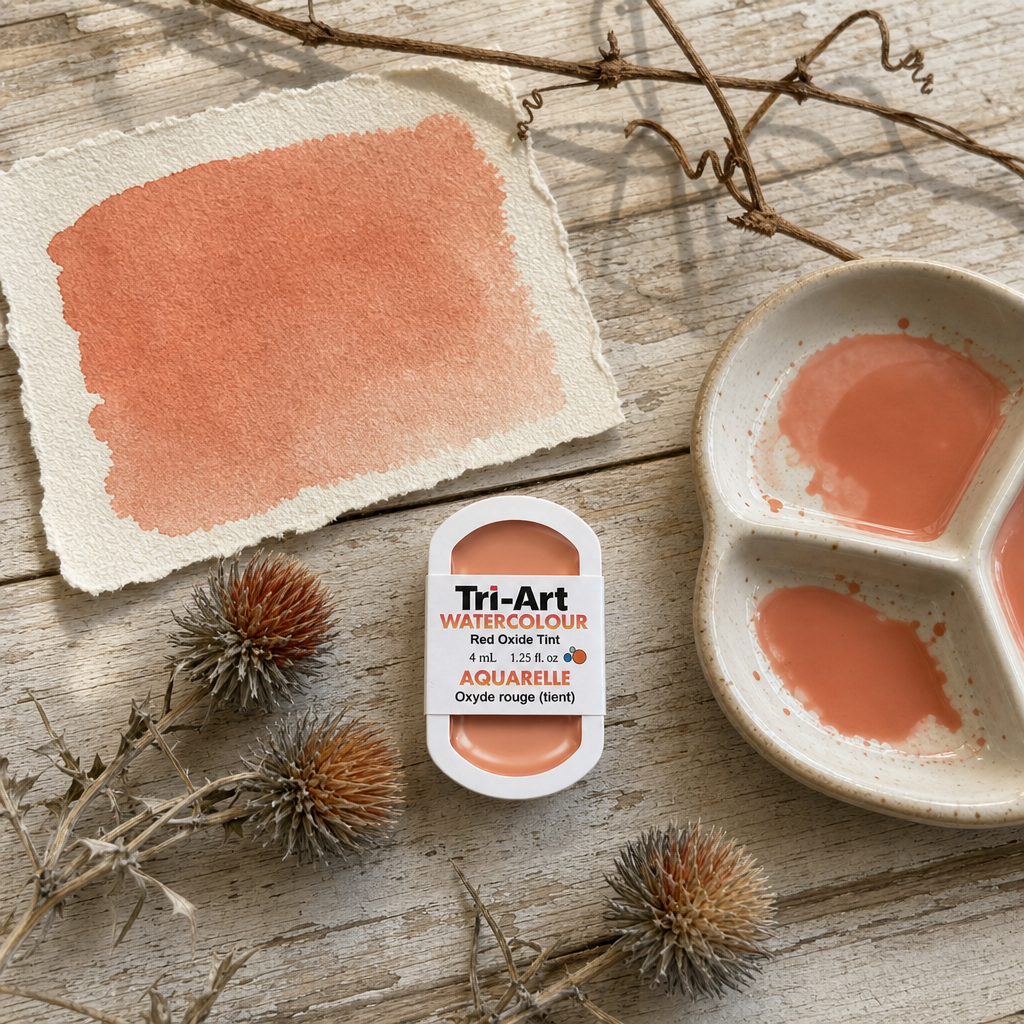
Tri-Art Water Colours Red Oxide Tint
PW 6, PY 42, PR 101OpaqueLF 4
Sale priceFrom $6.97 CAD
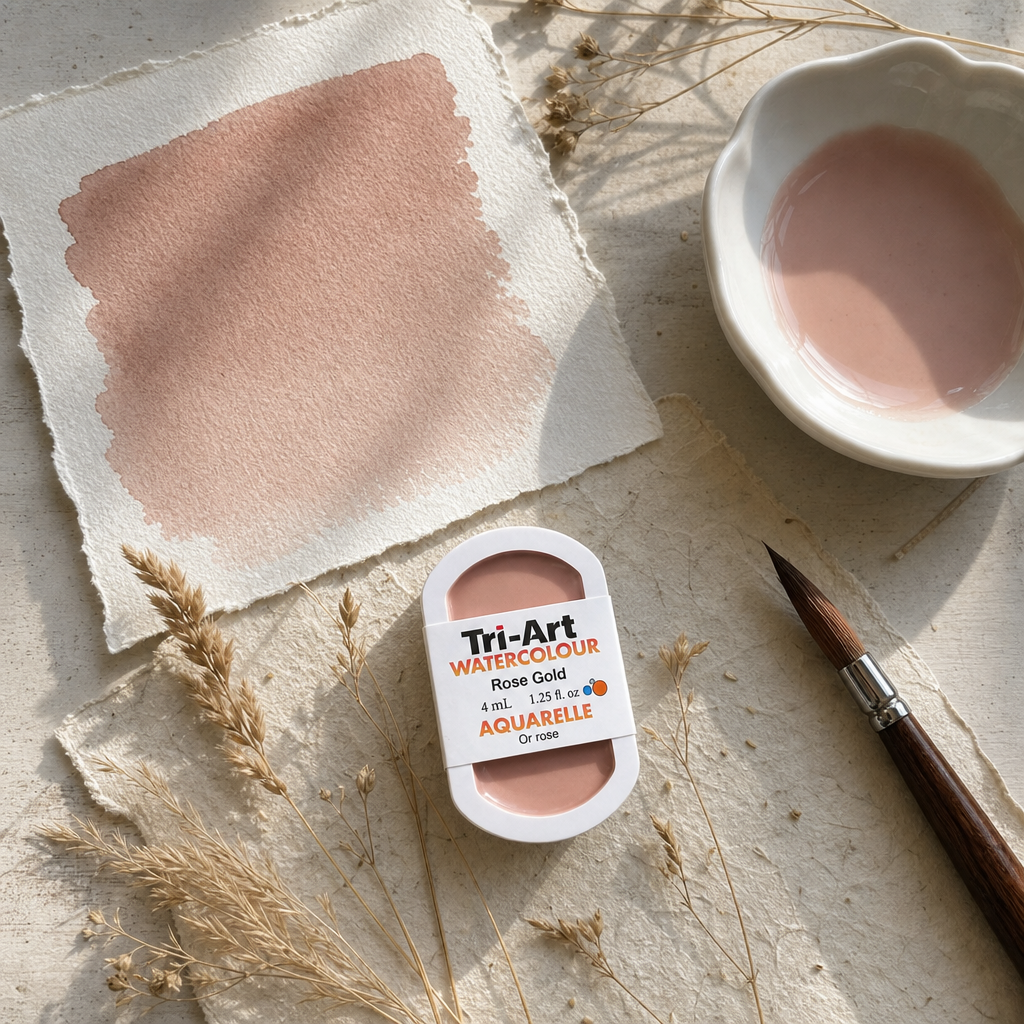
Tri-Art Water Colours Rose Gold
IRIDESCENT Mica PigmentSemi-opaqueLF 4
Sale priceFrom $6.97 CAD
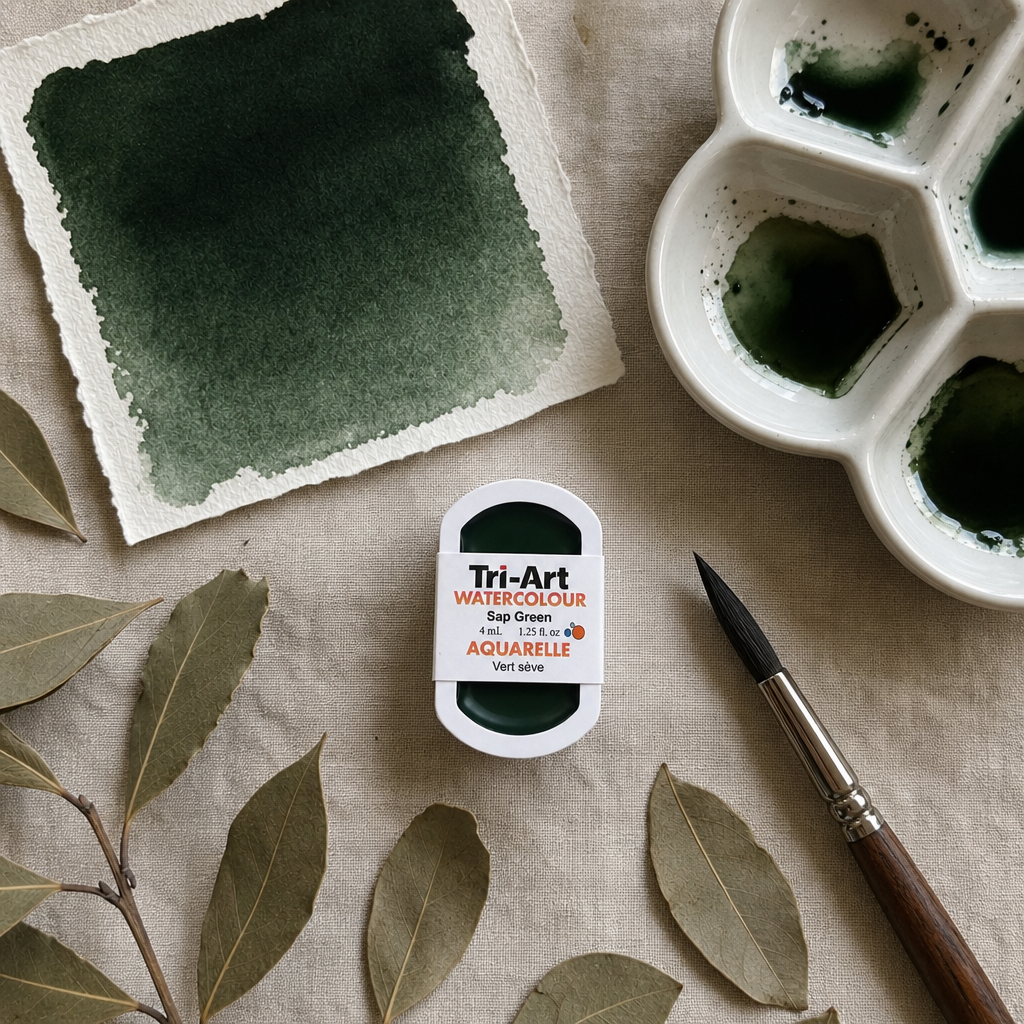
Tri-Art Water Colours Sap Green
PG 7, PR 101TransparentLF 4
Sale priceFrom $8.45 CAD
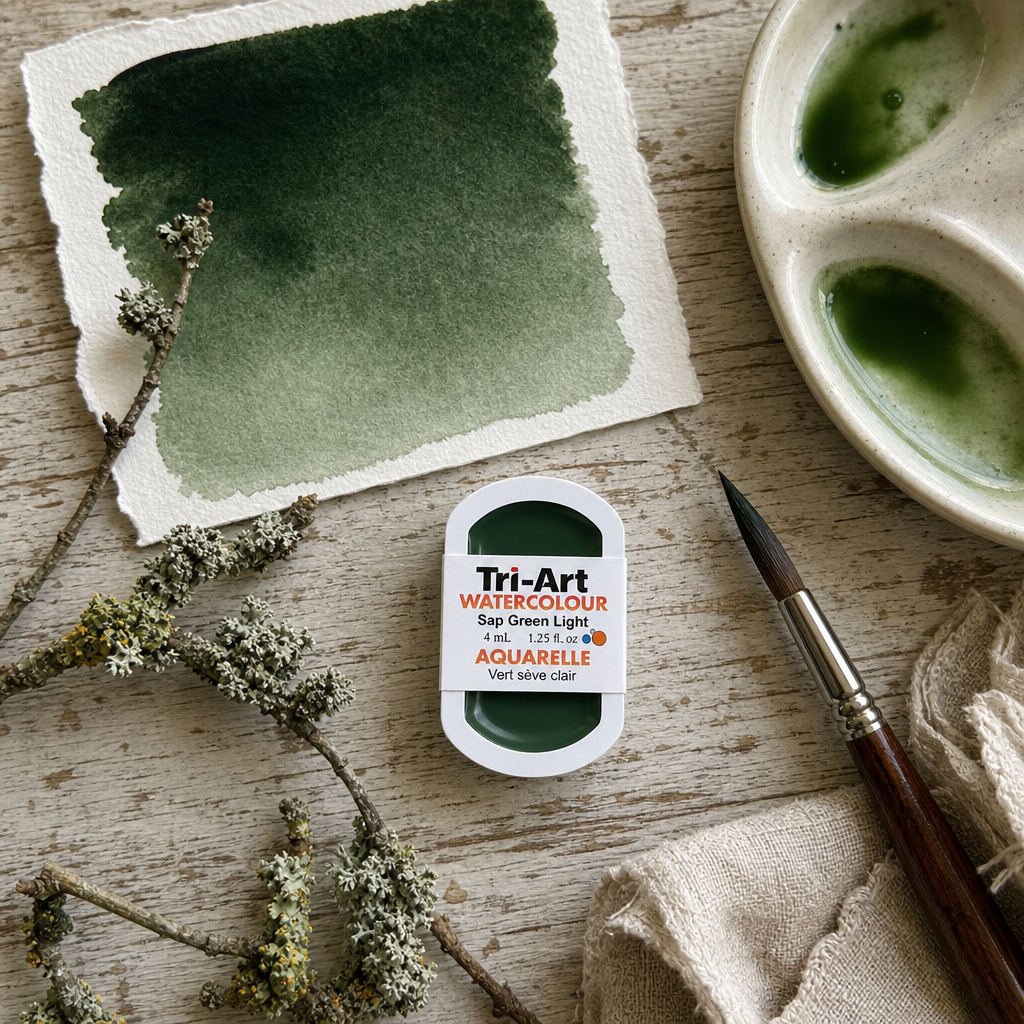
Tri-Art Water Colours Sap Green Light
PY 42, PG 7TransparentLF 4
Sale priceFrom $8.45 CAD
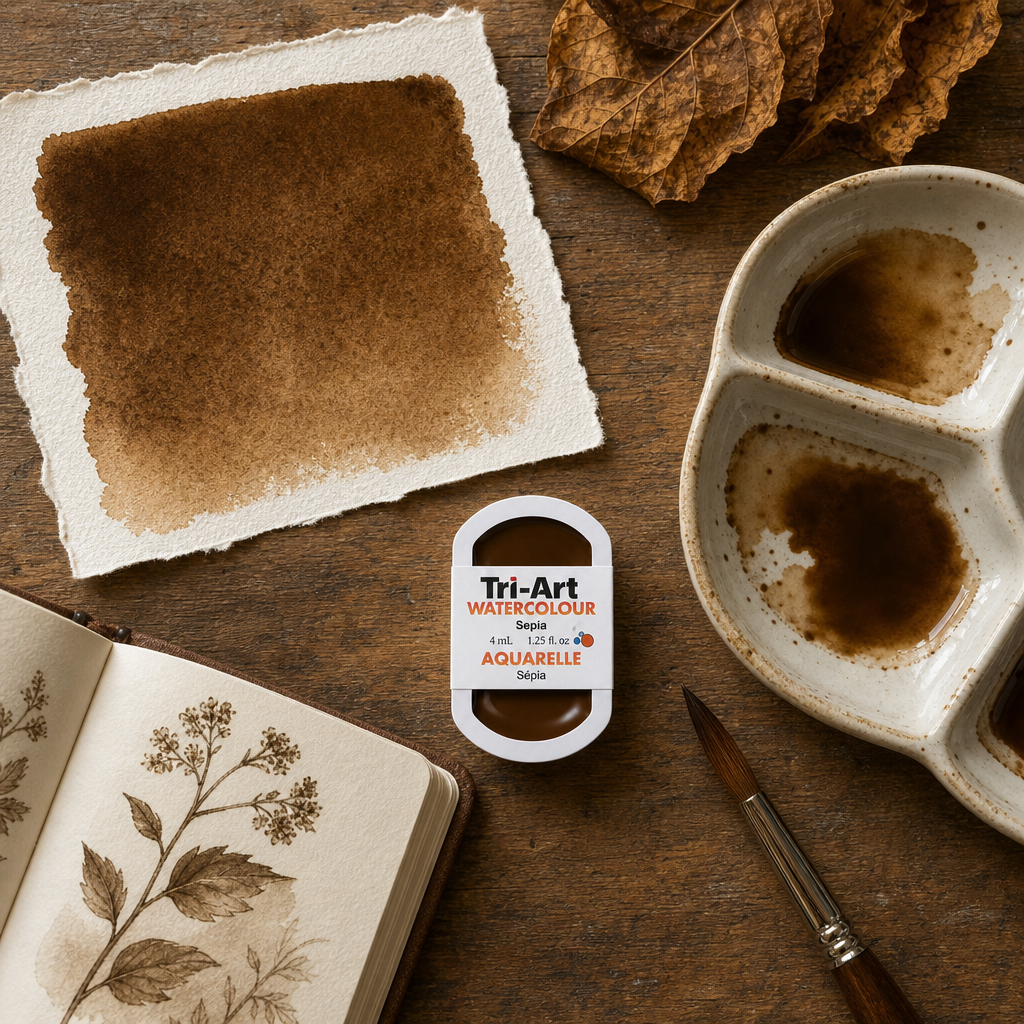
Tri-Art Water Colours Sepia
PR 101, PG 7TransparentLF 4
Sale priceFrom $8.45 CAD
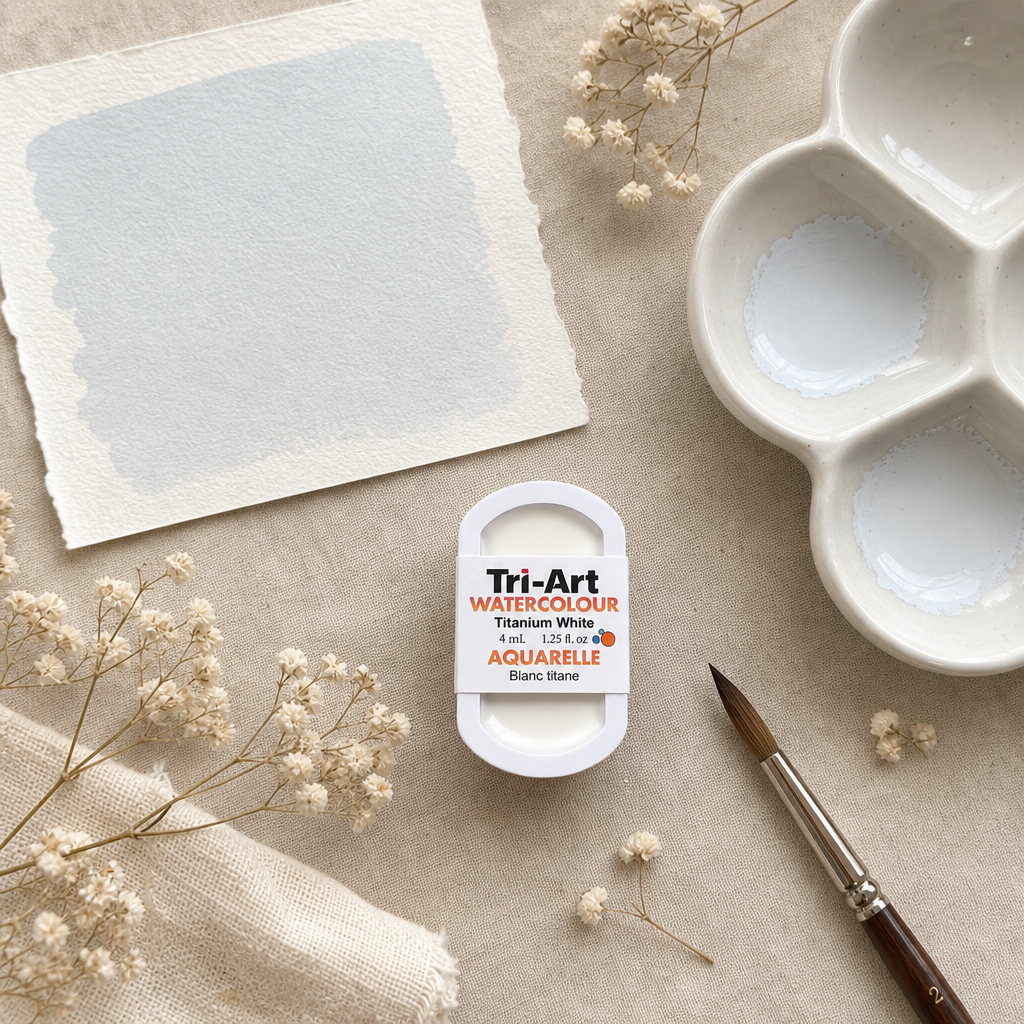
Tri-Art Water Colours Titanium White
PW 6OpaqueLF 4
Sale priceFrom $6.97 CAD
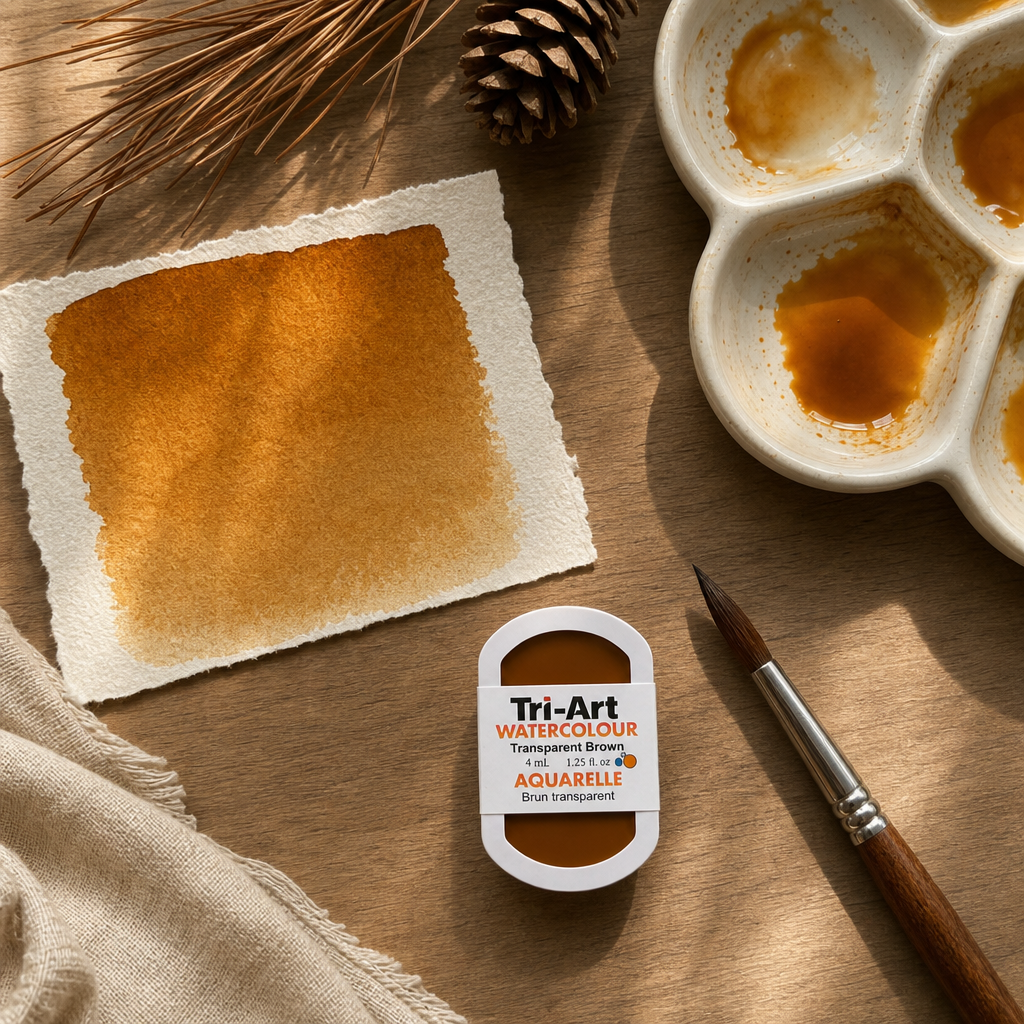
Tri-Art Water Colours Transparent Brown
PR 101, PBK 7TransparentLF 4
Sale priceFrom $8.45 CAD
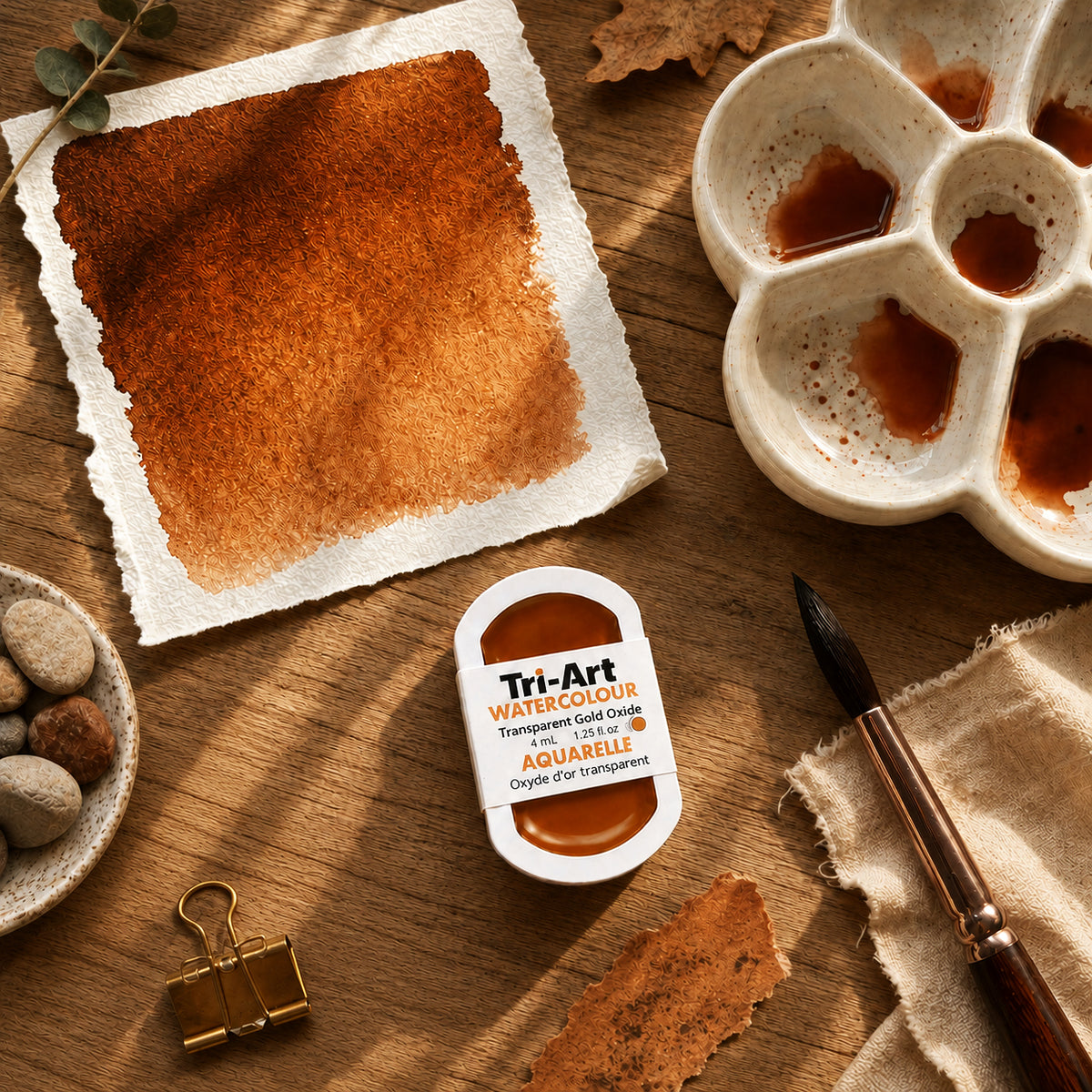
Tri-Art Water Colours Transparent Gold Oxide
PR 101, PY 110TransparentLF 4
Sale priceFrom $8.45 CAD
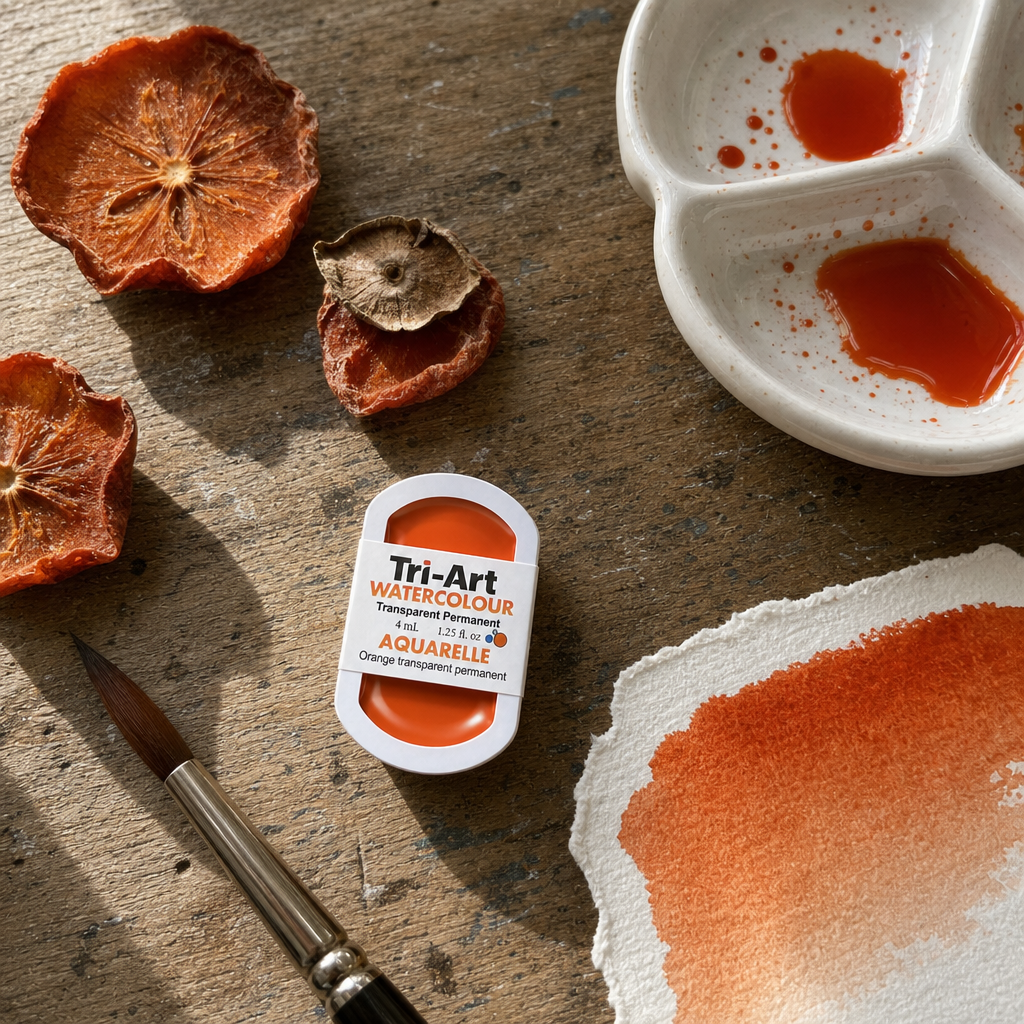
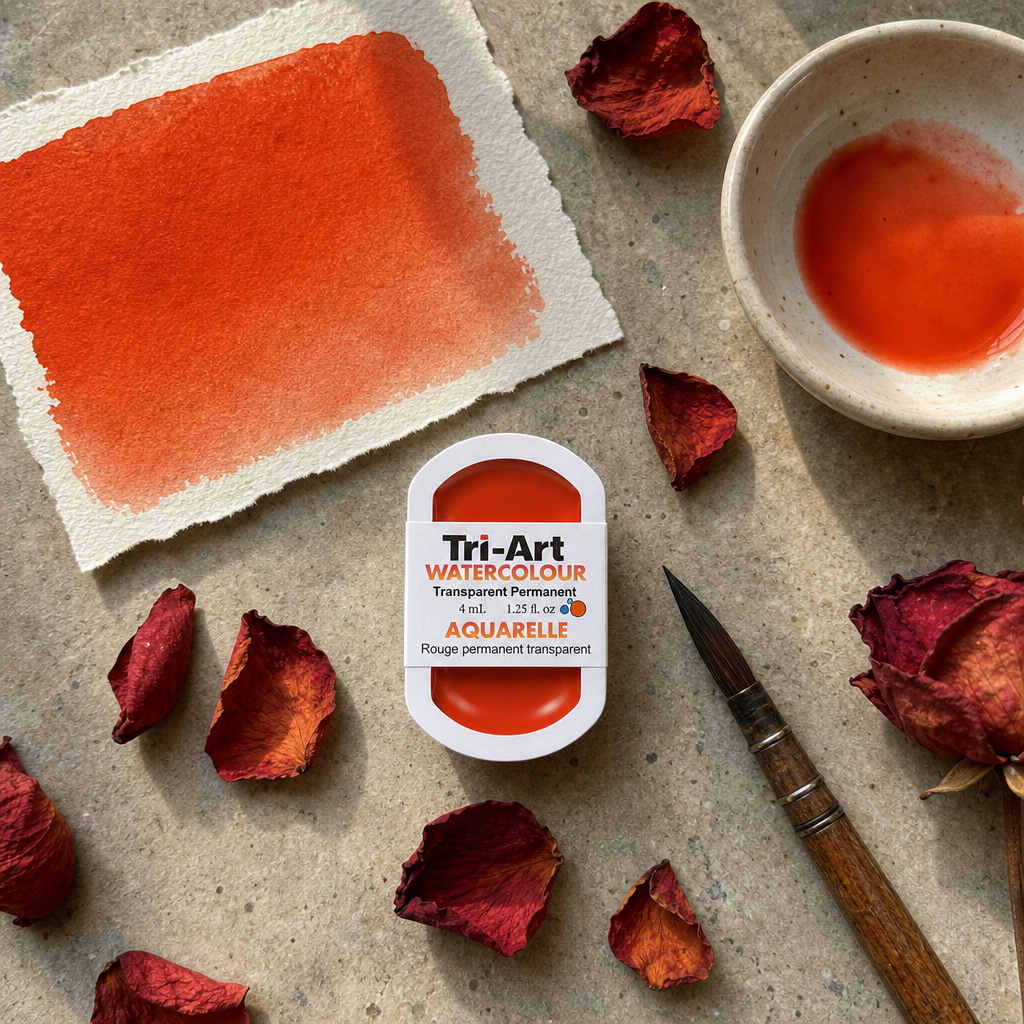
Tri-Art Water Colours Transparent Permanent Orange
PO 71TransparentLF 4
Sale priceFrom $11.60 CAD
Tri-Art Water Colours Transparent Permanent Red Light
Q Scarlett, PY 110TransparentLF 4
Sale priceFrom $11.60 CAD
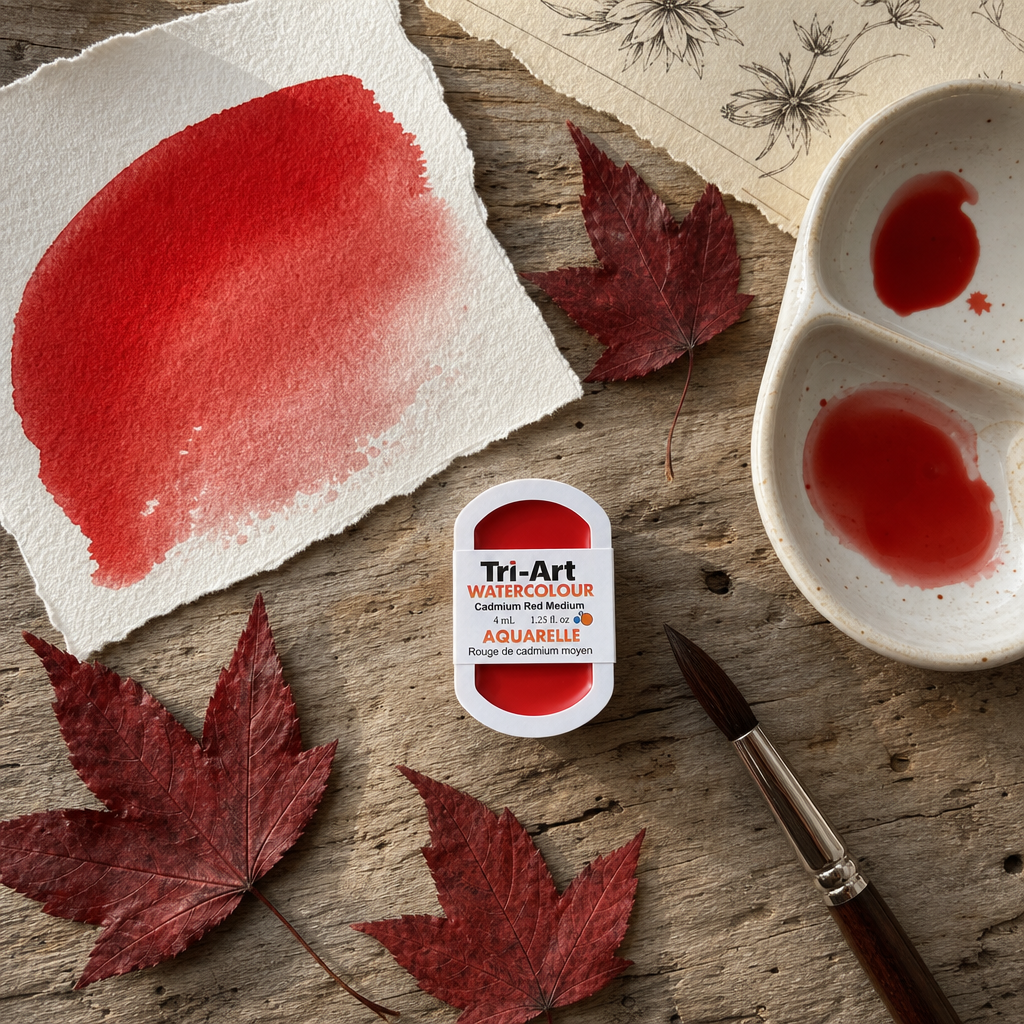
Tri-Art Water Colours Transparent Pyrrole Red Medium
PR 254TransparentLF 4
Sale priceFrom $11.60 CAD
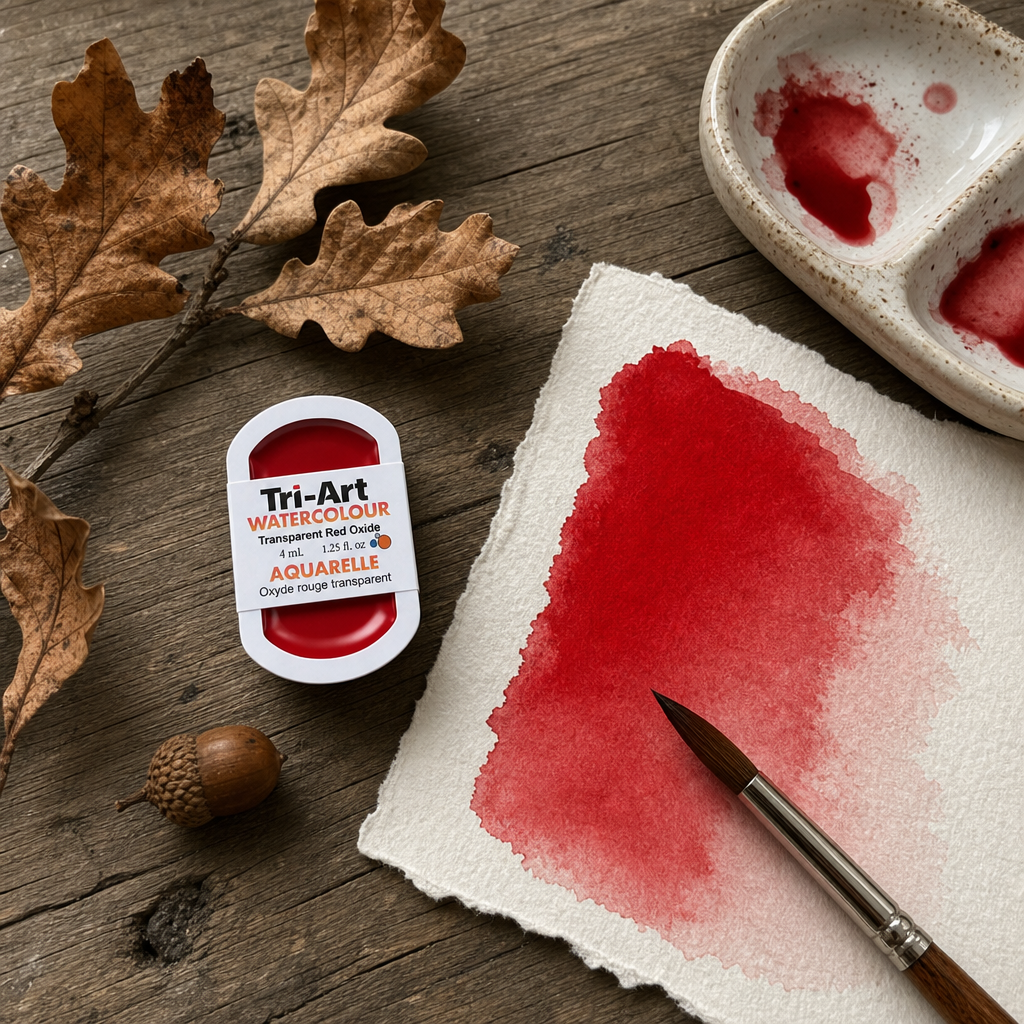
Tri-Art Water Colours Transparent Red Oxide
PR 101TransparentLF 4
Sale priceFrom $6.97 CAD
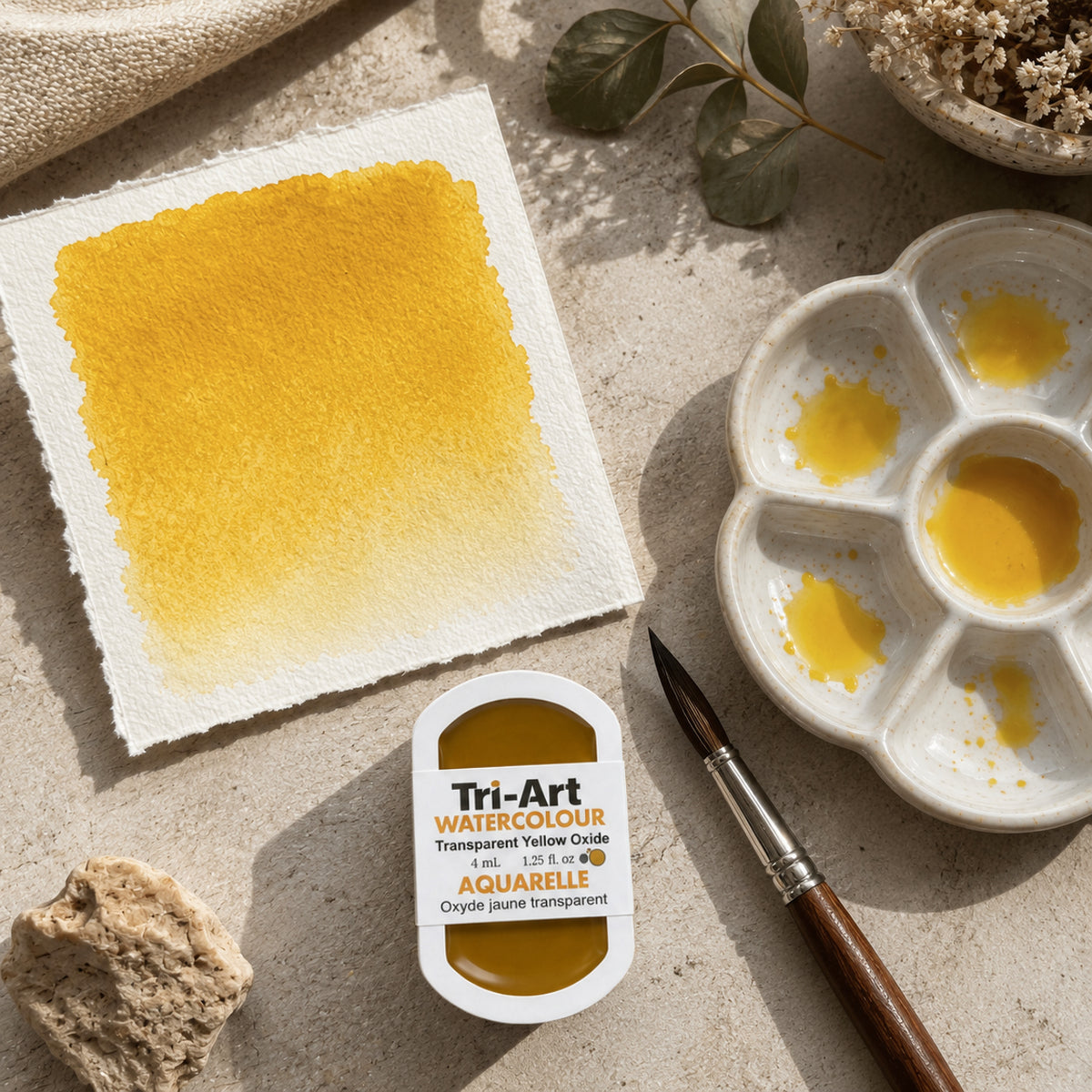
Tri-Art Water Colours Transparent Yellow Oxide
PY 42TransparentLF 4
Sale priceFrom $6.97 CAD
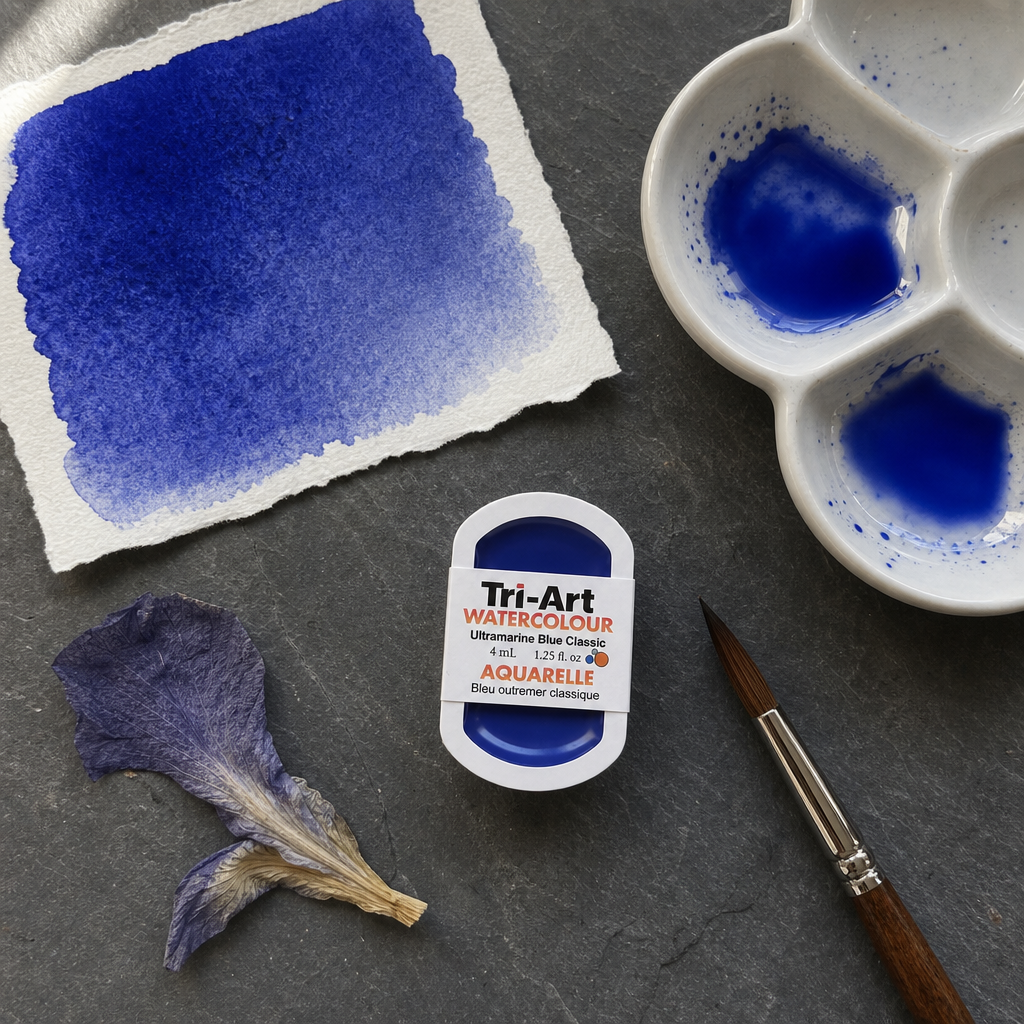
Tri-Art Water Colours Ultramarine Blue
PB 29TransparentLF 4
Sale priceFrom $6.97 CAD
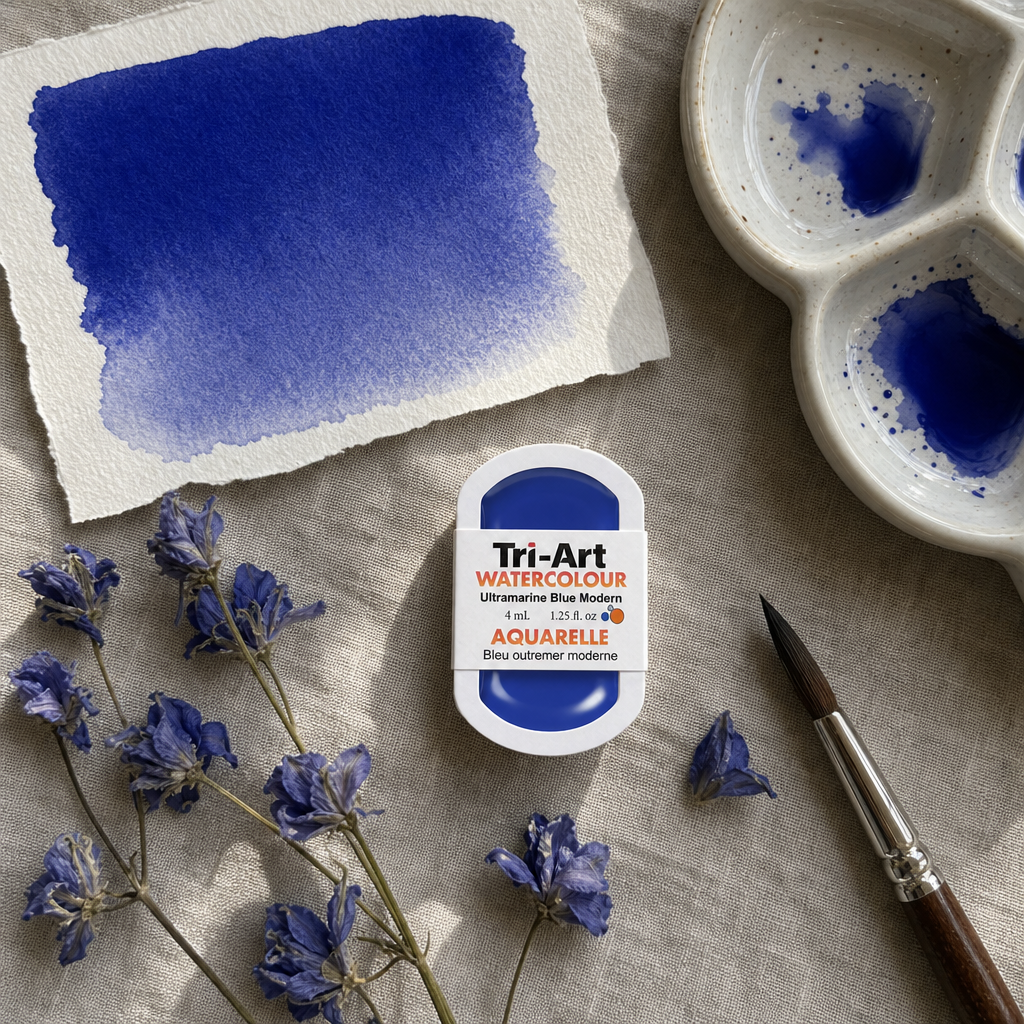
Tri-Art Water Colours Ultramarine Blue Modern
PB 29, PB 15:1TransparentLF 4
Sale priceFrom $6.97 CAD
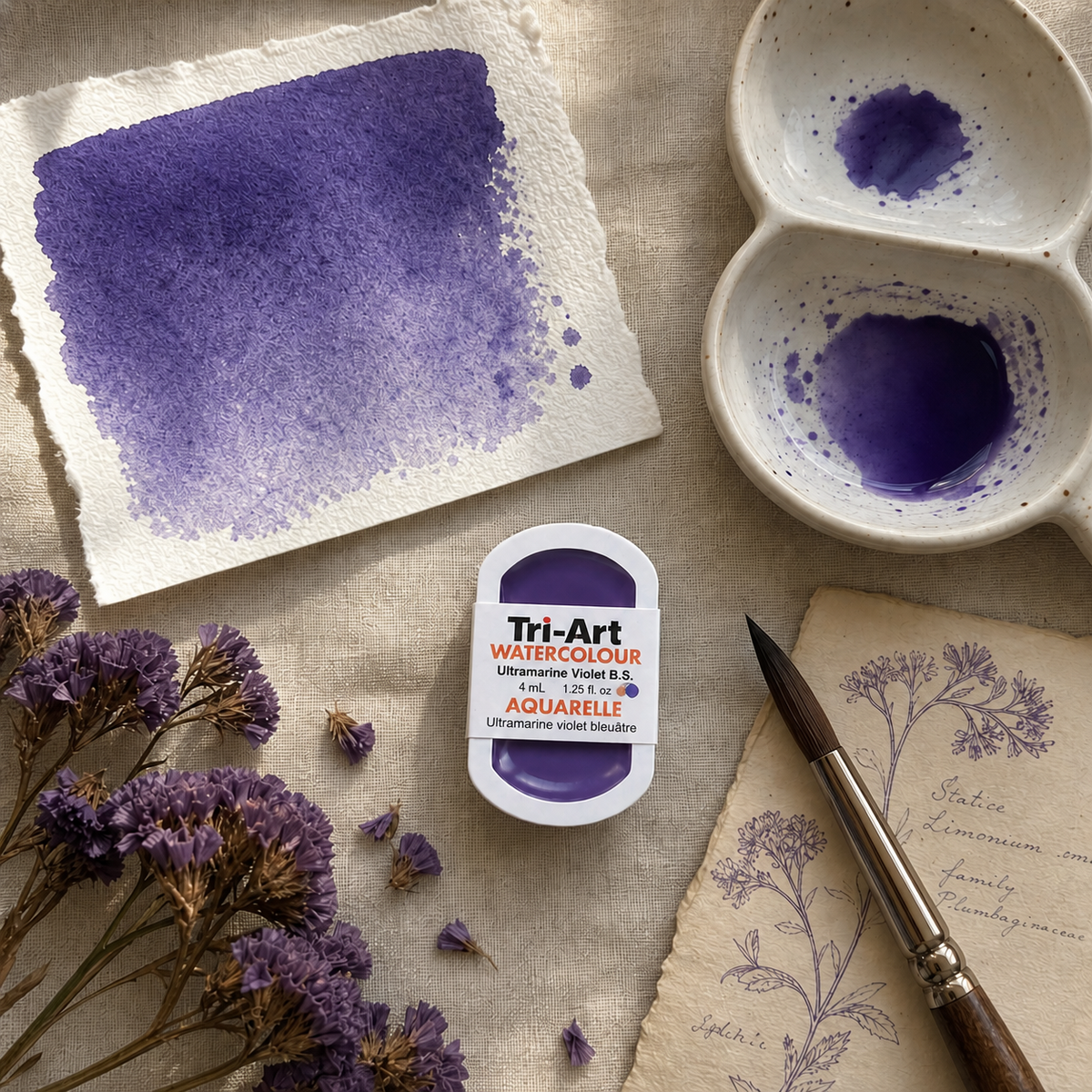
Tri-Art Water Colours Ultramarine Violet Blue Shade
PV 15TransparentLF 4
Sale priceFrom $8.45 CAD
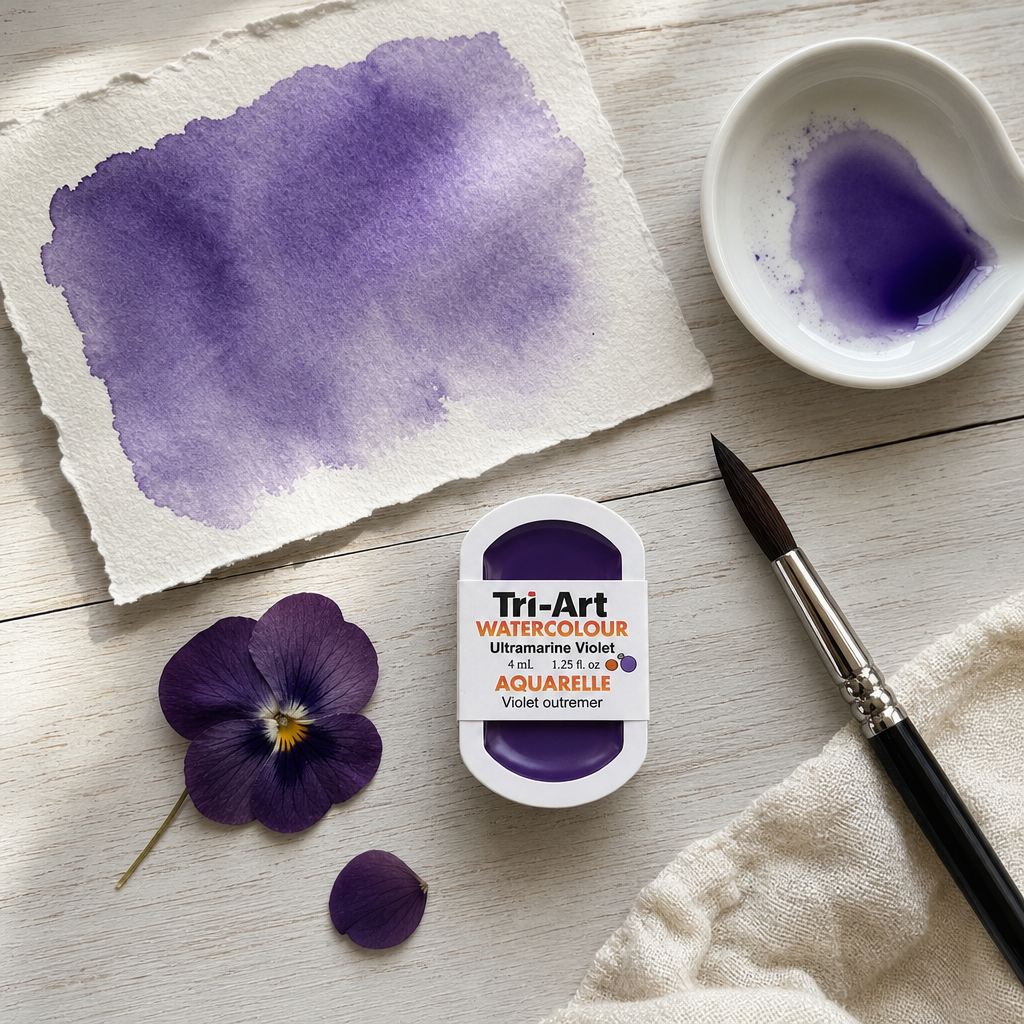
Tri-Art Water Colours Ultramarine Violet Red Shade
PV 15TransparentLF 4
Sale priceFrom $8.45 CAD
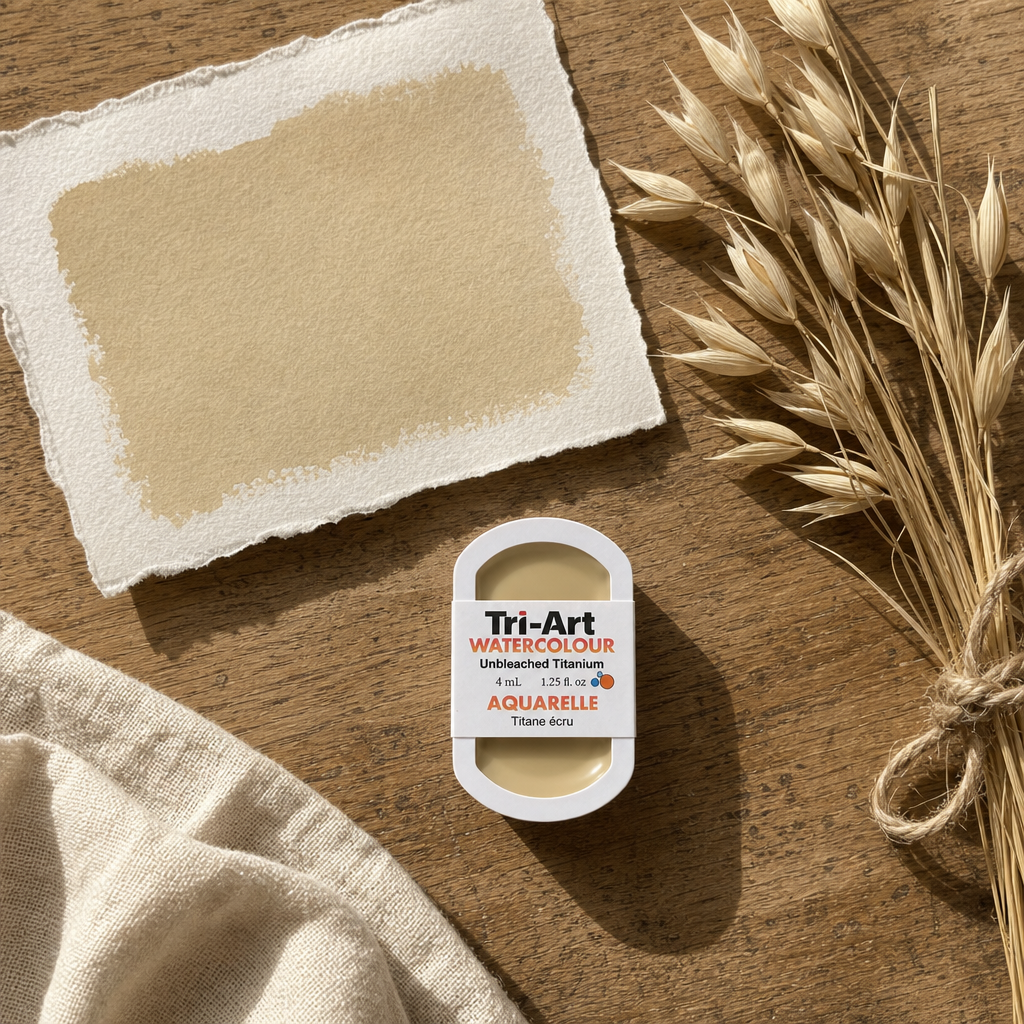
Tri-Art Water Colours Unbleached Titanium
PW 6:1OpaqueLF 4
Sale priceFrom $6.97 CAD
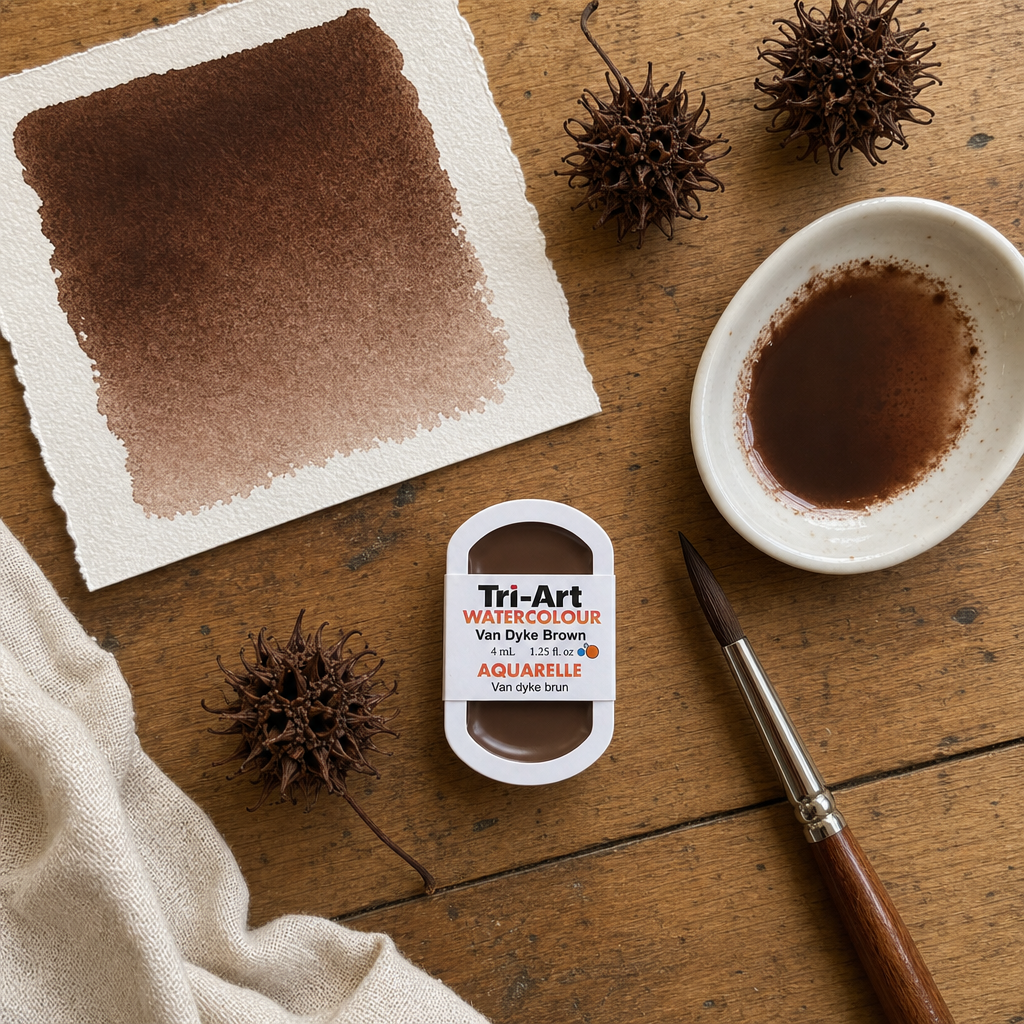
Tri-Art Water Colours Van Dyke Brown
PBR 7, PR 101Semi-opaqueLF 4
Sale priceFrom $6.97 CAD
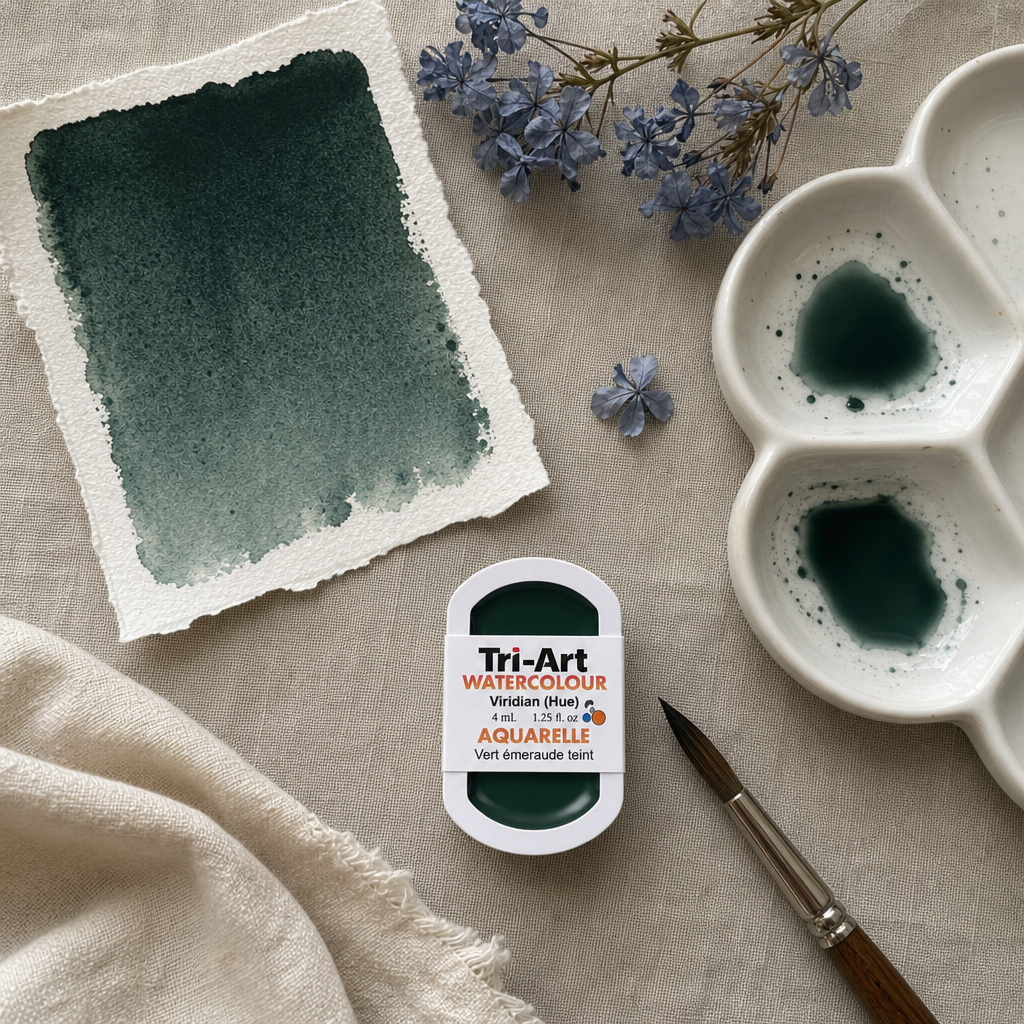
Tri-Art Water Colours Viridian Hue
PBR 7, PG 7Semi-opaqueLF 4
Sale priceFrom $6.97 CAD
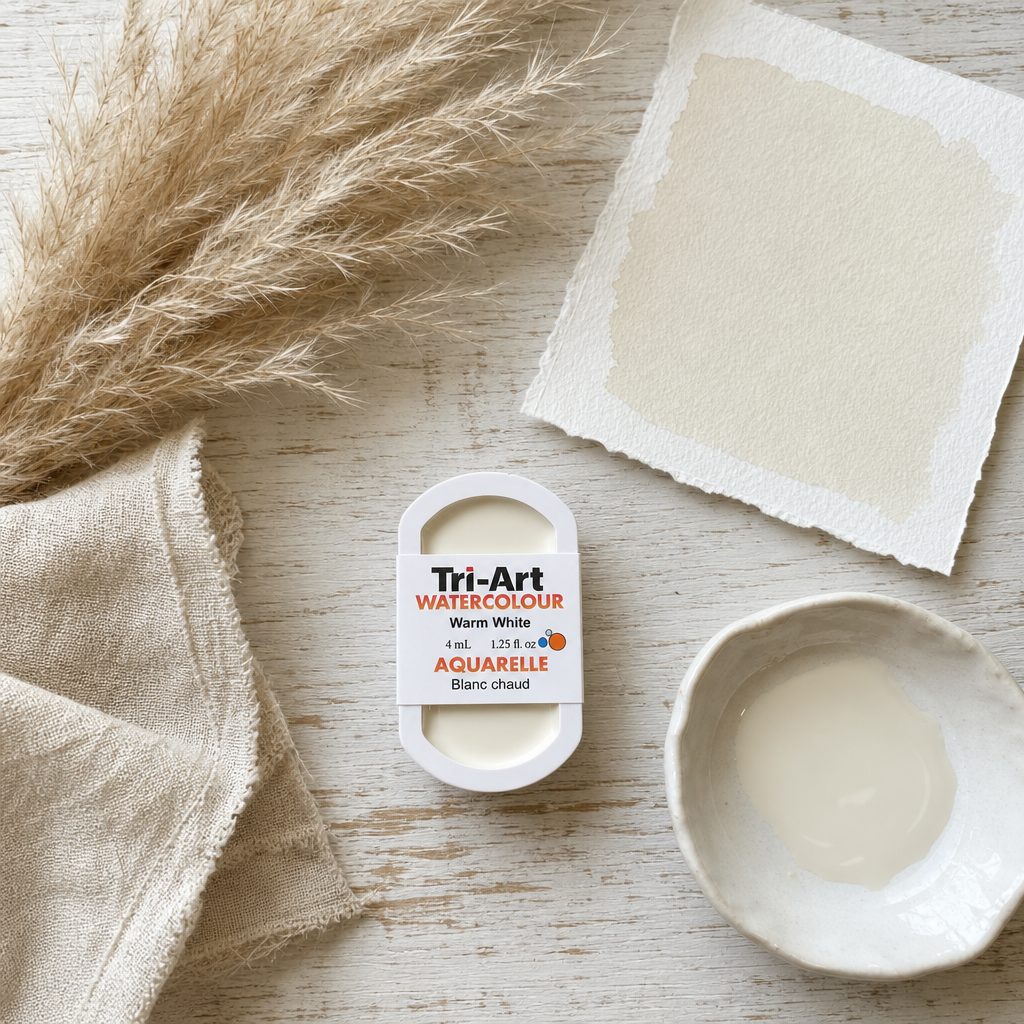
Tri-Art Water Colours Warm White
PW 6, PW 6:1OpaqueLF 4
Sale priceFrom $6.97 CAD
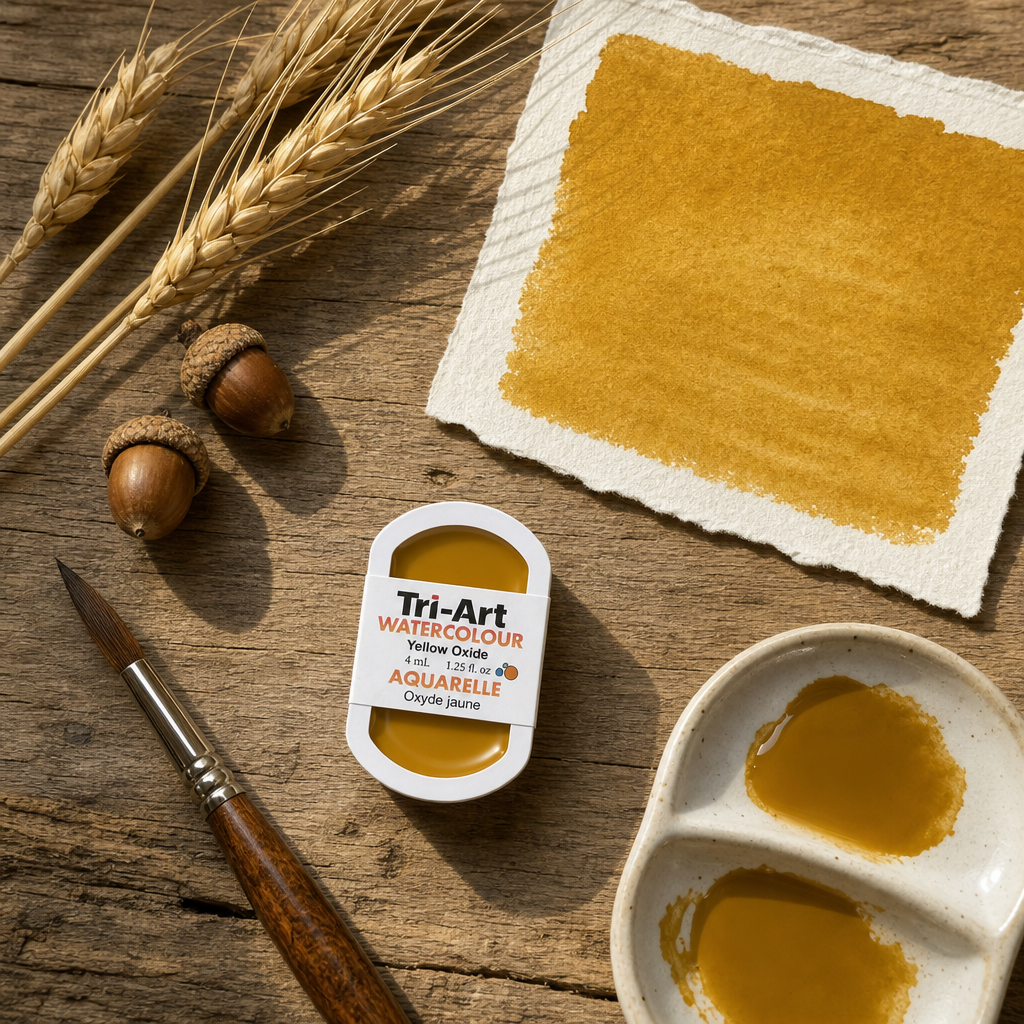
Tri-Art Water Colours Yellow Oxide
PY 42OpaqueLF 4
Sale priceFrom $6.97 CAD
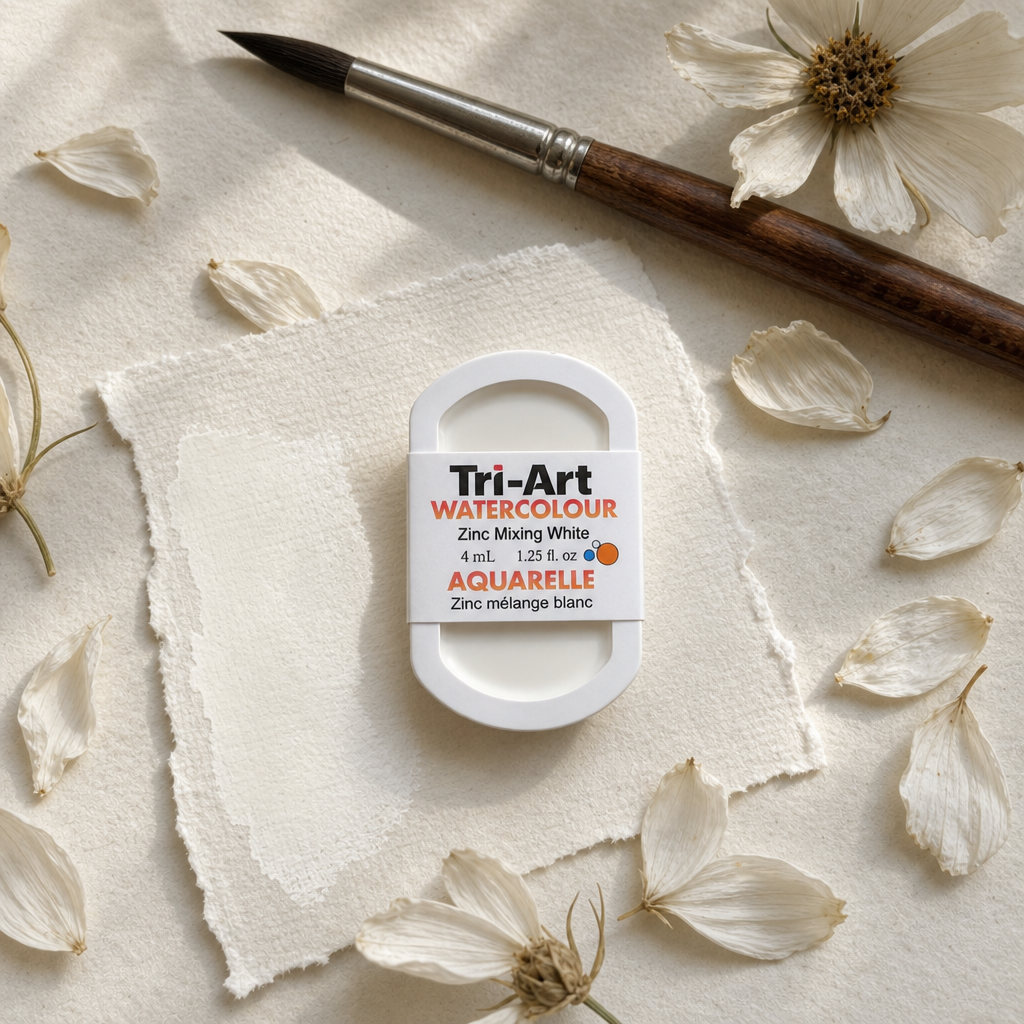
Tri-Art Water Colours Zinc Mixing White
PW 4Semi-opaqueLF 4
Sale priceFrom $6.97 CAD

Frequently asked questions

Quick answers to common questions on Tri-Art Watercolours. If you still need help, contact us and we’ll point you to the right option.

What makes Tri-Art Watercolours different from student-grade watercolours?

Tri-Art Watercolours are designed as a professional “Finest Quality” series with high pigment concentration for strong colour, clean mixes, and controlled transparency, and they’re made to re-wet on the palette after drying for practical studio use; for best results, pre-wet a pan or a small squeeze of tube colour for 30–60 seconds, then pull colour into a mixing well and add water gradually until you hit the value you want (rather than flooding the paint first). Shop Tri-Art Watercolours.

Should I choose pans or tubes, and how do I use each format?

Choose pans for fast setup and travel sketching, and choose tubes when you want to mix larger pools for big washes; to use pans, mist or drop a little water onto the colour and let it soften before loading your brush, and to use tubes, squeeze a rice-grain amount into a mixing area and dilute stepwise so you keep chroma while controlling flow. Browse Tri-Art Watercolours in pans and tubes.

How do I mix Tri-Art Watercolours so my washes stay clear (not muddy)?

Keep mixes simple and intentional: mix two colours at a time in a clean well, test a stroke on scrap, then adjust value with water, not extra pigments; if a mix starts to look greyed, rinse fully and remix from fresh paint rather than scrubbing the same puddle. For transparent colour layering, start with lighter/warmer washes and let them dry before glazing cooler/darker passages. Explore Tri-Art Watercolour colours.

How do I glaze (layer) without lifting or disturbing the layer underneath?

Lifting is mostly about timing and touch: let the first wash dry completely, then glaze with a softer brush, light pressure, and fewer passes, using a slightly drier mix (less water) to avoid re-activating what’s underneath; if you do get lift, stop, let it dry again, and re-glaze rather than scrubbing. Also note that lifting varies by pigment, so test your key colours once and you’ll know which ones are naturally more staining versus easier-lifting in your palette.

Why do I get blossoms (backruns), and how can I fix them?

Blossoms happen when a wetter stroke hits a wash that’s starting to set, pushing pigment outward; to prevent them, keep your wash evenly wet edge-to-edge and avoid “fixing” a drying area, and to correct one, wait until it’s fully dry, then re-wet the shape evenly and lift gently with a damp (not dripping) clean brush or a thirsty brush blot. If you want controlled blooms as an effect, do the opposite: drop clear water into a glossy-damp wash and let the pigment push naturally.

Can I let Tri-Art Watercolours dry in a palette, and will they re-wet well?

Yes: Tri-Art’s watercolours are formulated to be re-soluble on the palette once dry, which makes them friendly for both studio palettes and travel kits; if you’re “pan-filling” from a tube, build it up in 2–3 thin pours or layers, letting each layer dry before topping up so it cures evenly and re-wets more consistently. Tri-Art Watercolours for palette and pan use.

How do I use masking fluid with Tri-Art Watercolours without wrecking my brush?

Apply masking fluid to dry paper (or a fully dry earlier wash) with an older brush or a dedicated tool, let it dry completely before painting over it, and only remove it once the watercolour layer is dry to the touch; to protect your brush, work quickly, do not let masking fluid creep into the ferrule, and wash out immediately after use. For Tri-Art-specific handling notes, see Tri-Art Masking Fluid and keep the container tightly closed between uses as the formula is sensitive to open-air drying.

Can I paint “watercolour-style” on panels or canvas using Tri-Art products?

If you want watercolour behaviour on a rigid support, use a watercolour ground (general principle), because it’s made to create an absorbent, watercolour-friendly painting surface on non-paper supports; with Tri-Art, that role is filled by Tri-Art Cold Press Watercolour Ground, and the most reliable workflow is: seal your support if needed, apply the ground in thin, even coats, let it dry fully, then test a light wash and adjust your water amount before committing to the final piece.