
Learn about your favourite products, pigments and more.
Know what you use.
Equip yourself with knowledge to get the most out of your products. Learn about paint chemistry, art history, pigments, binders, and contemporary art materials.

acrylic
Quinacridone Pigments
Quinacridones are a contemporary painter’s greatest tool when it comes to mixing, glazing and staining. Whereas artists previously needed to choose between reds of permanency, transparency or chrom...

acrylic
Staying Grounded: The Importance of Priming
The thought of priming has become a distant thought for most painters today. Although it may seem like simple white paint, acrylic gesso is a truly modern material that has solved centuries of tech...
acrylic
Beyond Colour: The Rheology and Viscosity of Acrylic Paints
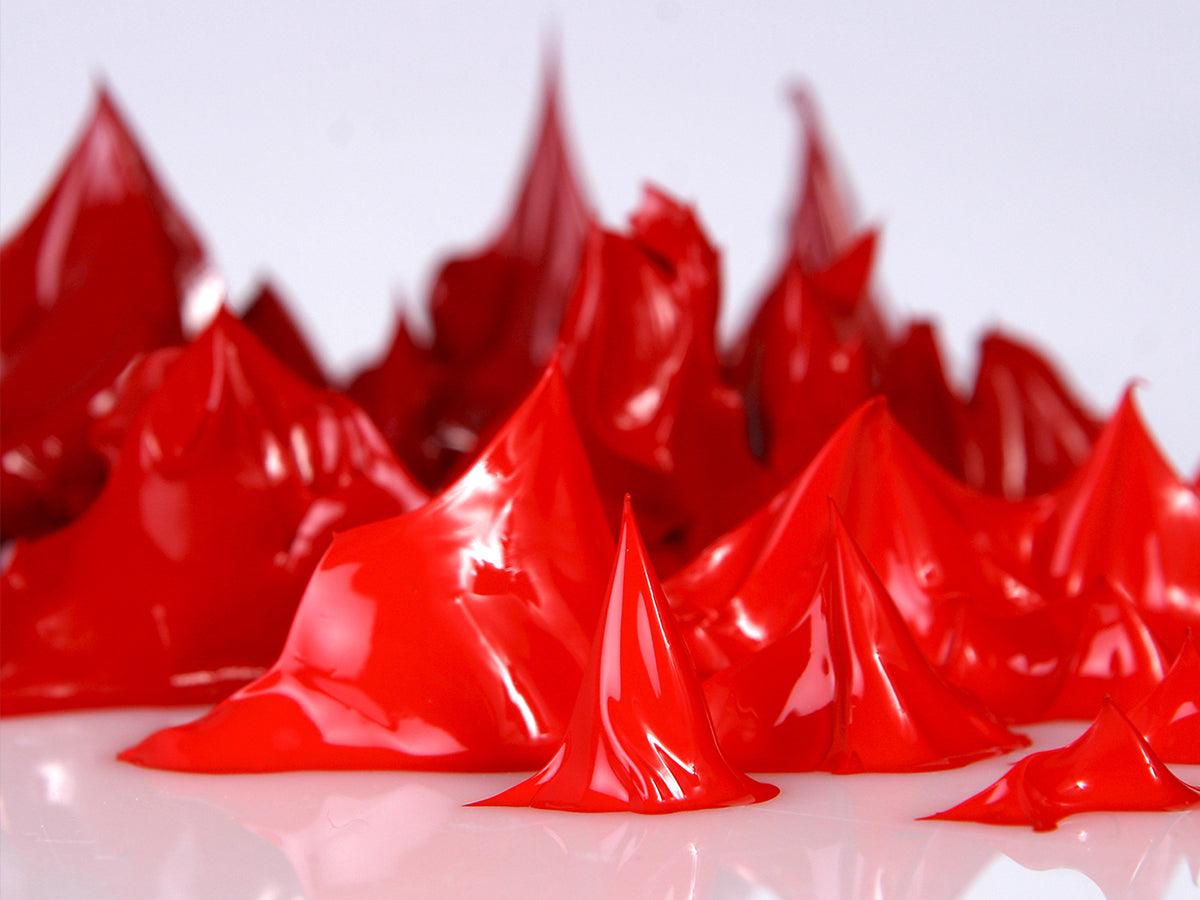
Today’s acrylic paint comes formulated in a range of mediums from free flowing, ink-like forms to highly bodied, gel types.Rheology and viscosity are the key properties that form the real structure...
acrylic paint
Mulling It Over: Contemporary Pigment Grinding
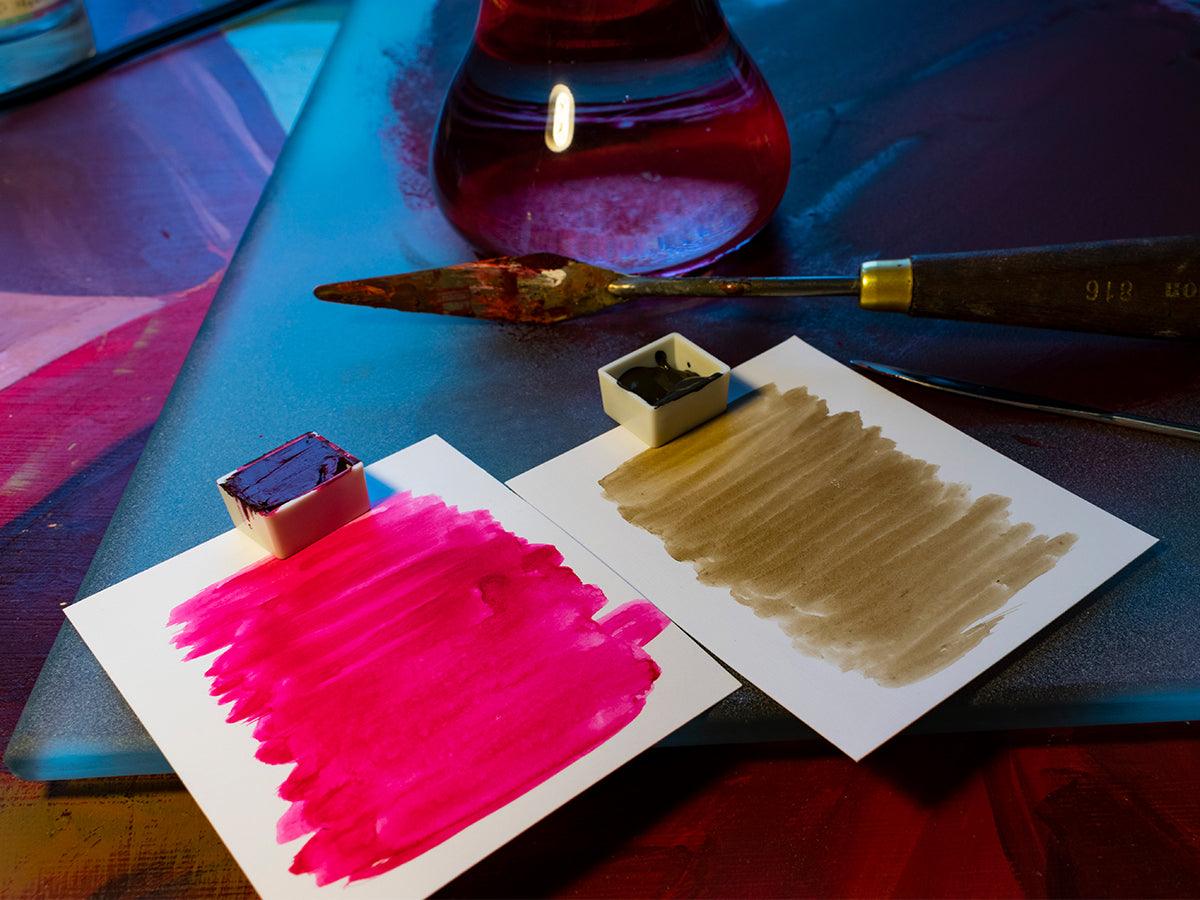
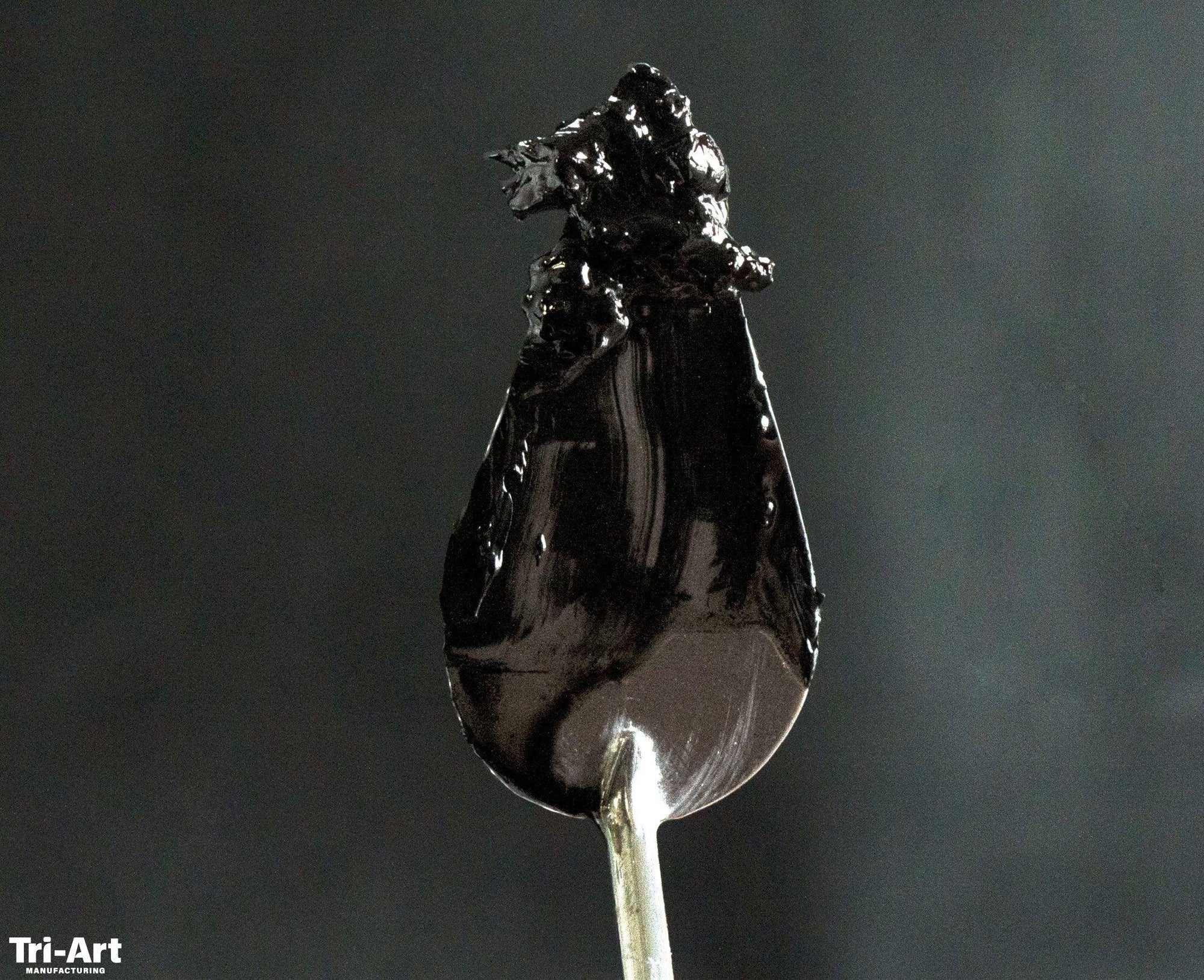
Grinding is the essential step in paint making that allows pigments to be transformed into smooth, liquid paint. Pigment load is often given primacy over all else when evaluating paint but the qual...
acrylic
Modern and Post-Modern Pigments: Cadmiums vs. Bismuth Yellow and Pyrrole Red
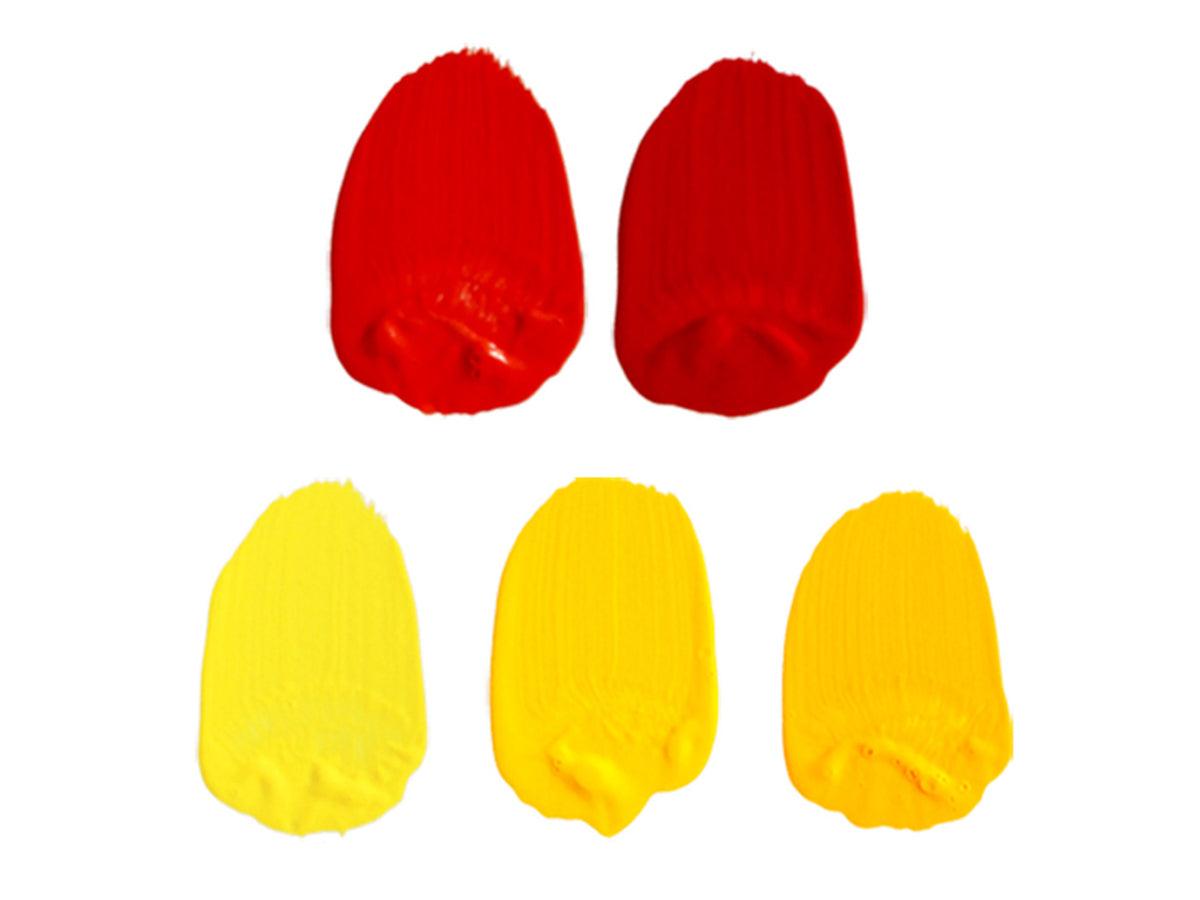
Today’s article makes the case for cadmium’s post-modern ancestors, bismuth yellow and pyrrole red. Where did these pigments come from and why should you choose them instead of cadmium colours?
alkyd
Sun-Kissed and Science Based: Tri-Art Oil Paint Formulations
What makes Tri-Art oils unique? In this article the history and chemistry of oil paints are explored. What is the difference between sunflower and safflower oil? What is alkyd? Why do oil paints us...