Quick answers to common questions on Tri-Art Liquid Acrylics. If you still need help, contact us and we’ll point you to the right option.
What makes Tri-Art Liquid Acrylics different from other acrylic paints?
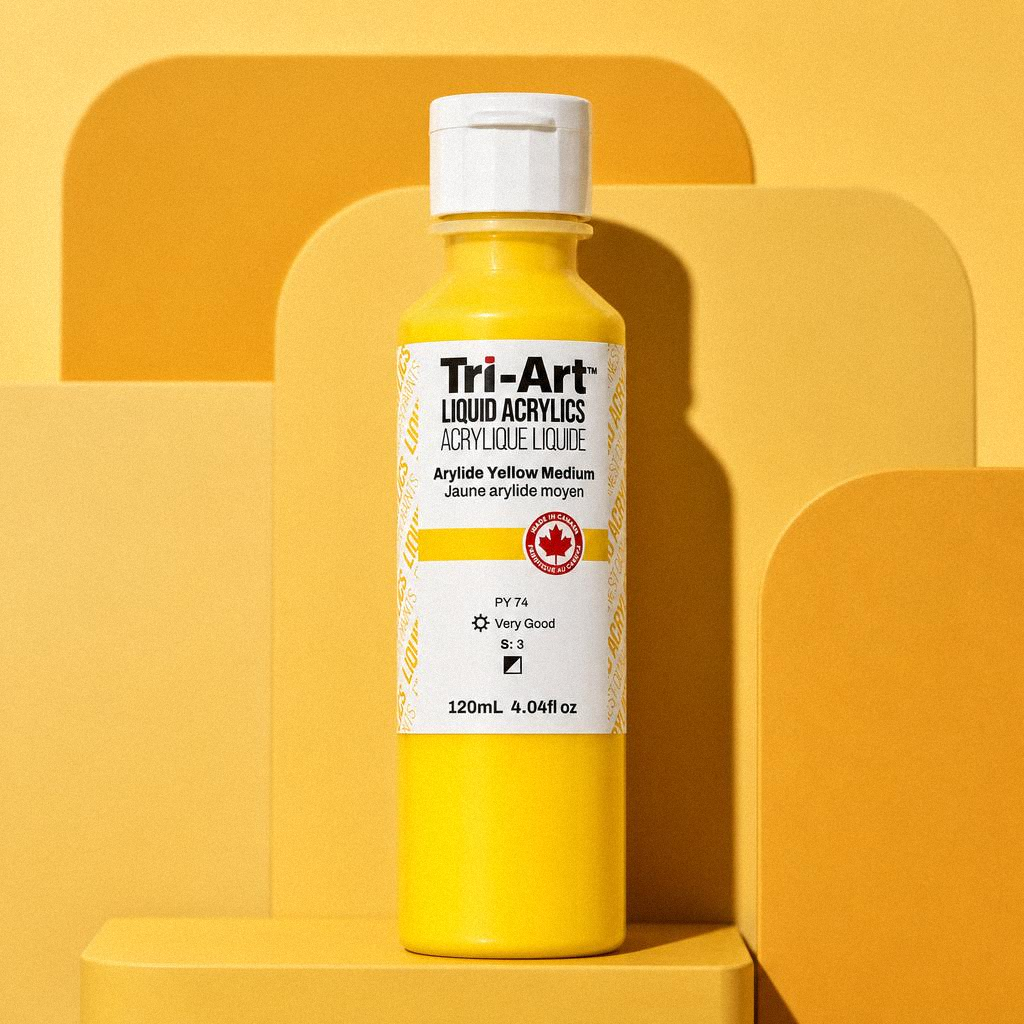
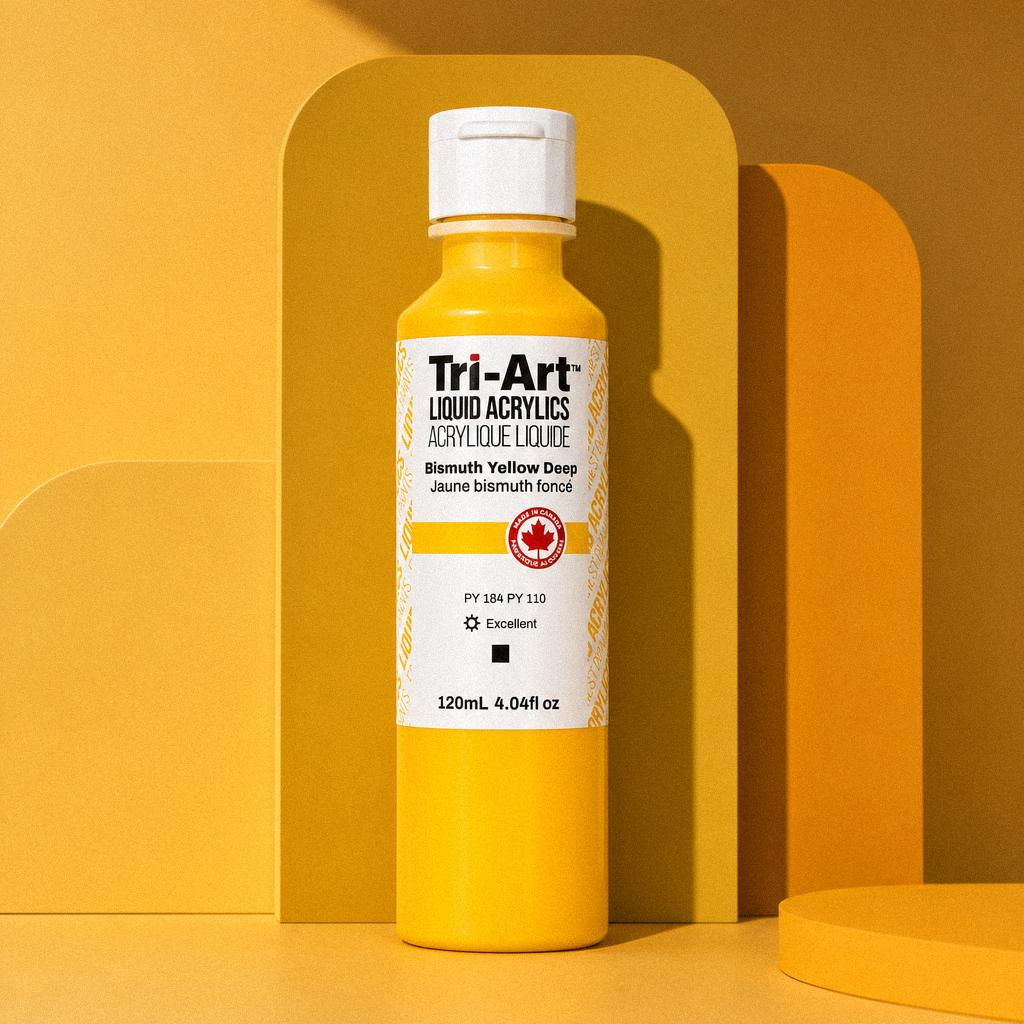
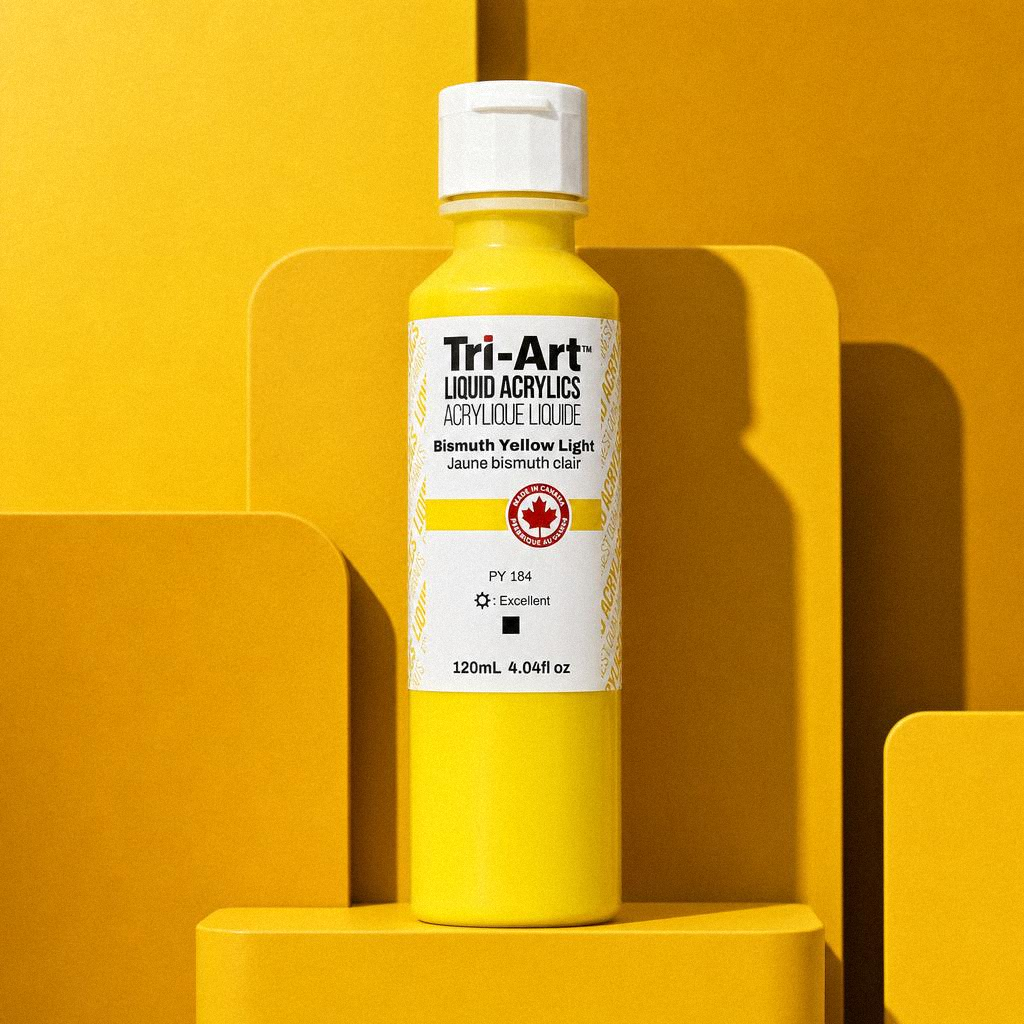
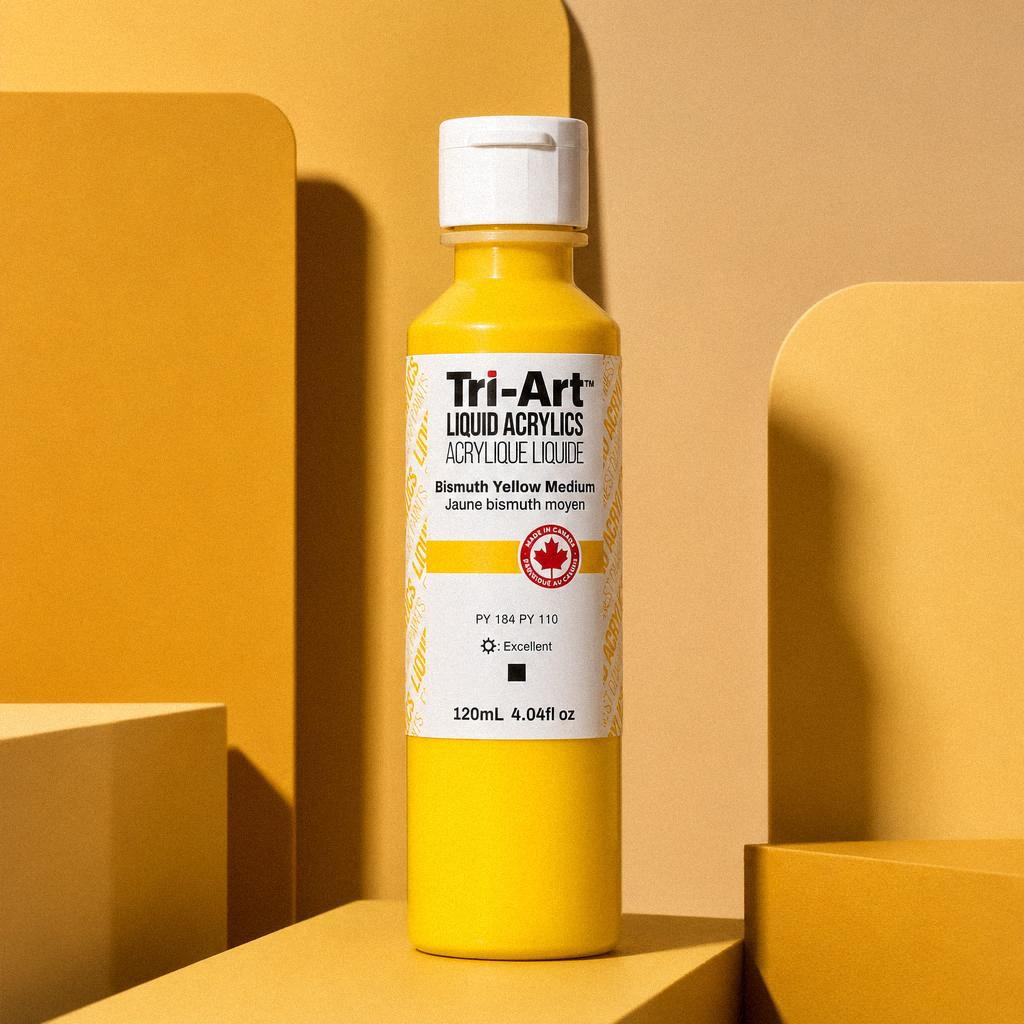
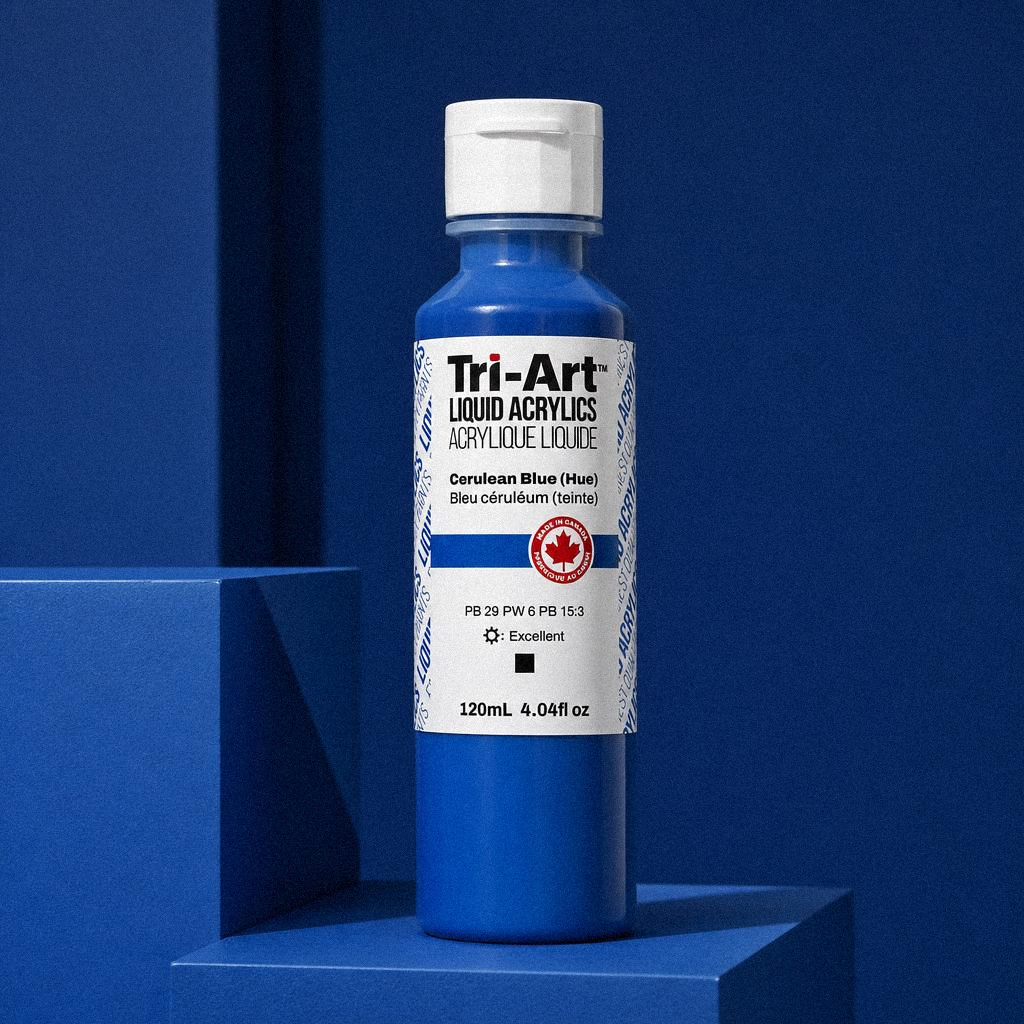
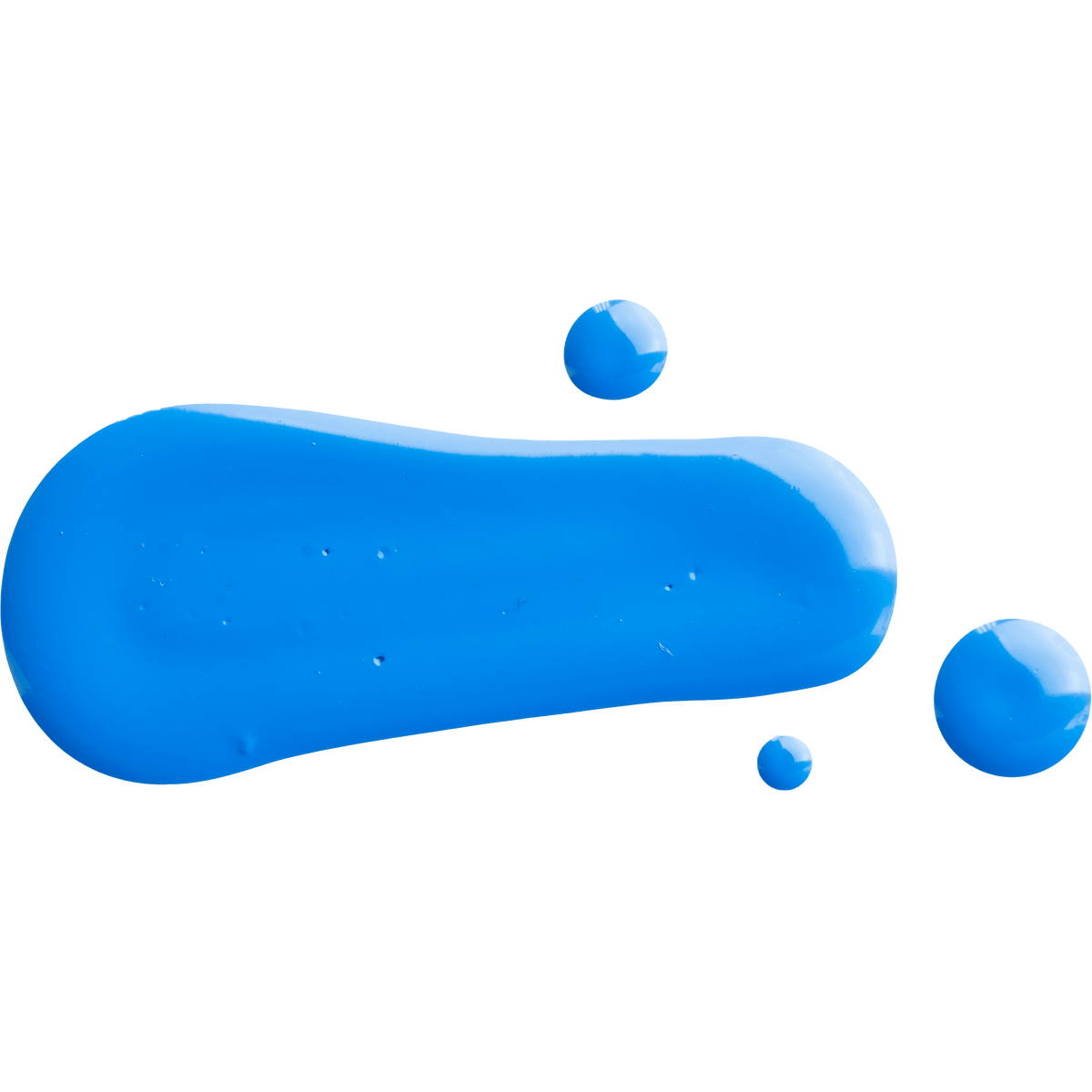
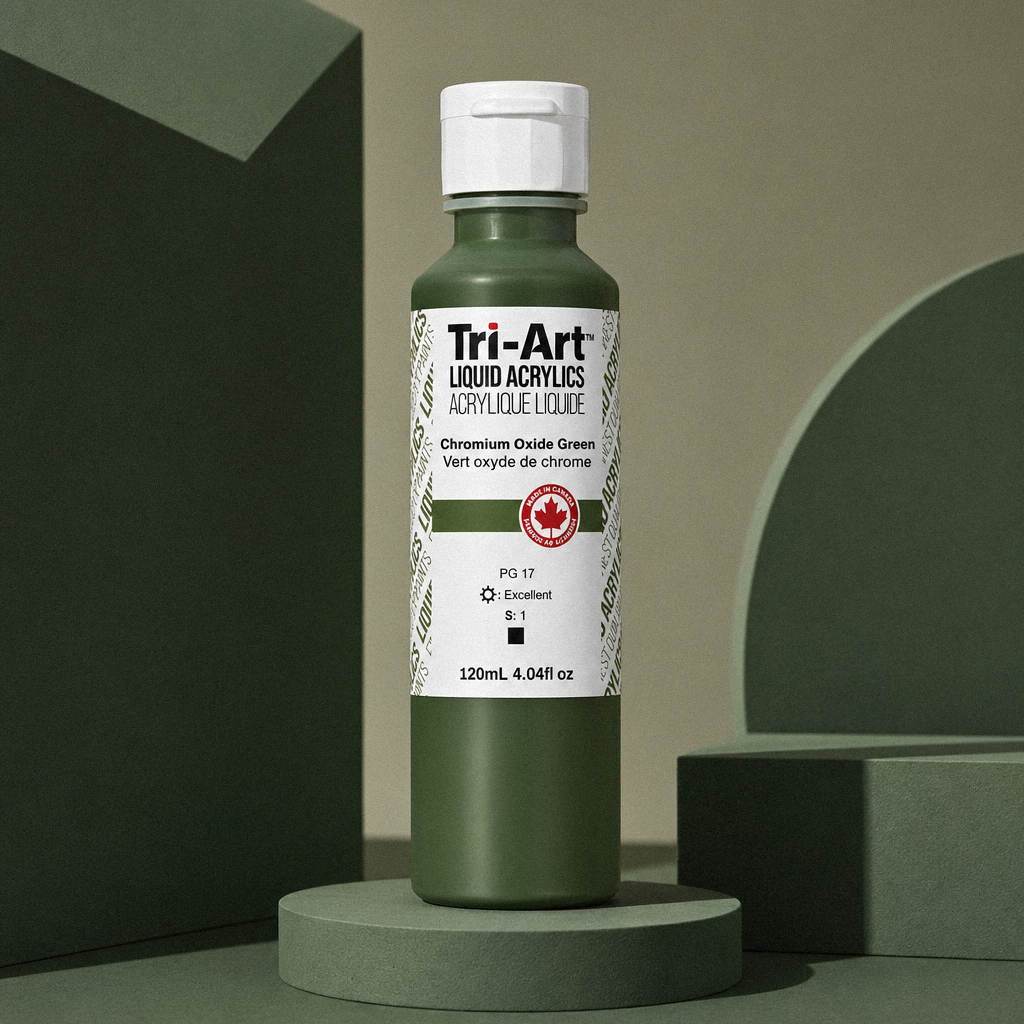
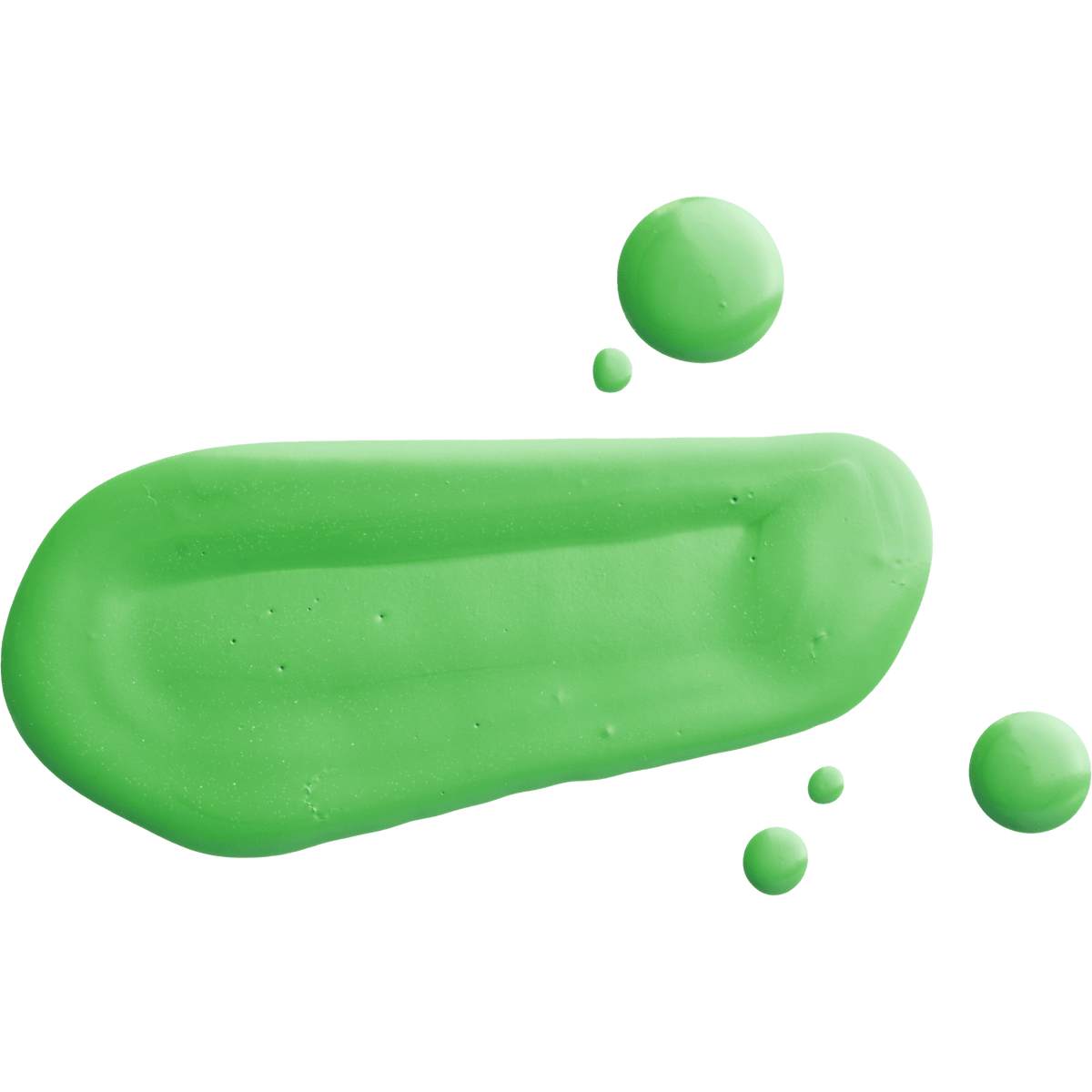
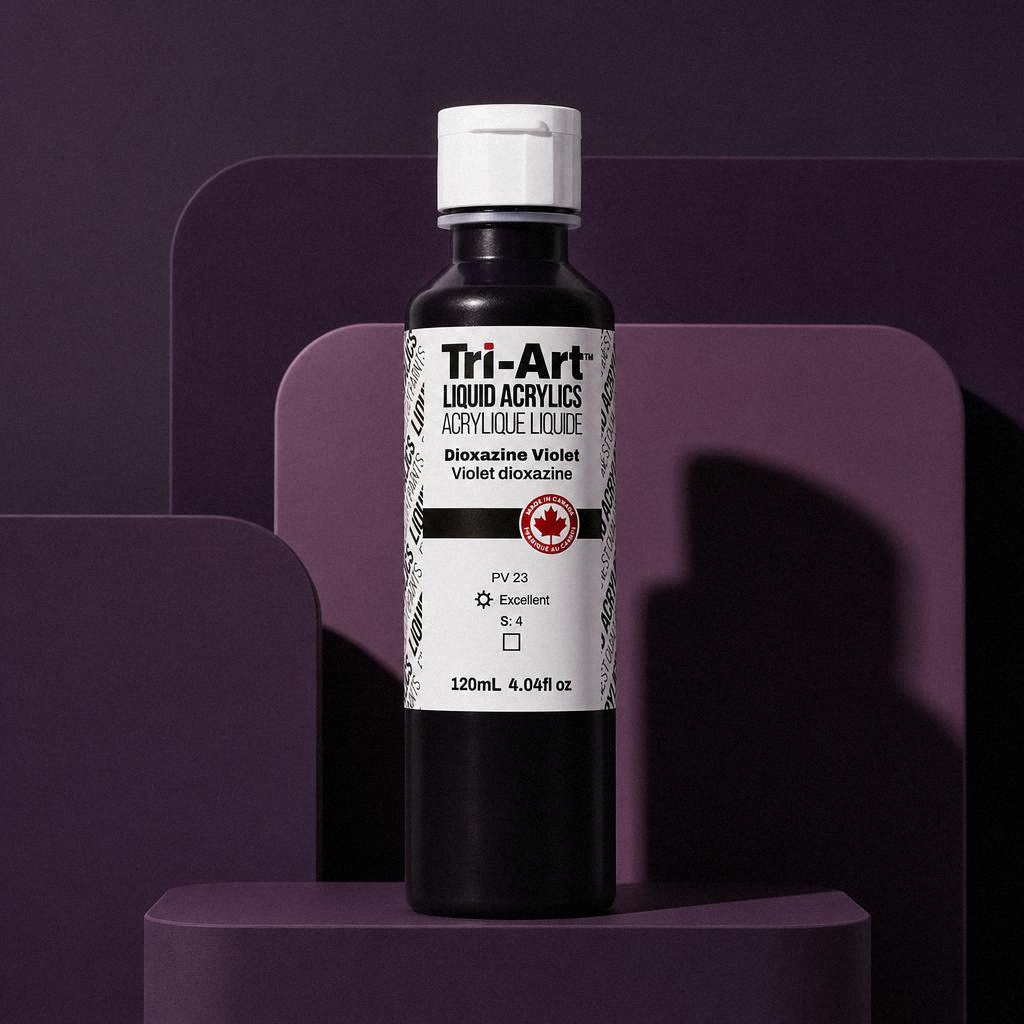
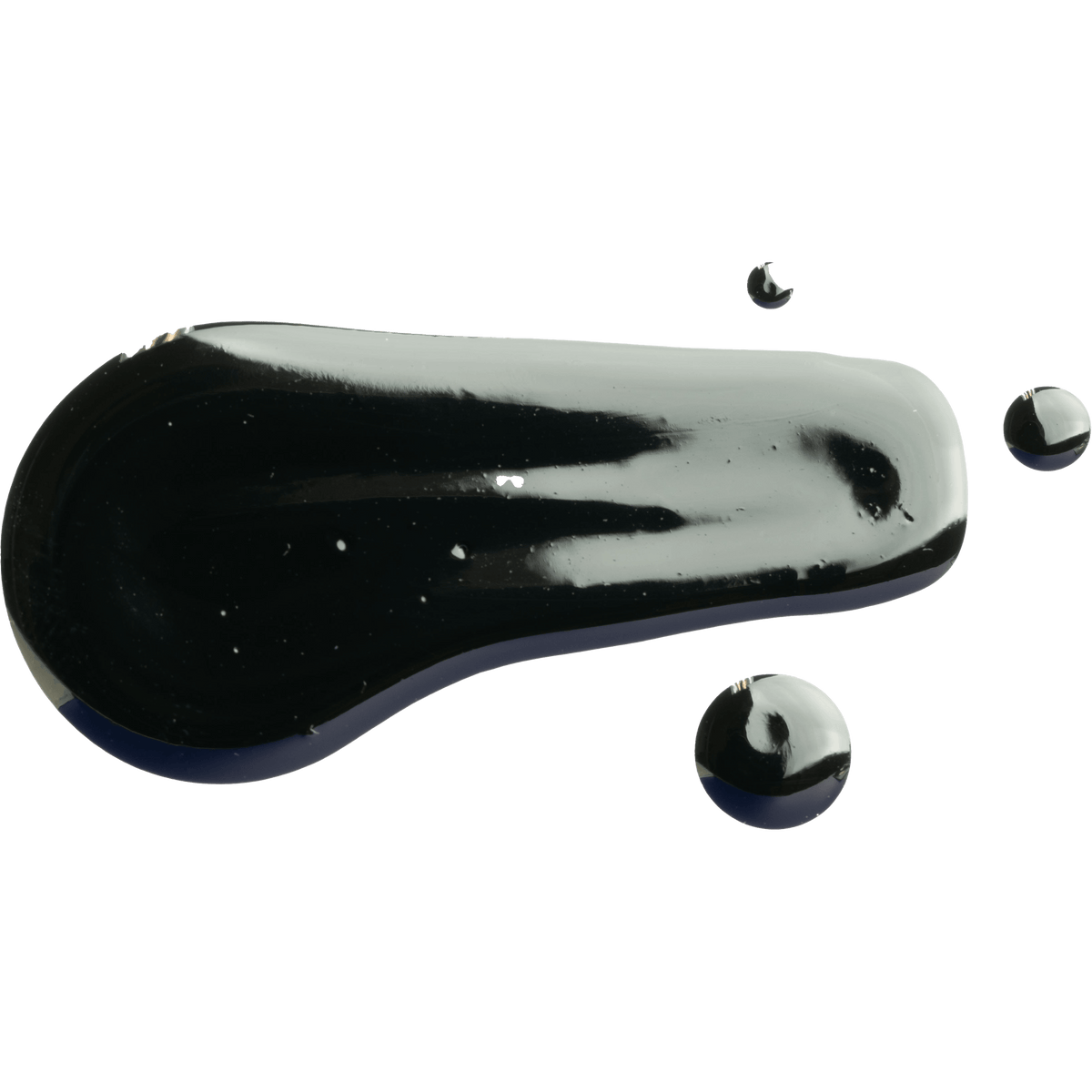
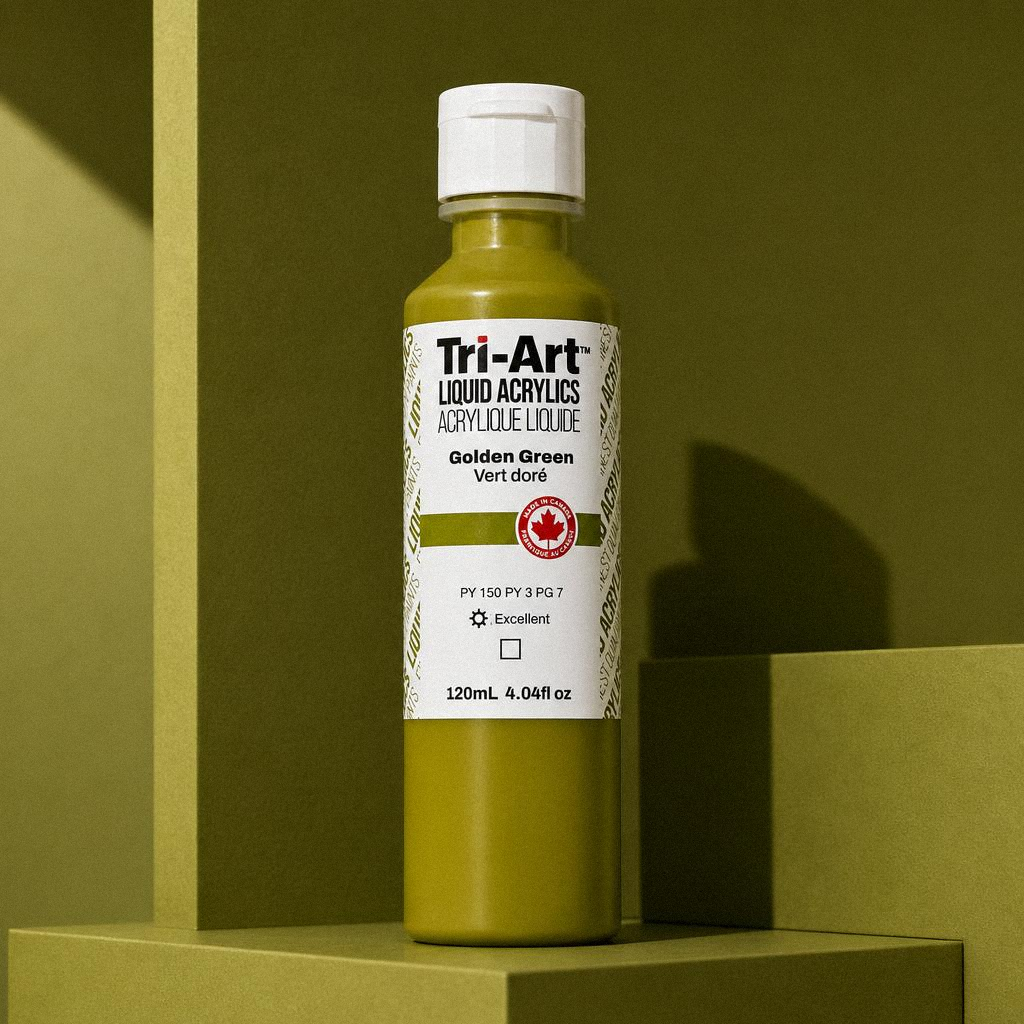
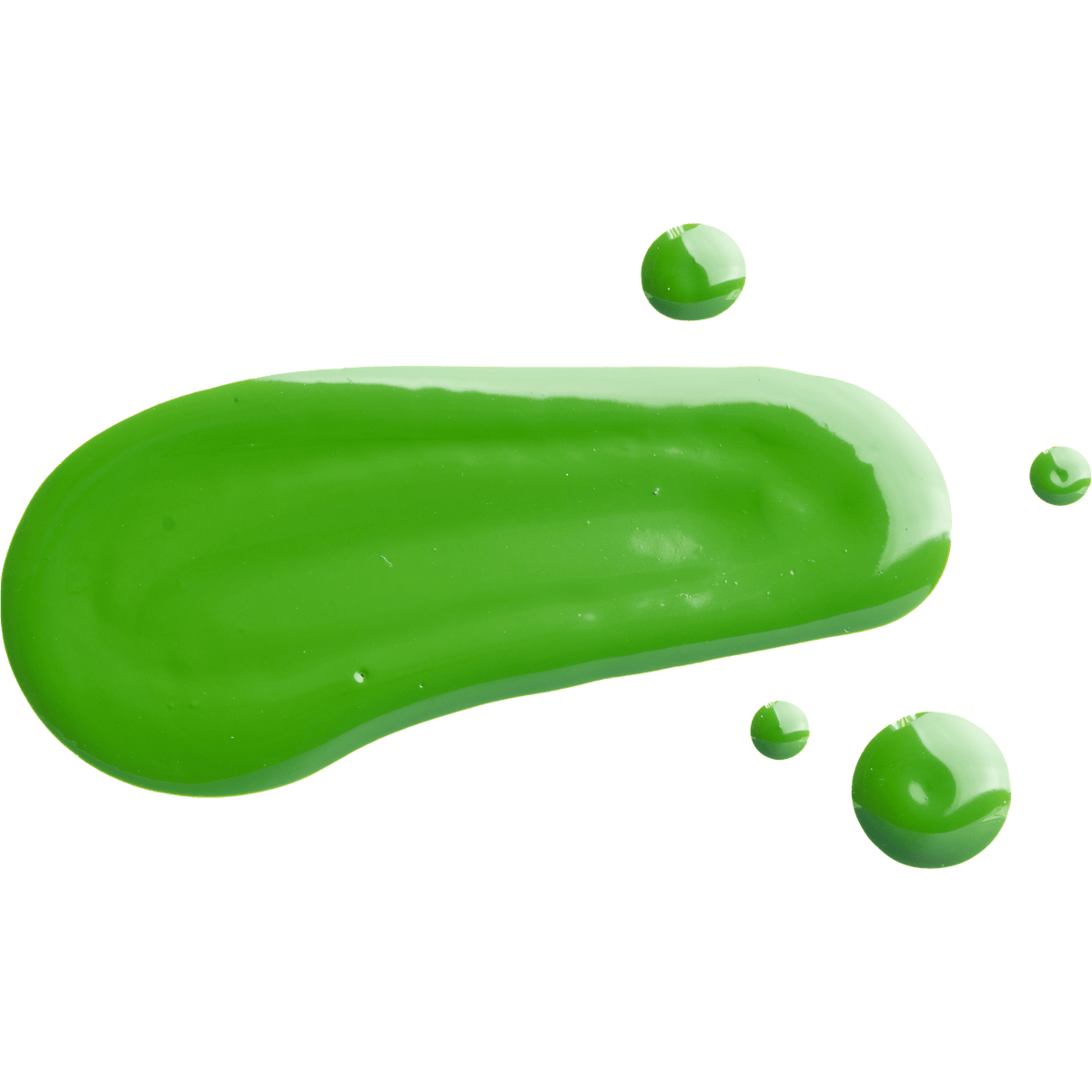
Tri-Art Liquid Acrylics are a professional “fluid/soft body” acrylic with a lotion-like consistency designed for smooth coverage, plus the flexibility to thicken for impasto or thin for glazing depending on your method; for the cleanest passages, load a soft synthetic and lay the stroke down with light pressure, then stop before the surface starts to tack. Explore the full colour range in the Tri-Art Liquid Acrylics collection.
Can I thin Tri-Art Liquid Acrylics with water for glazing and washes?
Yes, Tri-Art notes Liquids can be thinned with water, so start by adding water gradually on the palette until the paint flows for your wash, then test on scrap to confirm the edge you want; if you need a very extended, binder-rich glaze (especially over slick underlayers), switch to Polymer Medium Gloss (Liquid formula without pigment) instead of pushing water further, and let each layer dry before the next to avoid scuffing or lifting. For colours and sizes, see the Tri-Art Liquid Acrylics collection.
How do I thicken Liquid Acrylics for impasto or knife work?
Thicken Liquids by mixing in a gel medium until the mix holds the peak you want, since Tri-Art Gel Mediums are essentially high viscosity paint without pigment and are built to hold texture; mix with a palette knife (not a brush) to avoid whipping in air, apply with confident knife passes, and allow thicker ridges longer dry time before overpainting. Start with Gel Medium Gloss and match your colour from the Tri-Art Liquid Acrylics collection.
What is the best way to make luminous glazes with Tri-Art Liquid Acrylics?
For luminous glazing, tint Glazing Medium Gloss (it dries clear and is intended for glazes) with Liquid Acrylic colour, then apply in thin, even films with a soft brush, letting each pass dry before adding the next; Tri-Art notes this medium can be tinted in any proportion, and specifically recommends tinting with Liquid or Ink colours for best results. Pick your glaze colour from the Tri-Art Liquid Acrylics collection.
Why do my Liquid Acrylic layers look streaky or patchy, and how do I fix it?
Streaks usually come from underloading the brush or overworking the film as it starts to grab, so try laying down a slightly wetter, fuller stroke and leaving it alone; if you need more slip and flow without “over-watering,” add a small amount of Polymer Medium Gloss to improve flow while maintaining a coherent acrylic film, then level with one light finishing pass.
Can I mix Tri-Art Liquid Acrylics with other Tri-Art acrylics and mediums?
Yes, Tri-Art’s mediums are designed as “acrylic without pigment” to change handling and dry-film qualities, and many texture gels are made to mix easily with professional acrylic colours; for predictable results, mix a small test batch first, keep notes on proportions, and if sheen consistency matters build your layers with the same finish family (gloss with gloss, matte with matte) rather than trying to force a single final look by over-mixing finishes. For compatible options, see Tri-Art Acrylic Mediums and choose colours from the Tri-Art Liquid Acrylics collection.
Do Liquid Acrylics work for fine detail, line work, and illustration-style painting?
They do, because Liquids sit at a useful midpoint between very thick and very thin acrylics, and you can tune them for detail work by adding a little Polymer Medium Gloss (Tri-Art describes it as the Liquid formula without pigment and “perfect for detail painting”); use a small synthetic, build lines in two thin passes rather than one heavy one, and let the first pass set up before sharpening edges. Shop colours in the Tri-Art Liquid Acrylics collection.
How do I choose between Tri-Art High Viscosity, Liquids, and Low Viscosity for a project?
Choose by outcome: High Viscosity is the thick, buttery option for impasto and knife painting, Liquids are lotion-like with smooth coverage and can be thickened for impasto or thinned for glazing, and Low Viscosity is water-like for fine detail, large washes, glazing, multimedia, and airbrush applications; if you want one “do most things” format, start with Liquids and adjust with water or the right medium as needed for the passage. Begin with the Tri-Art Liquid Acrylics collection, and for a quick overview of the lines see Types of Acrylic Paint.
Elva Hook
Always great pigment and viscosity
Always great pigment and viscosity.
Tri-Art Liquids - Raw Umber
Lindaclark
Lovely color, lovely paint nice
Lovely color, lovely paint nice transparency
Tri-Art High Viscosity - Nickel Azo Yellow
Timothy Thomas
Like Butter!
Nice consistency. Great for glazing to warm up Titanium White on my current project that got too cool. Next time I'll watch for where to use it off the bat.
Tri-Art High Viscosity - Unbleached Titanium
Susan Cubitt
I tried this for the first time on raw canvas
I tried this for the first time on raw canvas as an alternative to the traditional white gesso. Very cool!
Tri-Art Mediums - Clear Gesso
Elva Hook
Excellent Gesso!
Excellent Gesso! Smoooooth
Tri-Art Mediums - Burnt Umber Gesso
Jen
GAME changer
I have a problem with adding Titanium White to create opacity in some of my more transparent colours...it just dulls the LIFE out of'em...so purchased this medium as a substitute. To be fair, I wasn't overly hopeful. But O.M.G. this I pacifying Medium is the BombDotCom. HIGHLY recommend!
Tri-Art Mediums - Opacifying Medium
Manon Roberge
very happy
very happy
Tri-Art Liquids - Phthalo Turquoise
Susan Cubitt
My favourite blue!
Prussian Blue is my favourite of all the blues. I have used several tubes over the past few years and now buy it in the 250 ml. jar. Love it!