Tri-Art Watercolours

Luminous washes, clean mixes, and confident colour in any format

Strong chroma with transparency or opacity control for clean mixes

Pan and tube options to scale from travel palettes to large washes

Modern pigment choices extra-finely milled to perfection.

Quick Points on Tri-Art Watercolours

  • Pre-wet pans with a few drops of clean water, then pull colour from the softened surface for smoother, stronger washes
  • For consistent glazing, mix a small puddle first (don’t “scrub-mix” on the paper), then build layers after the previous wash is touch-dry
  • When you need big, repeatable mixes (skies, backgrounds, series work), choose tubes so you can mix a larger pool without colour drift
  • Use the label guide to check pigment code, transparency, and lightfastness before you build a limited palette
  • Turn tubes into a travel palette by refilling the Bamboo Sample Set wells and letting them dry for your next session

  • Made in Canada since 1994.
  • Free shipping on orders over $89
Filters

Filters

98 products
Sort by
Sort by
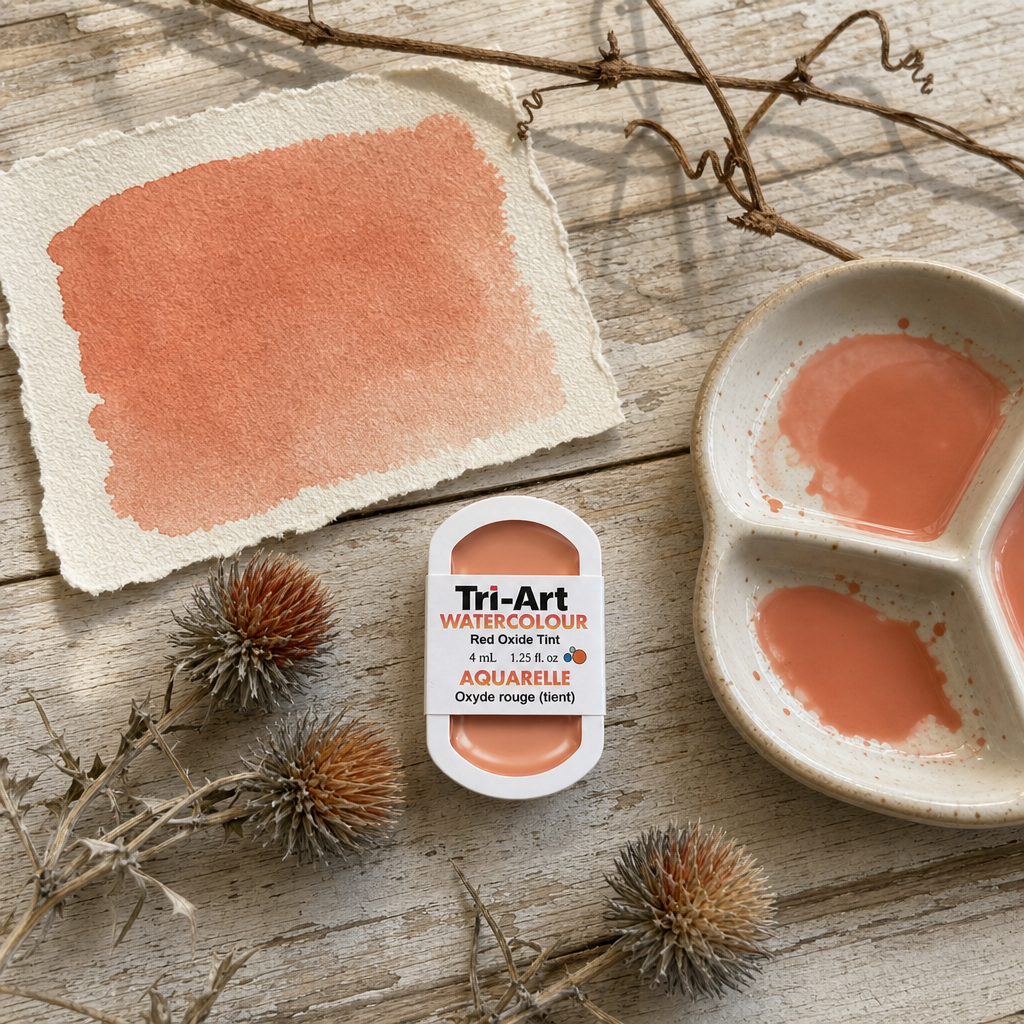
Tri-Art Watercolour pan in Red Oxide Tint, opaque warm terracotta hue, 4mL pan, Series 1
Tri-Art Water Colours - Red Oxide Tint
Sale priceFrom $5.67 USD
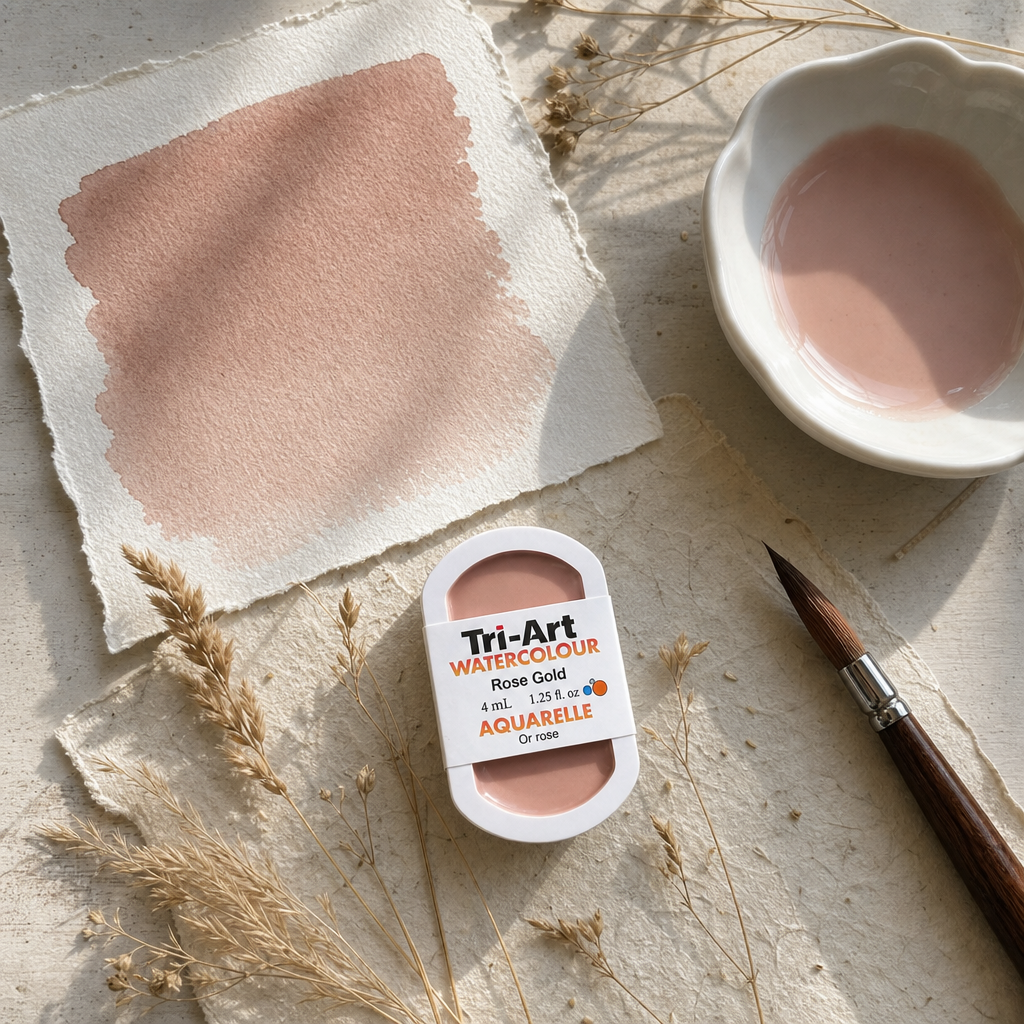
Tri-Art Watercolour pan in Rose Gold – semi-opaque, Series 1 – styled flat lay with painted swatch and dried botanicals
Tri-Art Water Colours - Rose Gold
Sale priceFrom $5.67 USD
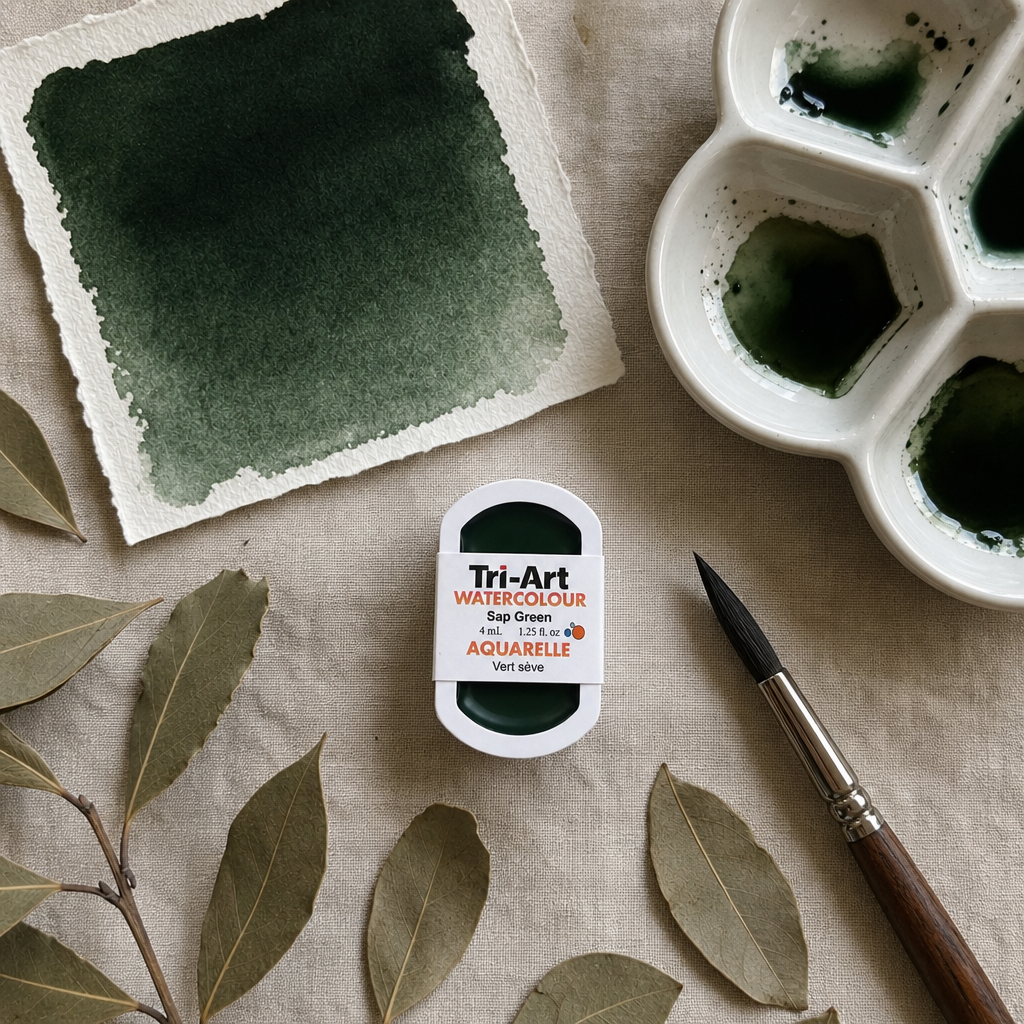
Tri-Art Watercolour pan Sap Green 4mL transparent artist watercolour, deep forest green wash swatch
Tri-Art Water Colours - Sap Green
Sale priceFrom $6.87 USD
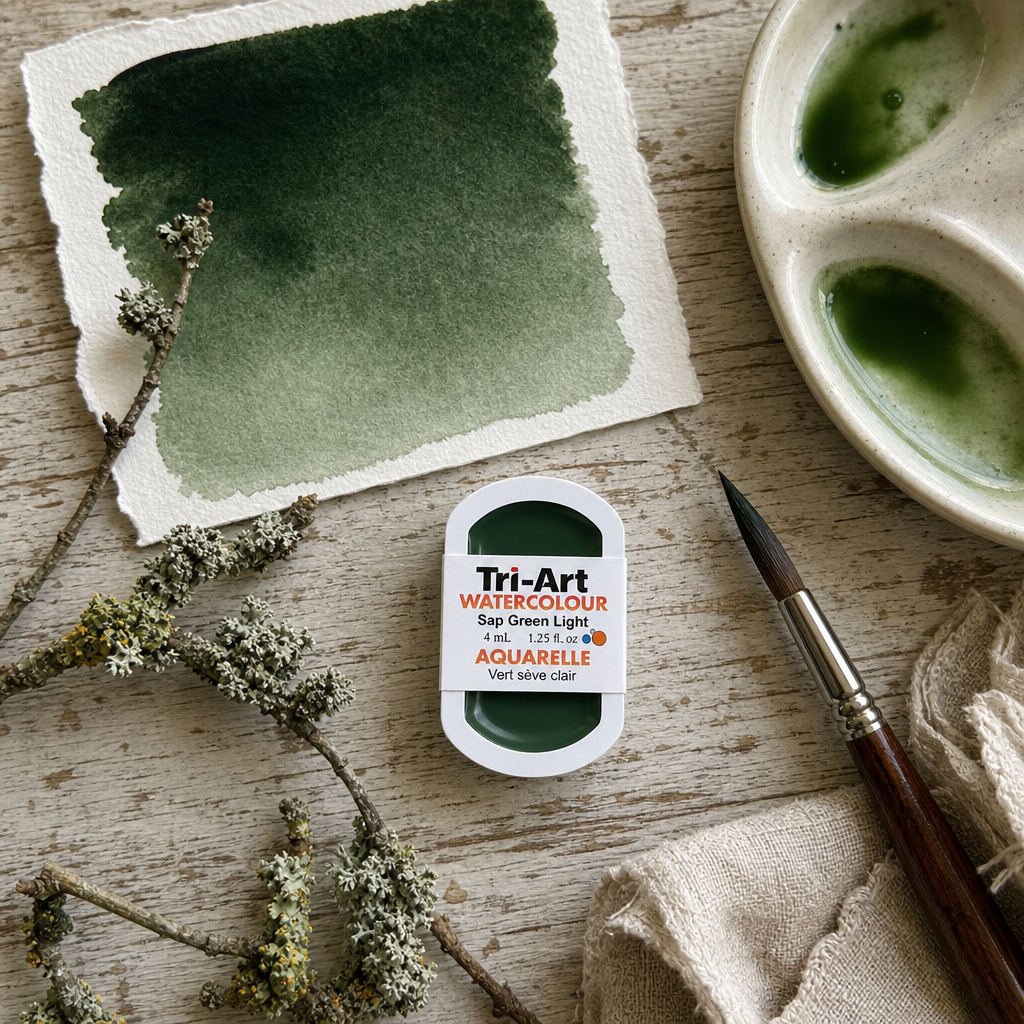
Tri-Art Watercolour pan Sap Green Light, transparent, Series 2, 4mL — flat lay with green wash swatch
Tri-Art Water Colours - Sap Green Light
Sale priceFrom $6.87 USD
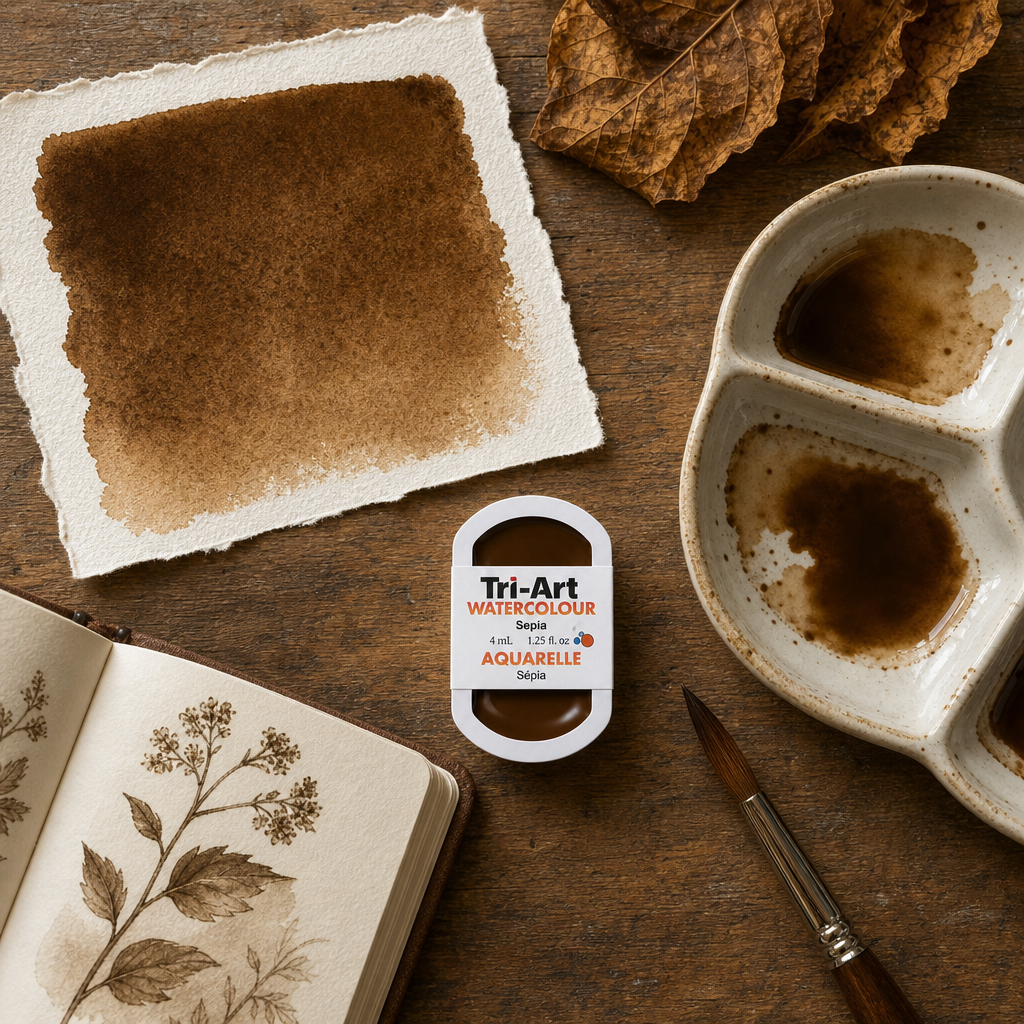
Tri-Art Watercolour pan in Sepia – transparent warm brown watercolour, Series 2, 4mL pan
Tri-Art Water Colours - Sepia
Sale priceFrom $6.87 USD
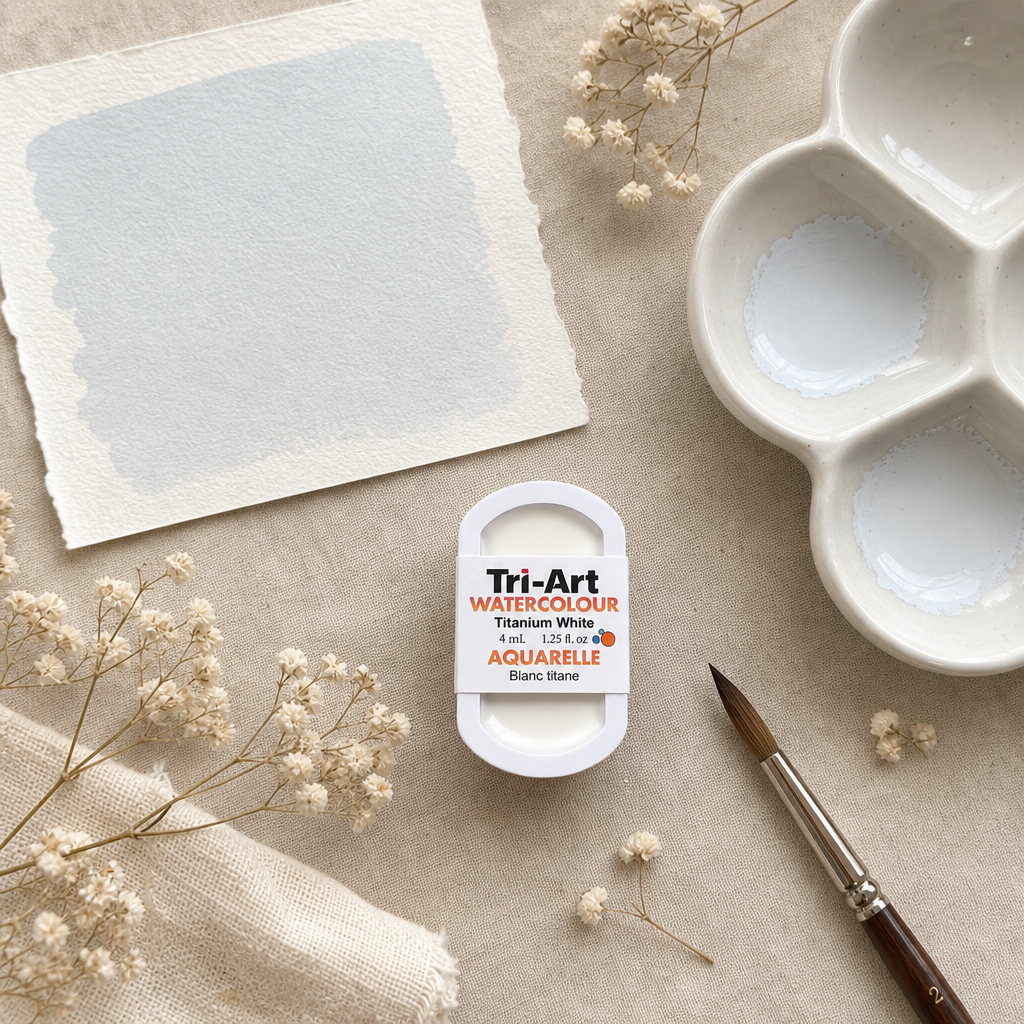
Tri-Art Watercolour pan Titanium White 4mL opaque watercolour paint, soft flat lay with dried baby's breath on cream linen
Tri-Art Water Colours - Titanium White
Sale priceFrom $5.67 USD
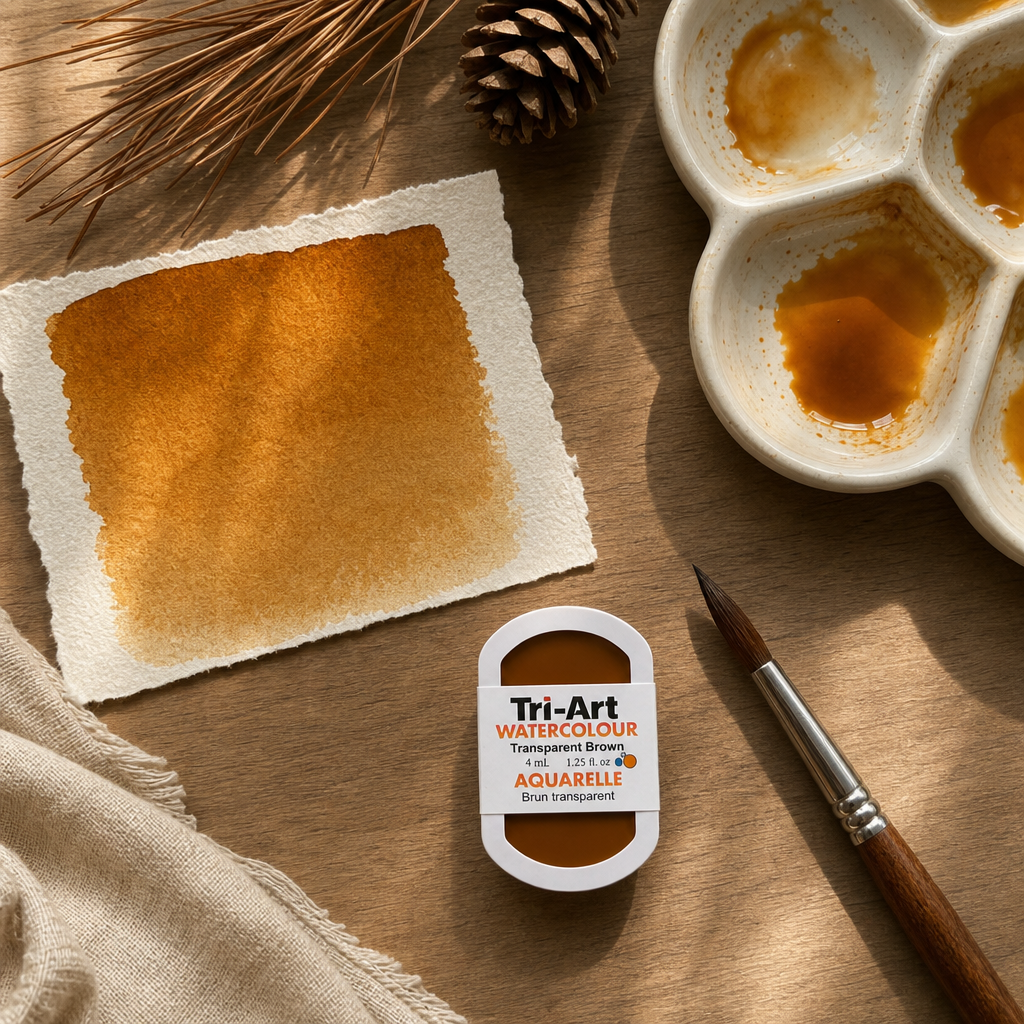
Tri-Art Watercolour pan Transparent Brown 4mL — warm amber-brown pigment PY 42 Series 2 watercolour pan
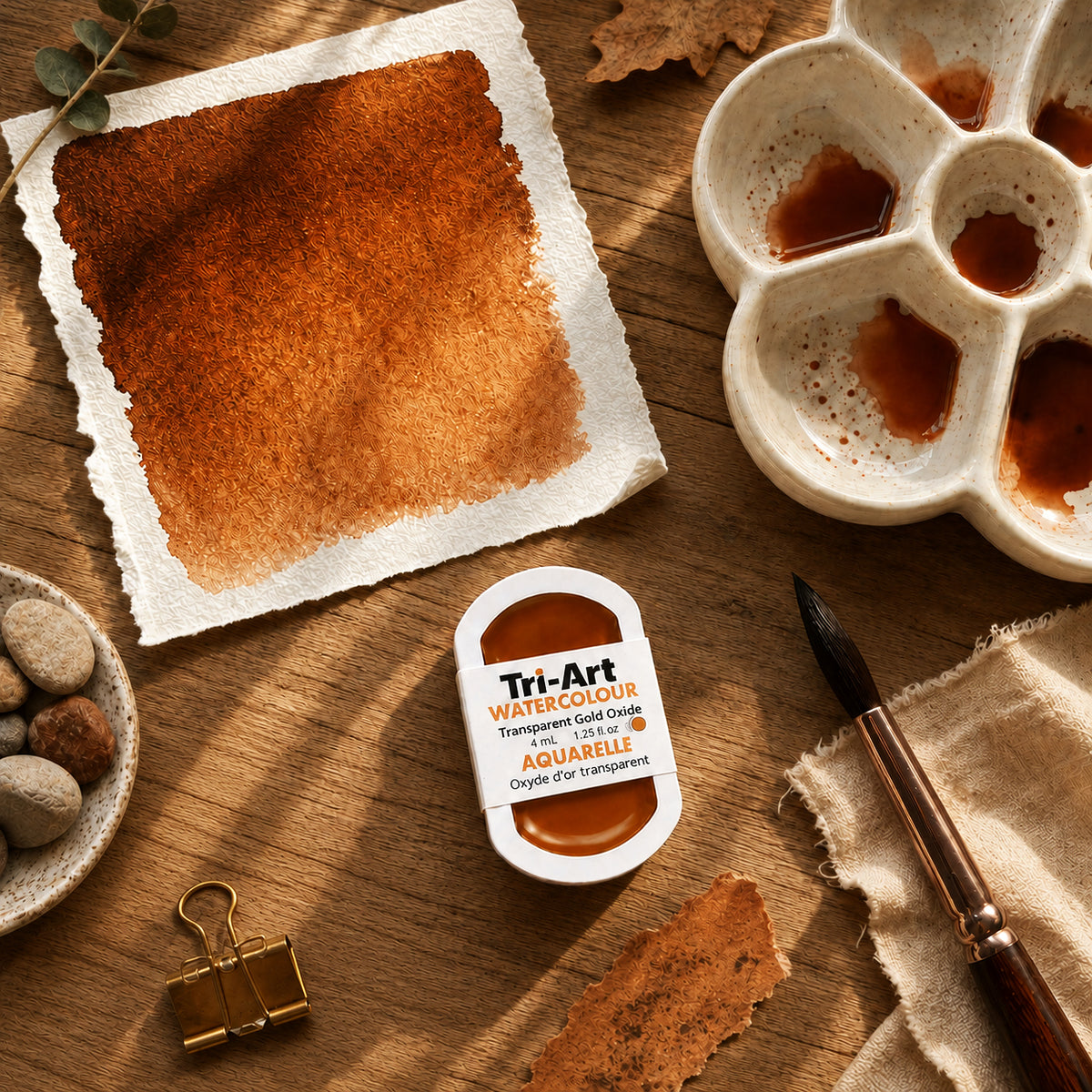
Tri-Art Watercolour pan Trans. Gold Oxide transparent earth tone deep reddish-brown watercolour paint
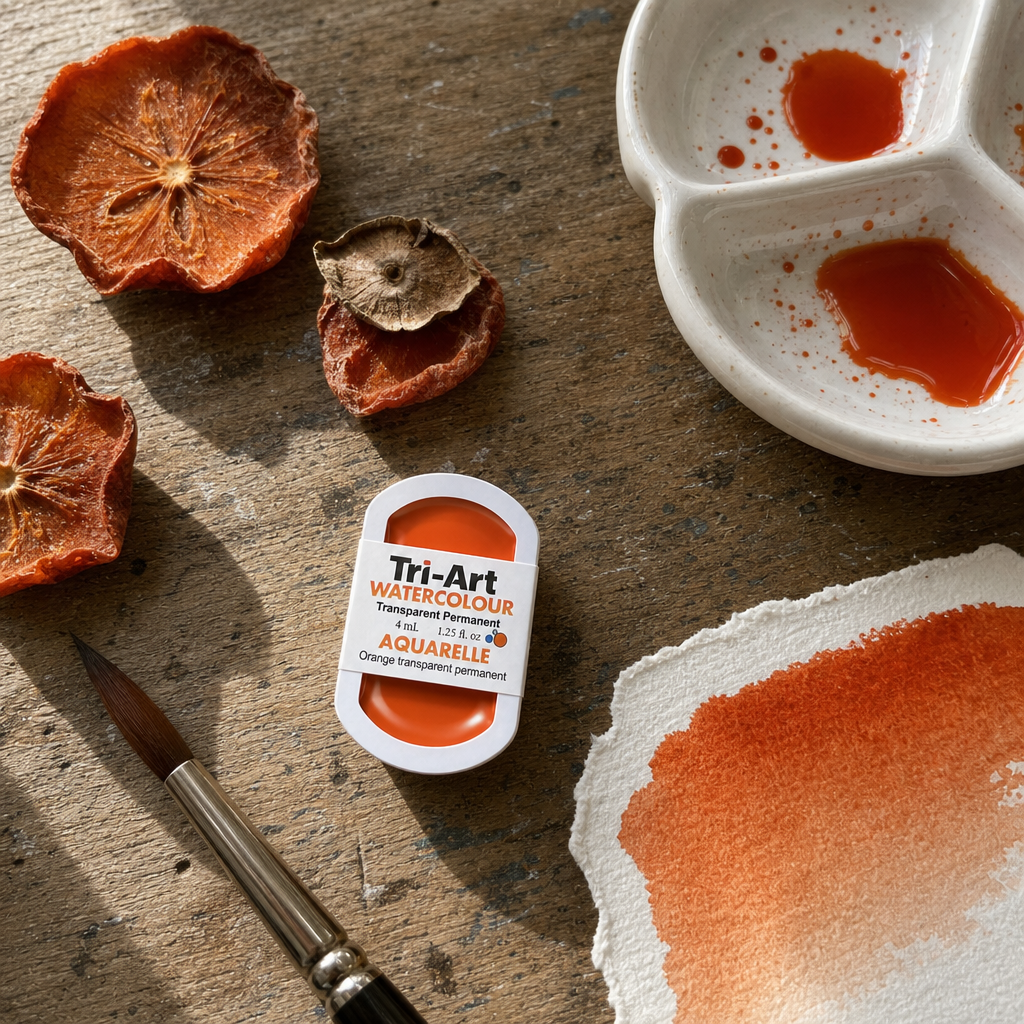
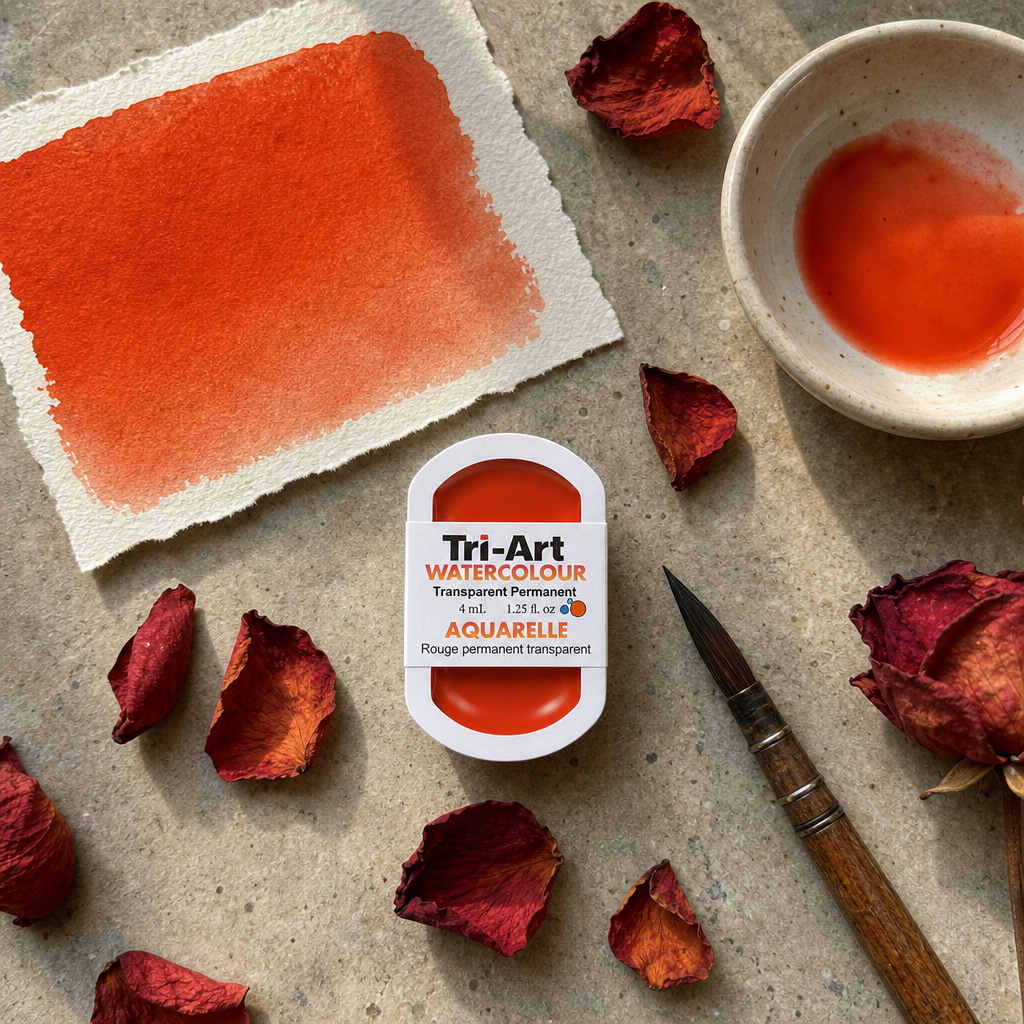
Tri-Art Watercolour pan Transparent Permanent Orange, 4mL — warm deep orange watercolour pan flat lay with dried persimmon props
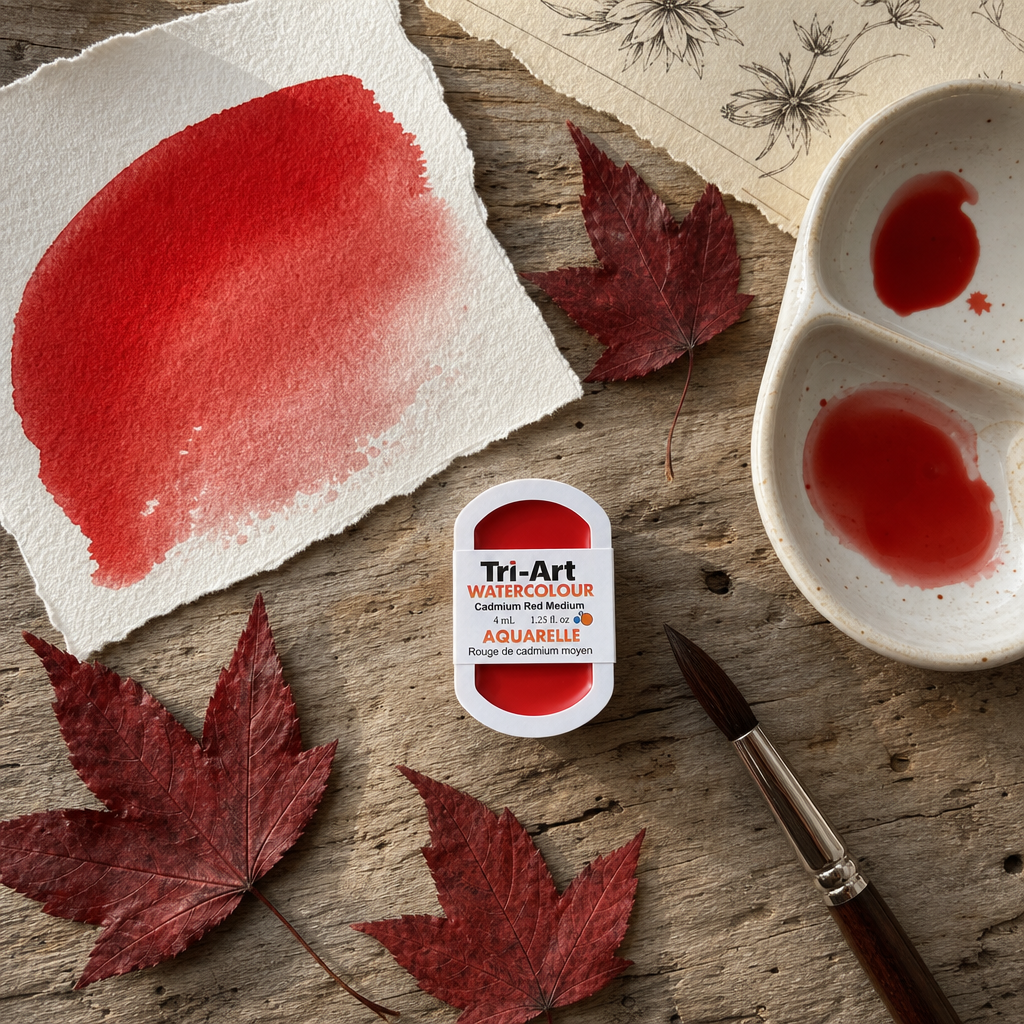
Tri-Art Watercolour pan Transparent Permanent Red Light, PO 71 Series 3, warm red-orange pigment, 4mL
Tri-Art Watercolour pan Transparent Pyrrole Red Medium, deep crimson watercolour paint, 4mL artist quality
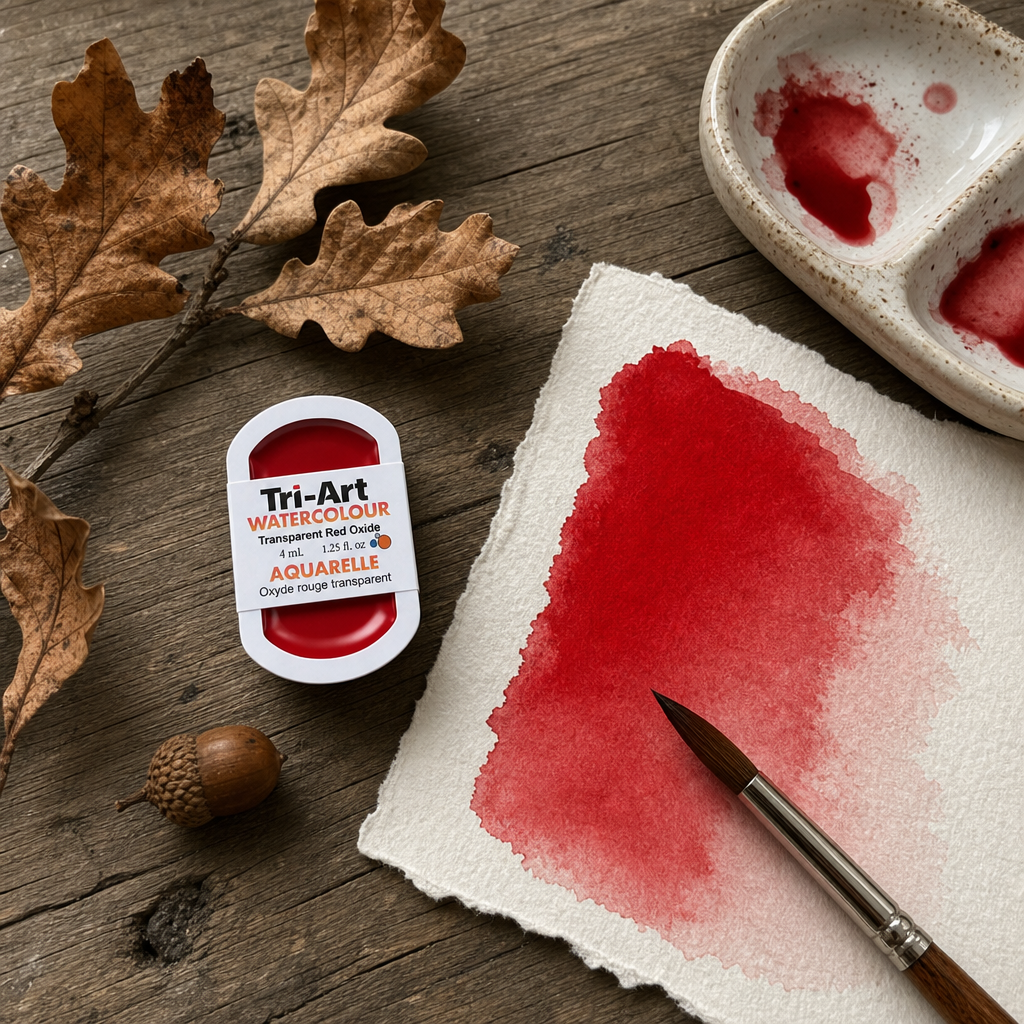
Tri-Art Watercolour pan in Transparent Red Oxide, deep crimson wash swatch on cotton paper, flat lay on weathered wood
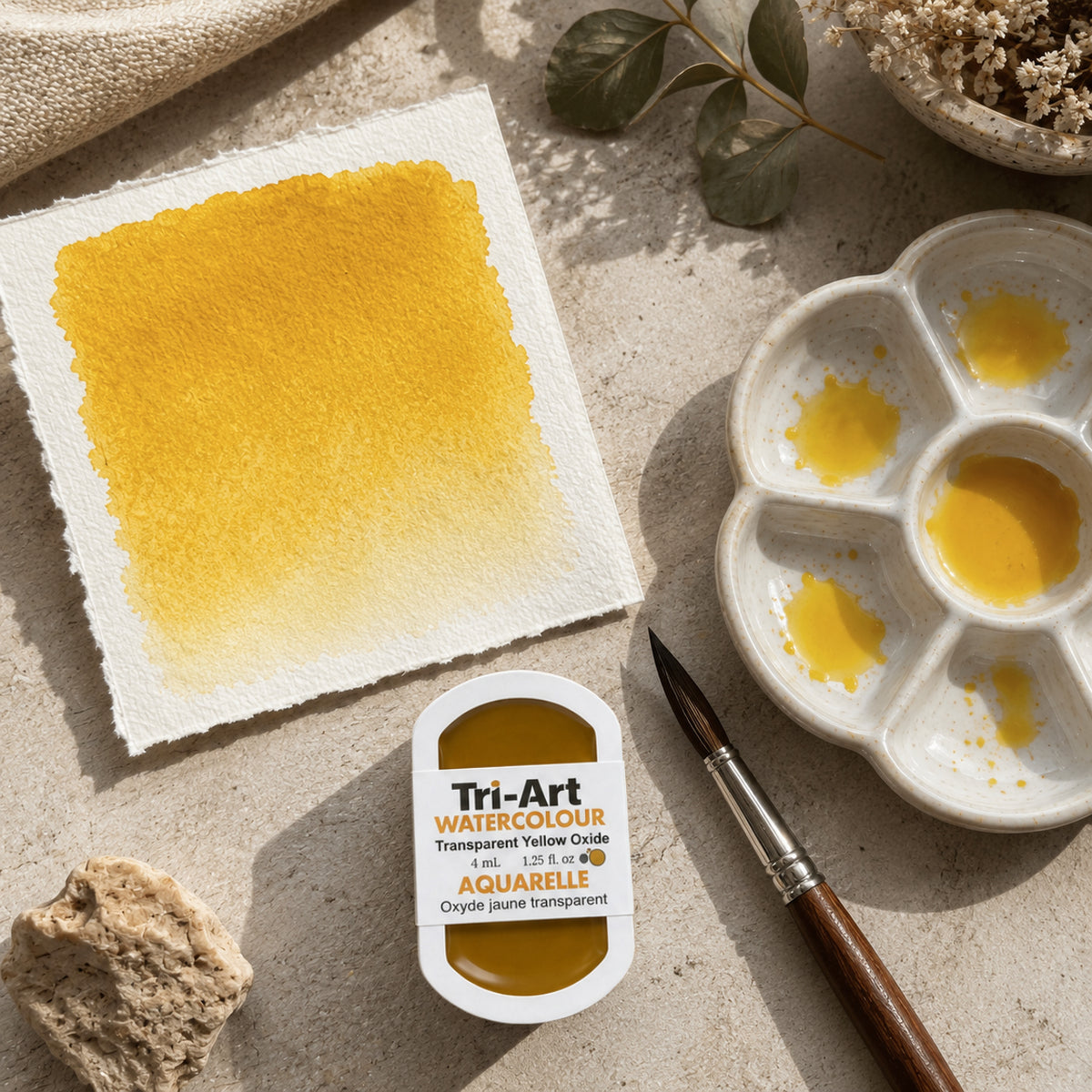
Tri-Art Watercolour pan in Transparent Yellow Oxide, 4mL — warm reddish-brown transparent watercolour, Series 1
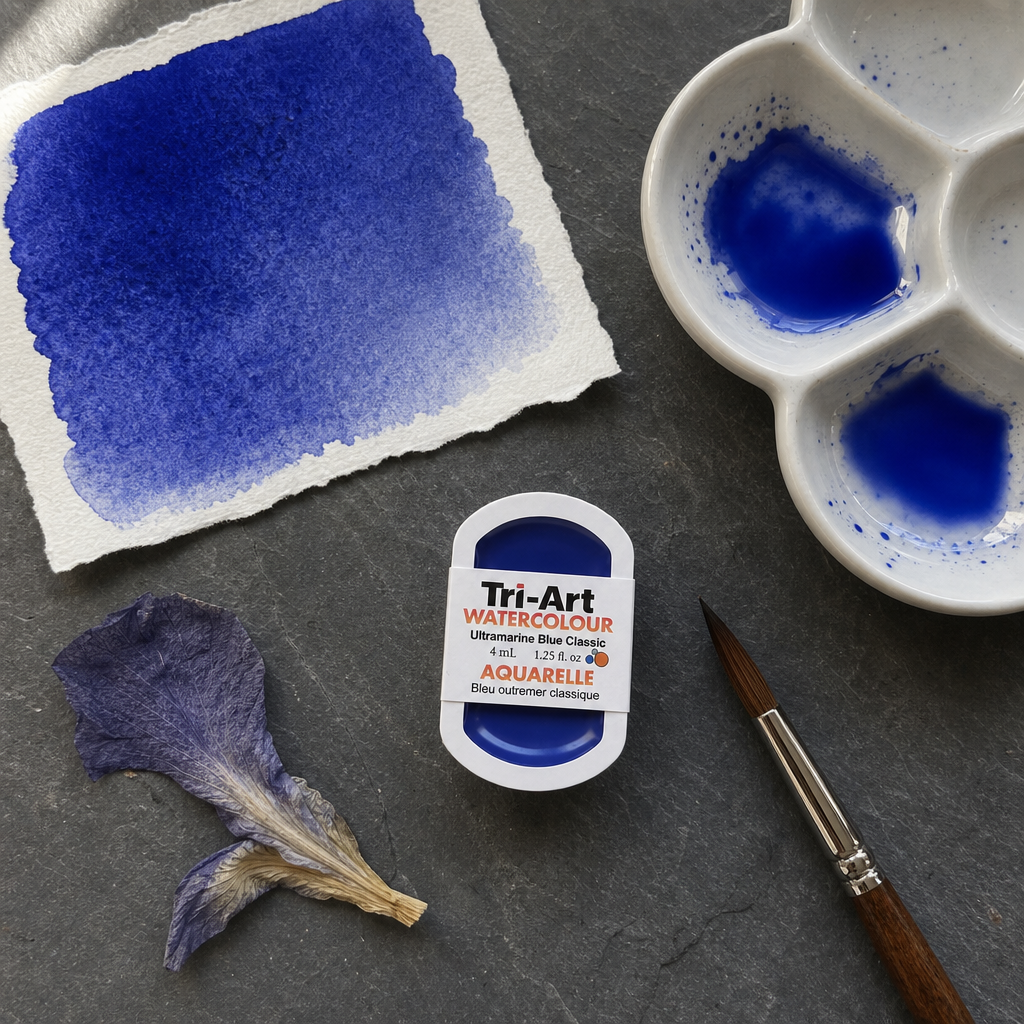
Tri-Art Water Colours - Ultramarine Blue
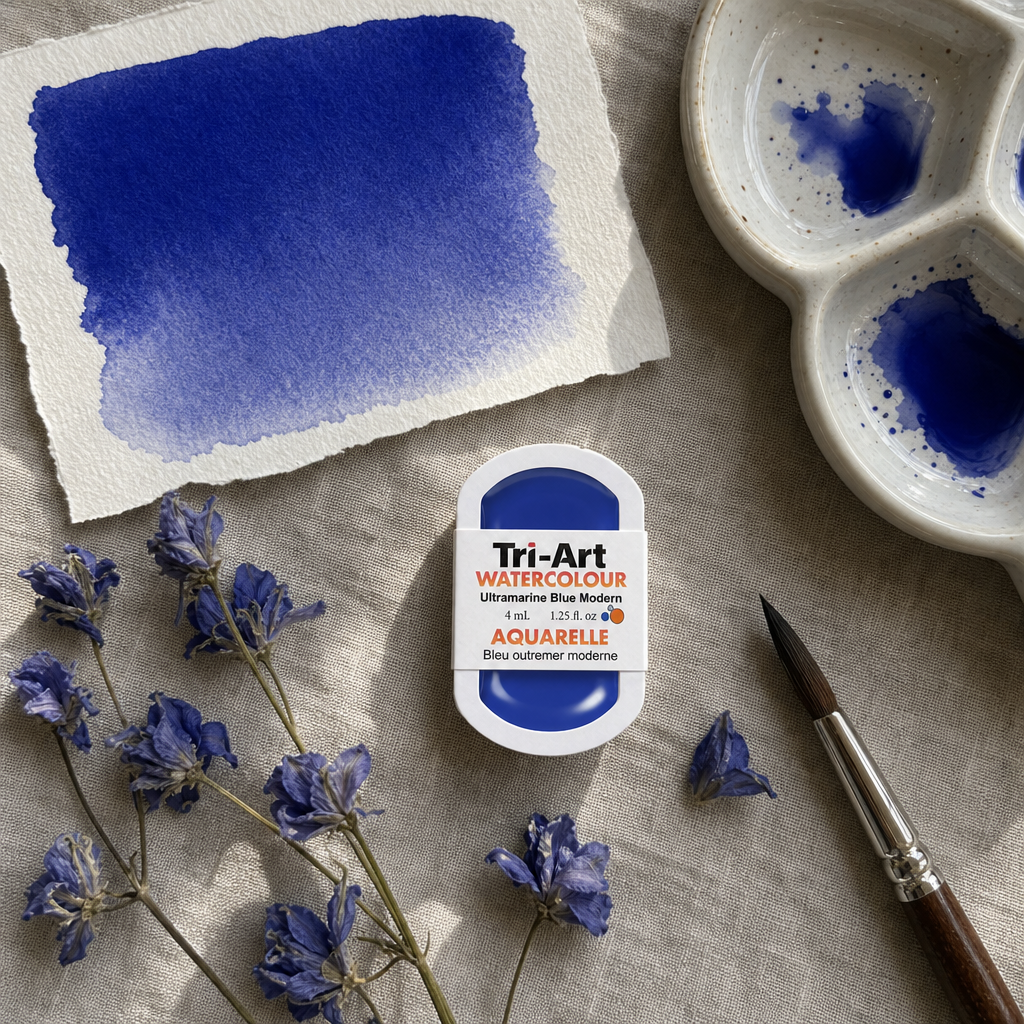
Tri-Art Water Colours - Ultramarine Blue Modern
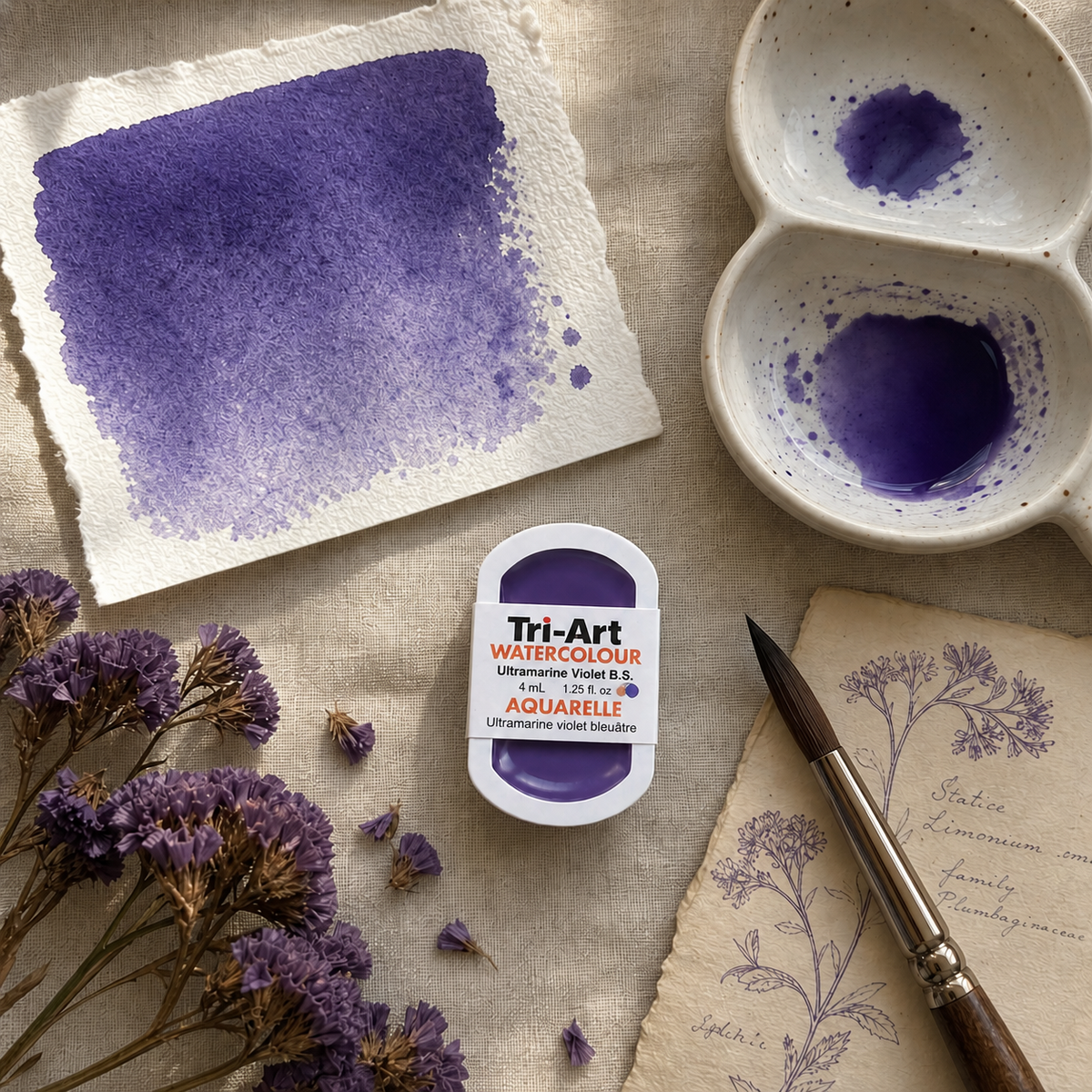
Tri-Art watercolor paint with a swatch on paper, brush, and floral elements on a textured surface
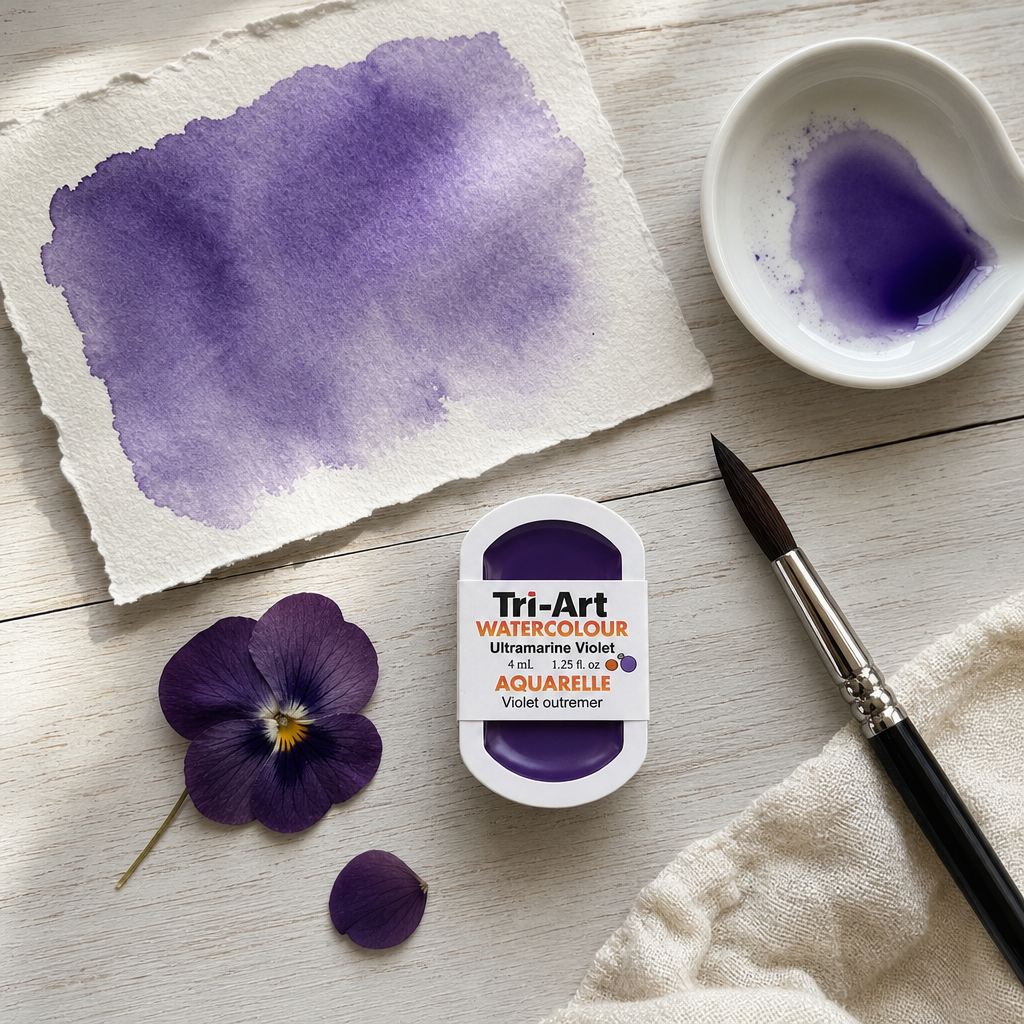
Tri-Art Watercolour pan Ultra Violet RS transparent PV 15 Series 2 styled flat lay with violet swatch and pressed pansy
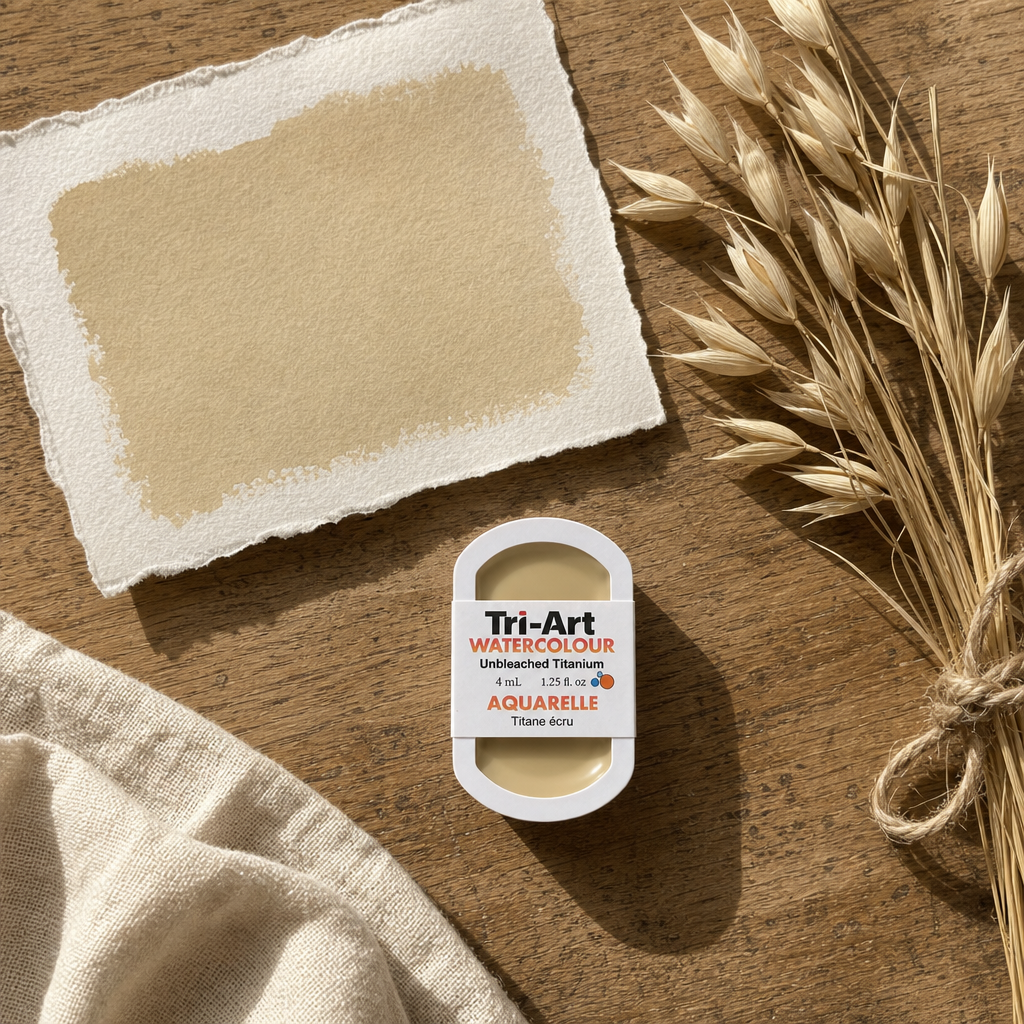
Tri-Art Watercolour pan Unbleached Titanium 4mL opaque warm beige watercolour paint Series 1
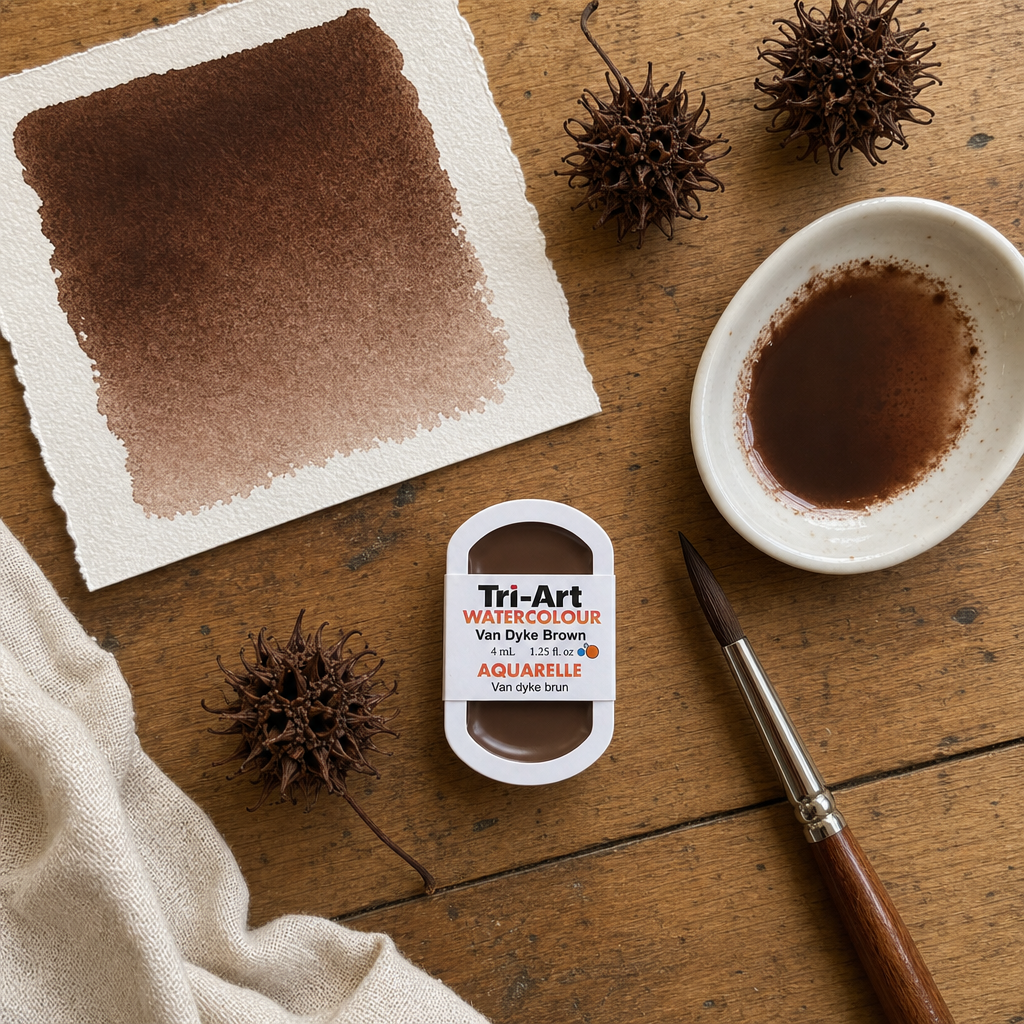
Tri-Art Watercolour pan Van Dyke Brown #5f3f33 semi-opaque Series 1 — flat lay with swatch and palette
Tri-Art Water Colours - Van Dyke Brown
Sale priceFrom $5.67 USD
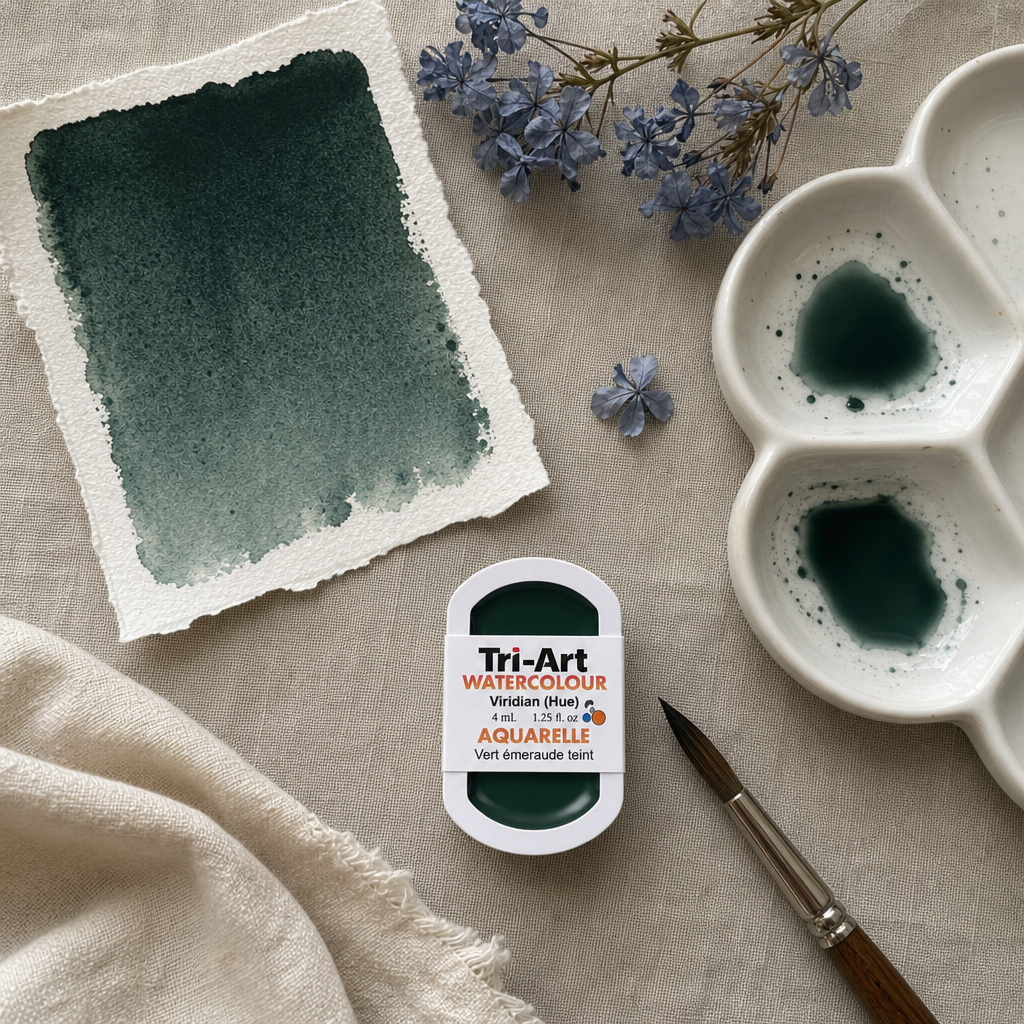
Tri-Art Watercolour pan in Viridian (Hue) with dark teal swatch, ceramic palette, and dried plumbago on grey linen
Tri-Art Water Colours - Viridian Hue
Sale priceFrom $5.67 USD
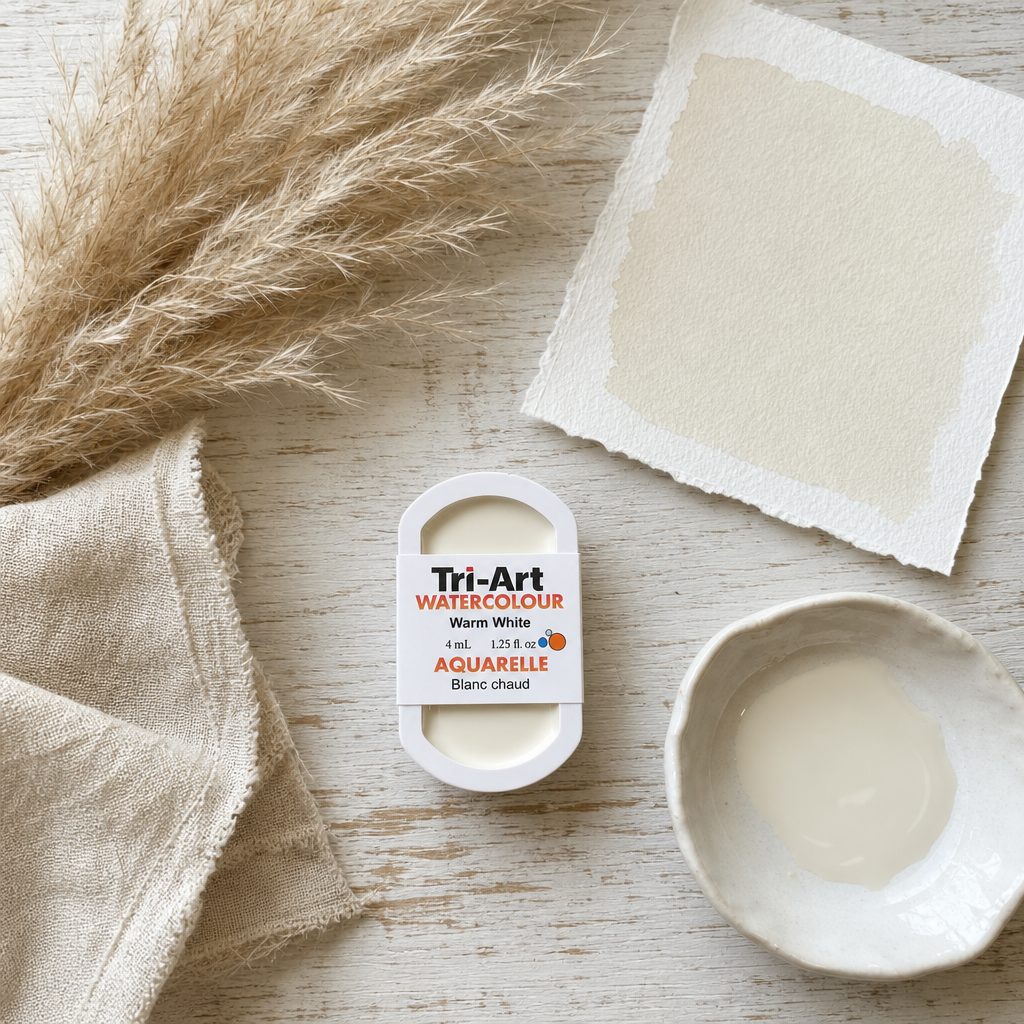
Tri-Art Watercolour pan Warm White 4mL — opaque warm white artist watercolour, Series 1
Tri-Art Water Colours - Warm White
Sale priceFrom $5.67 USD
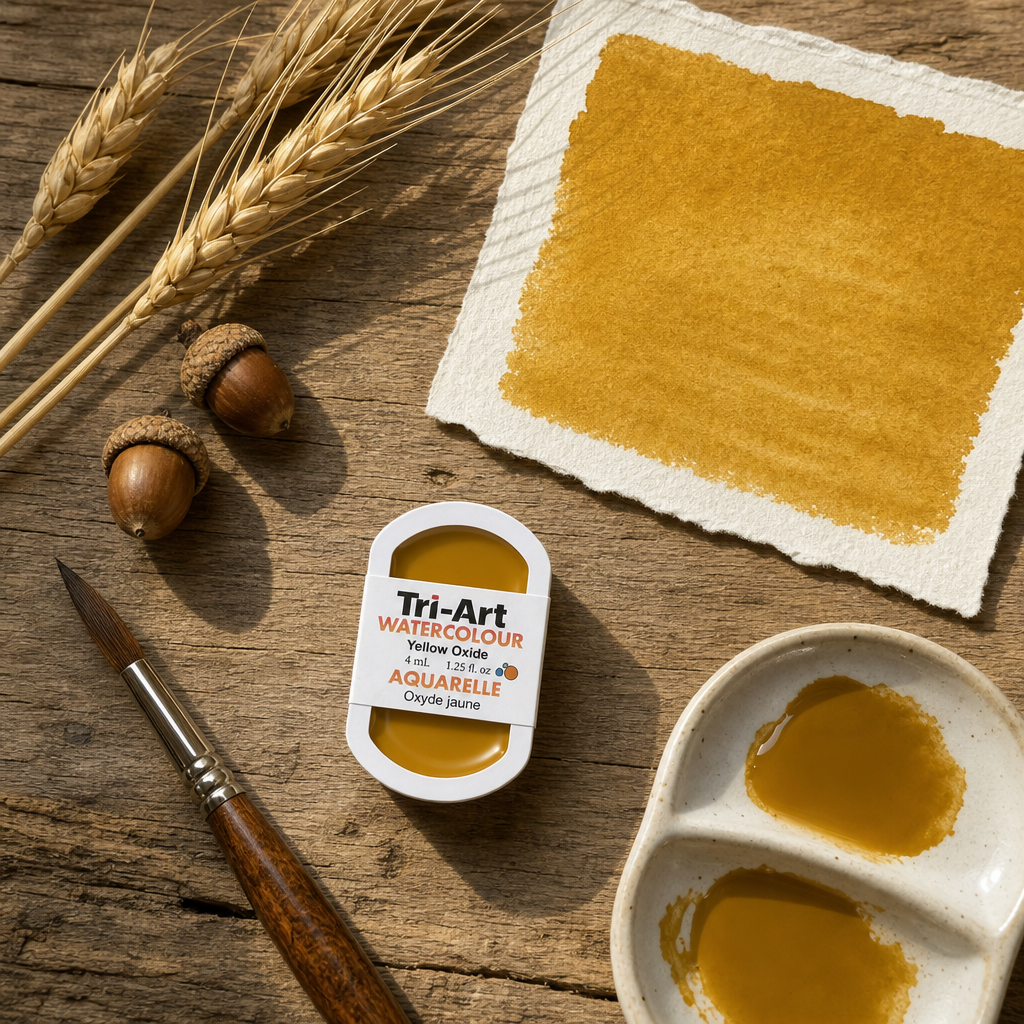
Tri-Art Watercolour pan Yellow Oxide, opaque iron oxide pigment, Series 1 — 4mL half pan
Tri-Art Water Colours - Yellow Oxide
Sale priceFrom $5.67 USD
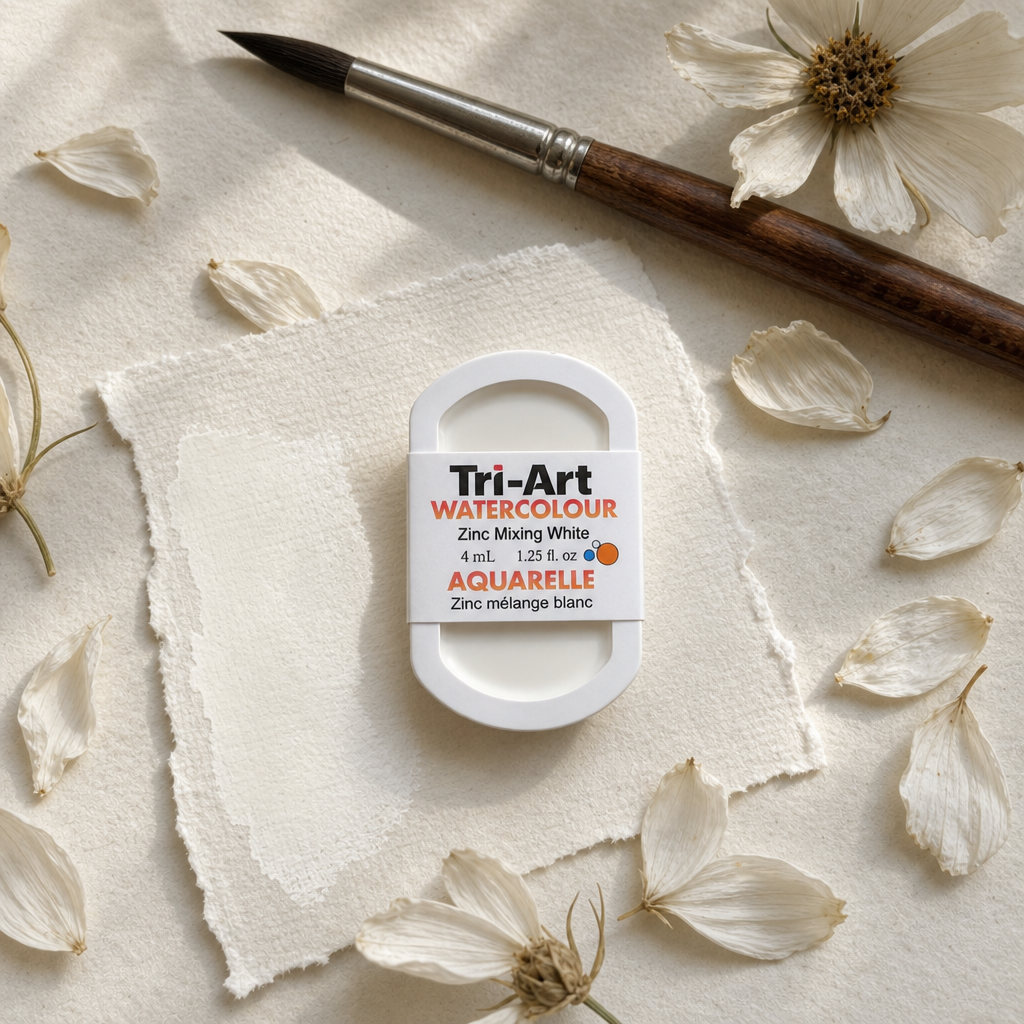
Tri-Art Watercolour pan Zinc Mixing White semi-opaque PW 4 Series 1 watercolour paint 4mL

Frequently asked questions

Quick answers to common questions on Tri-Art Watercolours. If you still need help, contact us and we’ll point you to the right option.

What makes Tri-Art Watercolours different from student-grade watercolours?

Tri-Art Watercolours are designed as a professional “Finest Quality” series with high pigment concentration for strong colour, clean mixes, and controlled transparency, and they’re made to re-wet on the palette after drying for practical studio use; for best results, pre-wet a pan or a small squeeze of tube colour for 30–60 seconds, then pull colour into a mixing well and add water gradually until you hit the value you want (rather than flooding the paint first). Shop Tri-Art Watercolours.

Should I choose pans or tubes, and how do I use each format?

Choose pans for fast setup and travel sketching, and choose tubes when you want to mix larger pools for big washes; to use pans, mist or drop a little water onto the colour and let it soften before loading your brush, and to use tubes, squeeze a rice-grain amount into a mixing area and dilute stepwise so you keep chroma while controlling flow. Browse Tri-Art Watercolours in pans and tubes.

How do I mix Tri-Art Watercolours so my washes stay clear (not muddy)?

Keep mixes simple and intentional: mix two colours at a time in a clean well, test a stroke on scrap, then adjust value with water, not extra pigments; if a mix starts to look greyed, rinse fully and remix from fresh paint rather than scrubbing the same puddle. For transparent colour layering, start with lighter/warmer washes and let them dry before glazing cooler/darker passages. Explore Tri-Art Watercolour colours.

How do I glaze (layer) without lifting or disturbing the layer underneath?

Lifting is mostly about timing and touch: let the first wash dry completely, then glaze with a softer brush, light pressure, and fewer passes, using a slightly drier mix (less water) to avoid re-activating what’s underneath; if you do get lift, stop, let it dry again, and re-glaze rather than scrubbing. Also note that lifting varies by pigment, so test your key colours once and you’ll know which ones are naturally more staining versus easier-lifting in your palette.

Why do I get blossoms (backruns), and how can I fix them?

Blossoms happen when a wetter stroke hits a wash that’s starting to set, pushing pigment outward; to prevent them, keep your wash evenly wet edge-to-edge and avoid “fixing” a drying area, and to correct one, wait until it’s fully dry, then re-wet the shape evenly and lift gently with a damp (not dripping) clean brush or a thirsty brush blot. If you want controlled blooms as an effect, do the opposite: drop clear water into a glossy-damp wash and let the pigment push naturally.

Can I let Tri-Art Watercolours dry in a palette, and will they re-wet well?

Yes: Tri-Art’s watercolours are formulated to be re-soluble on the palette once dry, which makes them friendly for both studio palettes and travel kits; if you’re “pan-filling” from a tube, build it up in 2–3 thin pours or layers, letting each layer dry before topping up so it cures evenly and re-wets more consistently. Tri-Art Watercolours for palette and pan use.

How do I use masking fluid with Tri-Art Watercolours without wrecking my brush?

Apply masking fluid to dry paper (or a fully dry earlier wash) with an older brush or a dedicated tool, let it dry completely before painting over it, and only remove it once the watercolour layer is dry to the touch; to protect your brush, work quickly, do not let masking fluid creep into the ferrule, and wash out immediately after use. For Tri-Art-specific handling notes, see Tri-Art Masking Fluid and keep the container tightly closed between uses as the formula is sensitive to open-air drying.

Can I paint “watercolour-style” on panels or canvas using Tri-Art products?

If you want watercolour behaviour on a rigid support, use a watercolour ground (general principle), because it’s made to create an absorbent, watercolour-friendly painting surface on non-paper supports; with Tri-Art, that role is filled by Tri-Art Cold Press Watercolour Ground, and the most reliable workflow is: seal your support if needed, apply the ground in thin, even coats, let it dry fully, then test a light wash and adjust your water amount before committing to the final piece.

Discover a new product line.

Pick your paint body, then round out your toolkit with a simple palette and the right mediums.

  1. Choose body: thick for texture, fluid for pours and glazing, medium for everyday painting.
  2. Start small: pick a limited palette and add colours as you discover what you reach for.
  3. Match your surface: use a suitable ground, then tune sheen and flow with mediums.

Common questions

Why should I choose Tri-Art Liquids?

Choose it when you want one “do-most-things” acrylic for painting, glazing, and smooth application, with the option to adjust directionally (thinner with water, thicker with gel).

What is unique about Tri-Art Acrylic Mediums?

Tri-Art Acrylic Mediums are “paint without the pigment,” mapping polymer medium to liquid acrylic behaviour and gel medium to high-viscosity behaviour, plus categories like grounds, texture gels, varnishes, and additives.

Tri-Art Low Viscosity is a Professional paint, will it work for me?

Yes if your work relies on flow, layering thin films, crisp lines, staining and wash effects, or reducing texture without losing professional-grade colour behaviour.