
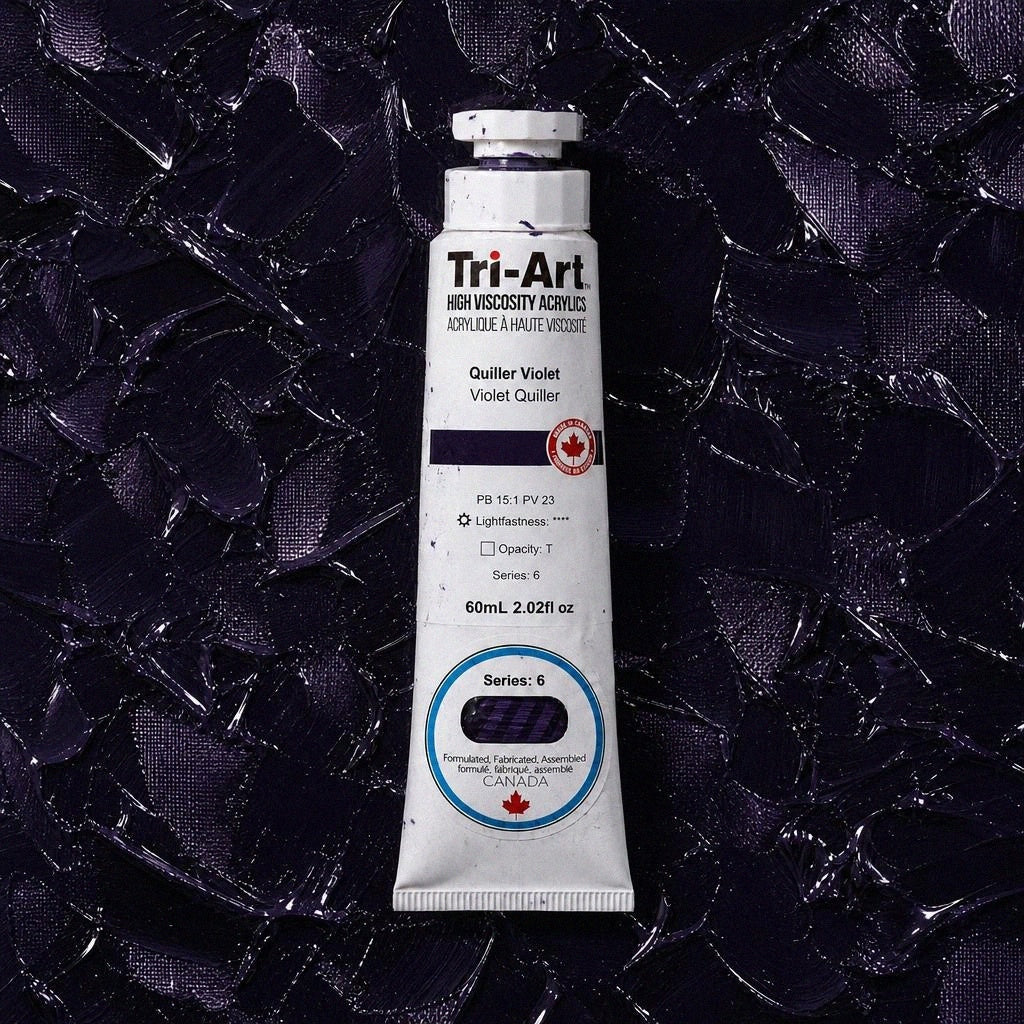
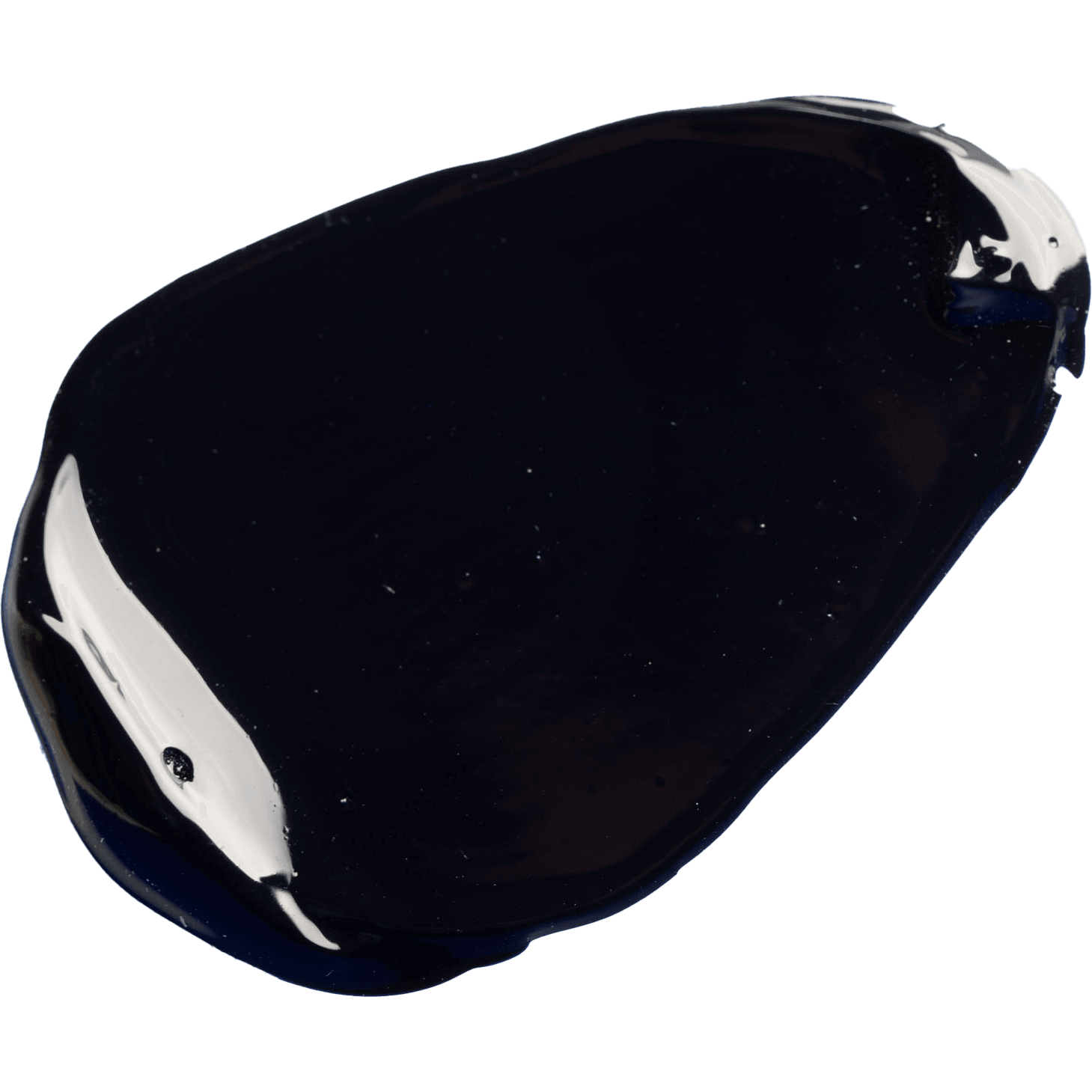
Tri-Art High Viscosity - Quiller Violet
Customers praised this high viscosity violet paint as "the richest, deepest violet available" with exceptional quality. Shoppers described it as "very buttery" to work with, producing beautiful blue-violet colors. The paint is noted for being rich, vibrant, and high quality, with customers reordering larger containers.
Super impressed with the quality and versatility of Tri Art High Viscosity line. Great variety of colours and an added bonus that the company is Canadian.
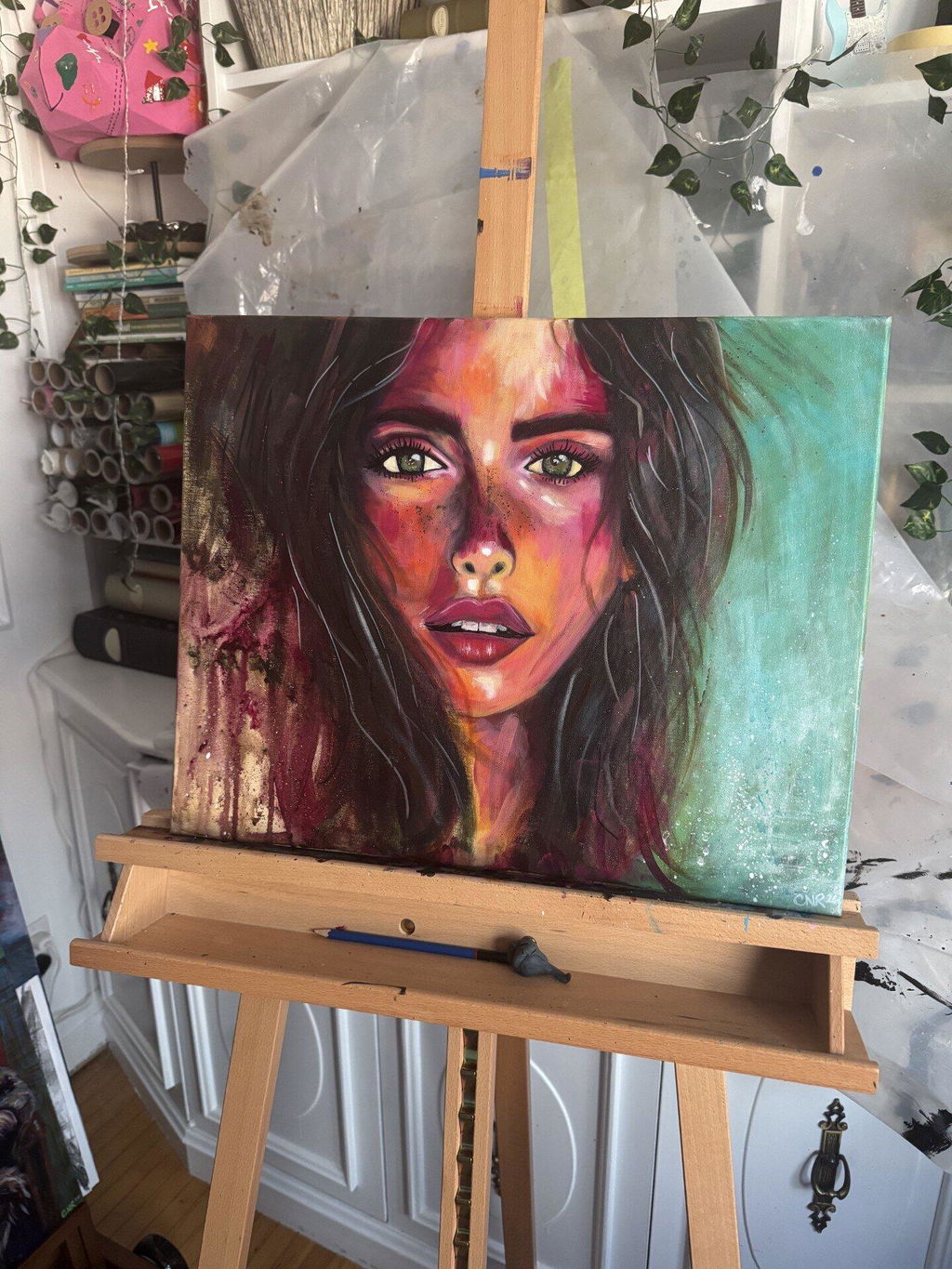
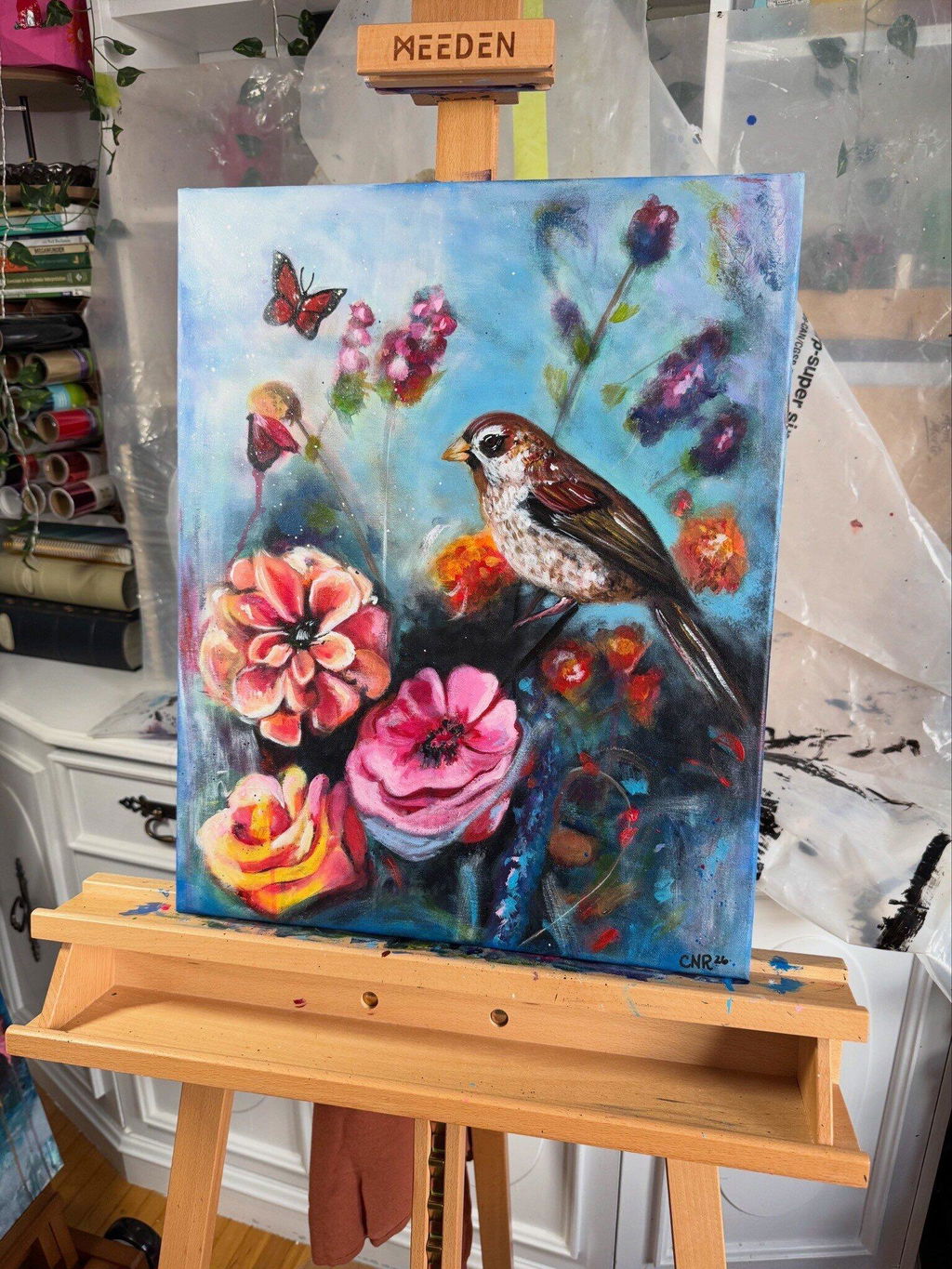
These acrylics hold brush strokes and texture better than other brands. I tested it with this starter set and then ordered a lot more! Great paint!
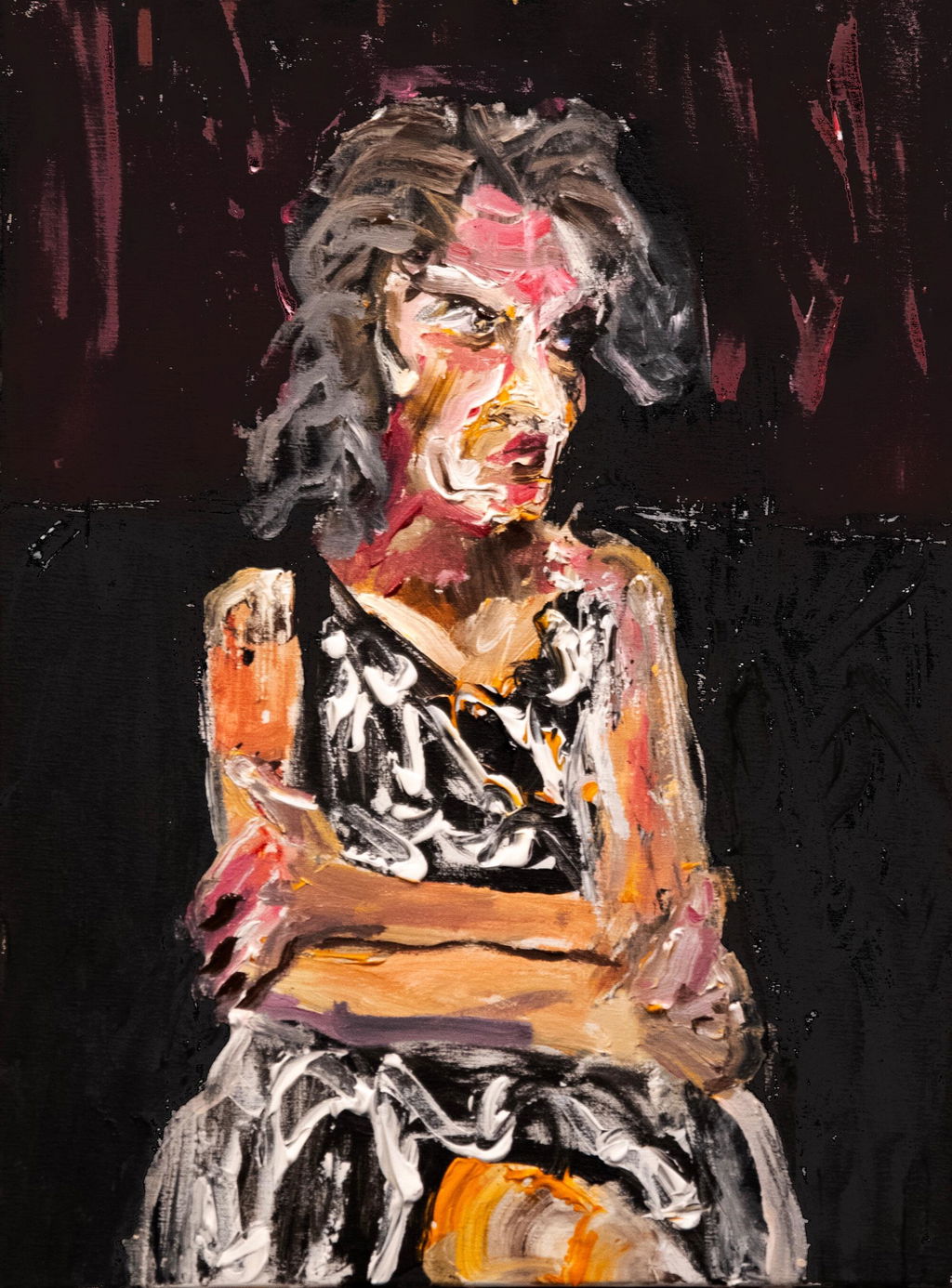
Prussian Blue is my favourite of all the blues. I have used several tubes over the past few years and now buy it in the 250 ml. jar. Love it!
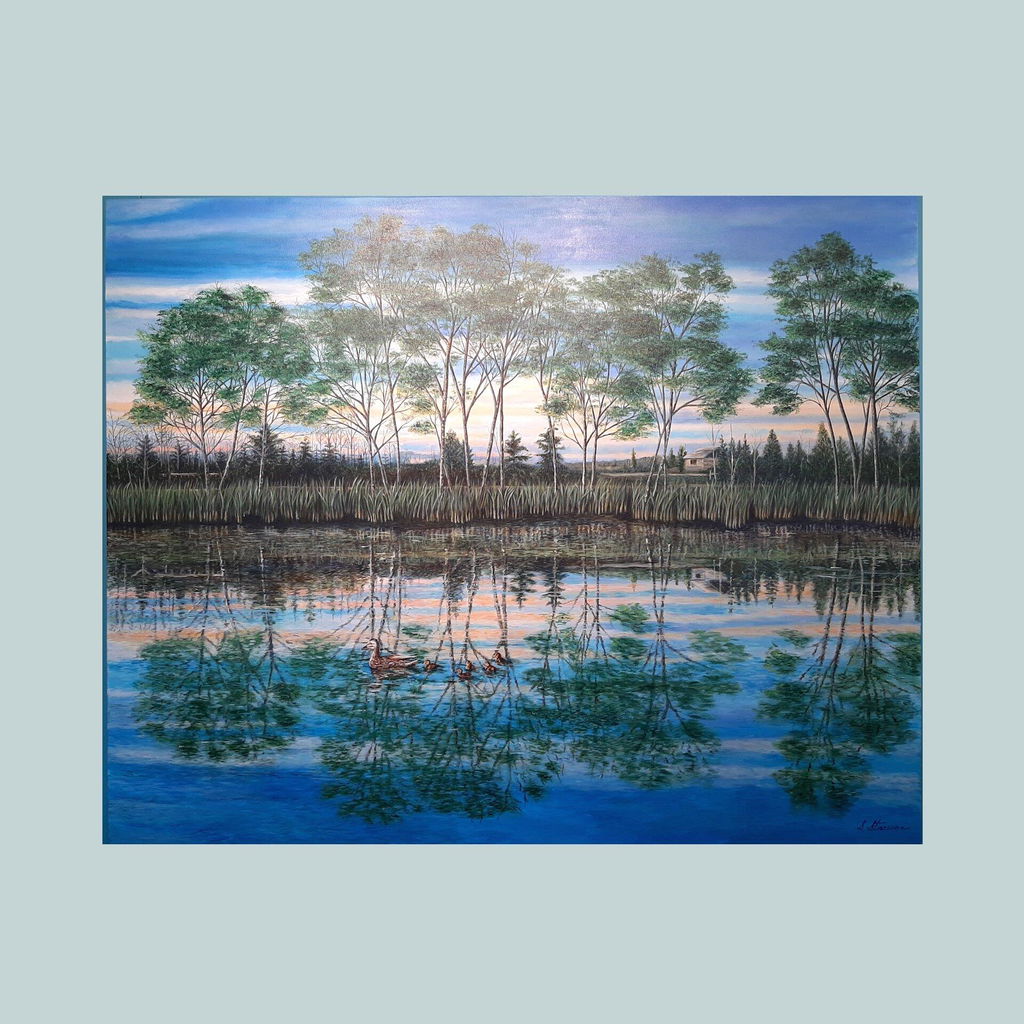
This paint mixed well to give me the colour I needed. It provides brilliant colour and excellent coverage.
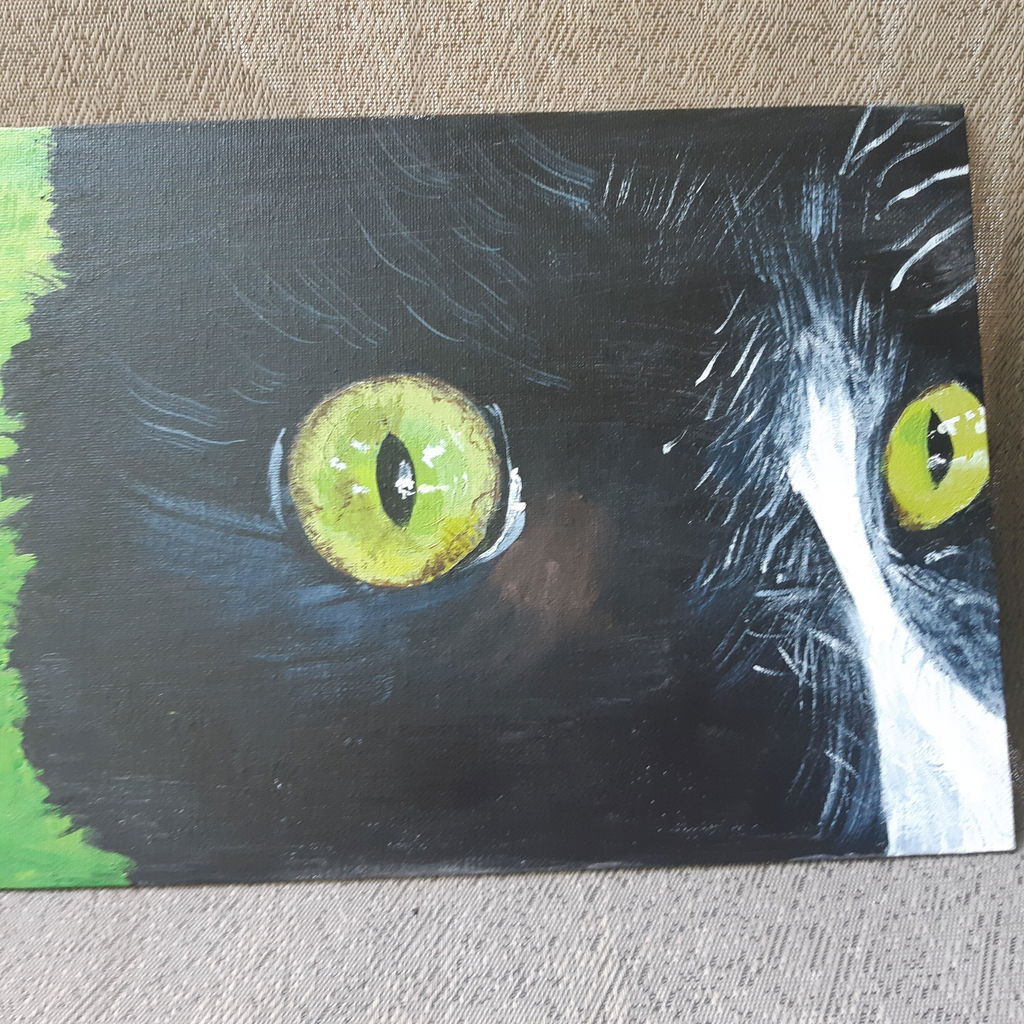
I am a Canadian landscape artist, Jim White Fine Art. I am very particular about the paint that I use. I use mostly heavy body acrylic such as Golden or Liquitex, however, they are not made in Canada. I began looking for a Canadian alternative and found Tri-Art. To my surprise they out performed most of the paint I have been using. The best thing I like is they don’t sag as much as the others, which means they show brush marks very well. This works well with my impressionistic style of painting.
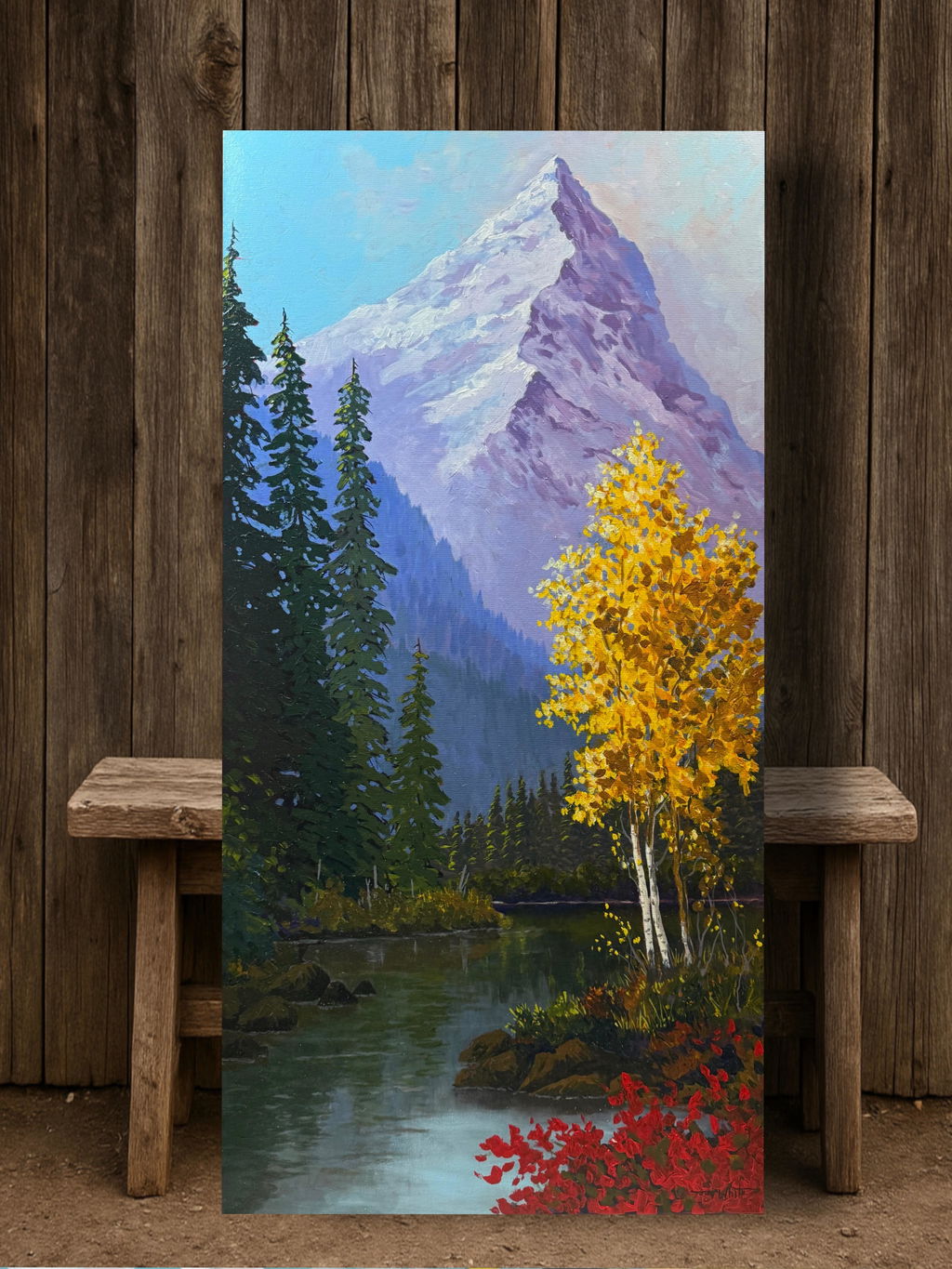
This has to be the best Cadmiumyellow Orange Acrylic paint I have ever used! The overage is smooth and very opaque. It has a smooth and even application with glowing intensity.
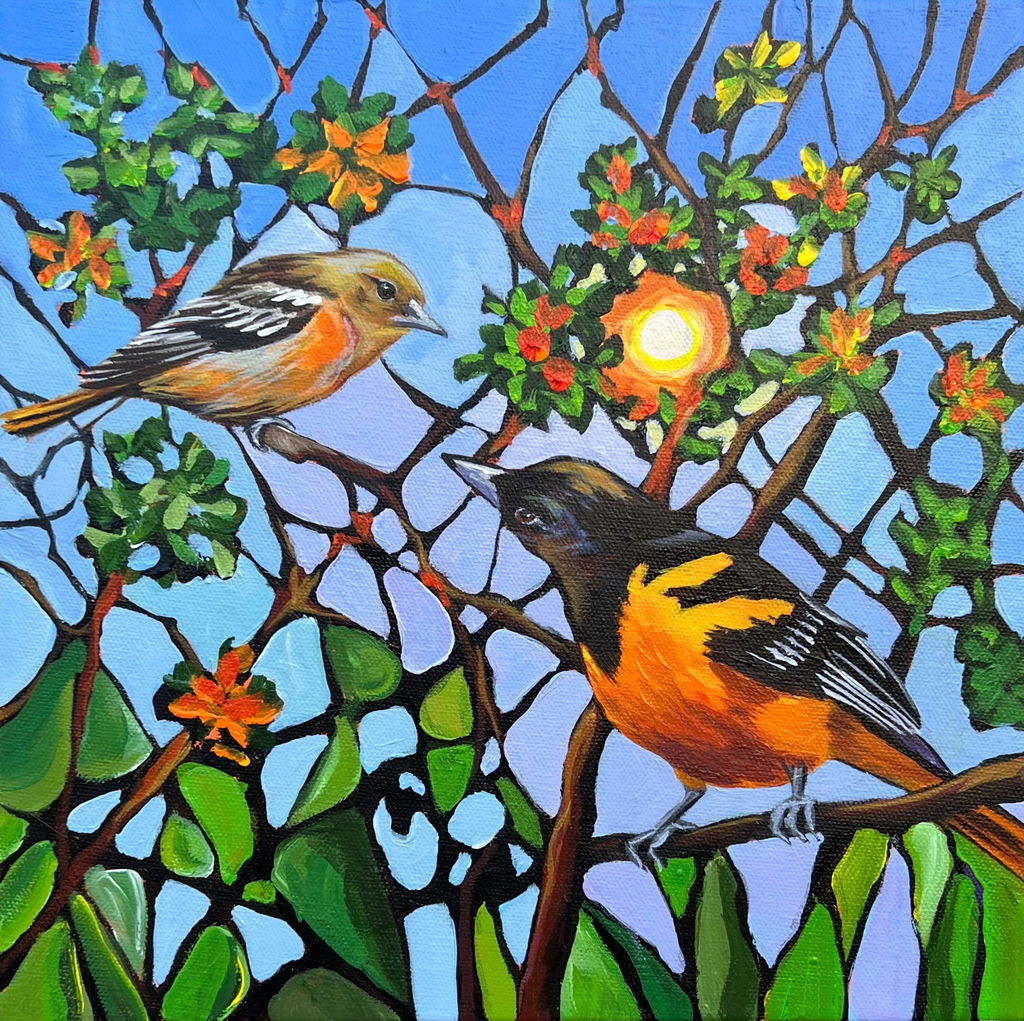
It’s a great highlight colour. Bright and covers well. When I need a hit of sunlight, CAD Orange is it.
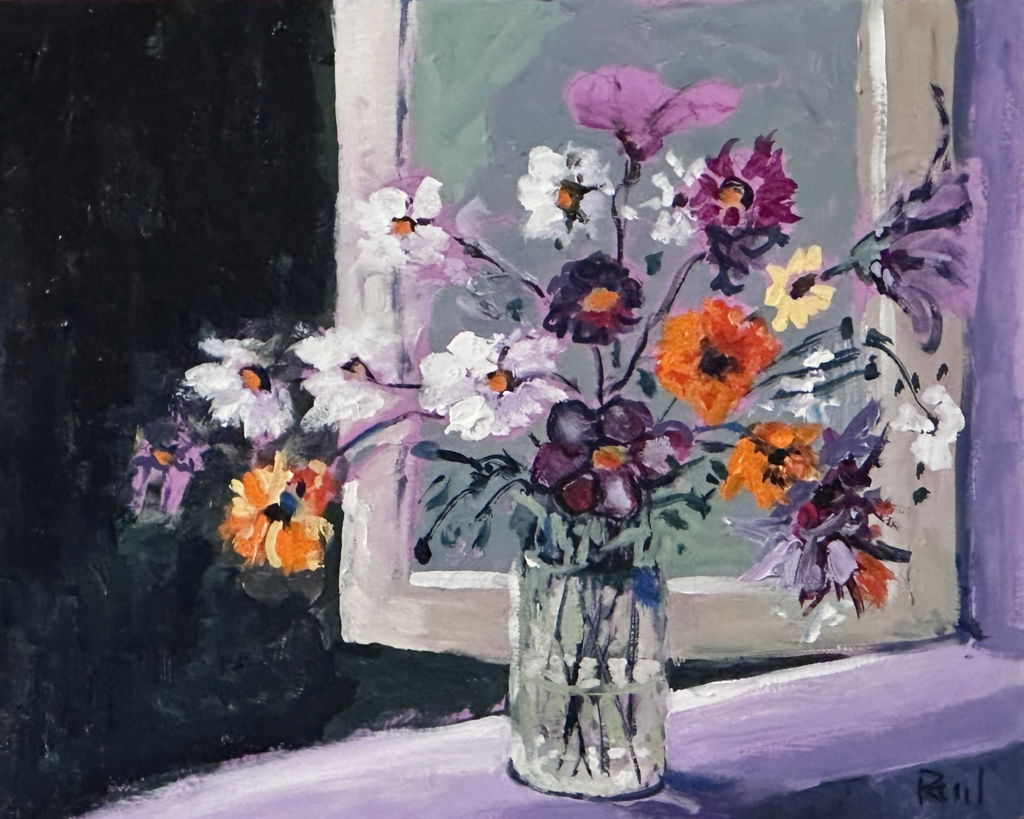
I have been using Tri-Art High Viscosity paint for a number of years now and love how versatile it is. I can add retarder to increase the open time for increased blending on my large scale artwork where the paint is smoothly applied. It is also perfect for plein air impasto work. Thank you for this amazing Canadian product.
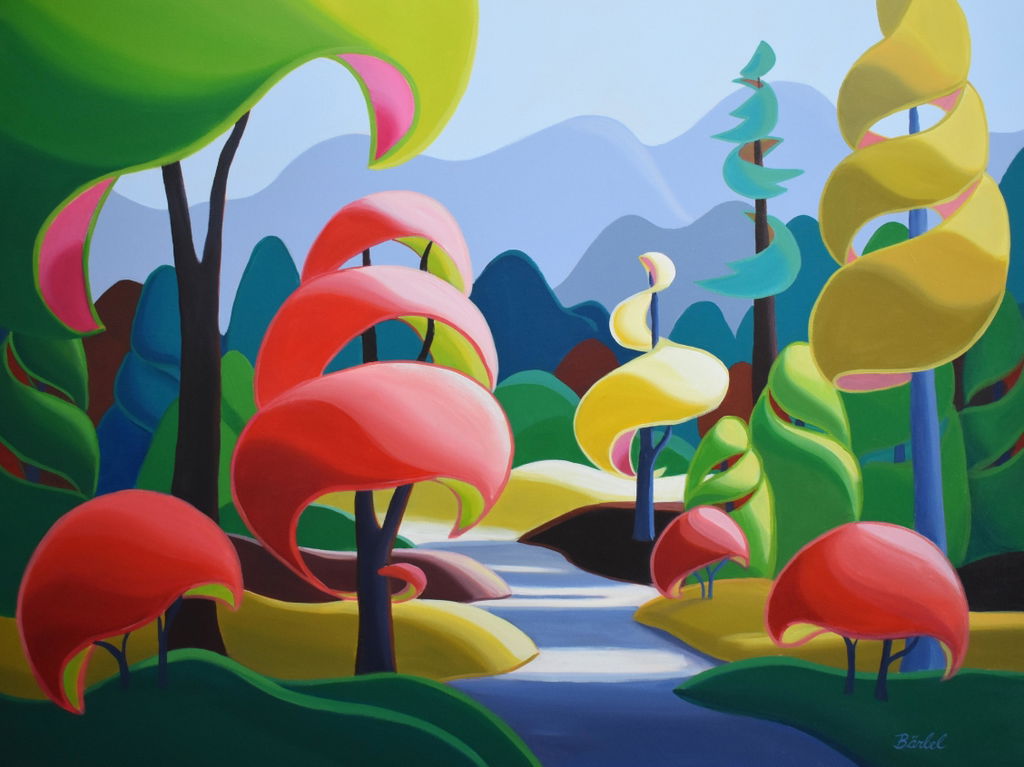

Love Tri-Art... That wonderful Pyrrole orange and Pyrrole red medium is what gives my submission "don't cry over spilt milk” its kick!!
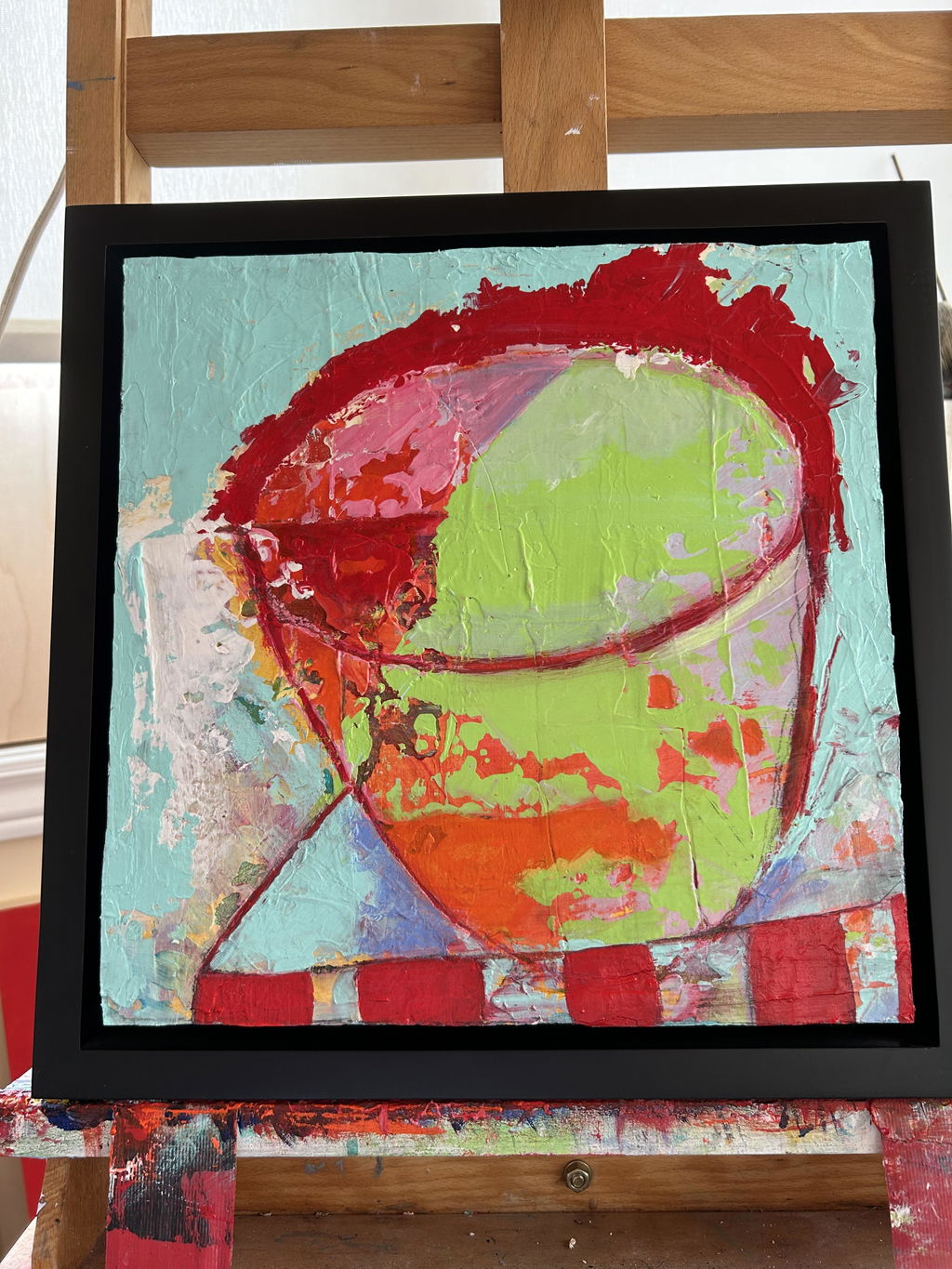
Love Tri-Art... That wonderful Pyrrole orange and Pyrrole red medium is what gives my submission "don't cry over spilt milk” its kick!!

Super rich texture and vibrancy
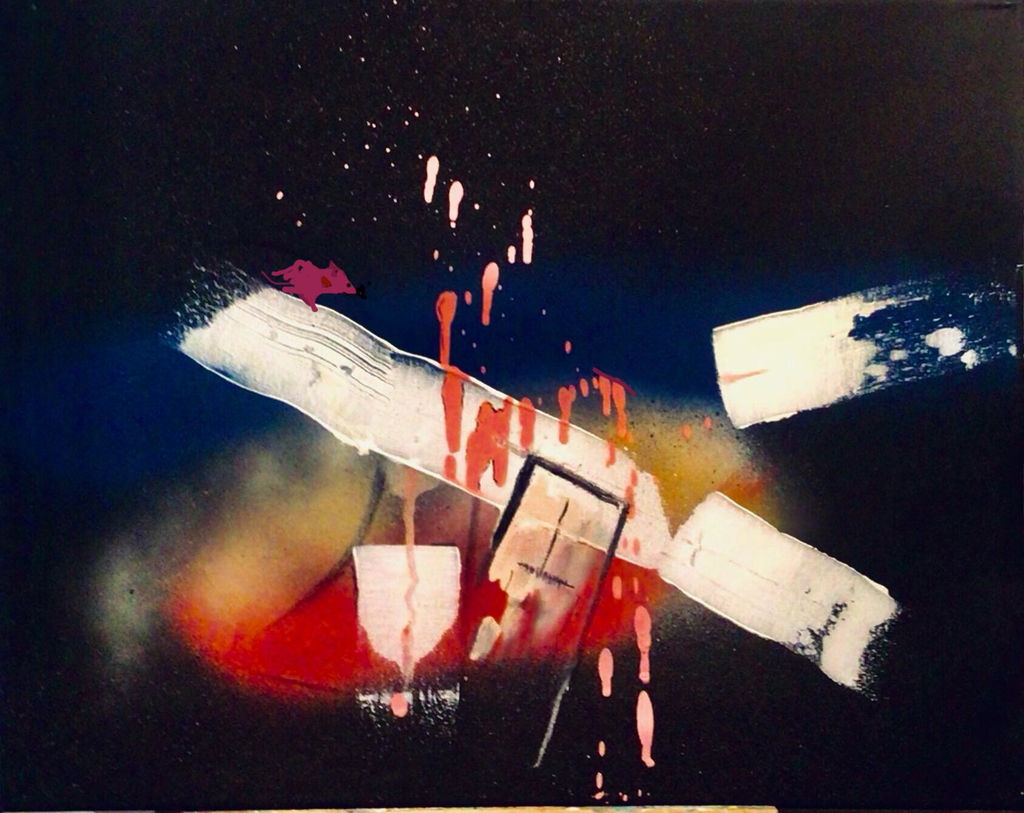
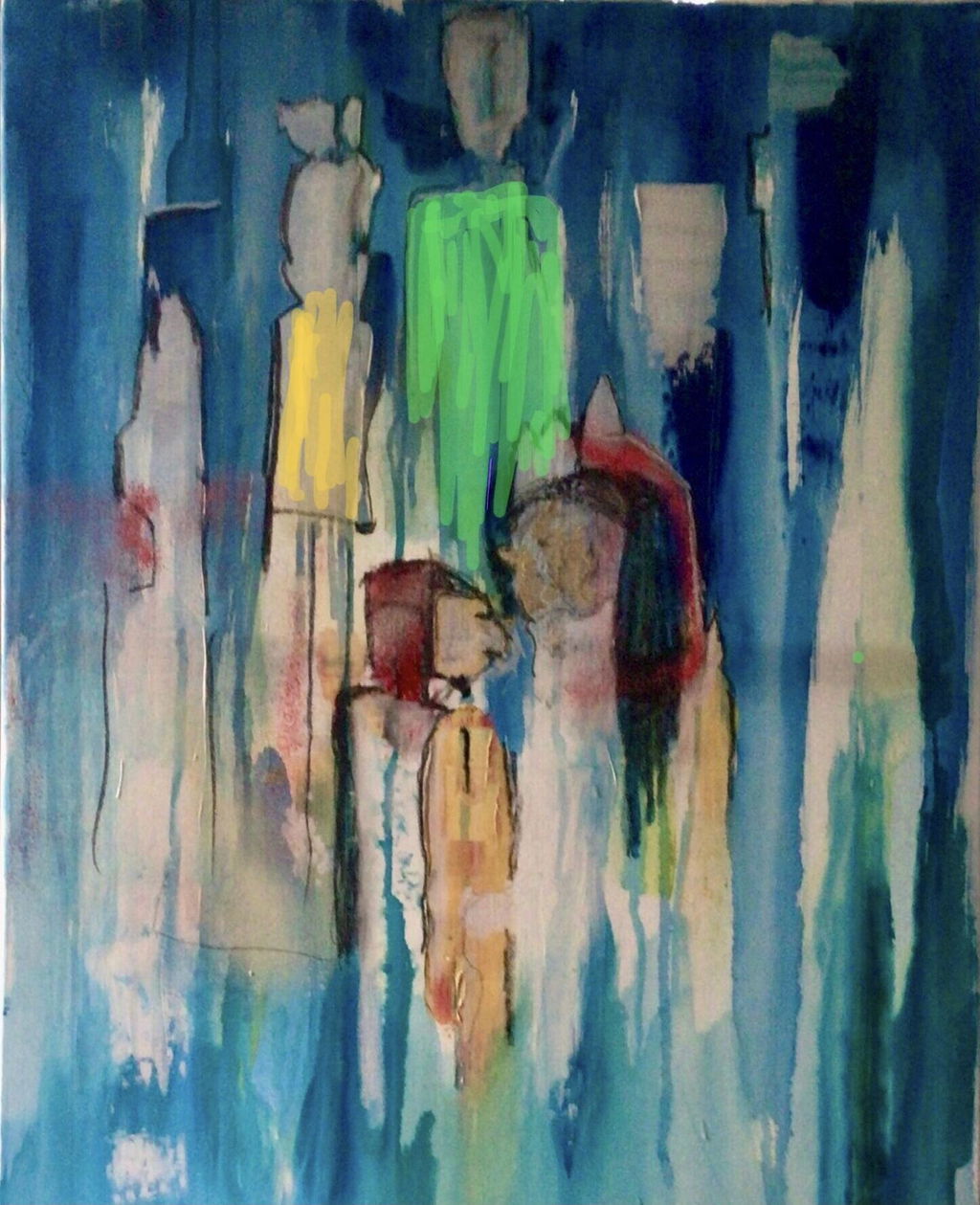
Super rich texture and vibrancy


Excellent covering power and highlight use. Mixes well. As good as it gets.
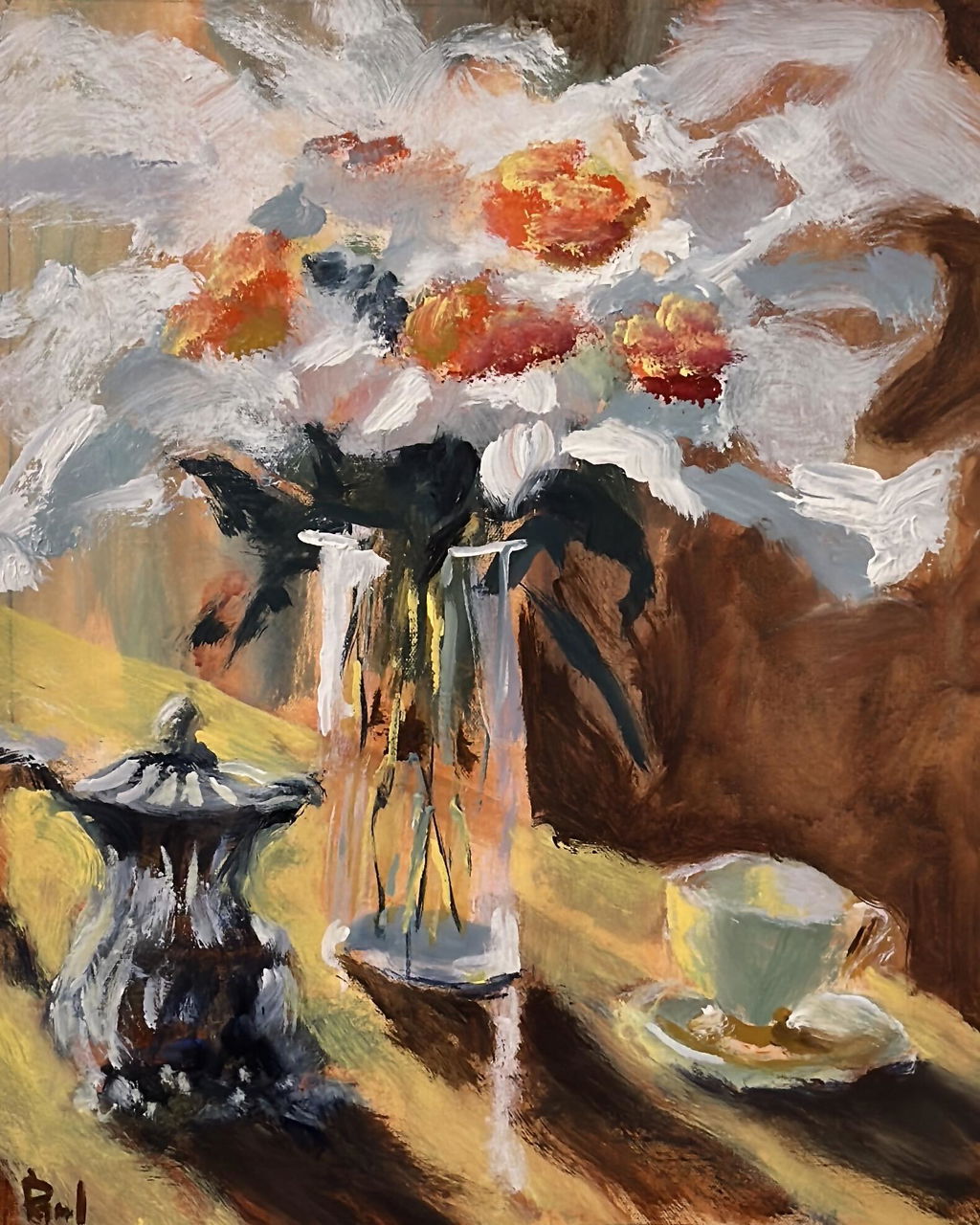
Excellent covering power and highlight use. Mixes well. As good as it gets.

Excellent professional acrylic paint, fast delivery and all CANADIAN❤️❤️❤️
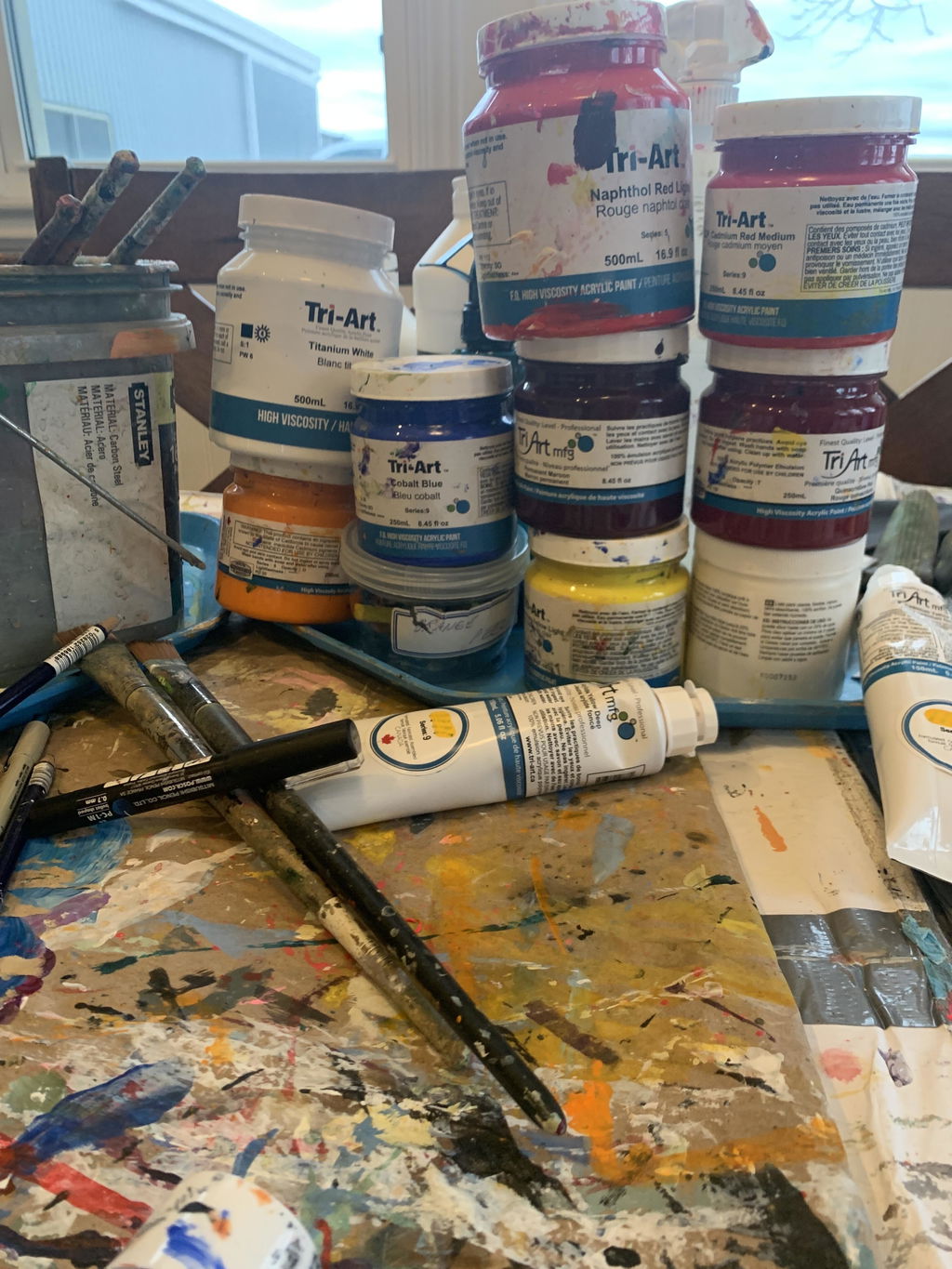
Excellent professional acrylic paint, fast delivery and all CANADIAN❤️❤️❤️
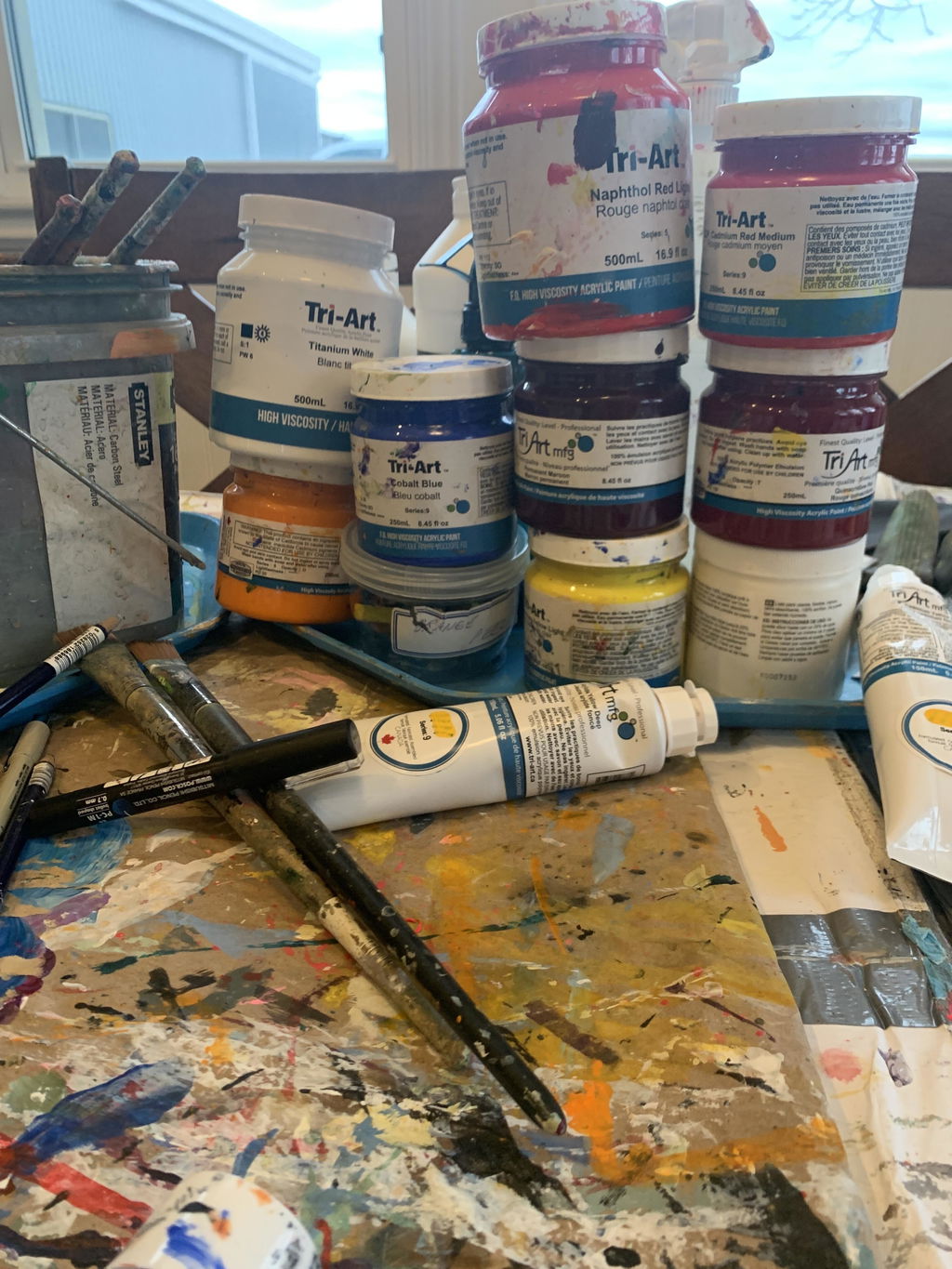
Painting with Tri_Art Paints This brand of paints is new to me, and I am enjoying them. This painting is mostly done with your paints, I used lots of Napthol Orange. Transparent Pyrrole Red Medium and Cadmium Yellow Deep
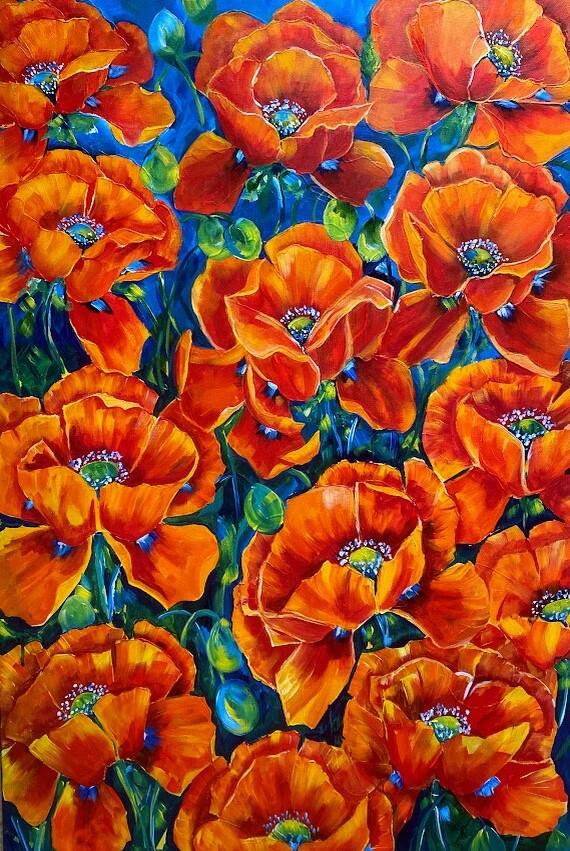
Painting with Tri_Art Paints This brand of paints is new to me, and I am enjoying them. This painting is mostly done with your paints, I used lots of Napthol Orange. Transparent Pyrrole Red Medium and Cadmium Yellow Deep

Cobalt Teal is one of the best turquoise colors I have used.... I just ordered from Tri Art and I am very pleased with the paint
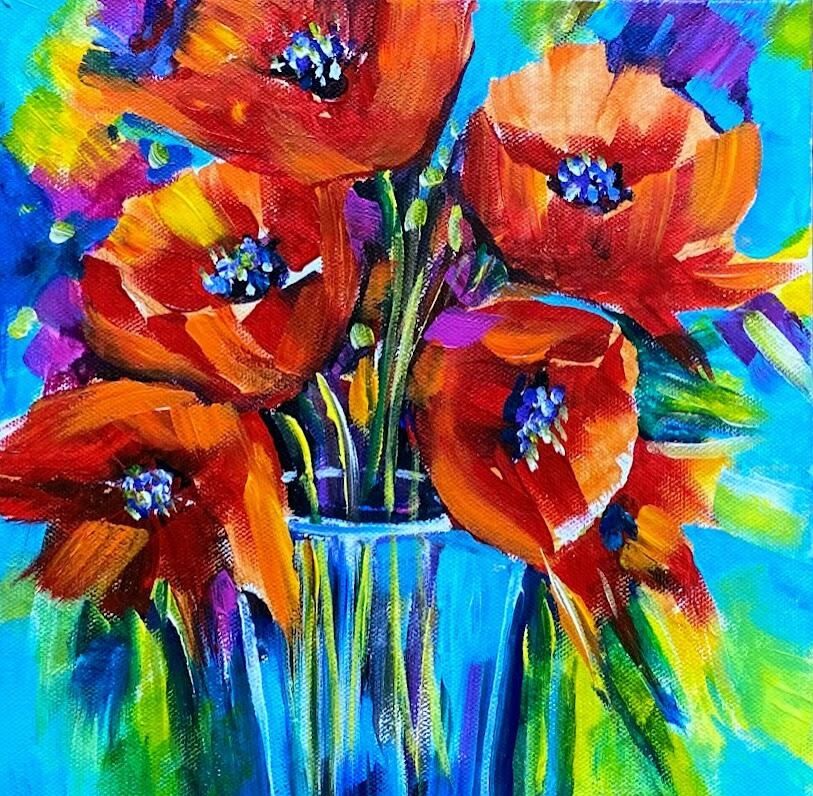
Cobalt Teal is one of the best turquoise colors I have used.... I just ordered from Tri Art and I am very pleased with the paint

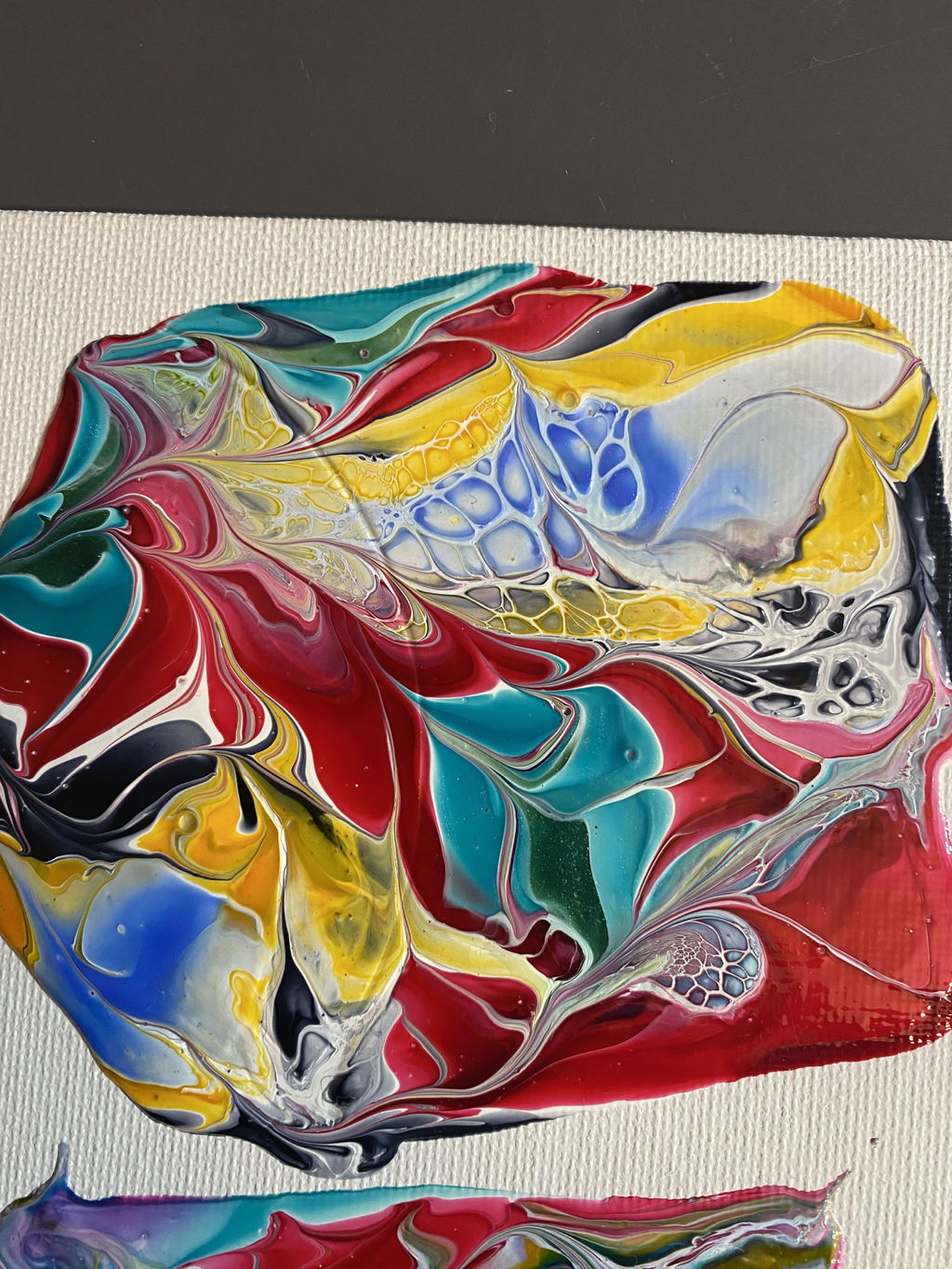
Wanted to try it out as my base colour for a cell activator in my art style
Worked out well in the process used
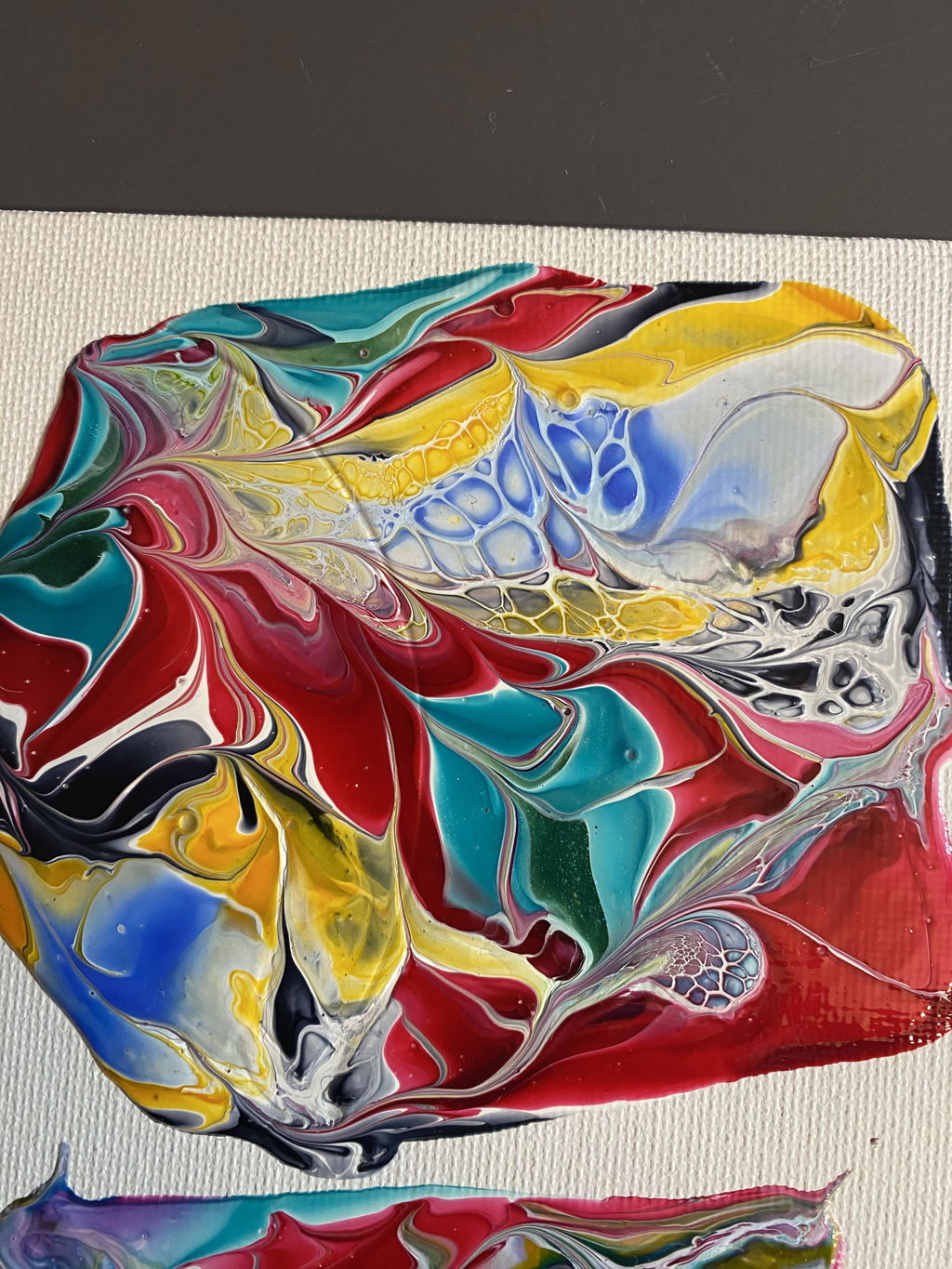
Wanted to try it out as my base colour for a cell activator in my art style
Worked out well in the process used
Technical Information
Description
Quiller Violet is part of Tri-Art High Viscosity Professional Acrylic Paint, a heavy body acrylic with a thick, buttery consistency that holds brushstrokes and palette-knife texture. Built with high pigment loading and a fine grind, it stays bold and clean for impasto, scumbling, and confident brushwork.
Pigment profile: Mixed pigment colour (PB15:1, PV29). Bias: Cool. Pigment family: Organic. Transparent handling, excellent for glazing, optical layering, and deep colour mixes. High tinting strength, start with a small amount when mixing. Lightfastness rating: 4. Sheen: Gloss.
- Pigments: PB15:1, PV29
- Formula: Mixed
- Opacity: Transparent
- Colour bias: Cool
- Lightfastness: 4
- Sheen: Gloss
- Tinting: High
Pigment notes: Inspired by the work of landscape painter Stephen Quiller this deep violet shade is meant for creating contrasting passages of shadow with light yellows. Quiller Violet is composed of Phthalo Blue (Red Shade) and Dioxane Violet.
Great for: Landscape, Contemporary-Modern, Glazing, Organic.
About Acrylic Paint
This explains what acrylic paint is, and why our acrylic films are dependable over time.
What acrylic paint actually is
Acrylic paint is pigment dispersed in an acrylic polymer emulsion. As water evaporates, the acrylic particles coalesce into a continuous, flexible film that locks pigment in place and adheres to the surface.
Our binder and manufacturing approach
Tri-Art paints are 100% acrylic polymer emulsion products. We manufacture using a custom high-solids acrylic resin, and this binder standard applies across our range, including professional and student quality.
Using water confidently
Because our acrylic films are built on a high-solids acrylic resin system, artists can be more comfortable using water as a working medium without feeling like they are automatically compromising film integrity. For very thin applications, build in controlled layers and let each layer dry before continuing.
Practical tip: if you are creating extremely thin washes for extended areas, consider alternating thin layers with normal-strength layers to maintain a robust film build.
Viscosity
Rheology

Flip it or unscrew it.
Your Tri-Art tube has a dual-function cap — flip open or unscrew for use.
Getting the most from every Tri-Art tube
Your cap has two modes — here is how and when to use each one, plus a few habits that make a real difference.

Flip open
Use the flip function during an active session. It lets you access paint quickly without fully removing the cap, which keeps threads cleaner and speeds up your workflow.
Note: If the flip hinge ever breaks with use, simply rest the cap back on the tube and use it as a standard screw cap going forward. The tube works perfectly either way.

Screw open
For overnight or longer-term storage, screw the cap down fully to create a complete seal. Firm contact is all that is needed — over-tightening is a common cause of cracked caps.
Three habits that make your tubes last
-
01
Wipe the nozzle before you cap it. A quick wipe with a damp cloth — threads and cap interior — takes five seconds and is the single most effective thing you can do. Acrylic cannot bond two surfaces if it never dries there.
-
02
Use the flip cap during active sessions. Reduces thread contact and keeps the seating surface cleaner between each squeeze.
-
03
If a cap has stiffened, use warm water. Hold the nozzle under warm running water for 30 to 60 seconds. The moisture softens dried paint at the threads enough to break free without forcing anything. Do not use boiling water.


