
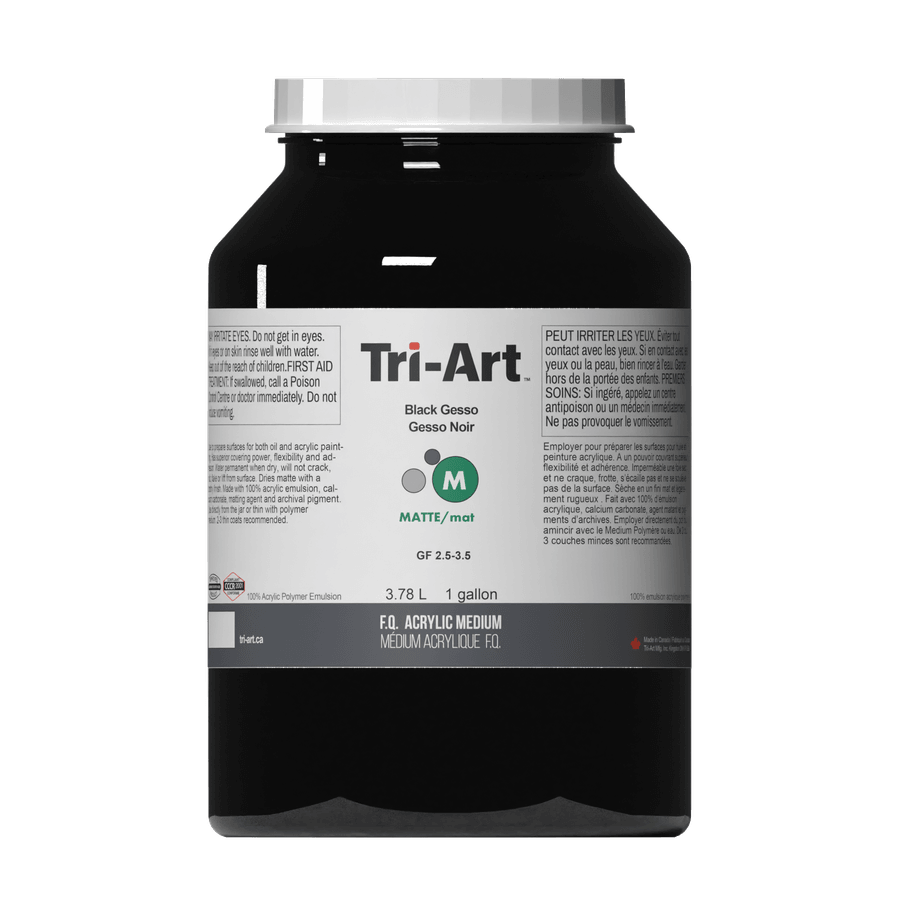
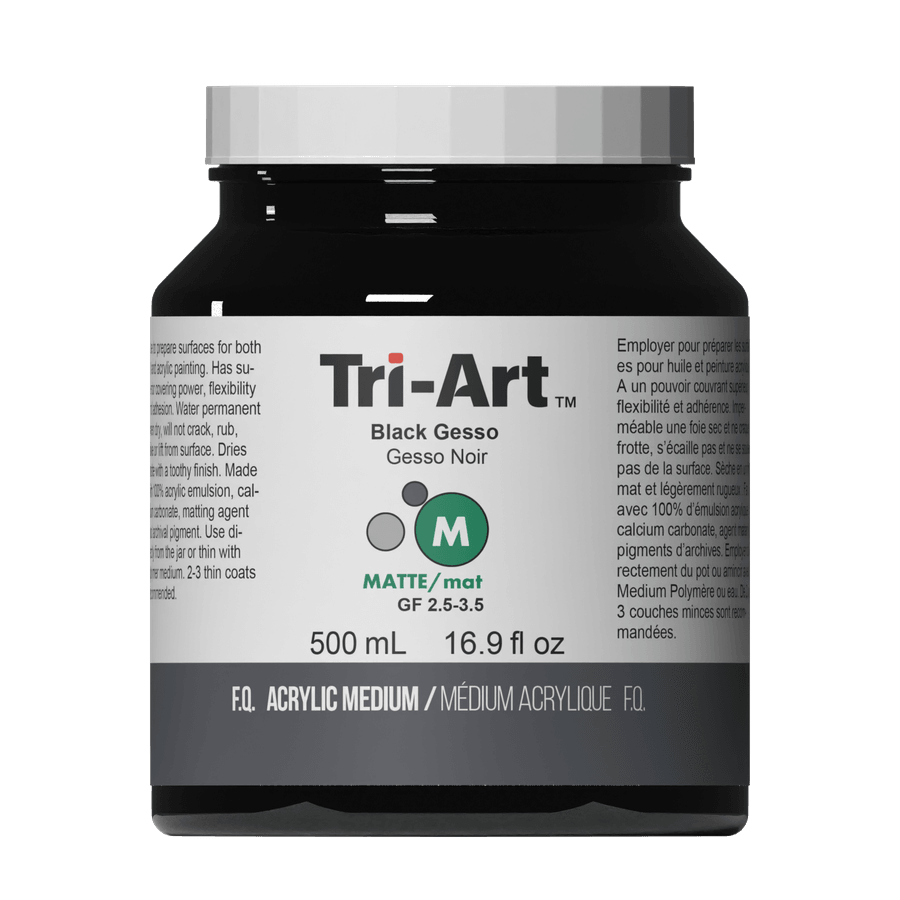

Tri-Art Acrylic Mediums - Black Gesso
Highly-rated black gesso praised for its exceptional quality. Customers said it's "opaque and smooth with a matte finish" and has "just the right consistency." The product delivers a "good dense black" color. All shoppers gave 5-star ratings, highlighting the premium paint quality and excellent service.
I tried this for the first time on raw canvas as an alternative to the traditional white gesso. Very cool!
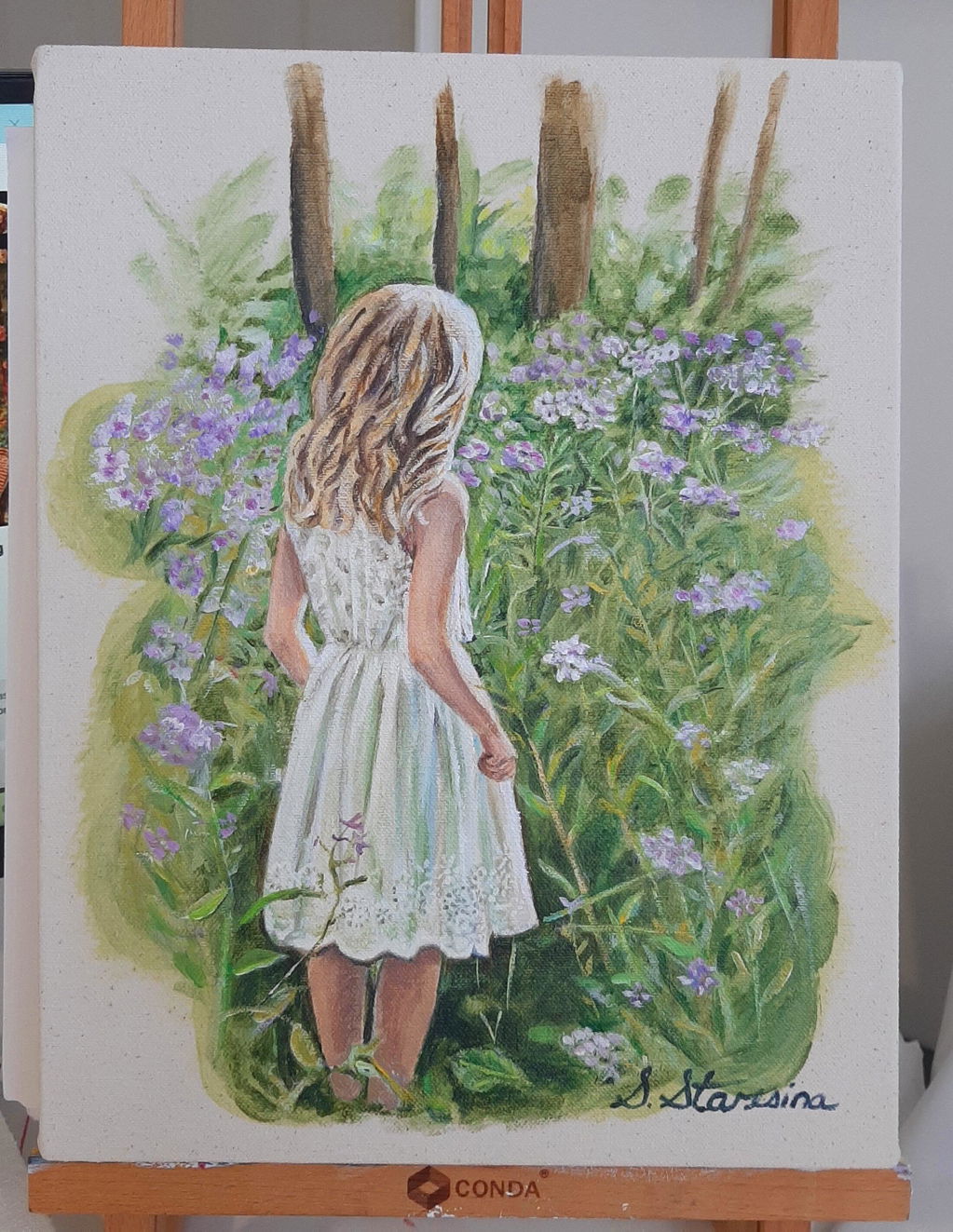
Tri-Art low viscosity polymer s the most reliable ingredient for the affects I want to achieve in my paintings.

It is a fun medium, I used it for one painting and it made a great effect.
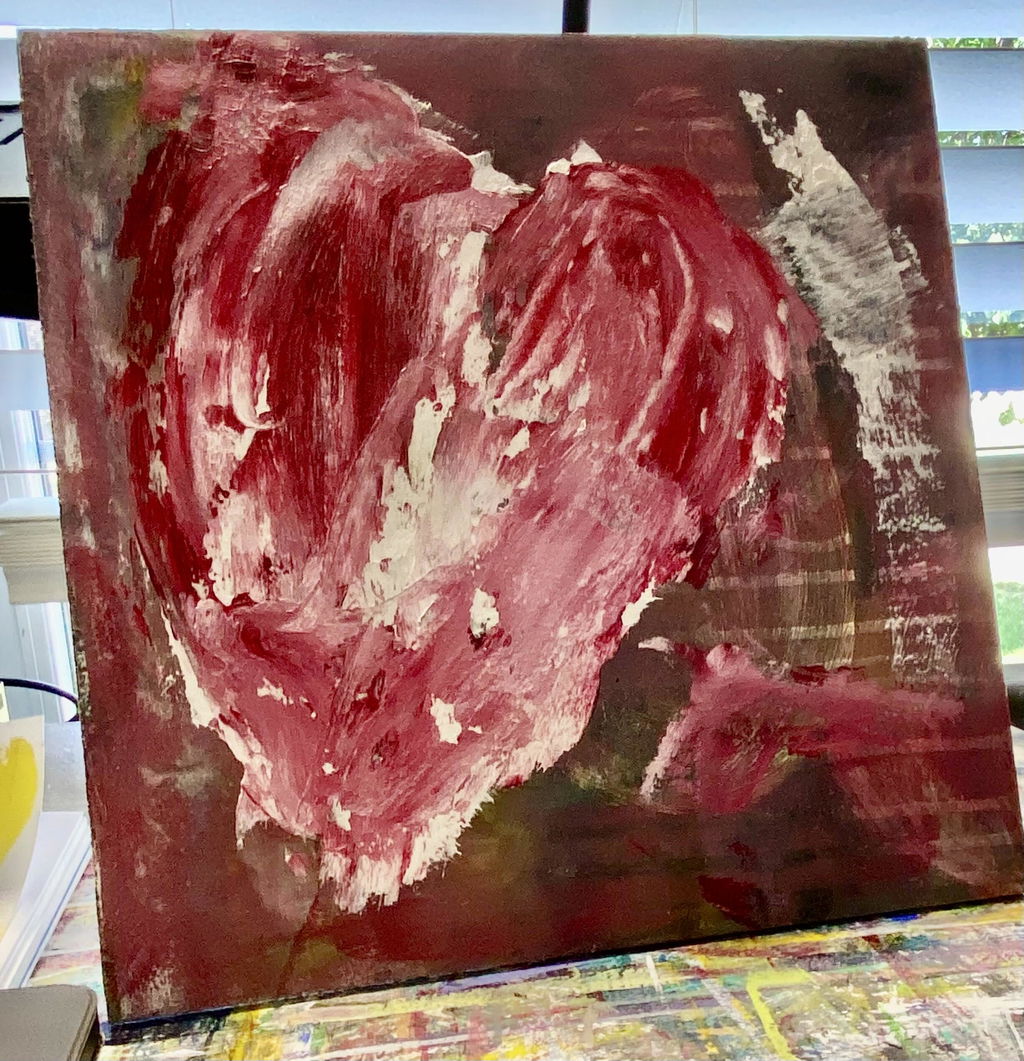
Great to create with. Nifty use of materials!
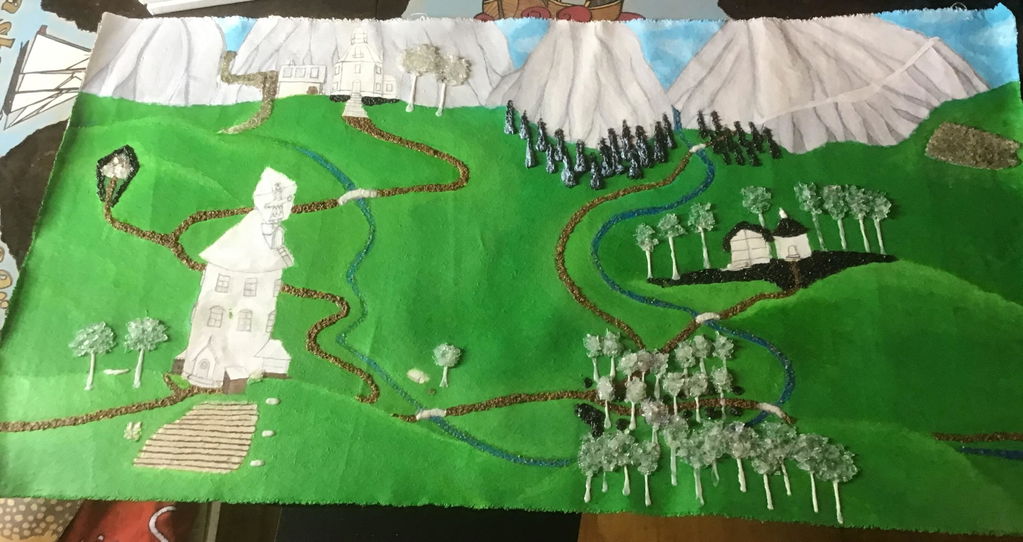
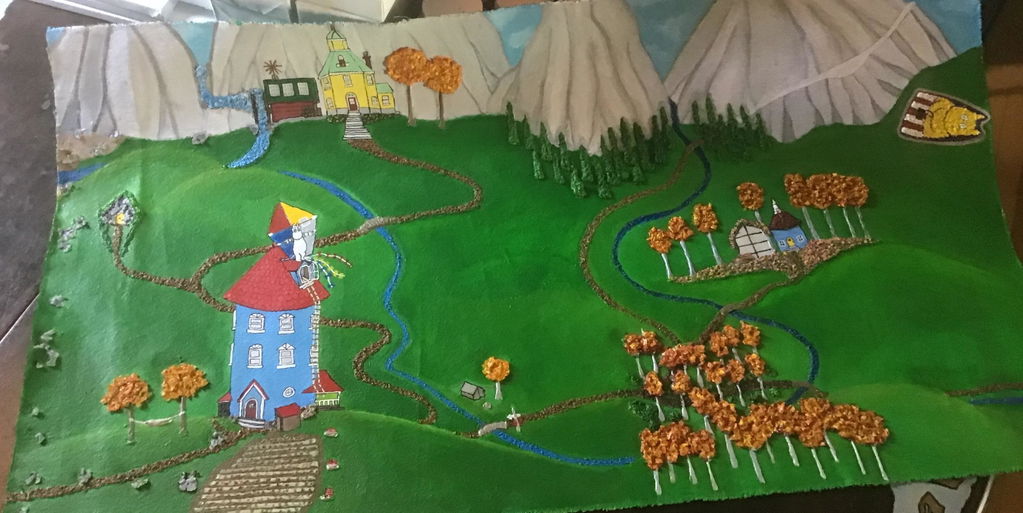
As a collage artist I use gel medium a lot.
In my search for Canadian acrylic mediums I came across the Tri-Art line of materials and am pleasantly blown away. Their gel medium is exceptional, perfectly smooth with great adhesion. I’m very happy with it and will be ordering more as the need arises.
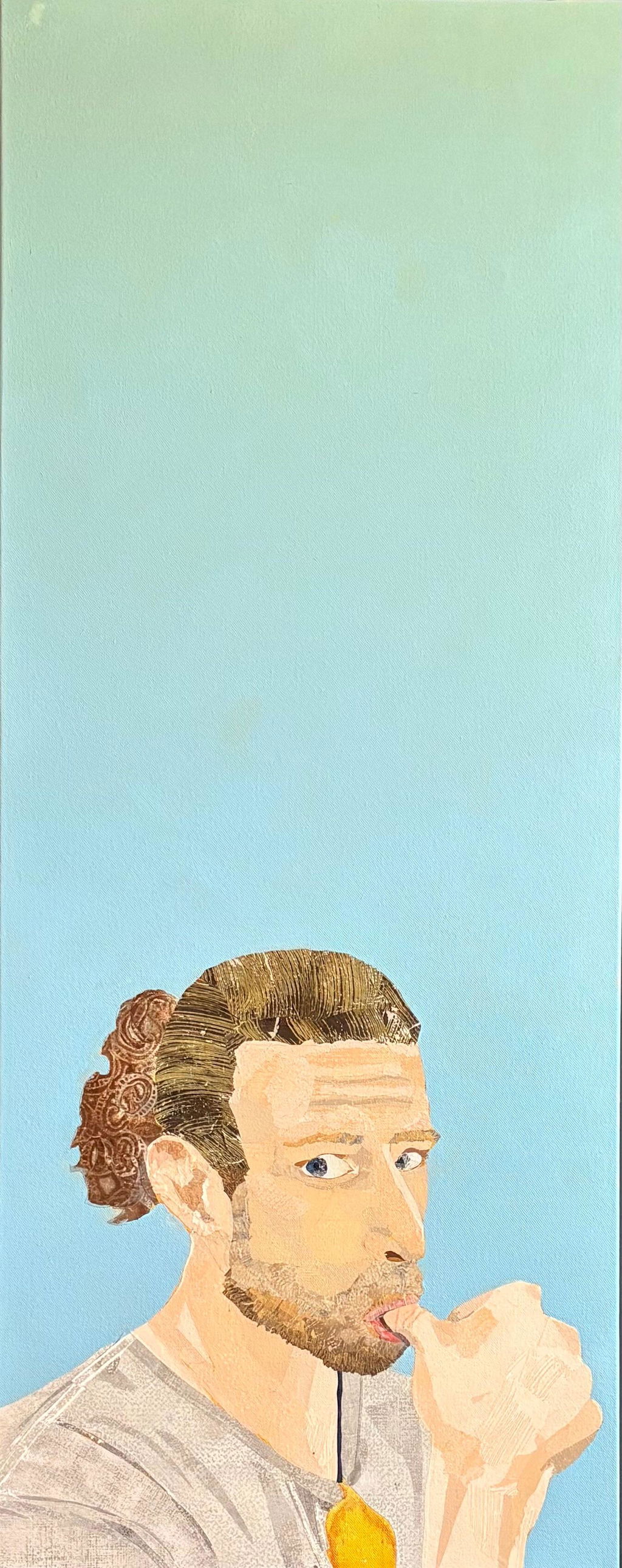
I love to use this medium when making collages. It’s consistency is between a fluid medium and the thicker gel medium so it’s perfect for gluing all different weights of paper.
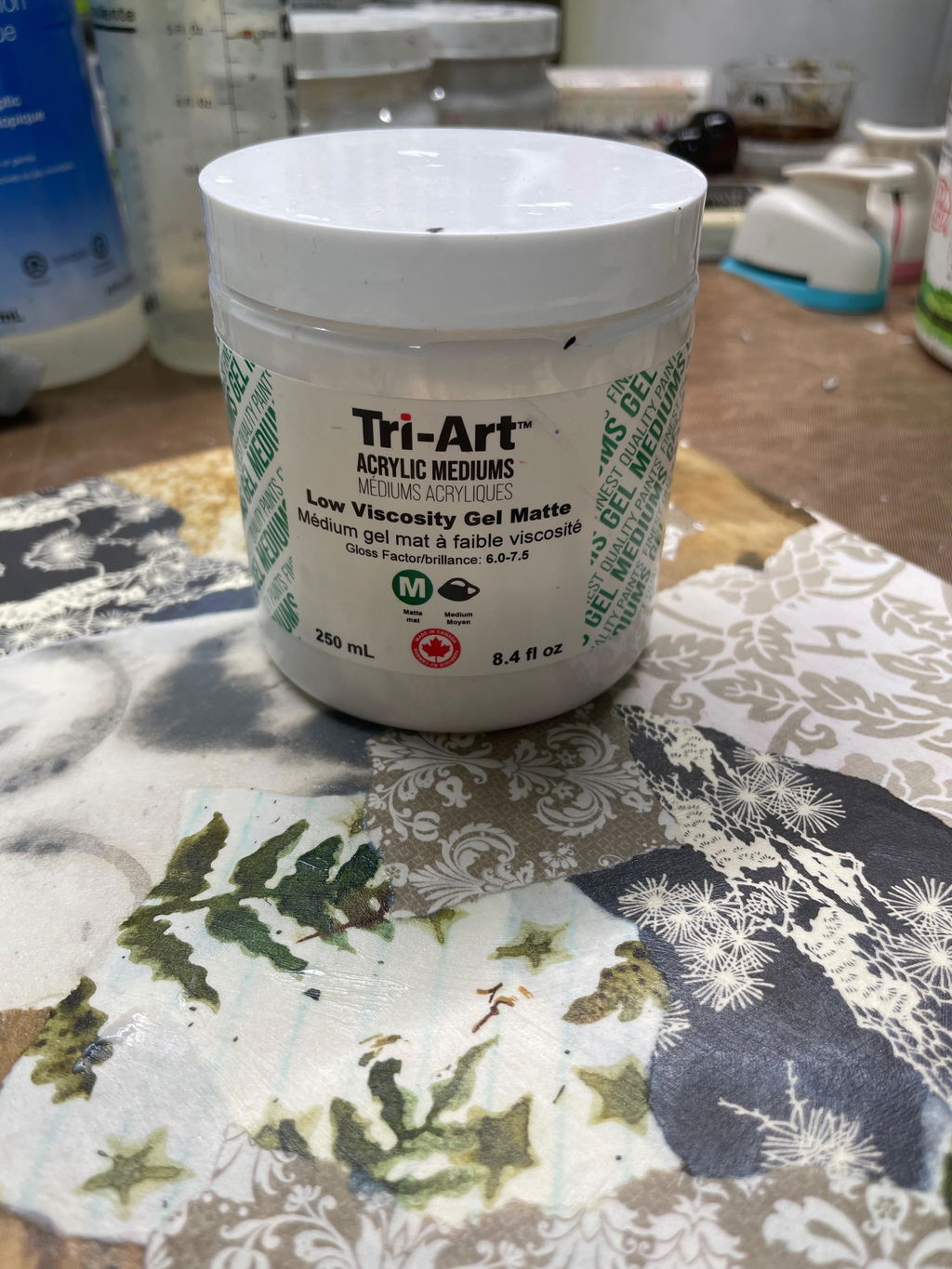
Works great!
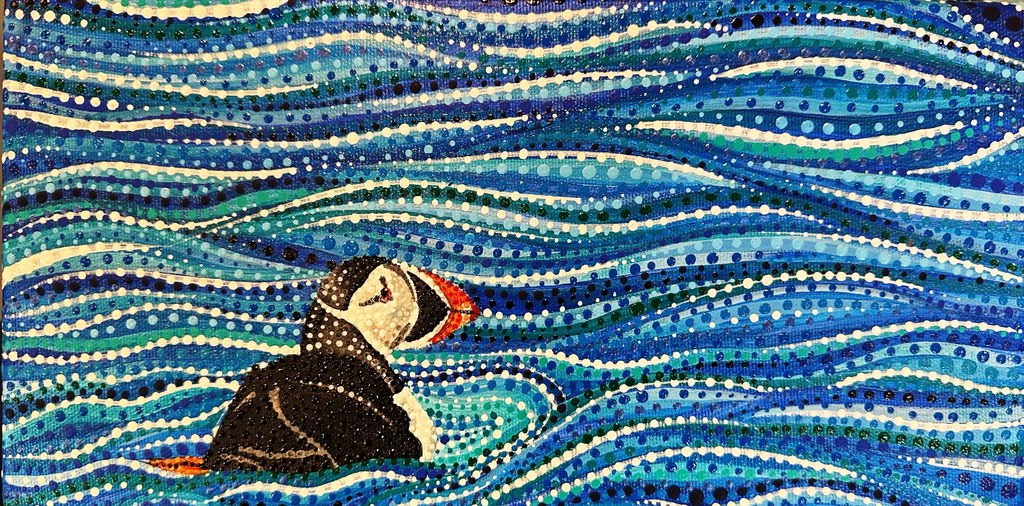
Excellent product. I paint in washes and know when I’m using the Glazing Medium I am not weakening the strength of the paint film. I get results I am expecting.

I've used many brands of matte mediums and Tri-Art's is by far the best I've been able to use. It's an integral part of my painting process and I'd be lost without it. THANKS!
Tri-art’s gazing medium gloss by far is the best glazing medium on the market. And it is all Canadian. We should all support Canadian now.
Carole Rudderham huntsville Ontario

Great Product, since I paint smooth canvases with little texture, I need a lot of open time to blend the paint and this retarder works great.

This is my go to medium for my collage work. Light and good adhesion on papers and tissues.

The best. Beautiful texture. Thanks Tri-Art
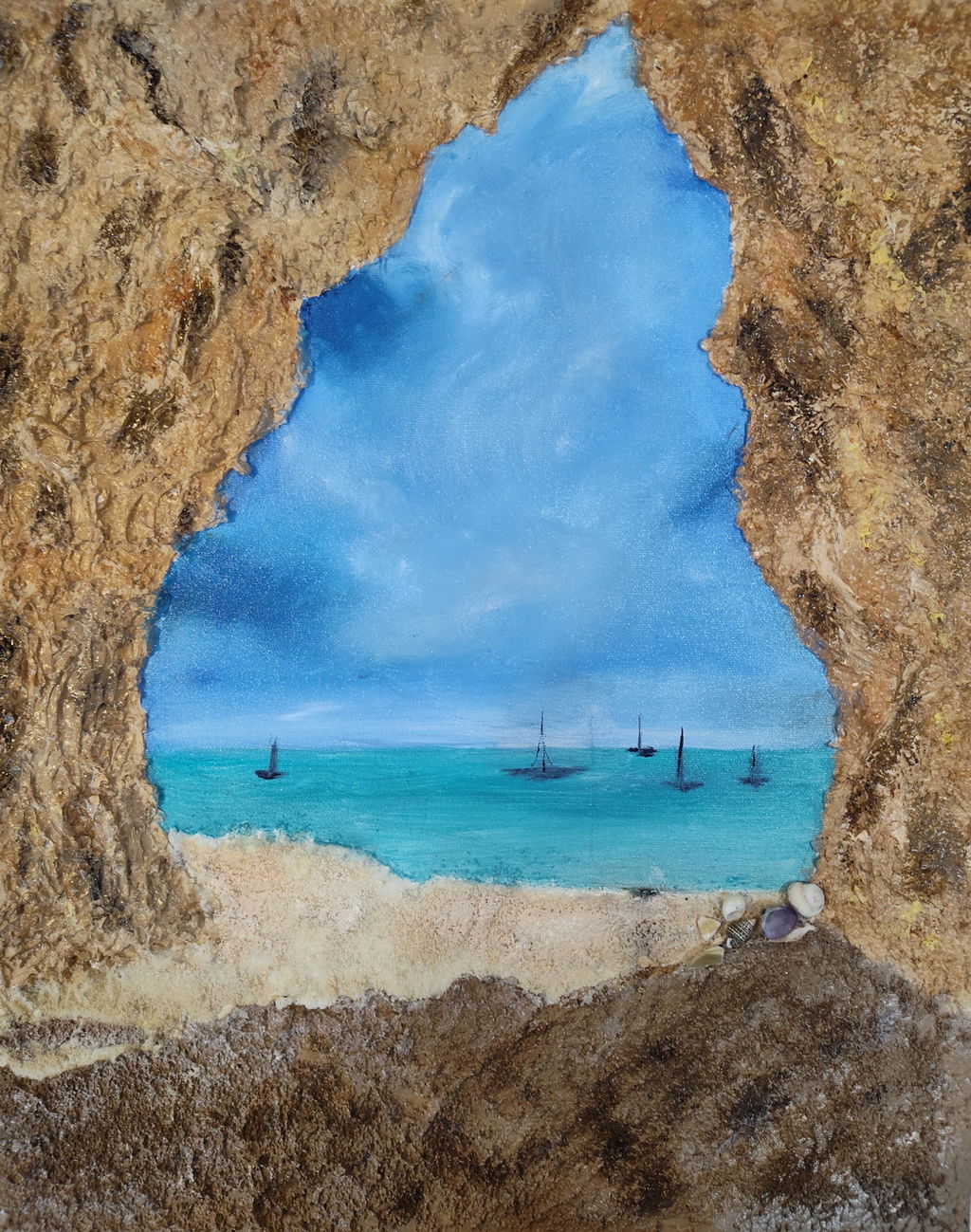
The best. Beautiful texture. Thanks Tri-Art
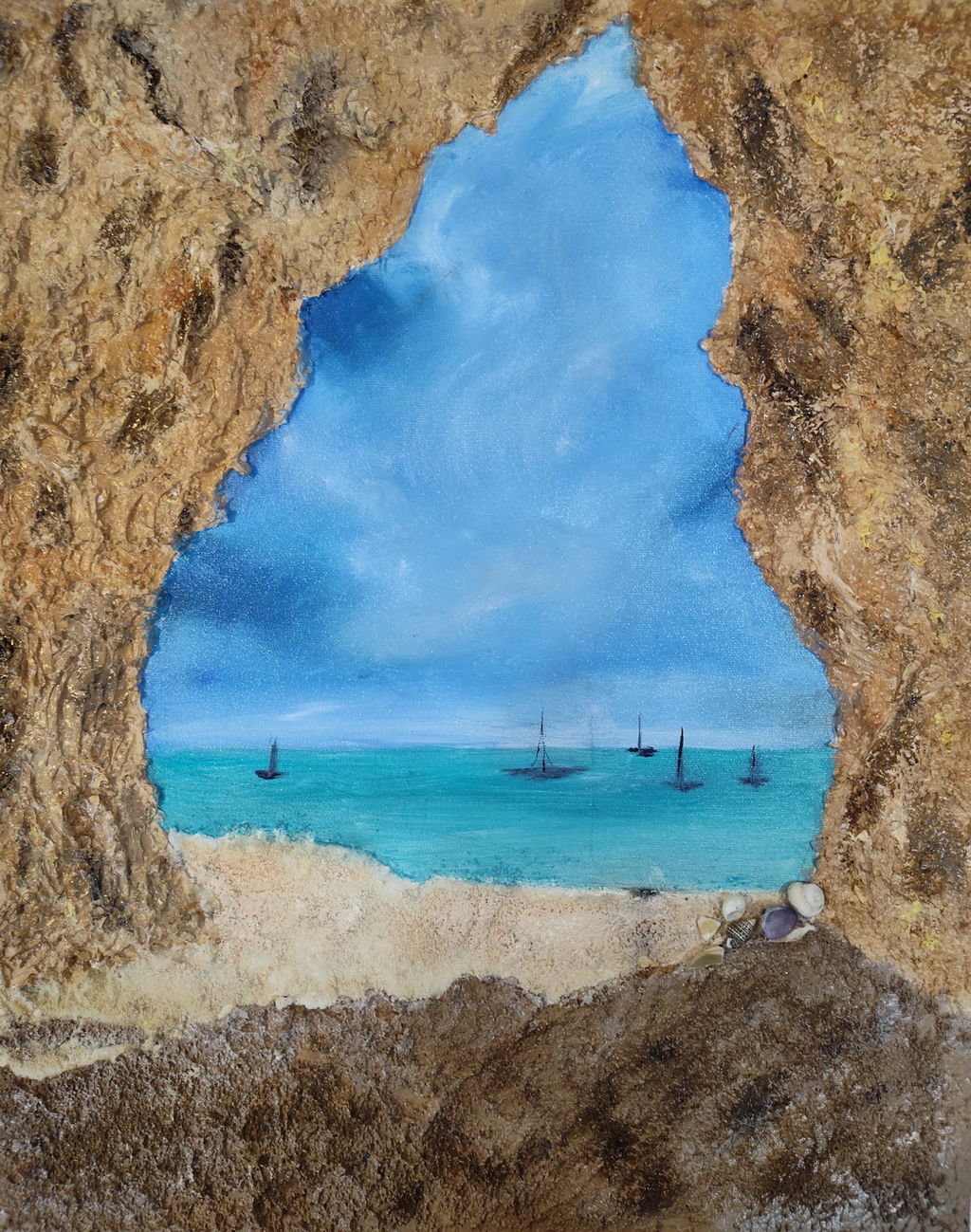
Order could not have been delivered quicker. Had some small cracks on first pour ( might not have cleaned fluid painting enough, poured a second coat and is fine. A lot easier than resin and not as hazardous. Will be using it more.
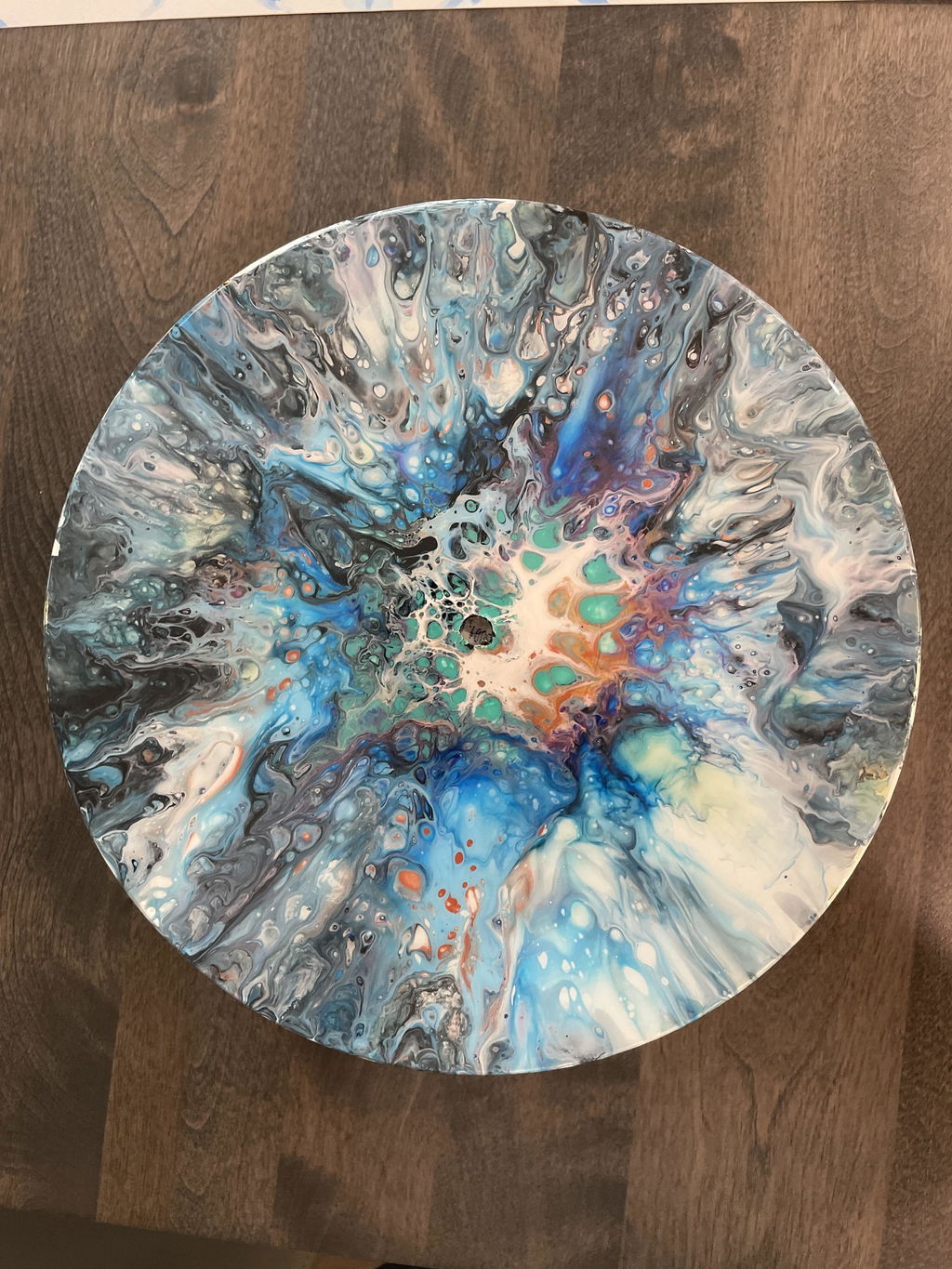
Love Tri Art!
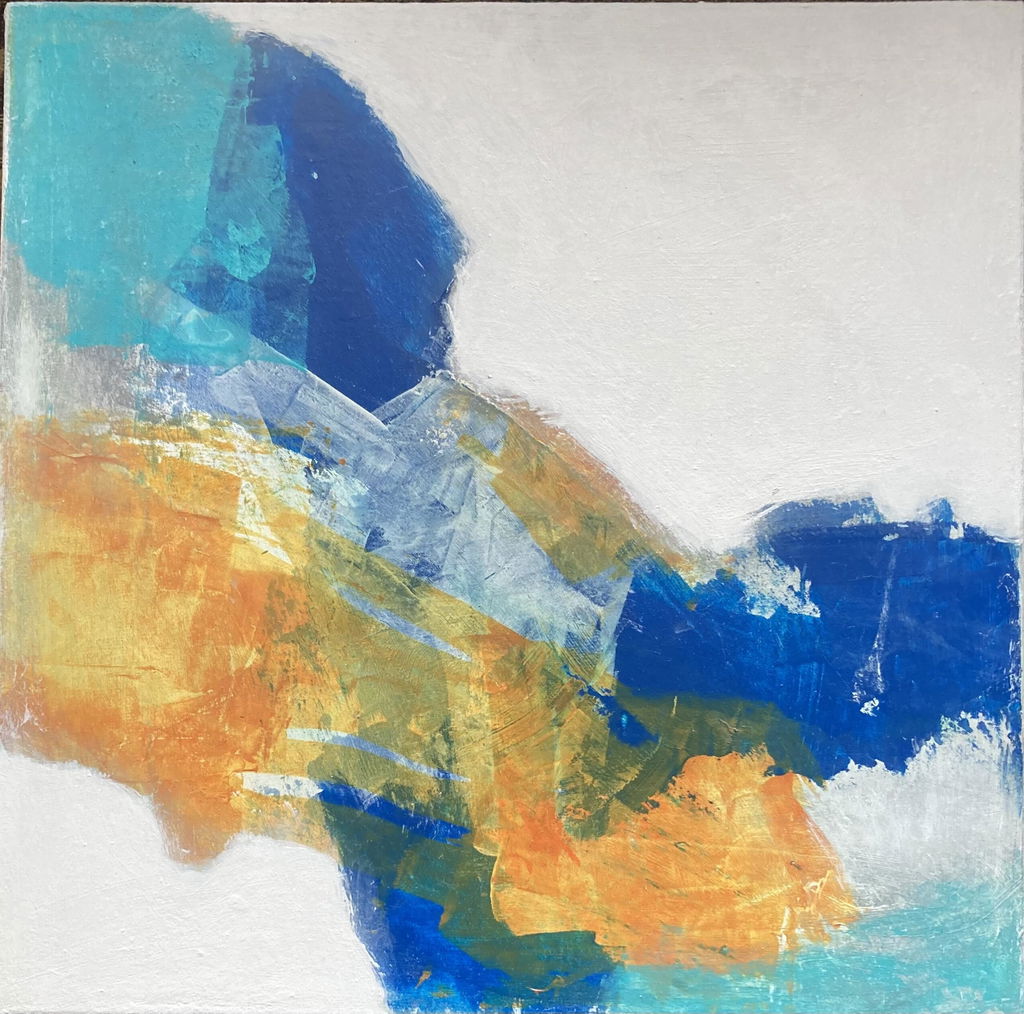
Love Tri Art!

I experimented on an old canvas that had previous dried other brand crackle and my texture mix, THIS TRI-ART POURABLE CRACKLE WORKED BEAUTIFULLY even on top of the old crackle but not the texture! It’s a smooth surface with deep crevices and has an eggshell shein when dry. And yes, the thicker the bigger cracks. I purposely made a few puddle areas to see what would happen and nothing but good things. I immediately bought another bottle cause I never want to run out of this. I prefer pouring and tilt with this right now rather than a knife, although a knife will give you more control of placement. Its consistency is like fluid paint used for pouring techniques. LOVE IT !
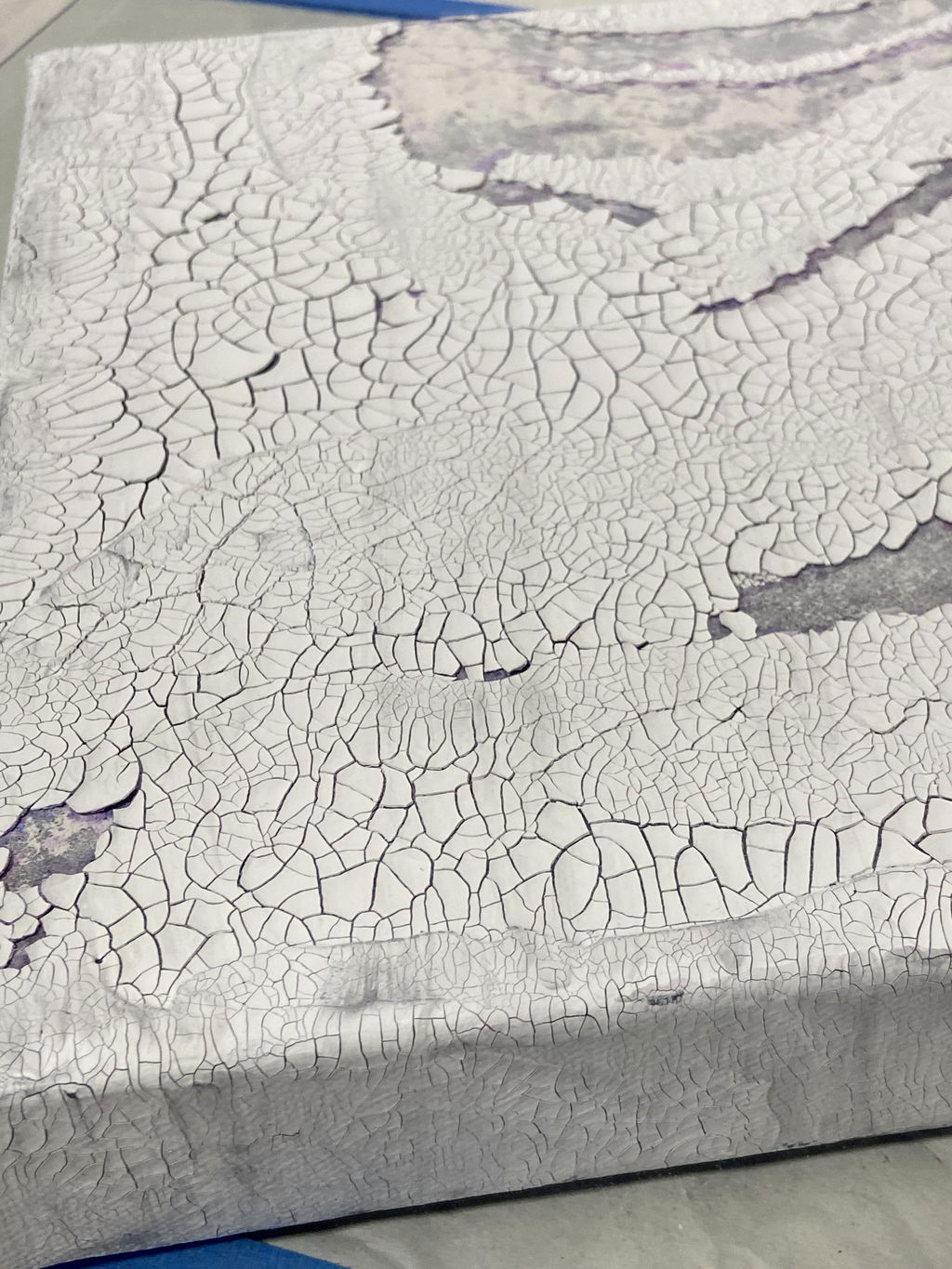
I experimented on an old canvas that had previous dried other brand crackle and my texture mix, THIS TRI-ART POURABLE CRACKLE WORKED BEAUTIFULLY even on top of the old crackle but not the texture! It’s a smooth surface with deep crevices and has an eggshell shein when dry. And yes, the thicker the bigger cracks. I purposely made a few puddle areas to see what would happen and nothing but good things. I immediately bought another bottle cause I never want to run out of this. I prefer pouring and tilt with this right now rather than a knife, although a knife will give you more control of placement. Its consistency is like fluid paint used for pouring techniques. LOVE IT !
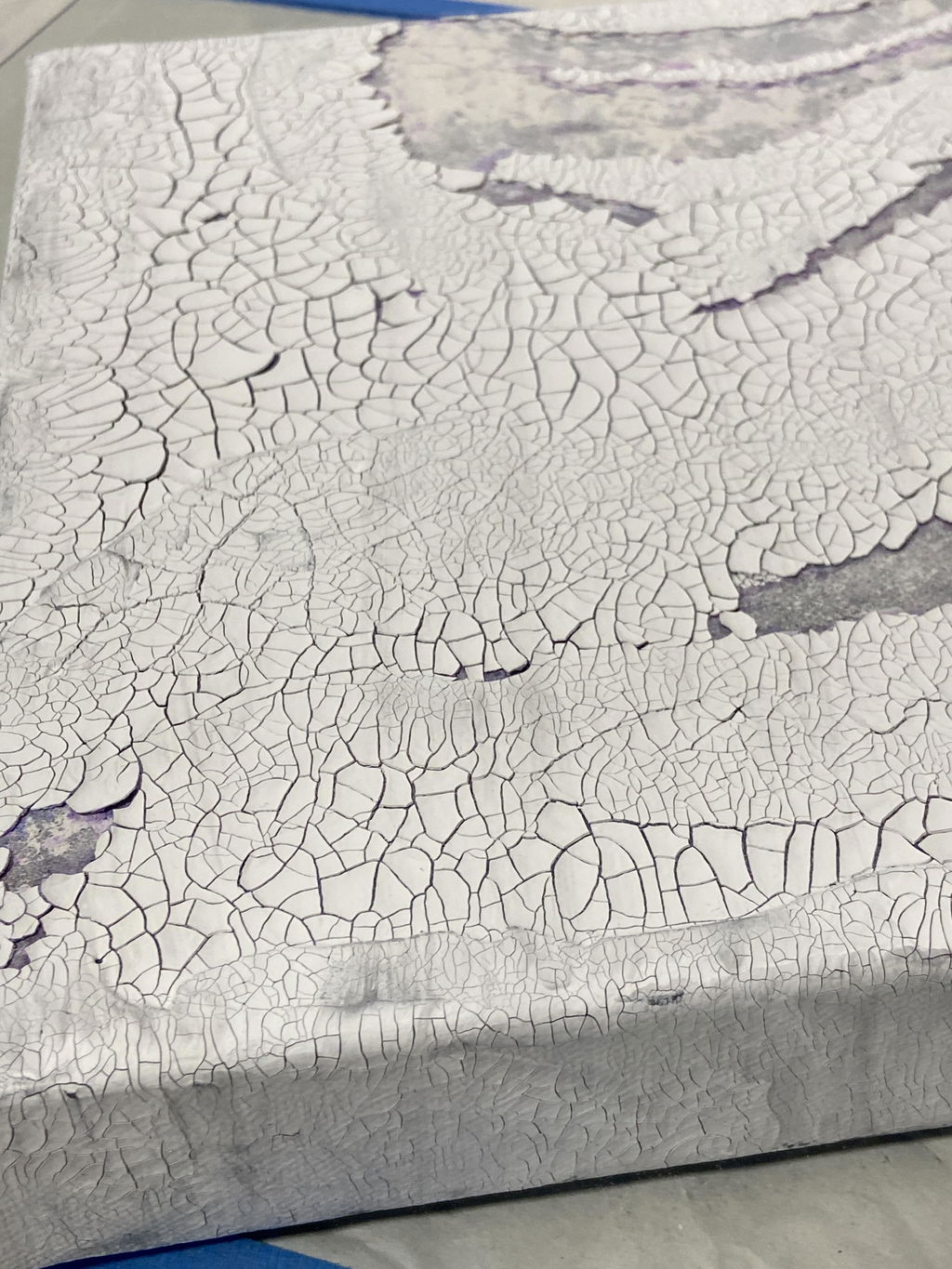
Just used fiber paste. I WAS VERY HAPPY WITH THE RESULTS in creating faux rough edge watercolor paper. Strong yet flexible. Smooth or peaked layers can be easily created. Use a silicone mat wherever you don’t want it to stick. I’ll be buying more when I run out 😁
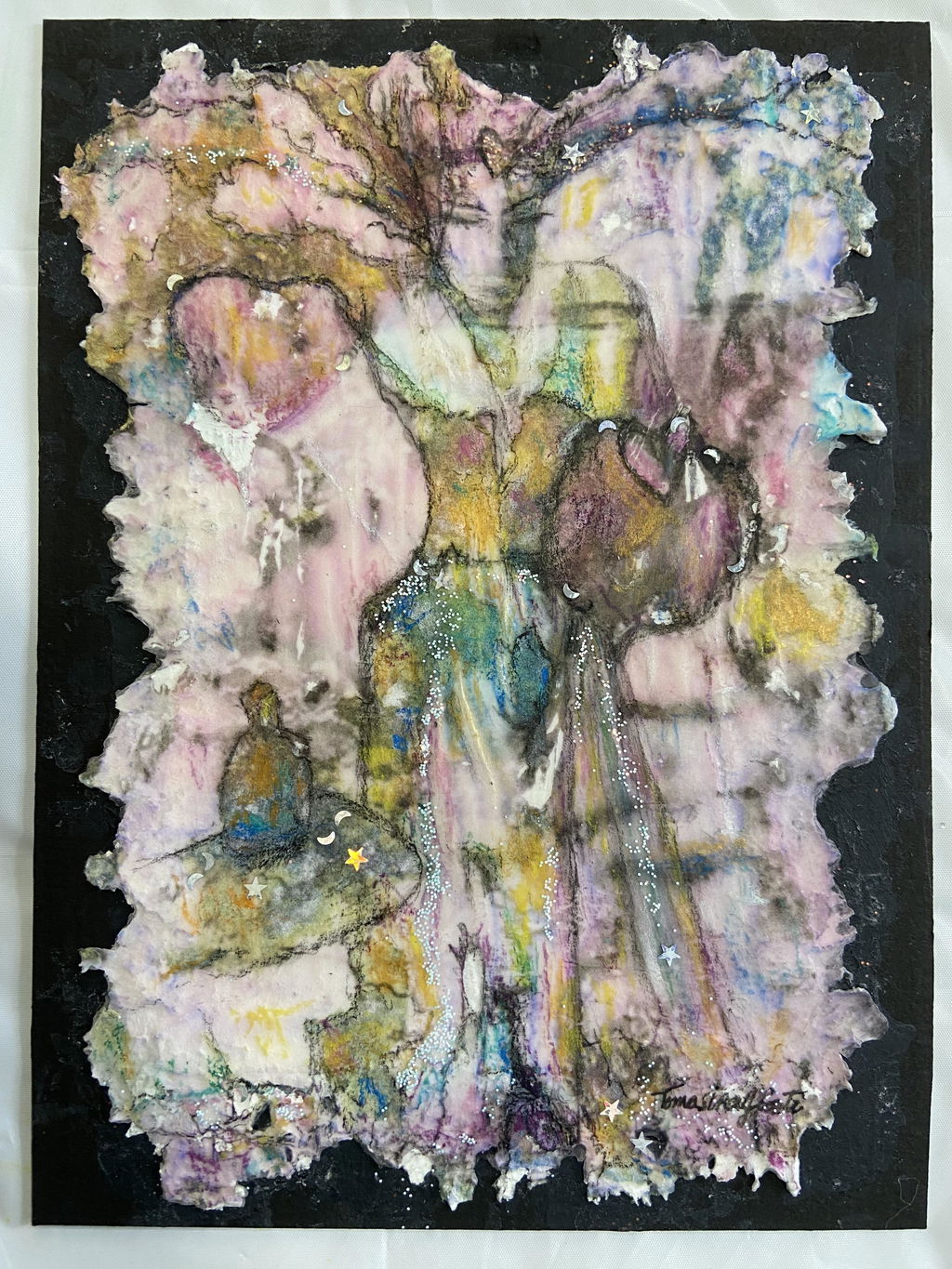
Just used fiber paste. I WAS VERY HAPPY WITH THE RESULTS in creating faux rough edge watercolor paper. Strong yet flexible. Smooth or peaked layers can be easily created. Use a silicone mat wherever you don’t want it to stick. I’ll be buying more when I run out 😁

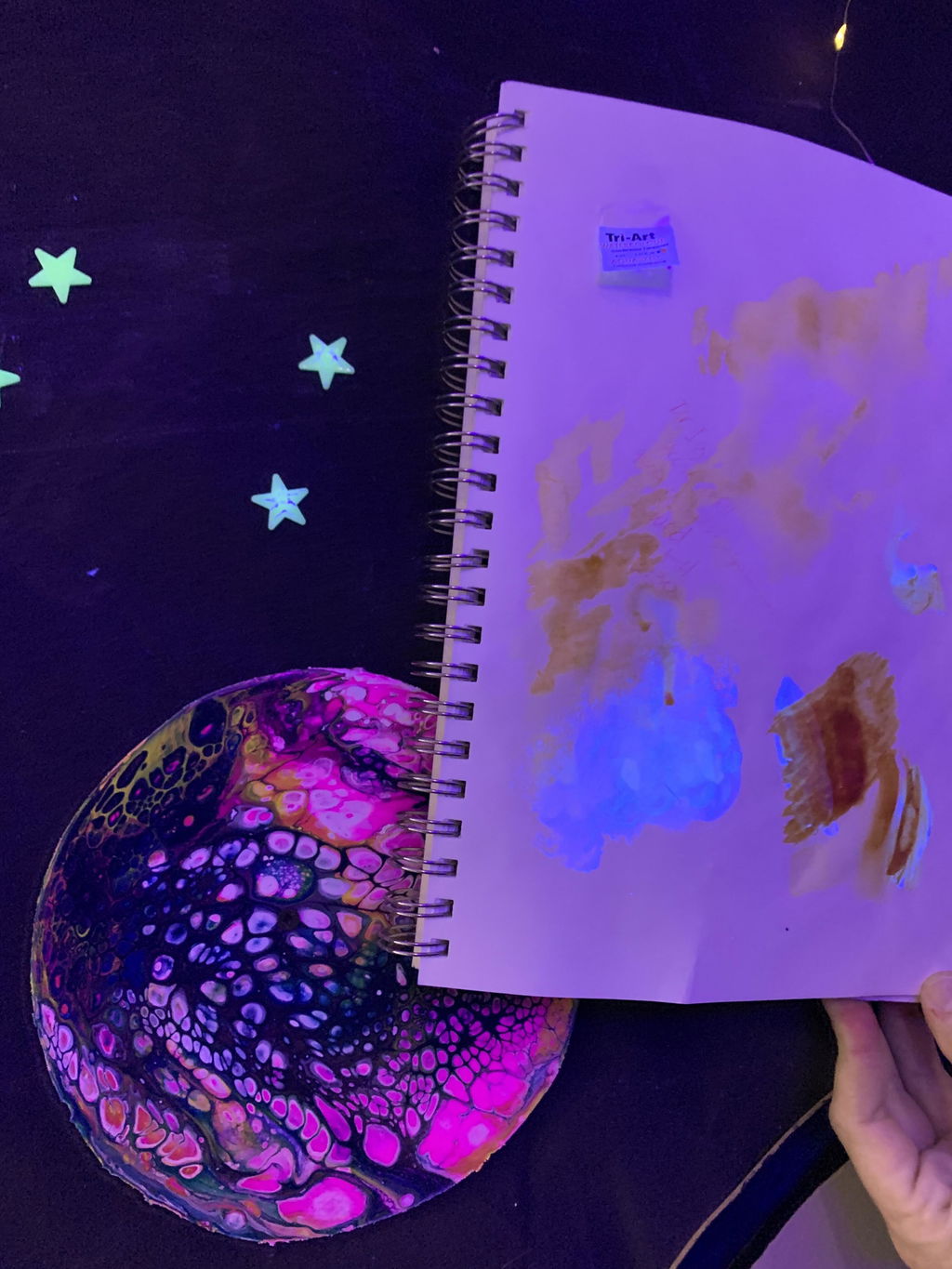
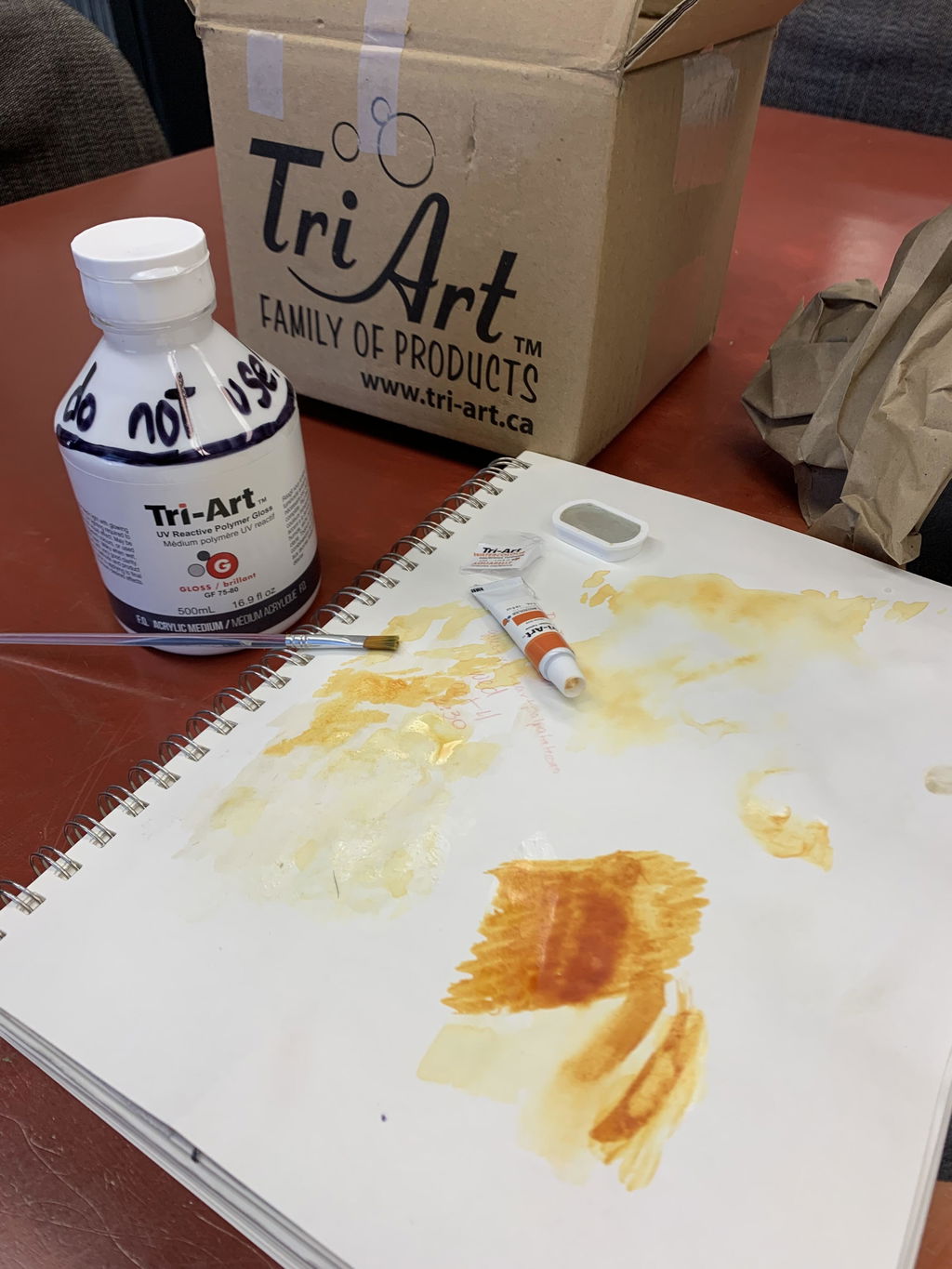
We ordered the UV reactive polymer for our school, Phoenix Education Foundation in Calgary AB, and boy does it glow! I know the pictures will not come close to showing just how much it pops! Our classroom set design team tried it out in our Deep Space Theme and what fun! We really love how transparent it is until under the Black light. We cannot wait to use it with our transparent Tri-Art acrylics we also just bought!
Description
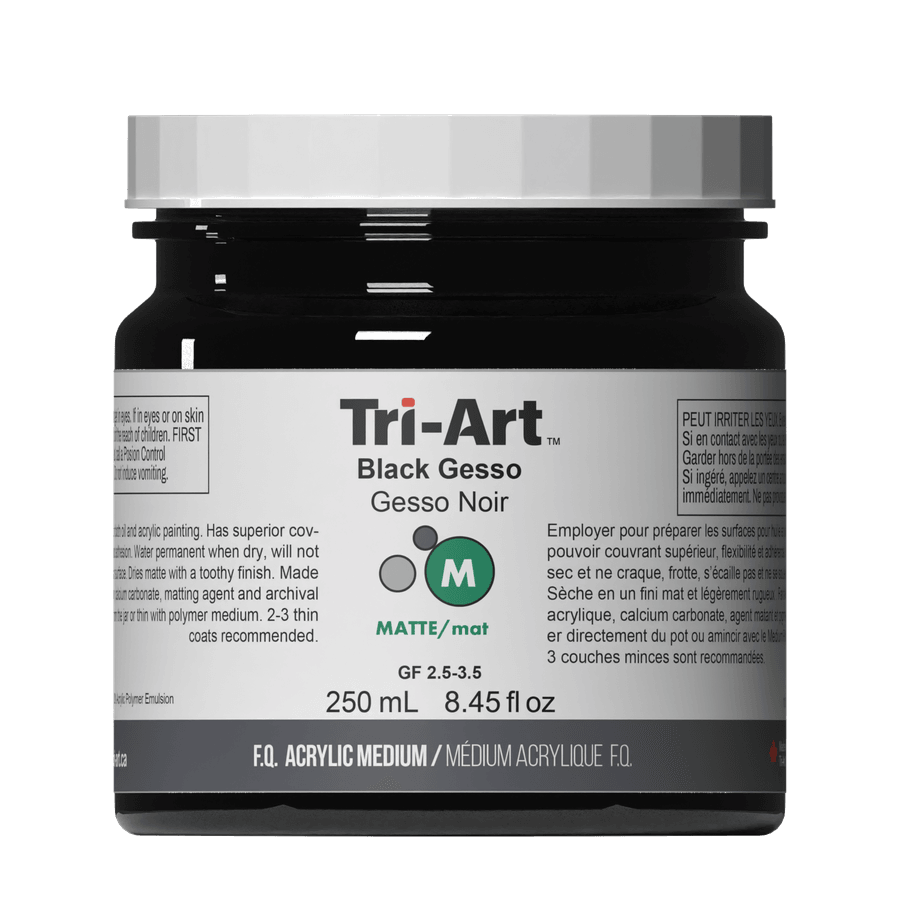
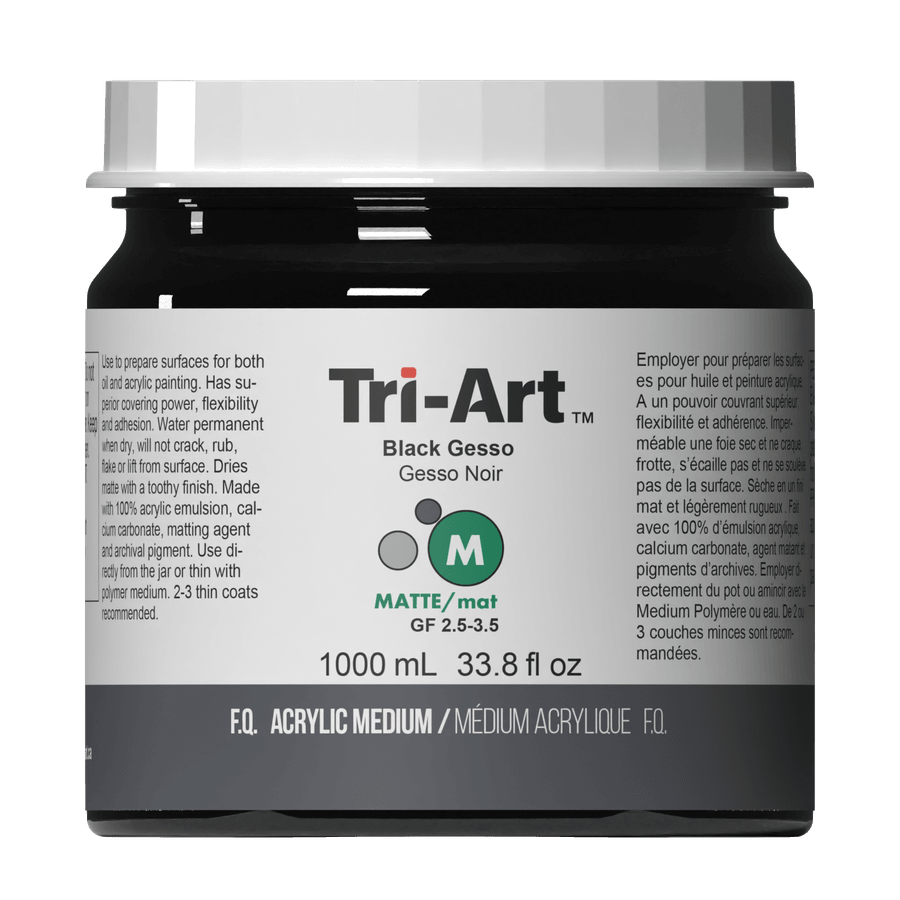
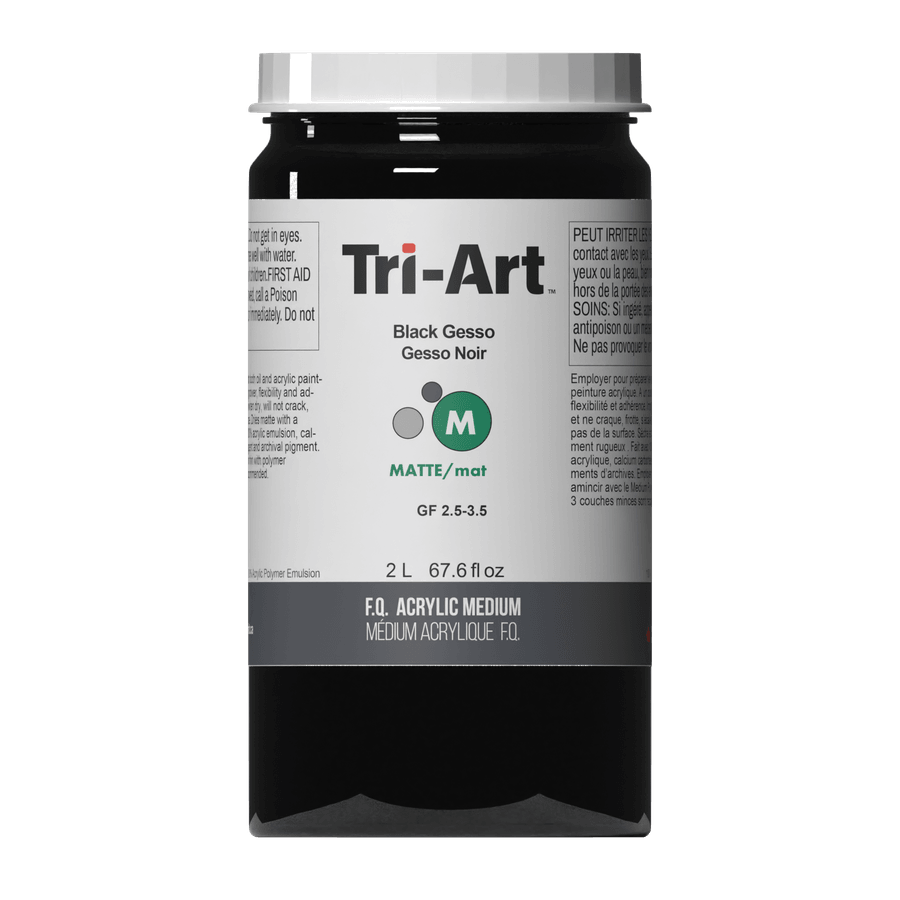
Tri-Art's Black Gesso is a premium foundation for both acrylic and oil painting. Crafted with the highest concentration of 100% acrylic emulsion, pigment, and calcium carbonate, this black gesso offers a pH-neutral ground that is perfectly suited for artistic applications.
Black Gesso creates a smooth, matte, and opaque surface that is ideal for painters seeking a robust and vivid base for their work. Once dry, it becomes water-permanent, ensuring the longevity and durability of your artwork. The formula boasts very strong adhesion and flexibility, which prevents cracking, rubbing, flaking, or lifting from the substrate.
Black Gesso enhances the depth and intensity of the colors applied over it. For optimal results, apply 2-3 coats. This product not only prepares your canvas with a superior quality base. Whether you're a professional artist or an enthusiastic hobbyist, Tri-Art's Black Gesso is an indispensable addition to your art supplies, setting the stage for striking and enduring creations.
About Acrylic Paint
This explains what acrylic paint is, and why our acrylic films are dependable over time.
What acrylic paint actually is
Acrylic paint is pigment dispersed in an acrylic polymer emulsion. As water evaporates, the acrylic particles coalesce into a continuous, flexible film that locks pigment in place and adheres to the surface.
Our binder and manufacturing approach
Tri-Art paints are 100% acrylic polymer emulsion products. We manufacture using a custom high-solids acrylic resin, and this binder standard applies across our range, including professional and student quality.
Using water confidently
Because our acrylic films are built on a high-solids acrylic resin system, artists can be more comfortable using water as a working medium without feeling like they are automatically compromising film integrity. For very thin applications, build in controlled layers and let each layer dry before continuing.
Practical tip: if you are creating extremely thin washes for extended areas, consider alternating thin layers with normal-strength layers to maintain a robust film build.
Viscosity
Rheology


