Low Viscosity Acrylic Paint

Low Viscosity Acrylic Paint

Ink-like flow for crisp lines, fine strokes, and large washes

Low Viscosity Acrylic Paint

High pigment, lightfast colour that stays clean in glazes

Low Viscosity Acrylic Paint

Nozzle jar control for mixing, pouring, and marker refills

Quick points on Low Viscosity Acrylic Paint

• Shake well before use, the jar includes a mixing bead to help keep pigment suspended
• Use straight from the nozzle for crisp linework and controlled marks
• For washes and glazing, extend with acrylic mediums to keep films strong (instead of relying on lots of water)
• Avoid over-thinning with water, too much water can weaken the paint film integrity
• For custom colours in paint markers, Low Viscosity can be used for refilling Tri-Art paint markers

  • Made in Canada since 1994
  • Free shipping on orders over $89
72 products
Sort by
Sort by
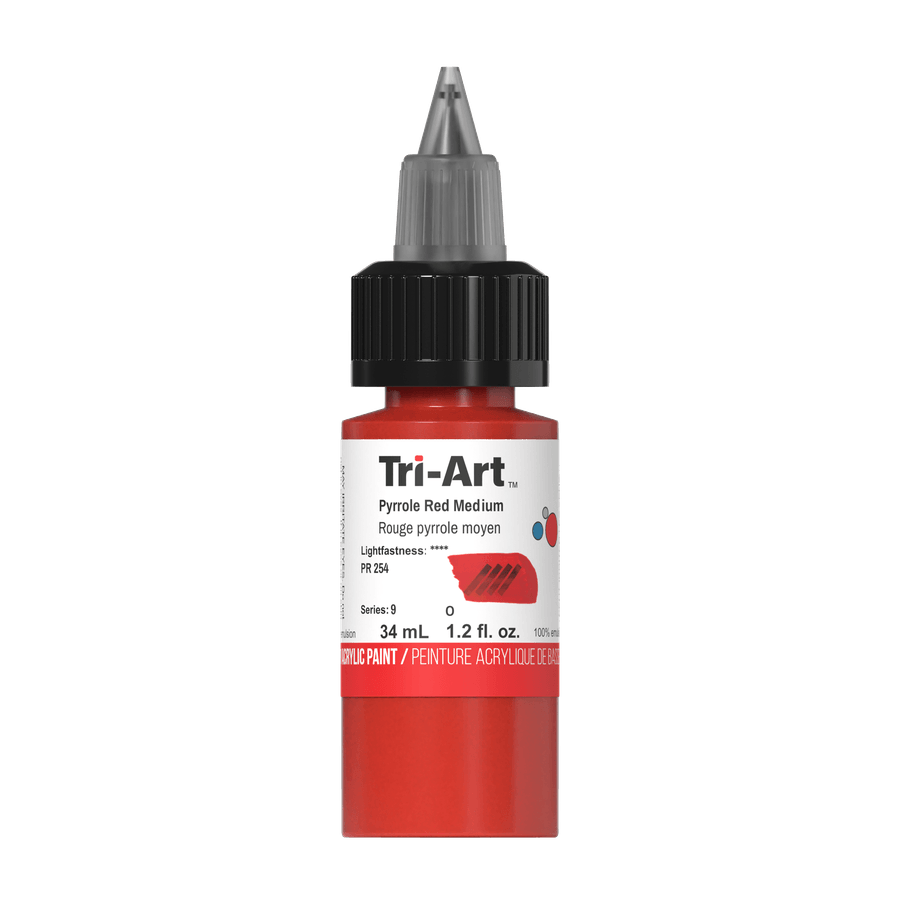
Tri-Art Low Viscosity Pyrrole Red Medium
PR254OpaqueLF 4
Sale price$8.33 USD
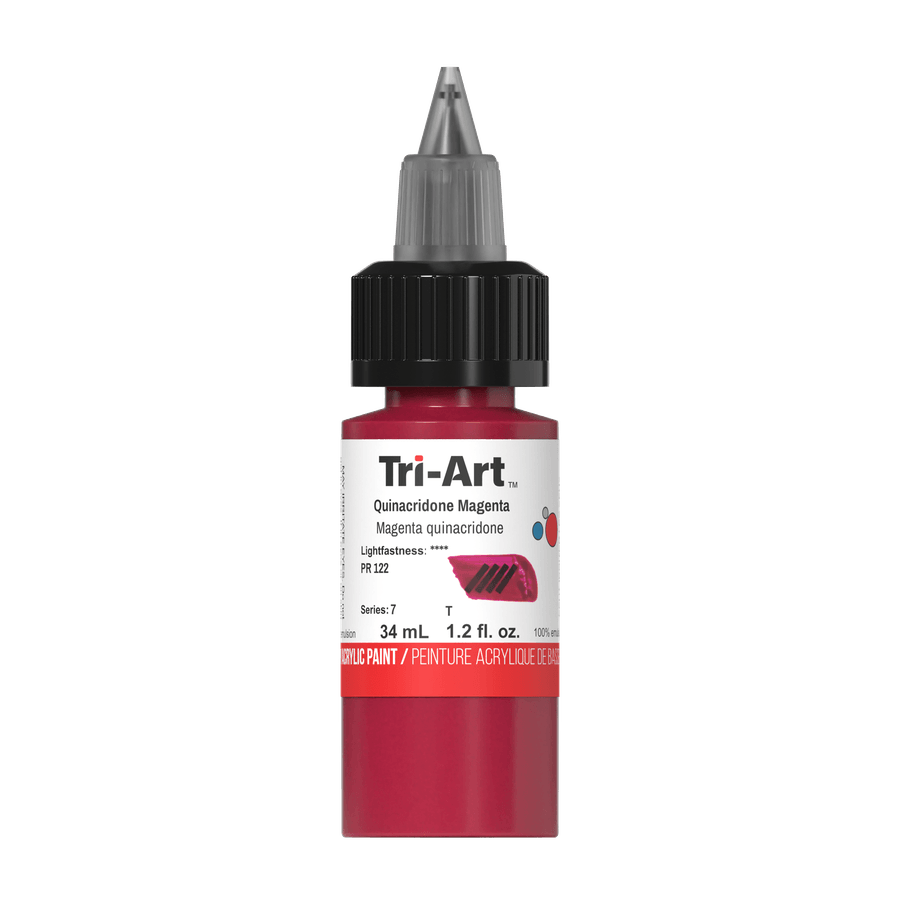
Tri-Art Low Viscosity Quinacridone Magenta
PR122TransparentLF 4
Sale price$8.33 USD
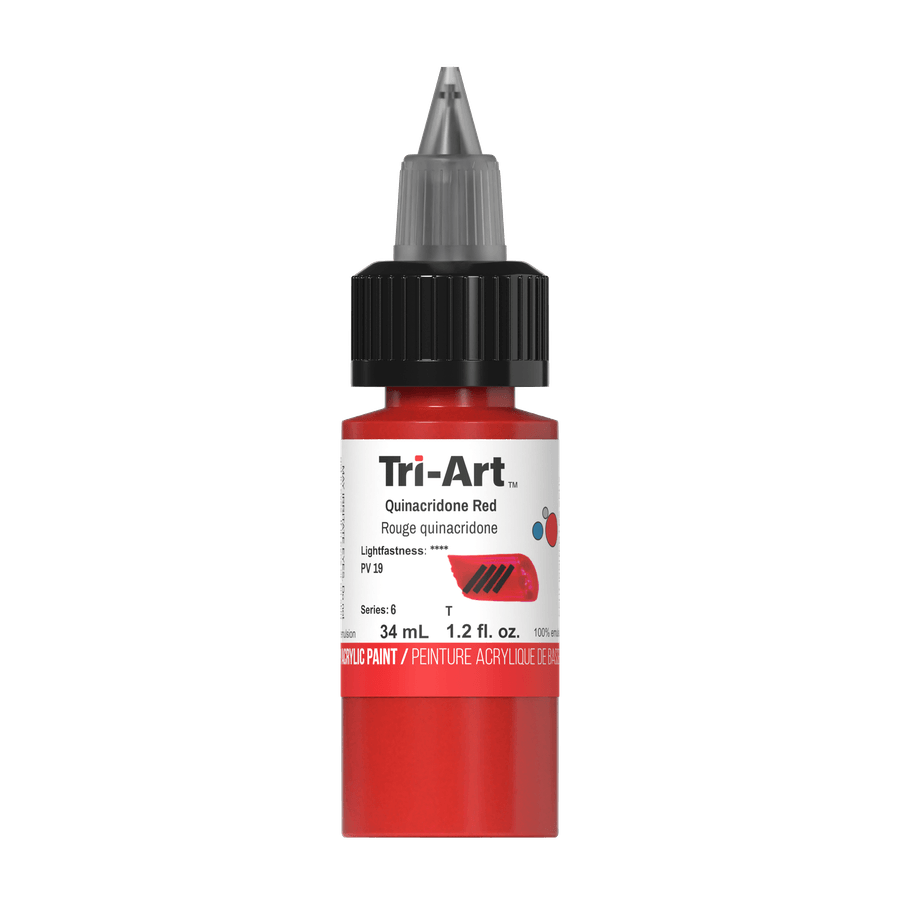
Tri-Art Low Viscosity Quinacridone Red
PV19RTransparentLF 4
Sale price$8.33 USD
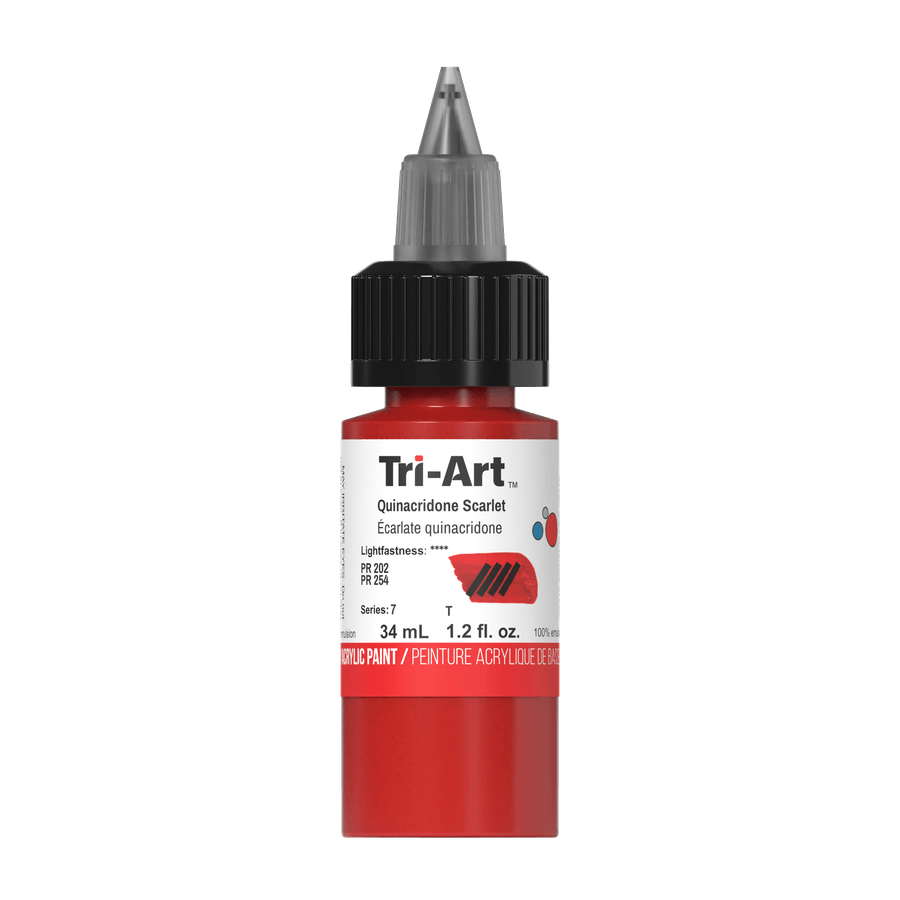
Tri-Art Low Viscosity Quinacridone Scarlet
PR202, PR254TransparentLF 4
Sale price$11.92 USD
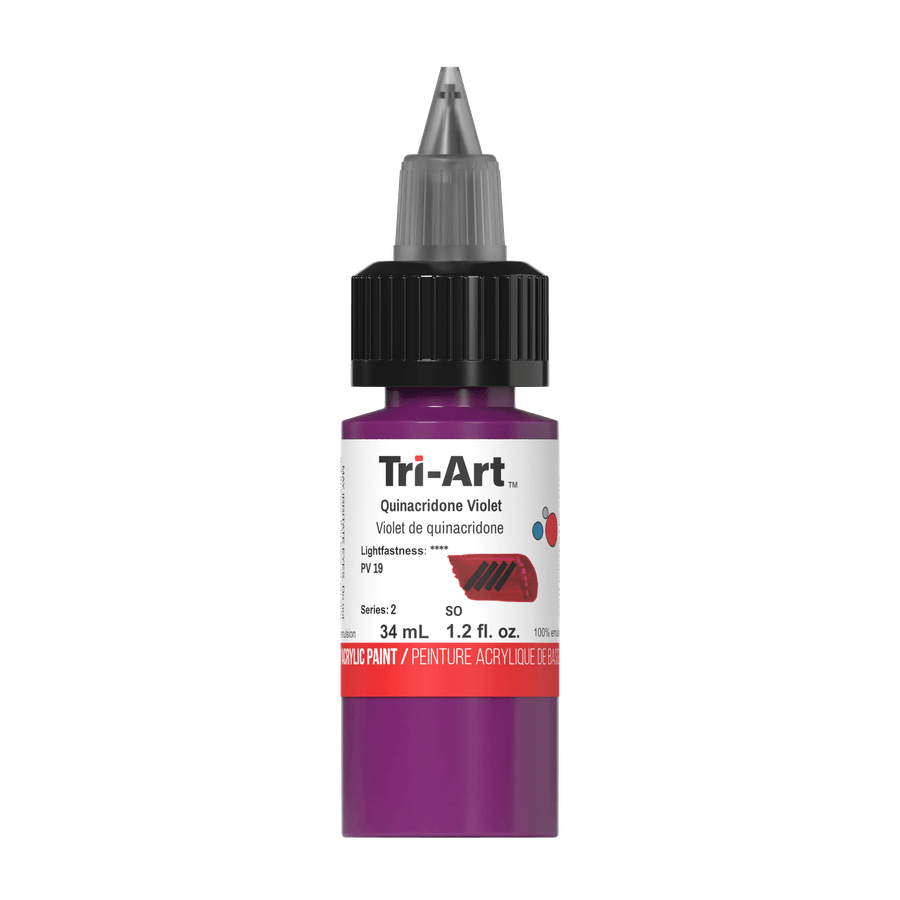
Tri-Art Low Viscosity Quinacridone Violet
PV19TransparentLF 4
Sale price$9.52 USD
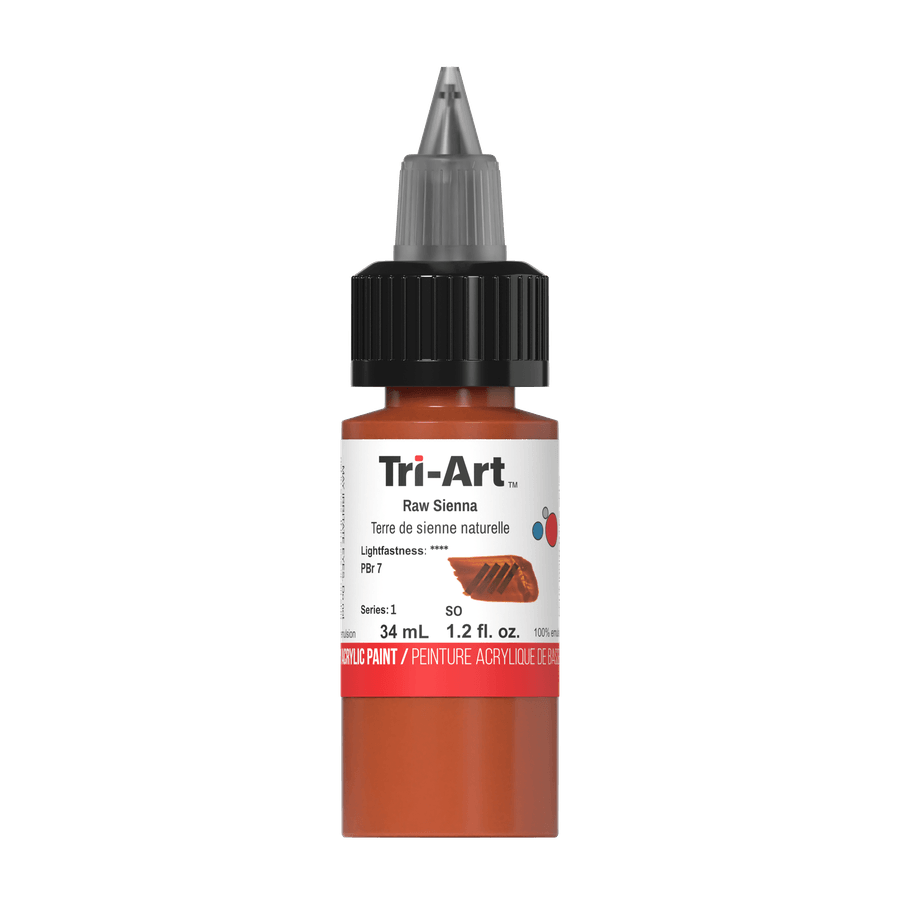
Tri-Art Low Viscosity Raw Sienna
PBR7Semi-opaqueLF 4
Sale price$8.33 USD
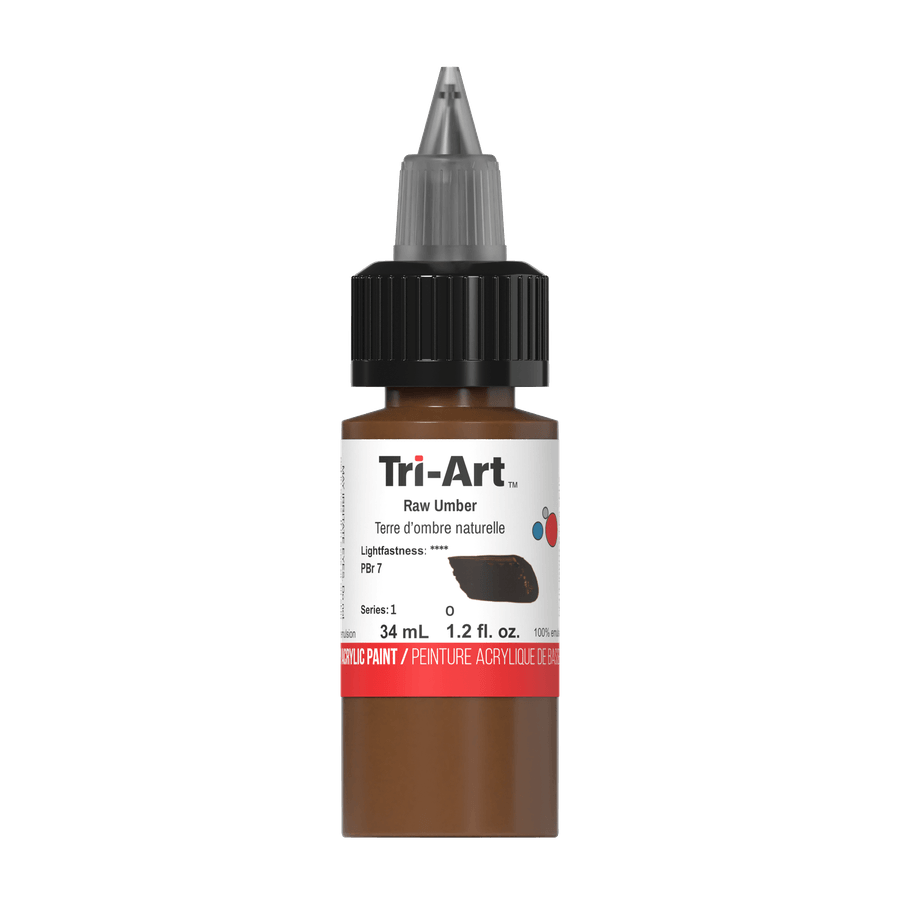
Tri-Art Low Viscosity Raw Umber
PBR7OpaqueLF 4
Sale price$8.33 USD
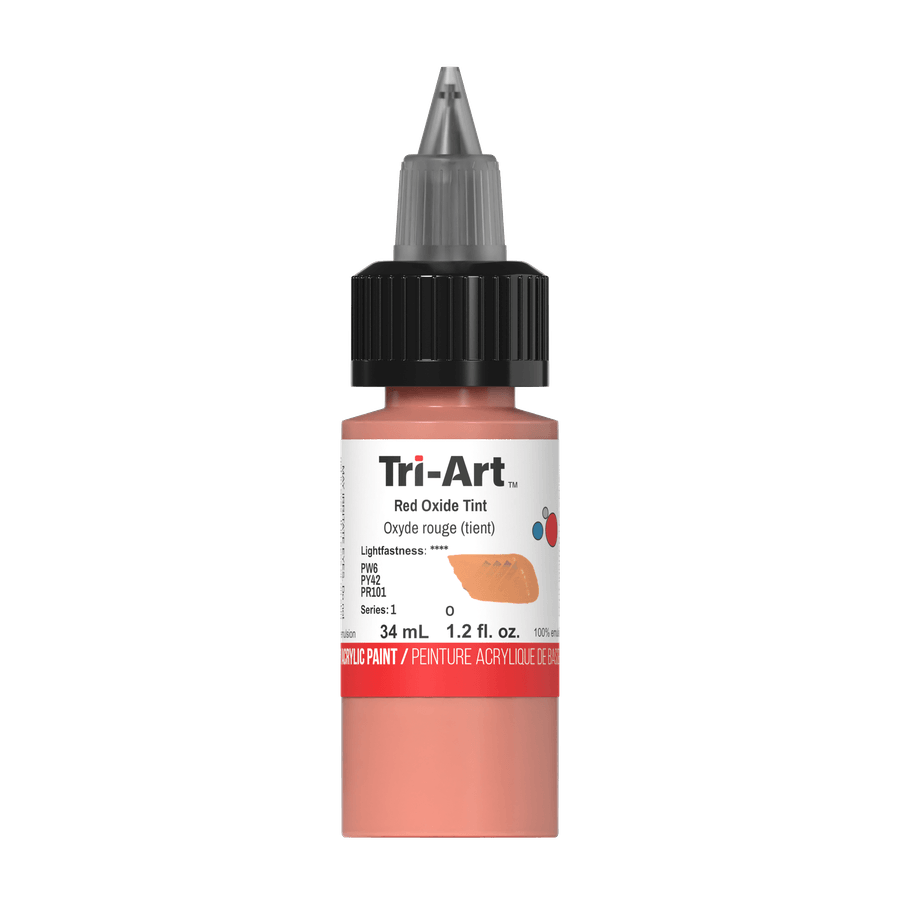
Tri-Art Low Viscosity Red Oxide Tint
PW6, PY42, PR101OpaqueLF 4
Sale price$8.33 USD
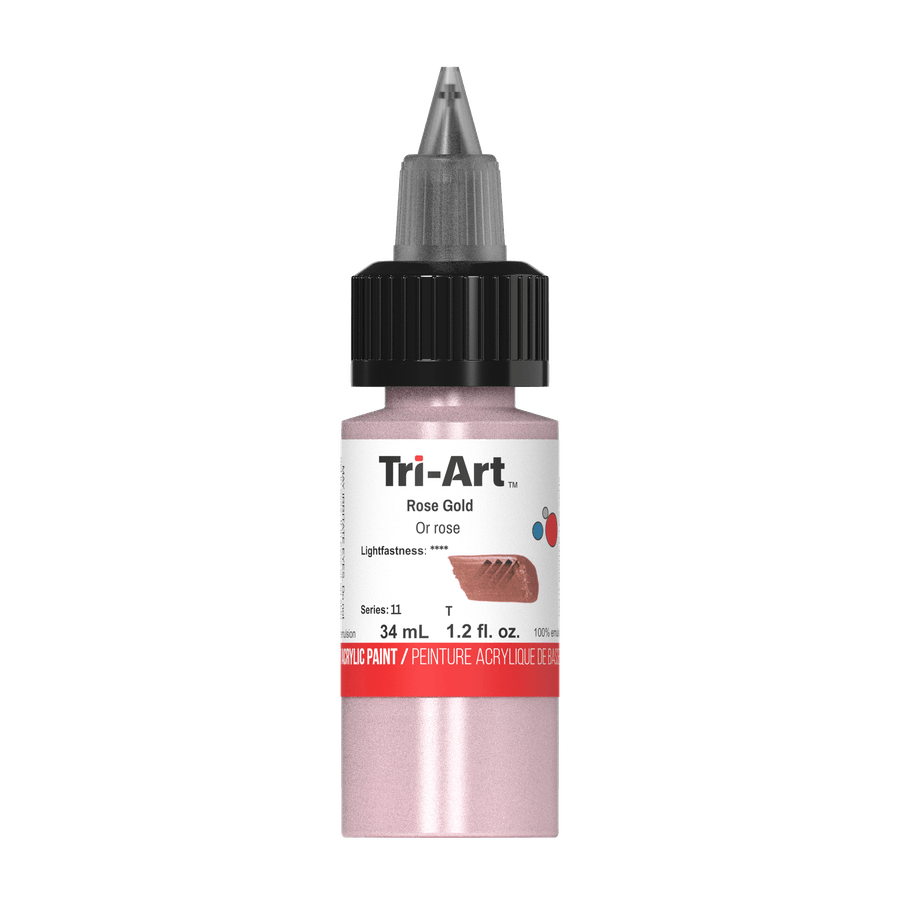
Tri-Art Low Viscosity Rose Gold
IRIDESCENTMICAPIGMENTSemi-opaqueLF 4
Sale price$9.52 USD
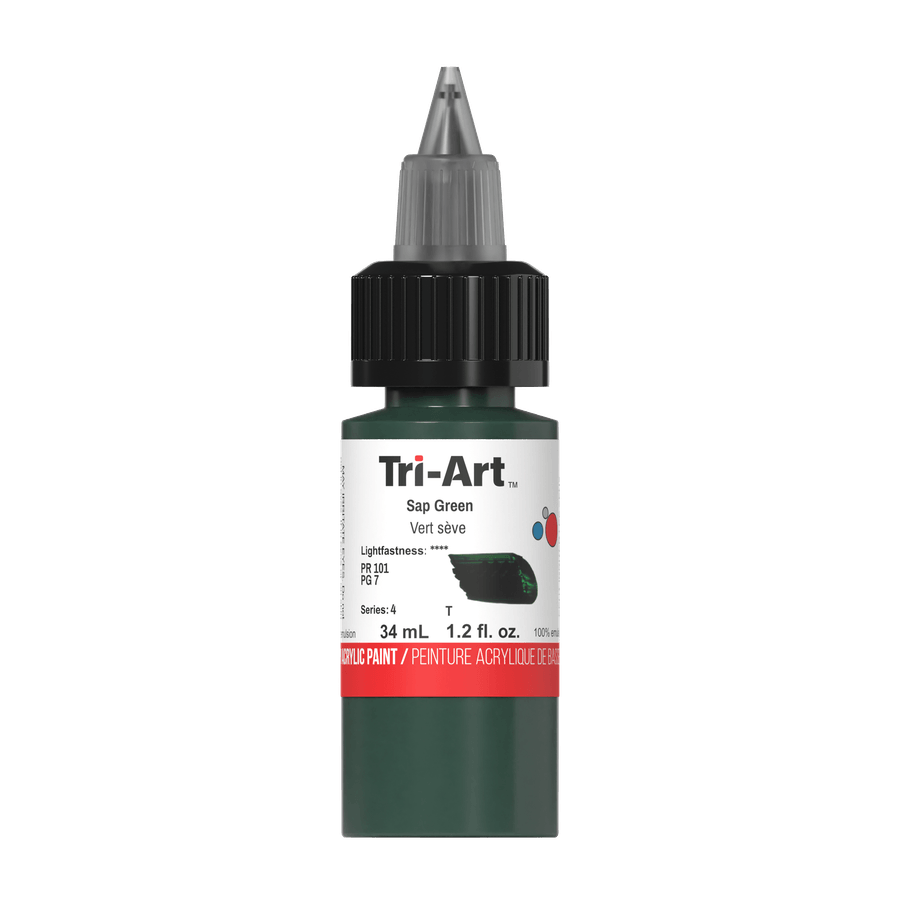
Tri-Art Low Viscosity Sap Green
PG7, PR101TransparentLF 4
Sale price$8.33 USD
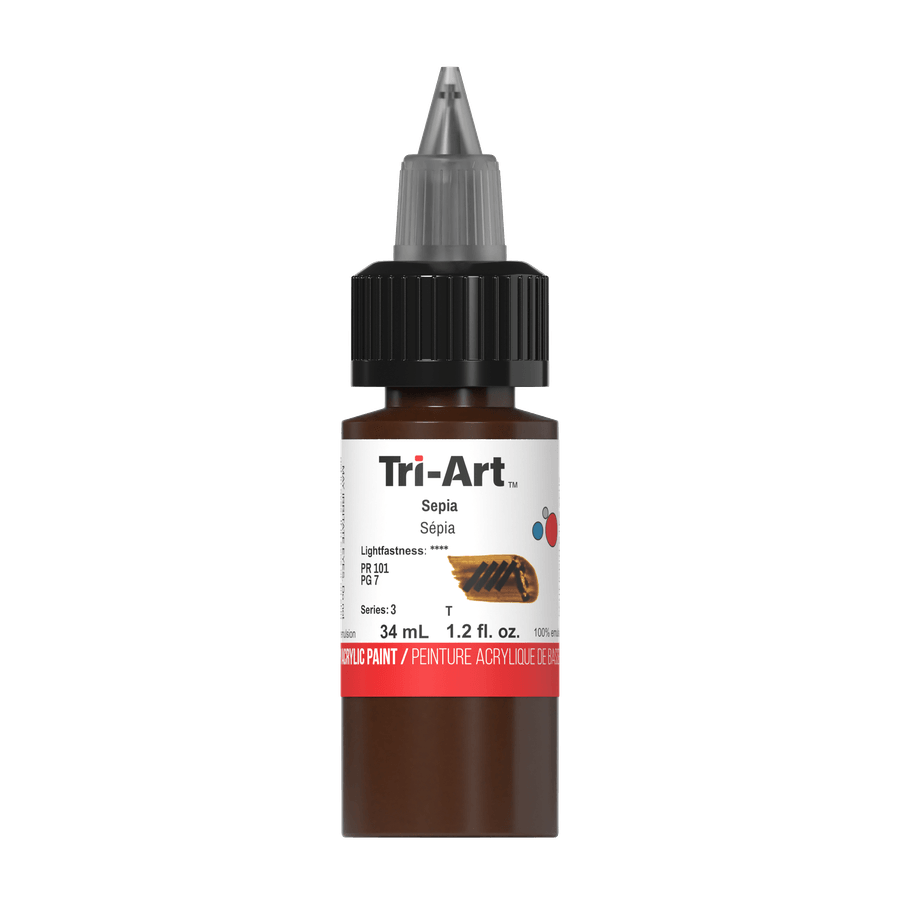
Tri-Art Low Viscosity Sepia
PR101, PG7TransparentLF 4
Sale price$8.33 USD
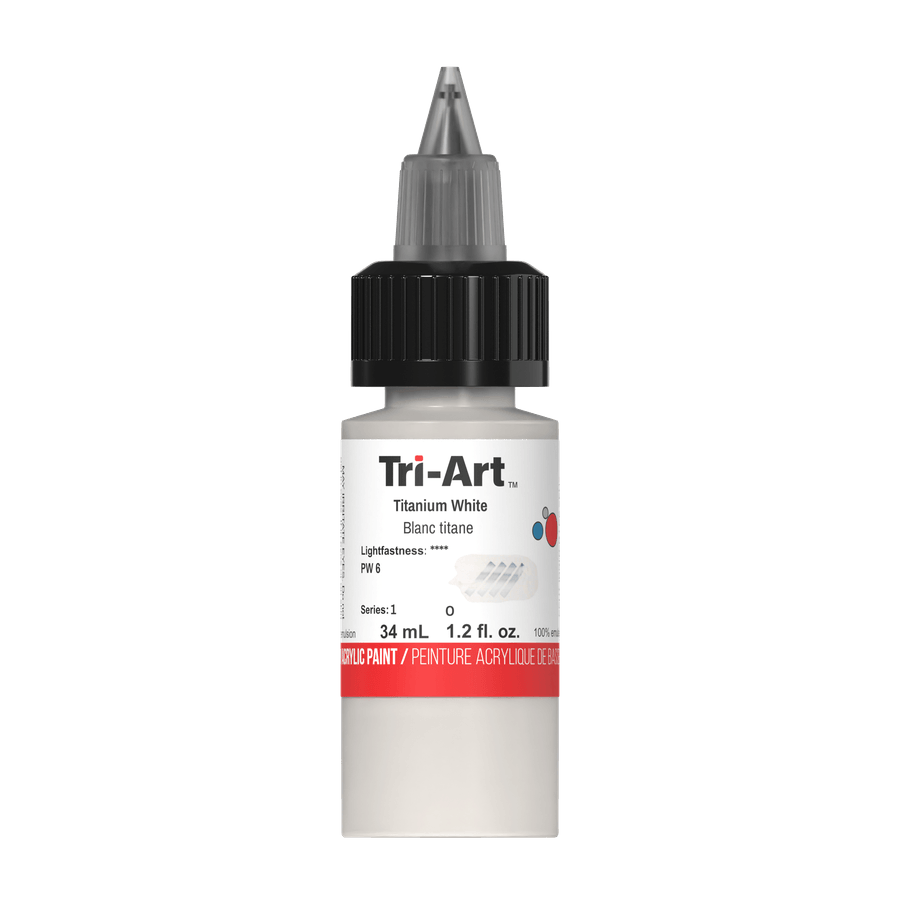
Tri-Art Low Viscosity Titanium White
PW6OpaqueLF 4
Sale price$8.33 USD
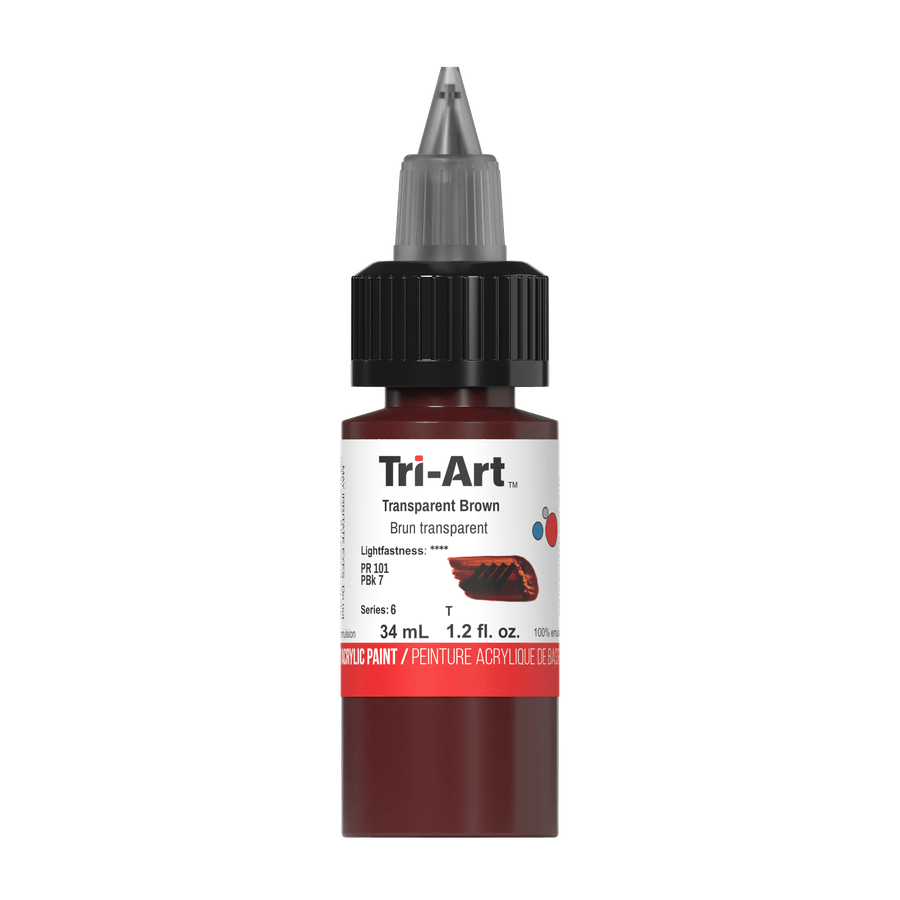
Tri-Art Low Viscosity Transparent Brown
PR101, PBK7TransparentLF 4
Sale price$8.33 USD
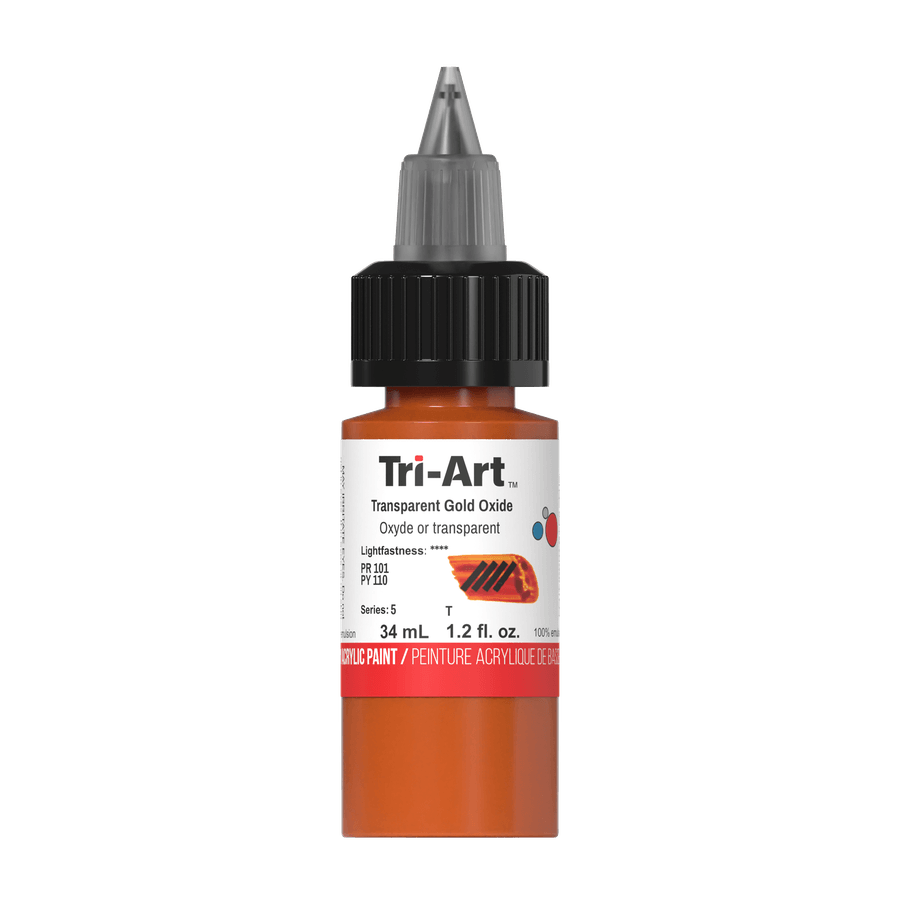
Tri-Art Low Viscosity Transparent Gold Oxide
PR101, PY110TransparentLF 4
Sale price$9.52 USD
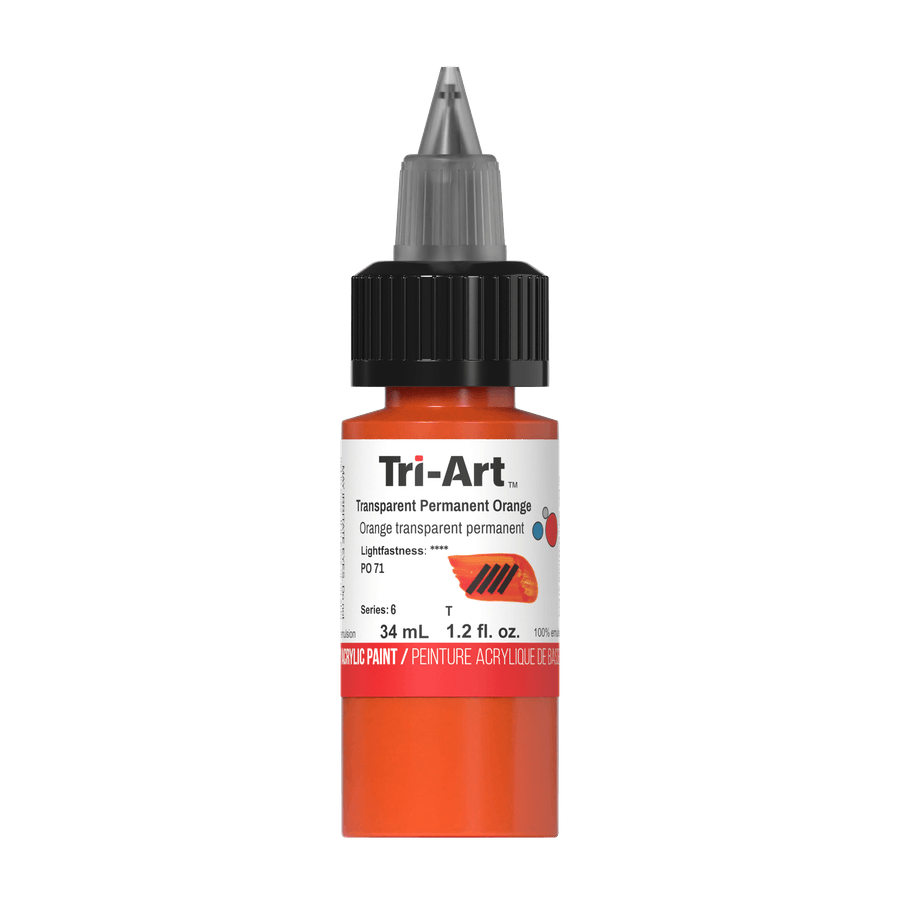
Tri-Art Low Viscosity Transparent Permanent Orange
PO71TransparentLF 4
Sale price$8.33 USD
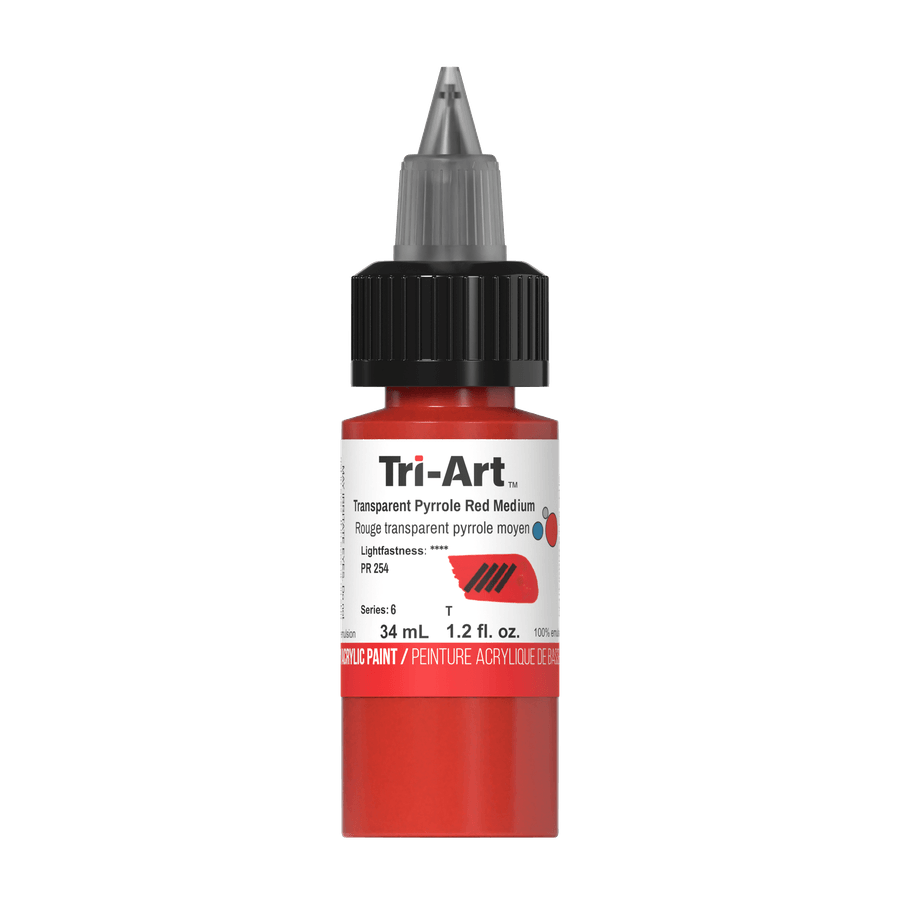
Tri-Art Low Viscosity Transparent Pyrrole Red
PR254TransparentLF 4
Sale price$8.33 USD
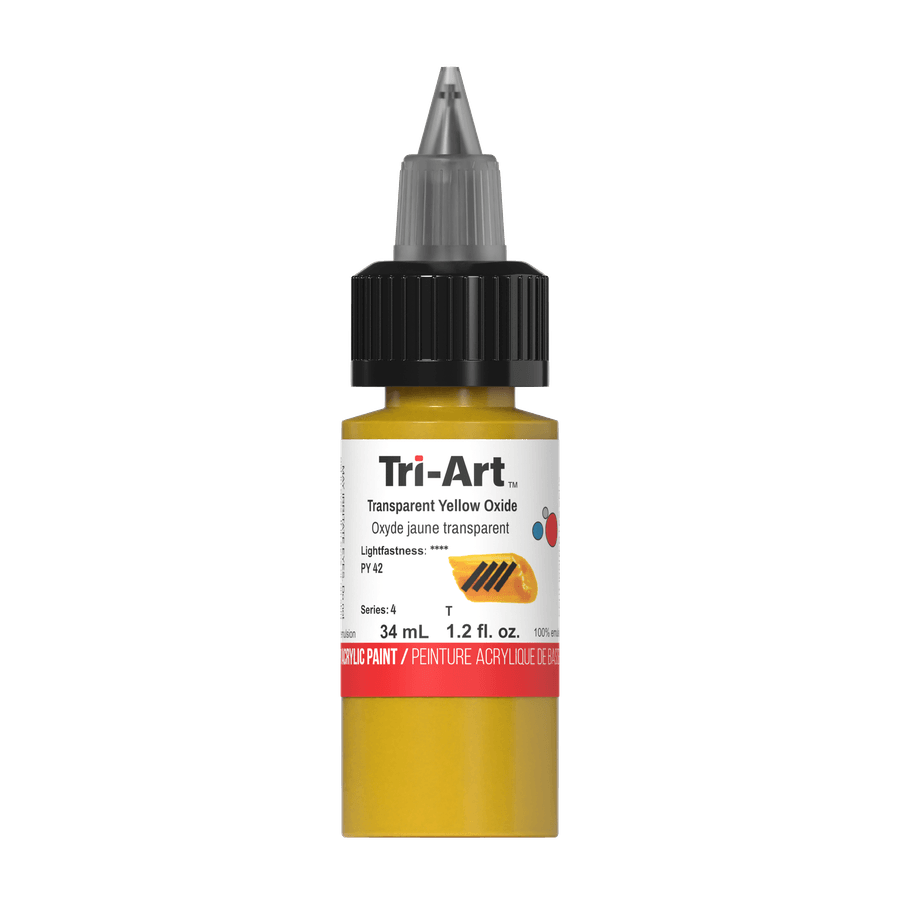
Tri-Art Low Viscosity Transparent Yellow Oxide
PY42TransparentLF 4
Sale price$9.52 USD
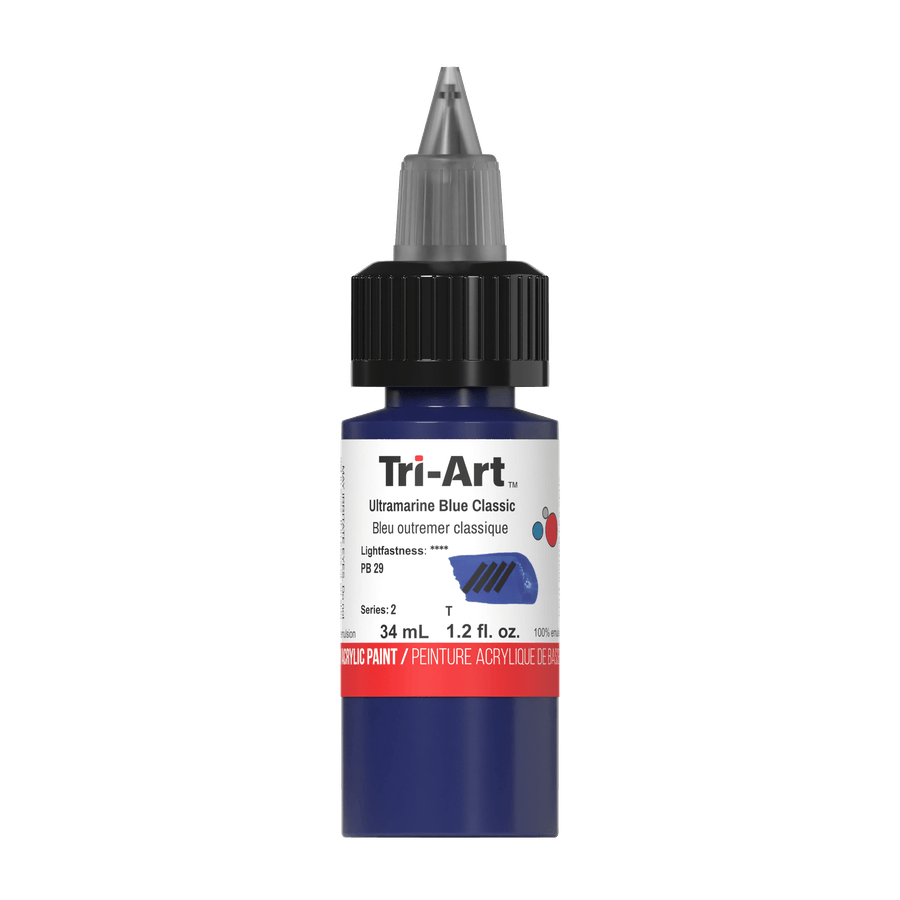
Tri-Art Low Viscosity Ultramarine Blue Classic
PB29TransparentLF 4
Sale price$8.33 USD
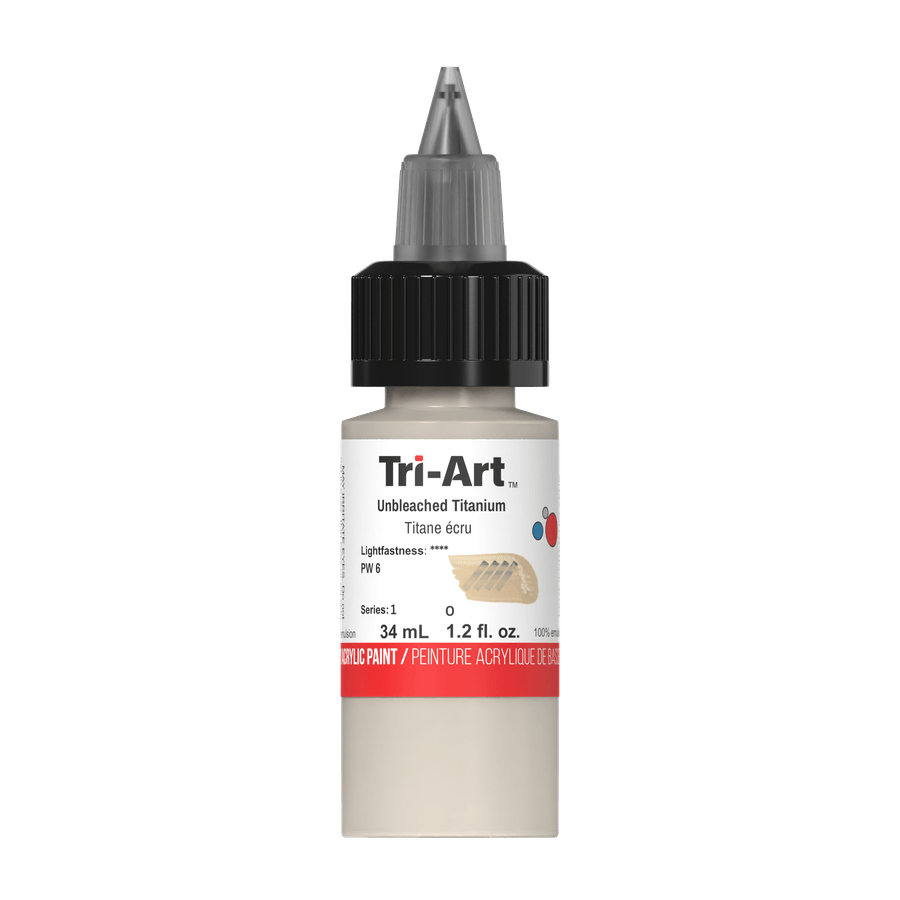
Tri-Art Low Viscosity Unbleached Titanium
PW6:1OpaqueLF 4
Sale price$8.33 USD
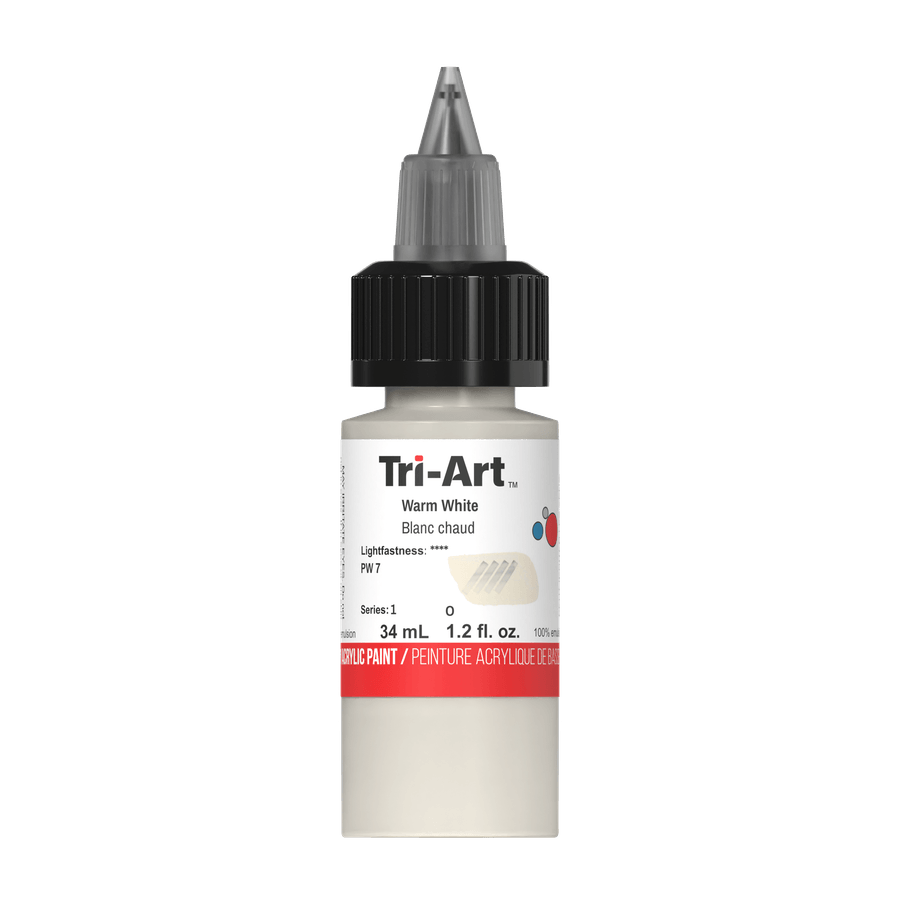
Tri-Art Low Viscosity Warm White
PW6, PW6:1OpaqueLF 4
Sale price$8.33 USD
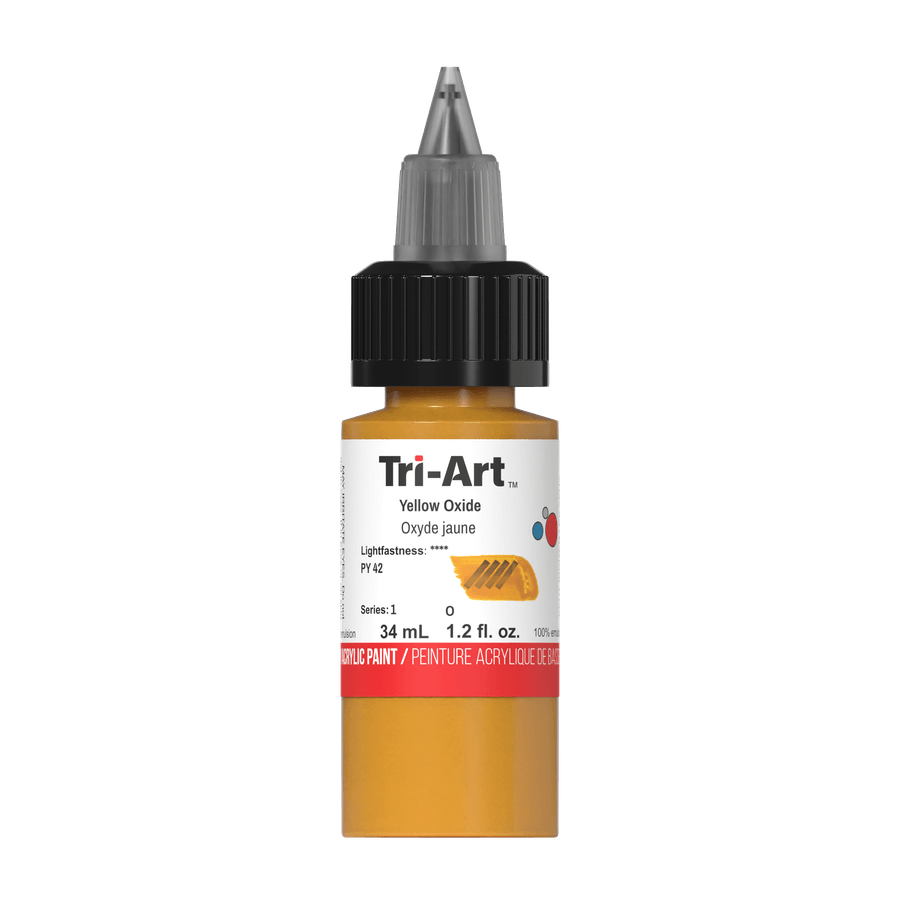
Tri-Art Low Viscosity Yellow Oxide
PY42OpaqueLF 4
Sale price$8.33 USD
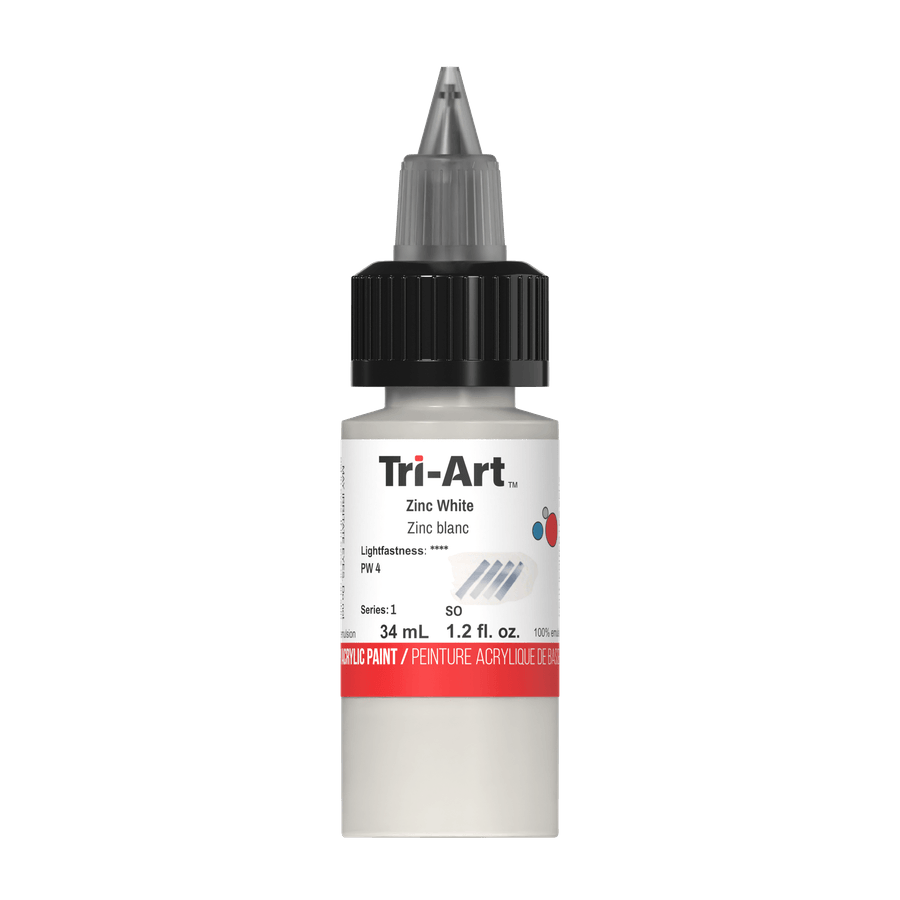
Tri-Art Low Viscosity Zinc White
PW4Semi-opaqueLF 4
Sale price$8.33 USD

Frequently asked questions

Quick answers to common questions on Low Viscosity Acrylic Paint. If you still need help, contact us and we’ll point you to the right option.

What is Tri-Art Low Viscosity acrylic paint, and what is it best for?

Tri-Art Low Viscosity is a professional, water-like acrylic paint that stays water permanent once dry, and it’s built for fine lines, clean washes, glazing, mixed media, and airbrush-style applications; start by choosing a colour from the Tri-Art Low Viscosity Acrylics collection, then test one thin pass versus two passes on your intended surface so you know how that pigment covers before committing to a large area.

How do I get consistent flow and colour from the squeeze-jar format?

Low Viscosity jars are designed for controlled dispensing and include an internal bead to keep the paint evenly suspended, so shake vigorously before each session, squeeze a small amount onto a palette, and wipe the nozzle clean before recapping to prevent dried paint from interrupting flow; if you’re picking colours for a project, shop directly from the Low Viscosity Acrylics collection and do a quick “swatch strip” first to confirm value, transparency, and drying sheen.

Why do some Low Viscosity colours look more transparent or glossier than others?

In this line, transparency, opacity, and even gloss versus matte tendencies come largely from the inherent pigment properties and the grind, so plan for transparent, staining colours to layer and glaze, and use more blocking colours when you need coverage; a practical way to control surprises is to paint two small swatches (single coat and double coat) on the same ground you’ll use in the final piece, then adjust your layering strategy before you start detailing.

What’s the best way to do fine lines, inking, and tight edges with Low Viscosity?

For crisp linework, work on a sealed, properly prepared surface (to avoid wicking), use a higher-quality liner or rigger brush with minimal water in the mix, and build lines in two light passes instead of flooding one heavy pass; if you want marker-like application, Tri-Art specifically recommends Low Viscosity for refilling and mixing custom colours for Tri-Art paint markers because the format helps avoid blockages; for ultra-smooth, level detail passages, extend with a dedicated liquid medium like Tri-Art Low Viscosity Polymer Medium instead of over-thinning with water.

How do I paint large washes and flat passages without streaks or hard edges?

Prime first to reduce absorbency (absorbent surfaces grab the binder and can leave dull, uneven patches), then work quickly in overlapping bands while keeping a wet edge, and use a large, soft brush or sponge to even out the film before it sets; if you need more working time for a smooth blend, consider a small addition of an extender like Tri-Art Retarder Medium, and choose your colours from the Low Viscosity Acrylics collection so you can stay in the same handling “feel” across the whole wash.

How do I glaze with Low Viscosity, and how much water is too much?

You can extend Low Viscosity with water, but keep water additions modest because too much water can weaken paint film integrity and may cause a matte shift or bleeding on some surfaces; for reliable, luminous glazing, tint a clear medium and apply multiple thin, fully dried layers rather than one watery layer, for example using a purpose-built glazing medium like Tri-Art Glazing Medium Gloss and then selecting colours from the Low Viscosity Acrylics collection to dial in chroma without sacrificing control.

How do I airbrush Low Viscosity smoothly (no beading, crawling, or drying issues)?

Start clean: strain if needed, spray in light passes, and keep your surface properly prepared for water-based paint so the film can grab evenly; if you’re fighting beading or crawling, a surface-tension additive like Tri-Art Ink Flow Release is designed to reduce surface tension and improve flow, but use it sparingly because excessive amounts can strongly slow drying, and heavy water additions can reduce its effectiveness; for colour selection and handling consistency, begin with the Tri-Art Low Viscosity Acrylics collection.

Can I mix Low Viscosity with gels and mediums to change body, and which should I choose?

Yes, Low Viscosity is designed to be mixed with Tri-Art acrylic mediums, and a simple way to choose is by outcome: use gels when you want more body or soft texture without losing acrylic strength, and use liquid polymers when you want thin, level layers and glazing behaviour; for example, for a thicker, brushable paint film start with Tri-Art Gel Medium Gloss, then adjust colour using a small amount of Low Viscosity paint, and if you want to explore compatible add-ons, browse the Tri-Art Acrylic Mediums collection alongside your colour choices.