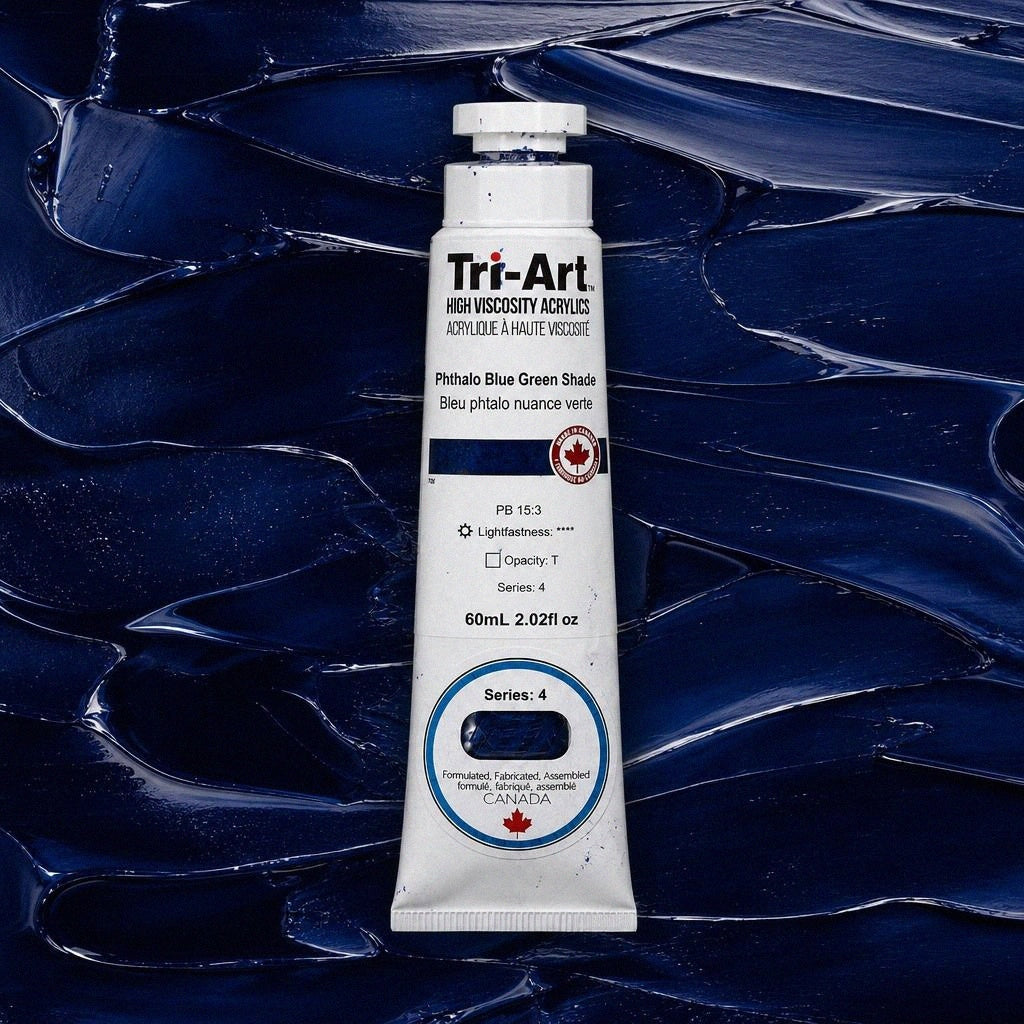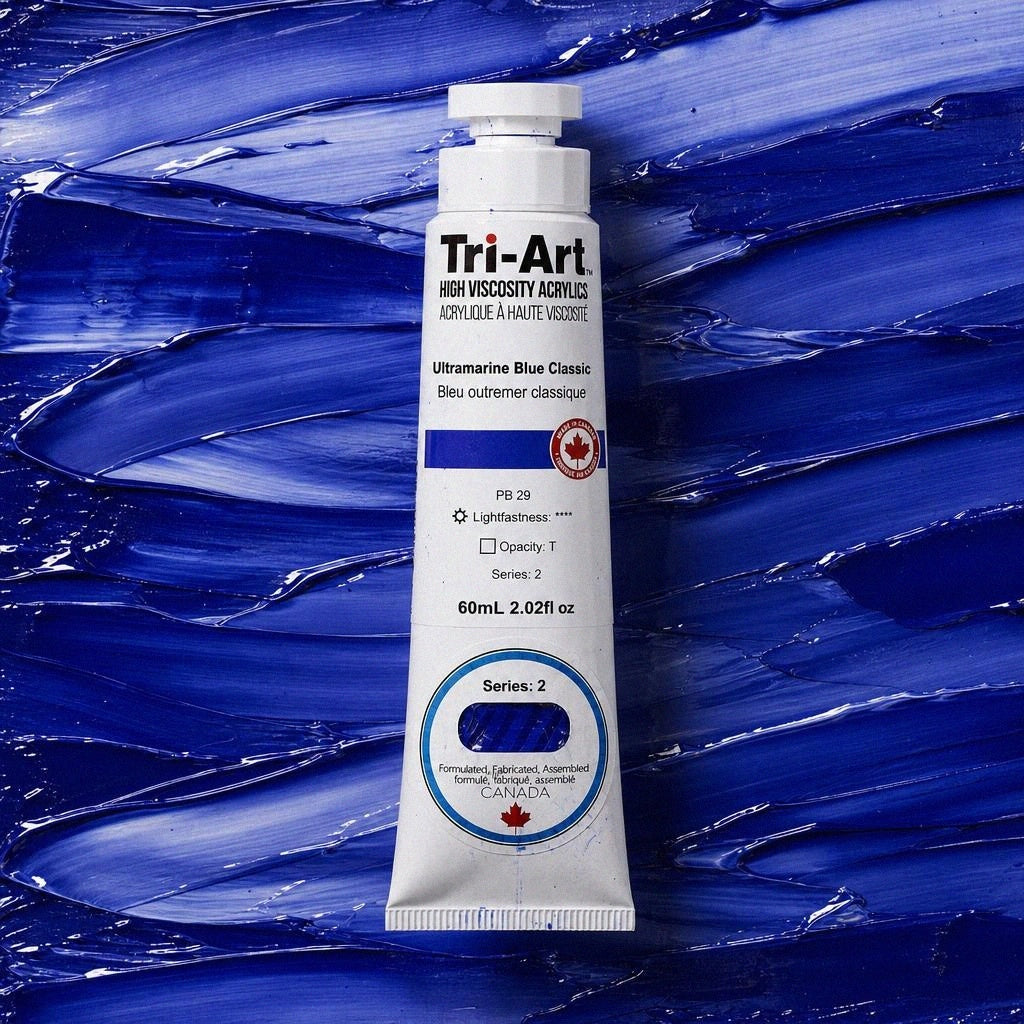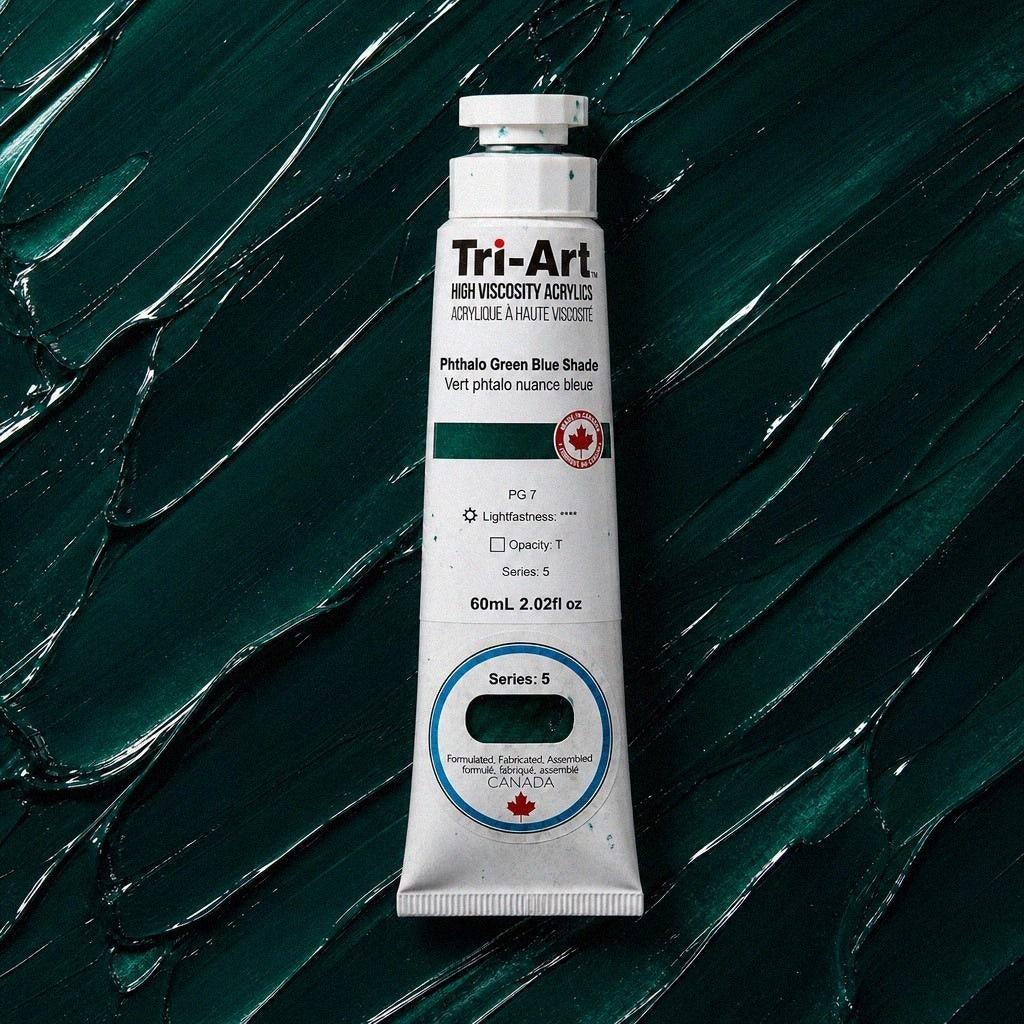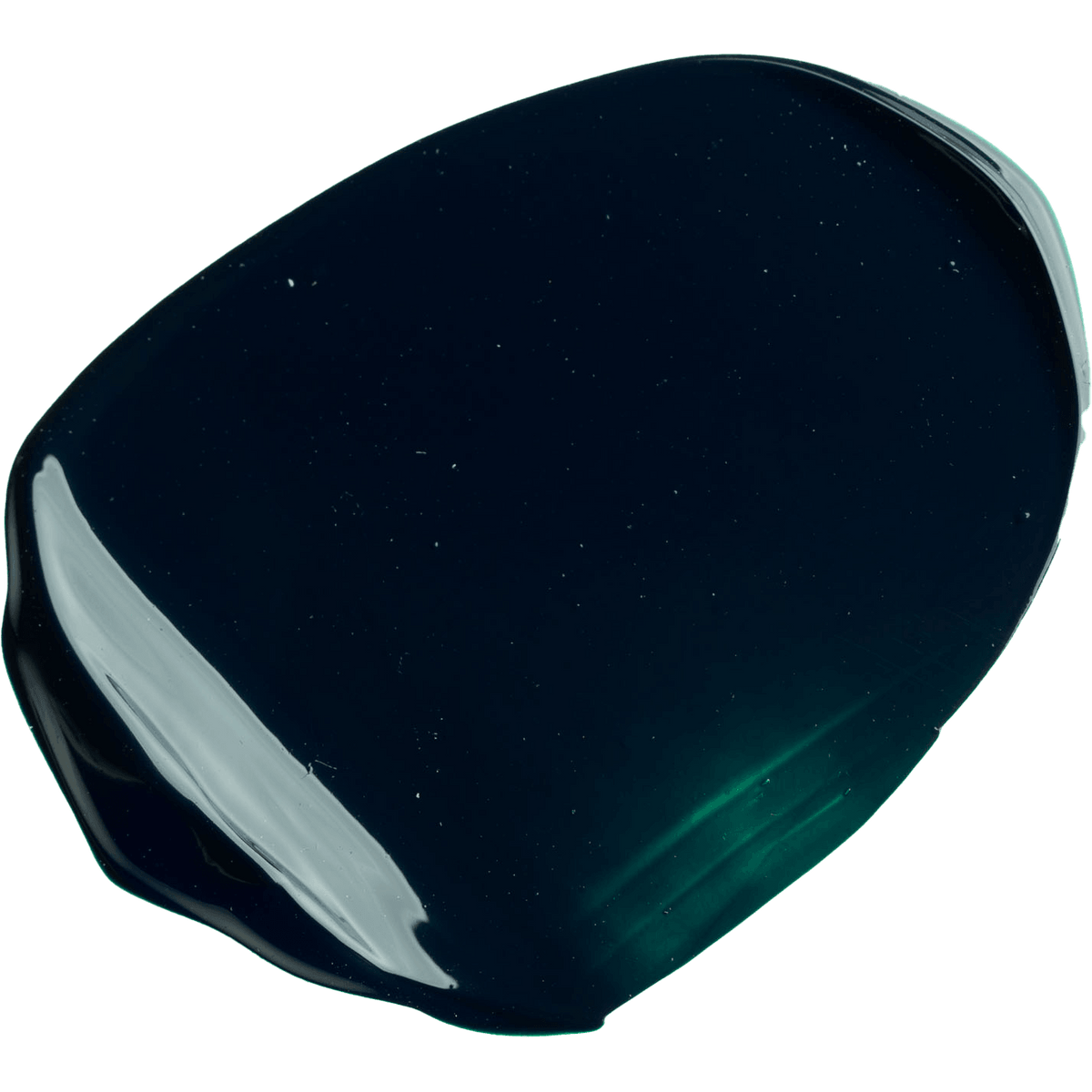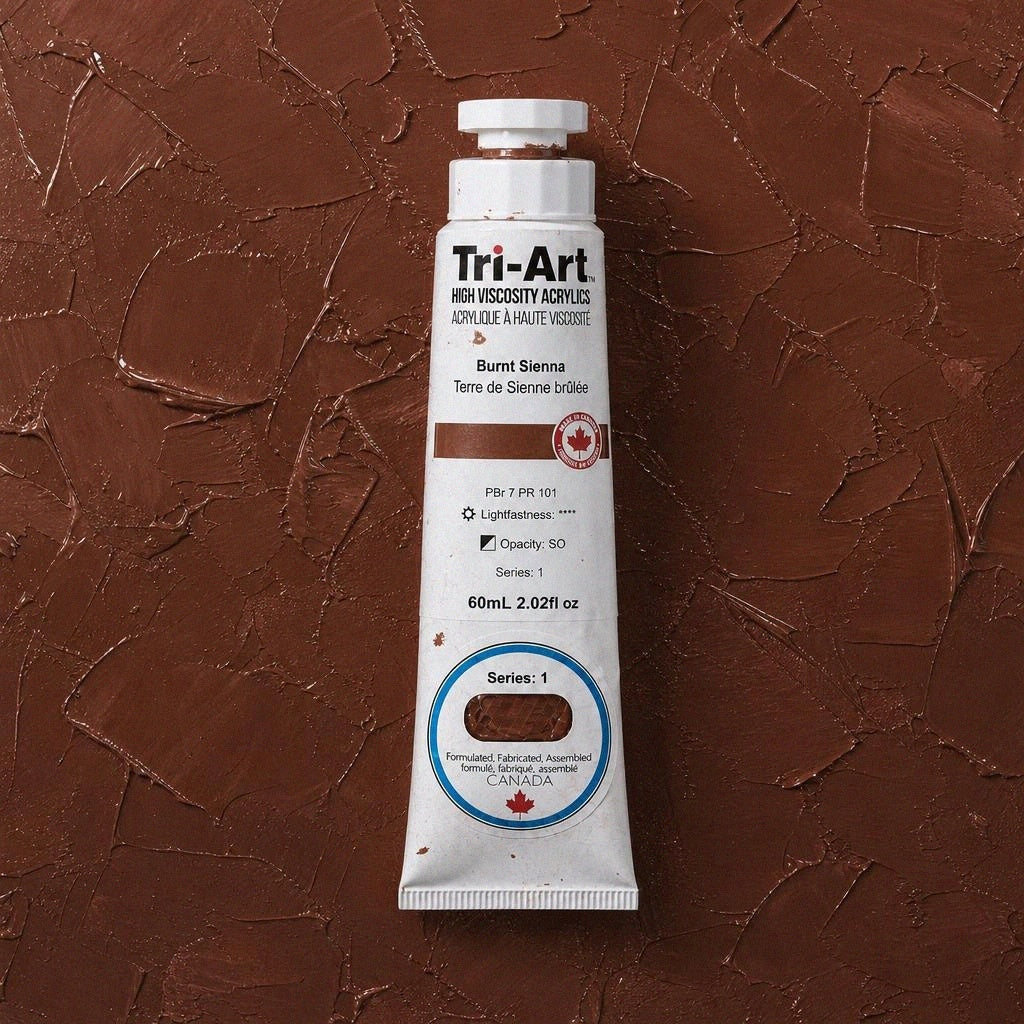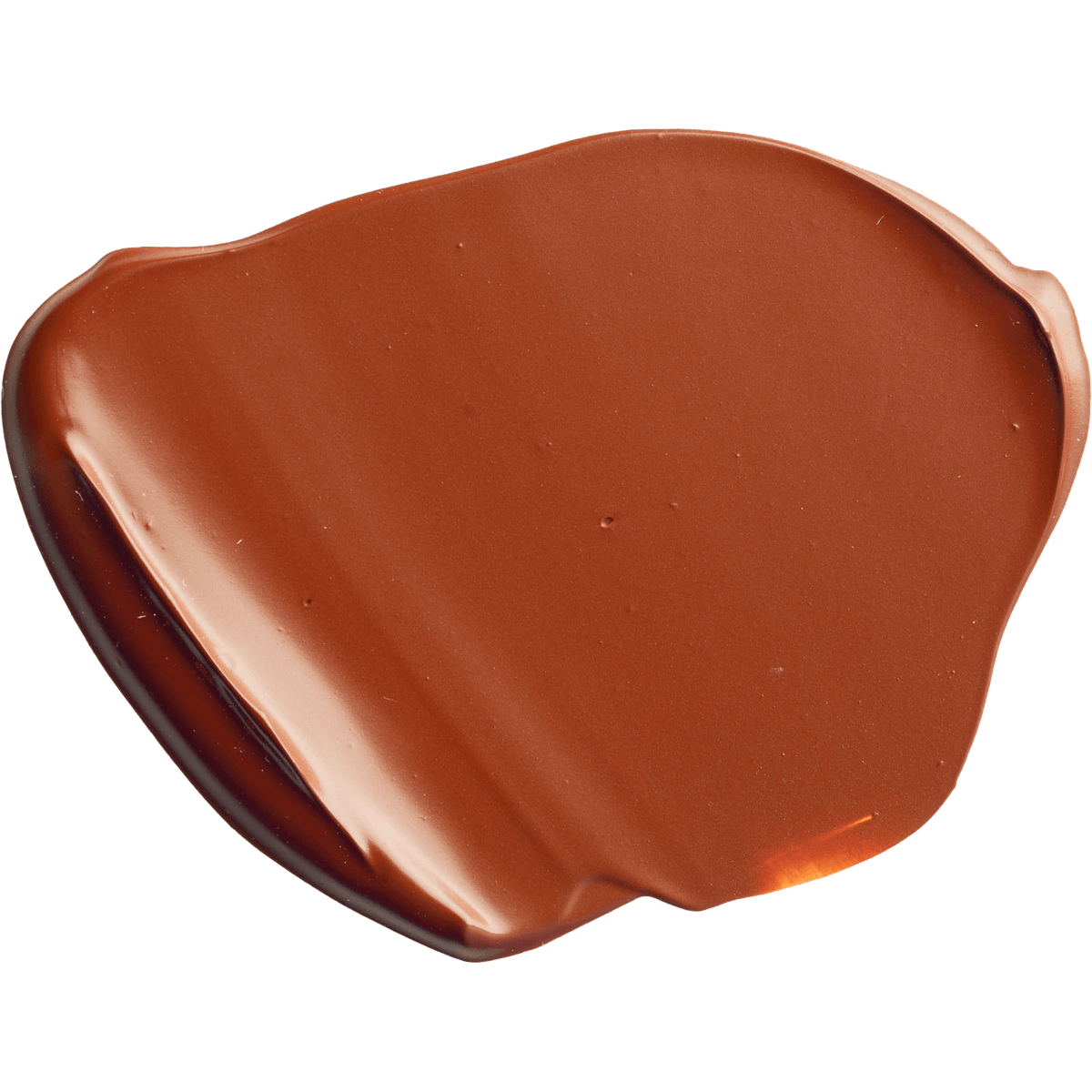
Synonyms: high viscosity acrylic paint, heavy body acrylic, thick acrylic paint, professional acrylic paint, impasto acrylic paint, palette knife acrylic paint, tube acrylic paint, jar acrylic paint, high pigment acrylic, highly staining acrylic paint, Canadian made acrylic paint, artist acrylic colours, textured acrylic paint, oil-like acrylic paint

High Viscosity Professional Acrylic Paint | Tri-Art

Thick, heavy body acrylic for bold texture, knife work, and brushmarks

Heavy body, thick buttery handling for impasto and palette knife techniques

High pigment loading and fine grind for strong chroma and true pigment sheen

Holds brushstrokes and raised texture, with simple soap-and-water cleanup

Quick Points on High Viscosity Professional Acrylic Paint | Tri-Art

  • Load the knife generously, then place and pull once or twice to keep peaks crisp
  • For bold brushmarks, use a stiffer bristle or synthetic “hog” style brush and avoid overworking
  • Build impasto in layers, letting thicker passages set up before adding more height
  • If you need more glide for knife work, mix in a small amount of acrylic medium instead of lots of water
  • Keep a spray bottle nearby to lightly mist your palette so the surface does not skin over

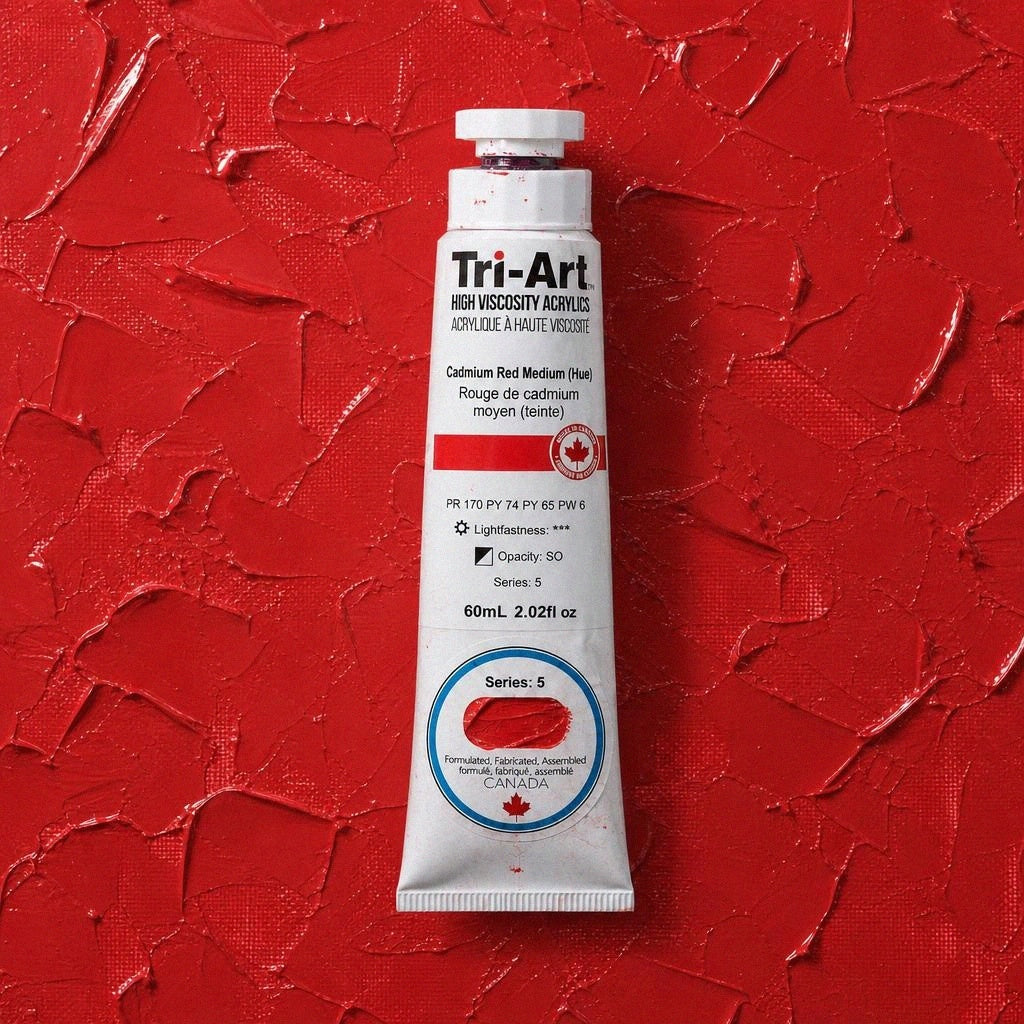
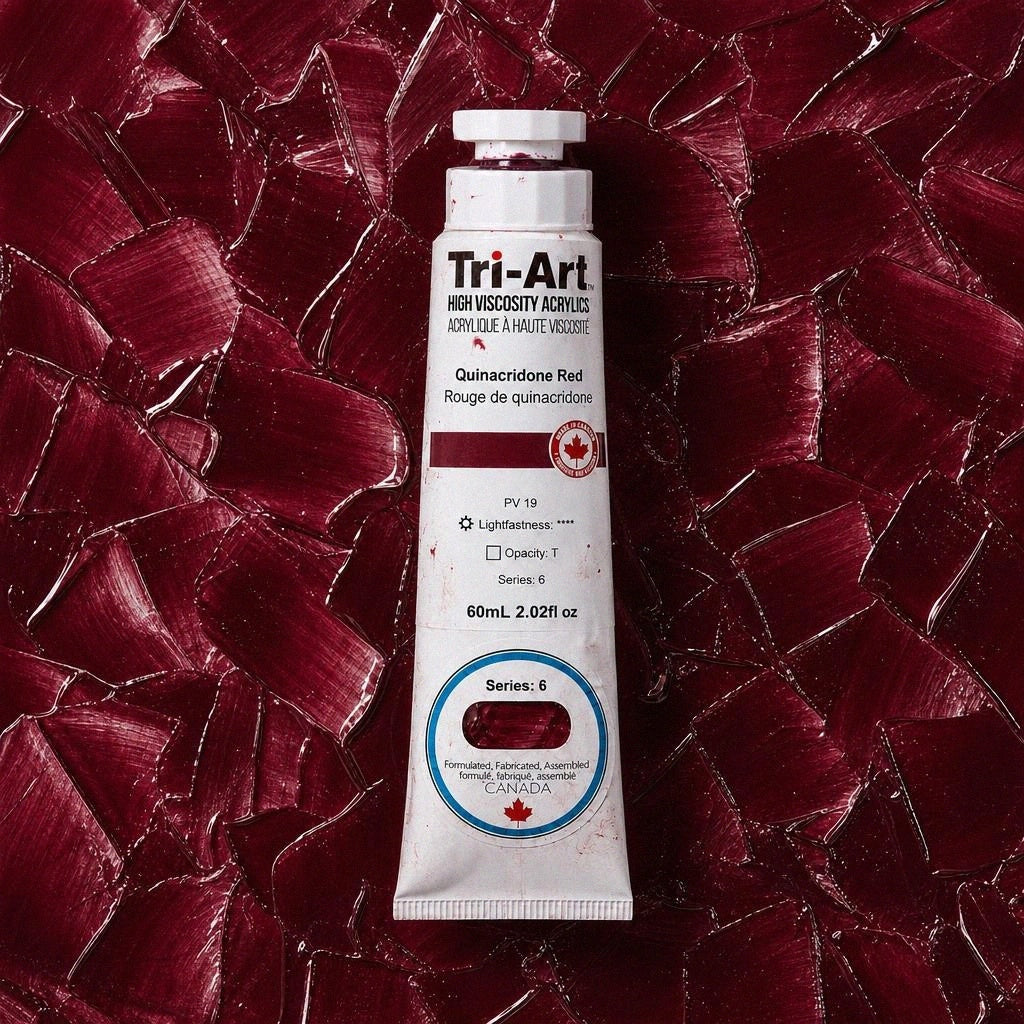
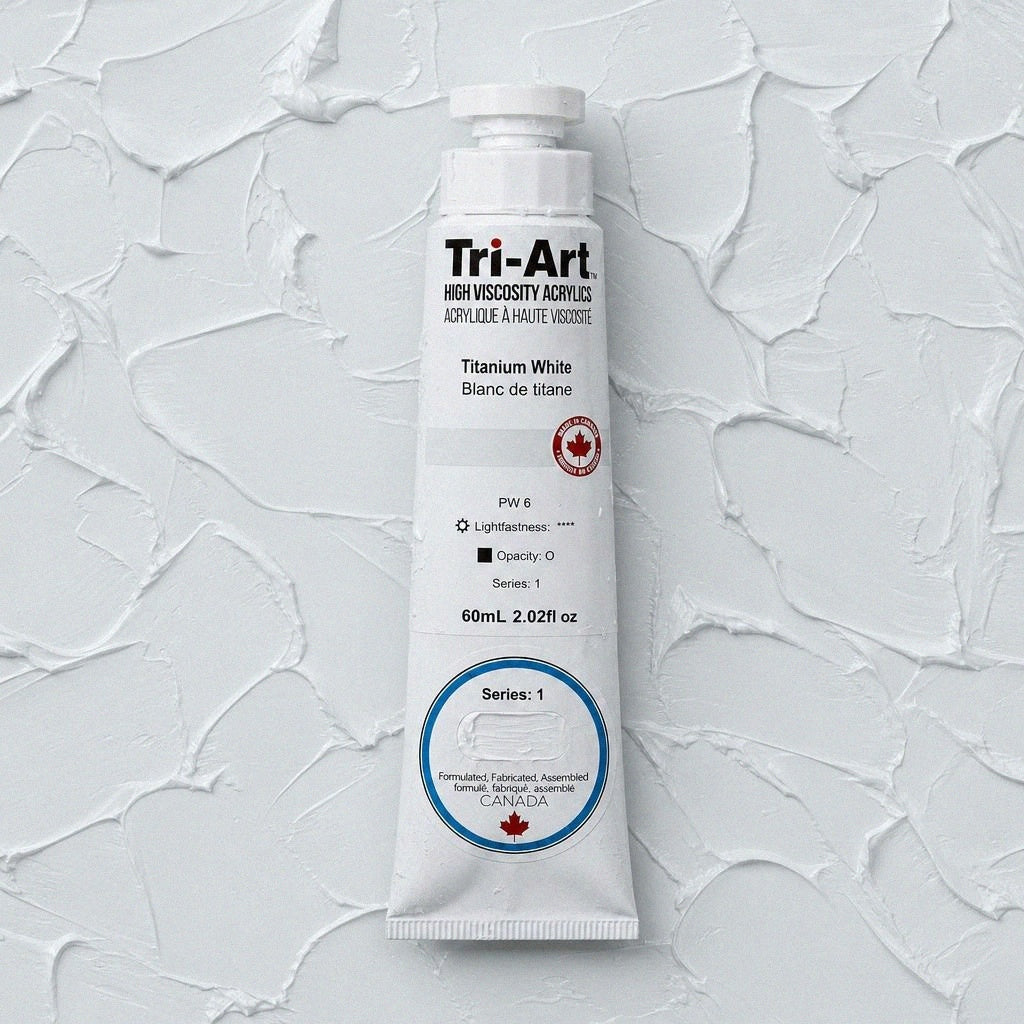
Tri-Art High Viscosity is a heavy body professional acrylic with a thick, buttery consistency for impasto and knife work. Tri-Art describes it as its highest pigment loading professional artist paint, ground fine for strong chroma and pigment sheen.

Filters

Filters

110 products
Sort by
Sort by
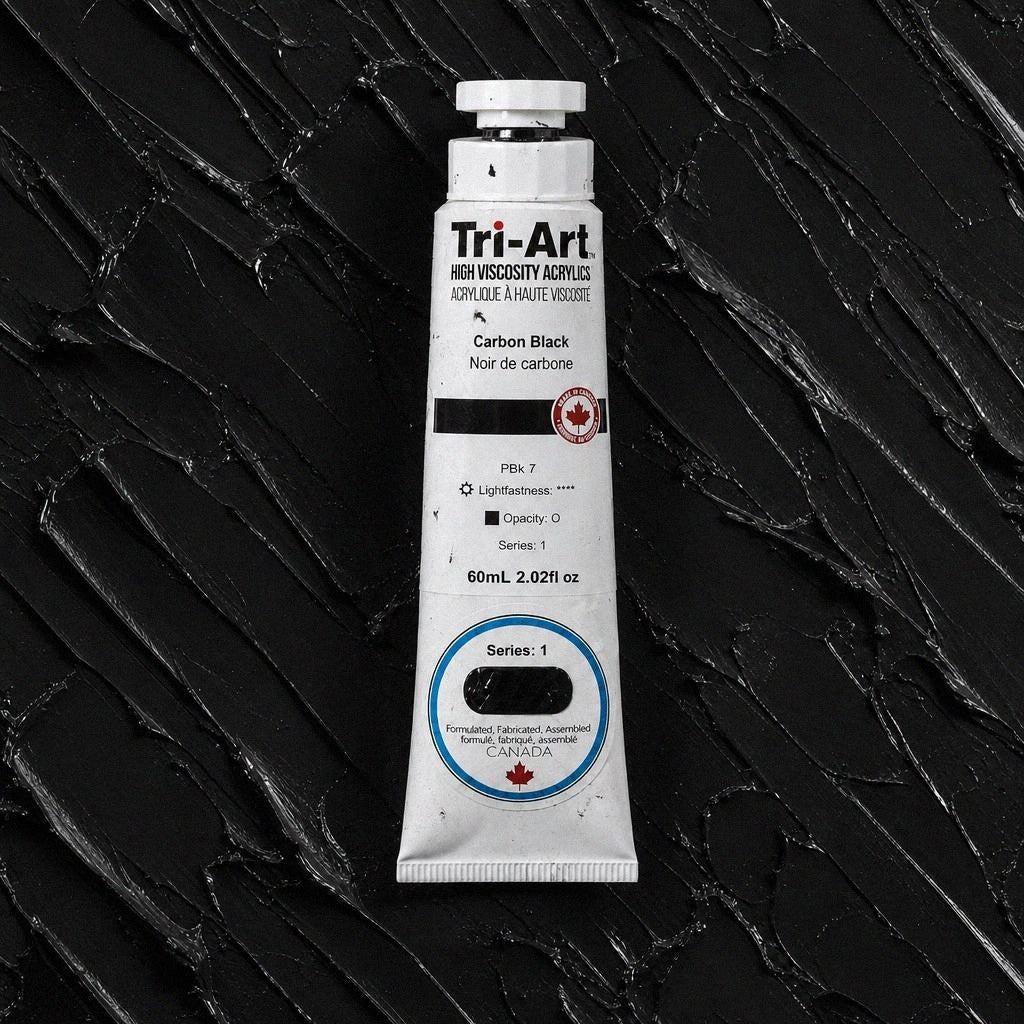
Tri-Art High Viscosity - Carbon Black - Tri-Art Mfg.Tri-Art High Viscosity - Carbon Black (4438655336535)
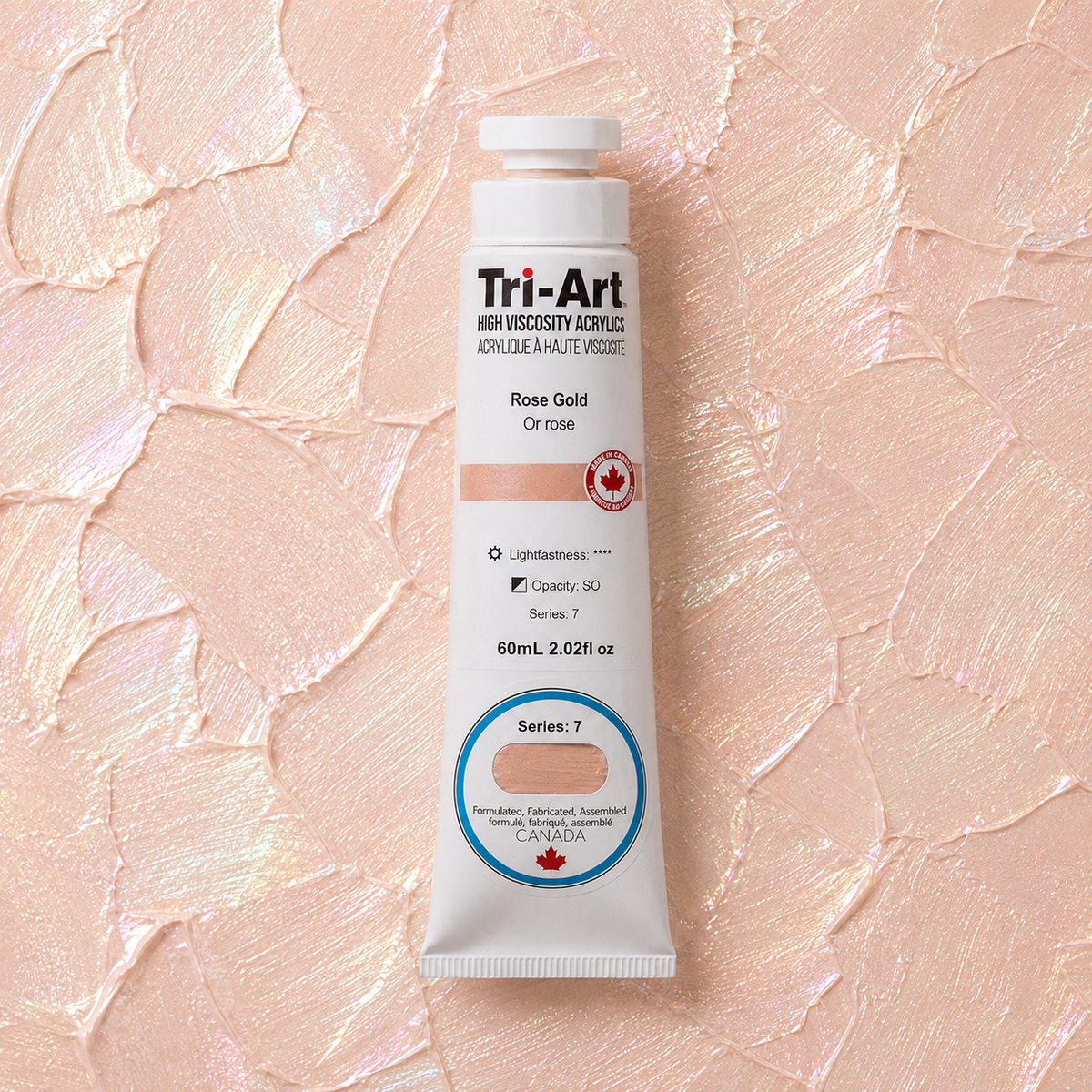
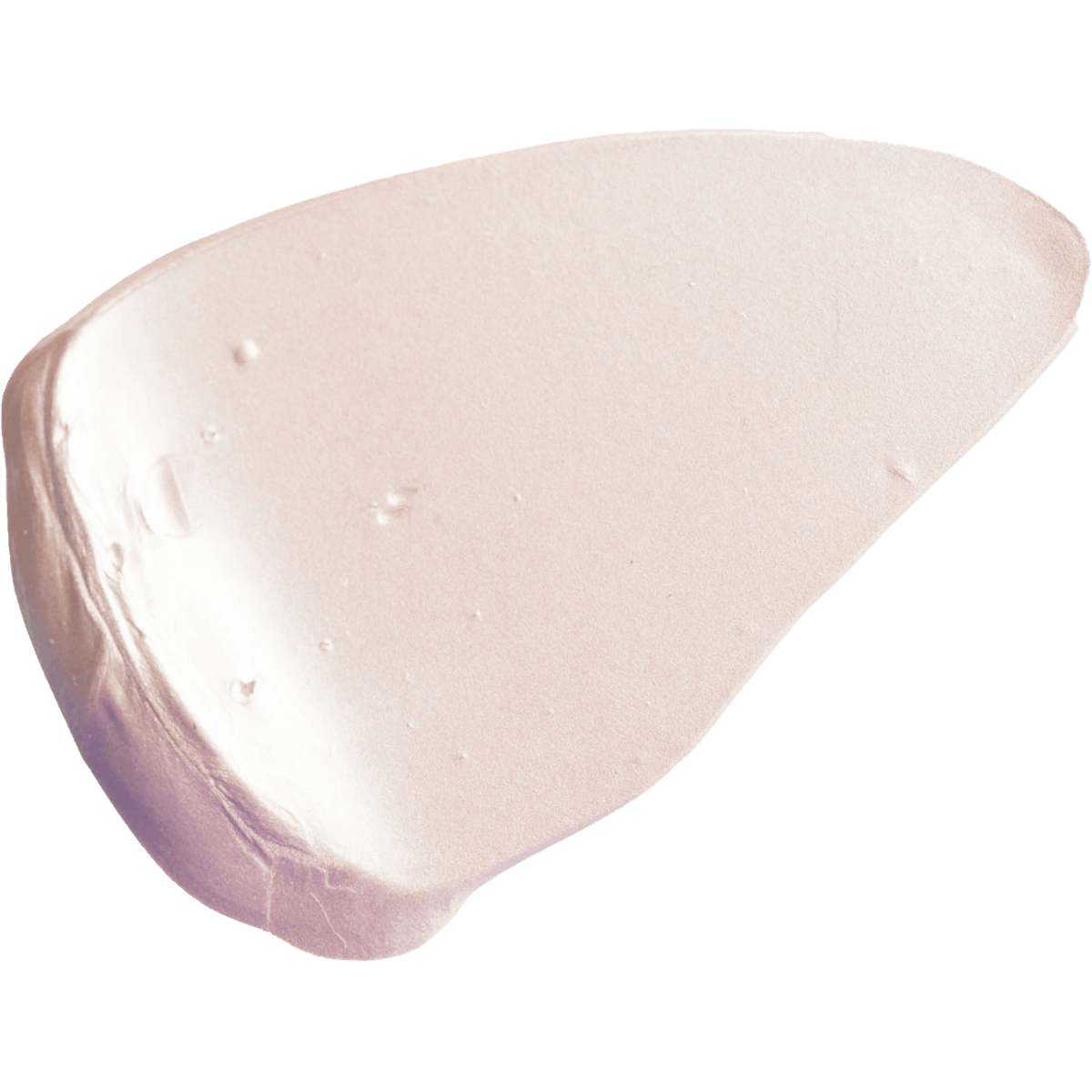
Tri-Art High Viscosity - Rose Gold - Tri-Art Mfg.Tri-Art High Viscosity - Rose Gold (4438655959127)
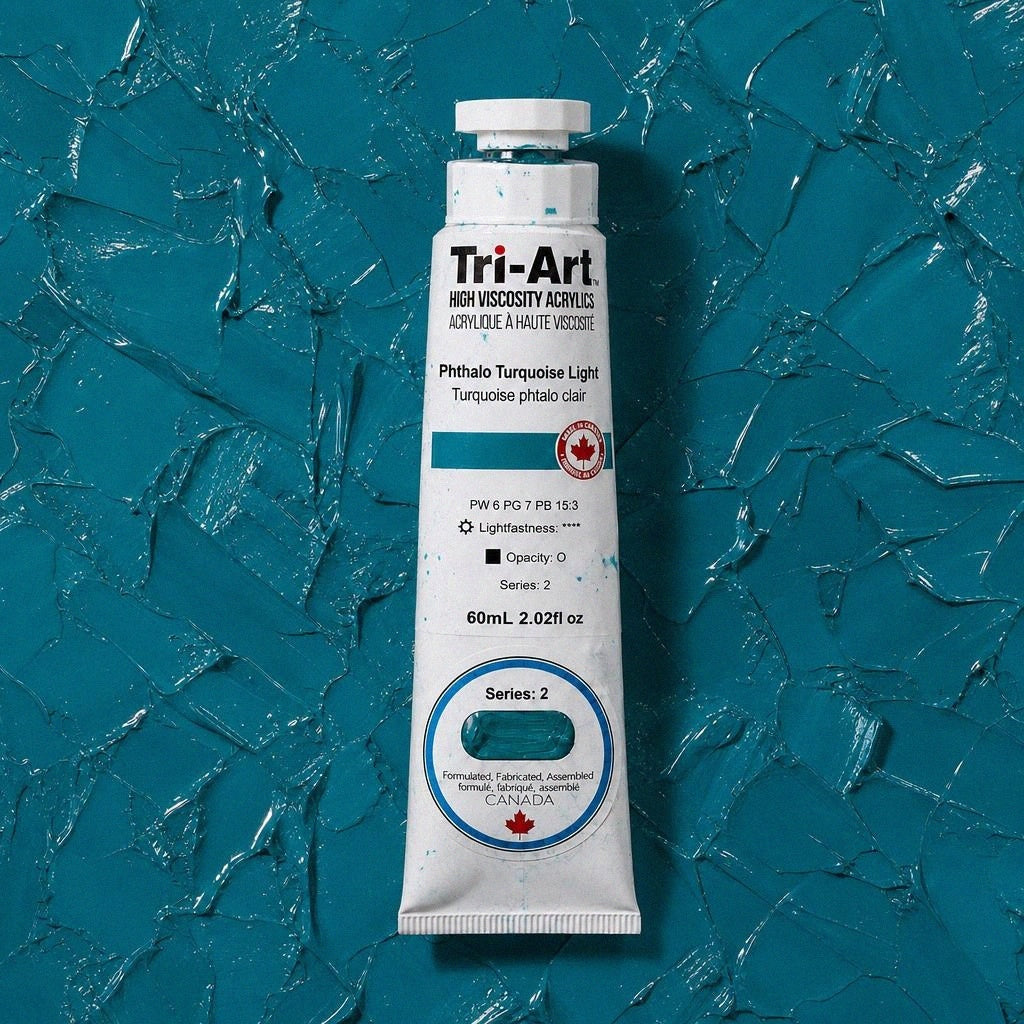
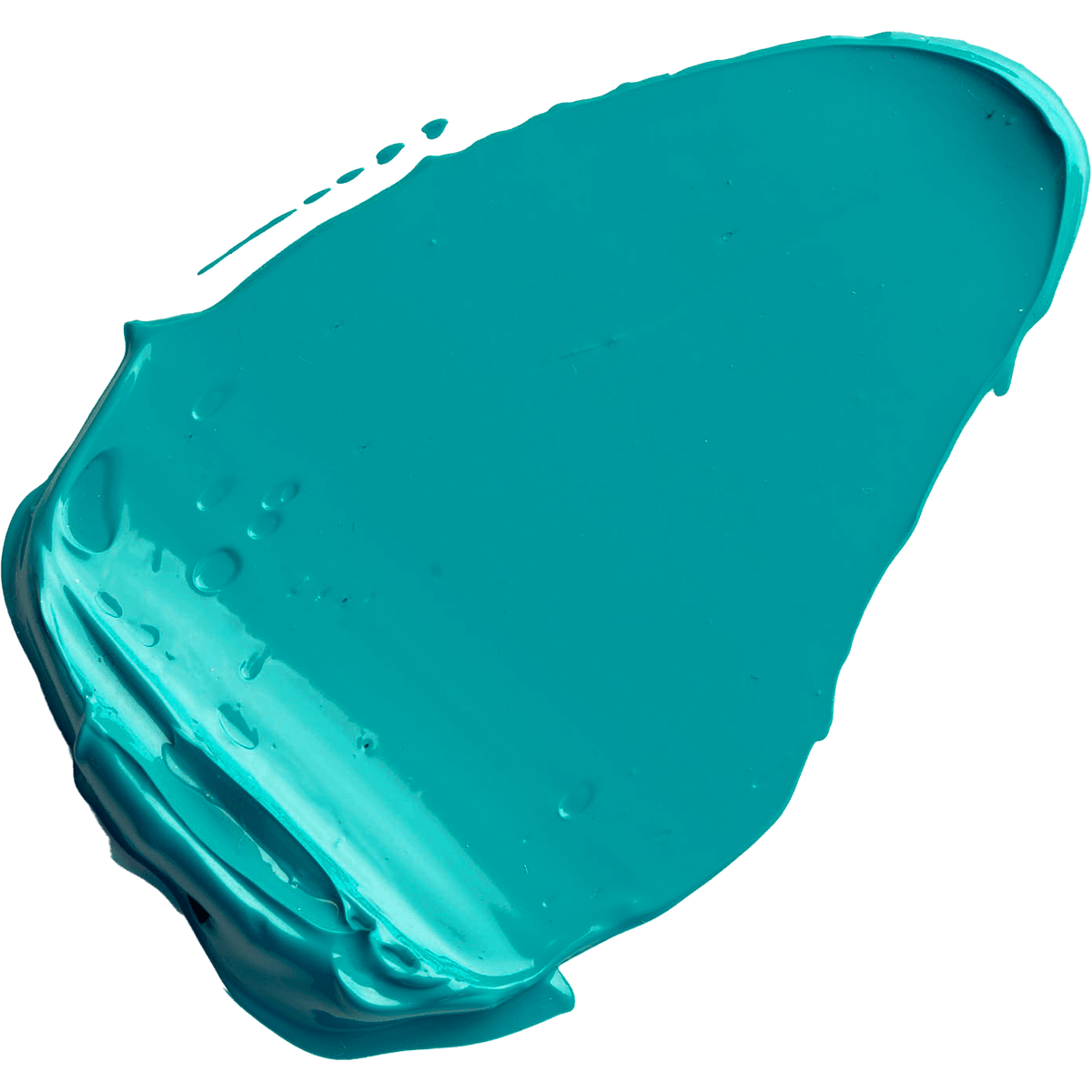
Tri-Art High Viscosity - Phthalo Turquoise Light - Tri-Art Mfg.Tri-Art High Viscosity - Phthalo Turquoise Light (4438656090199)
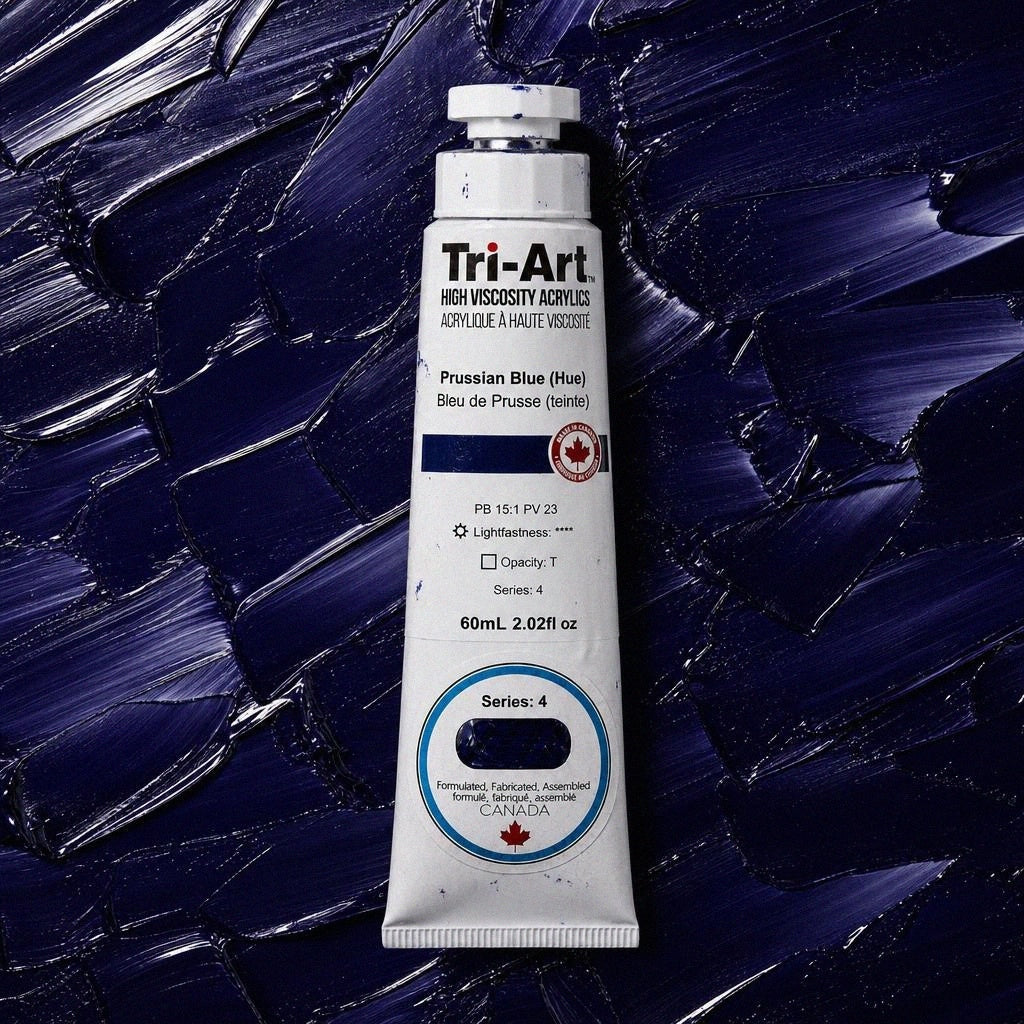
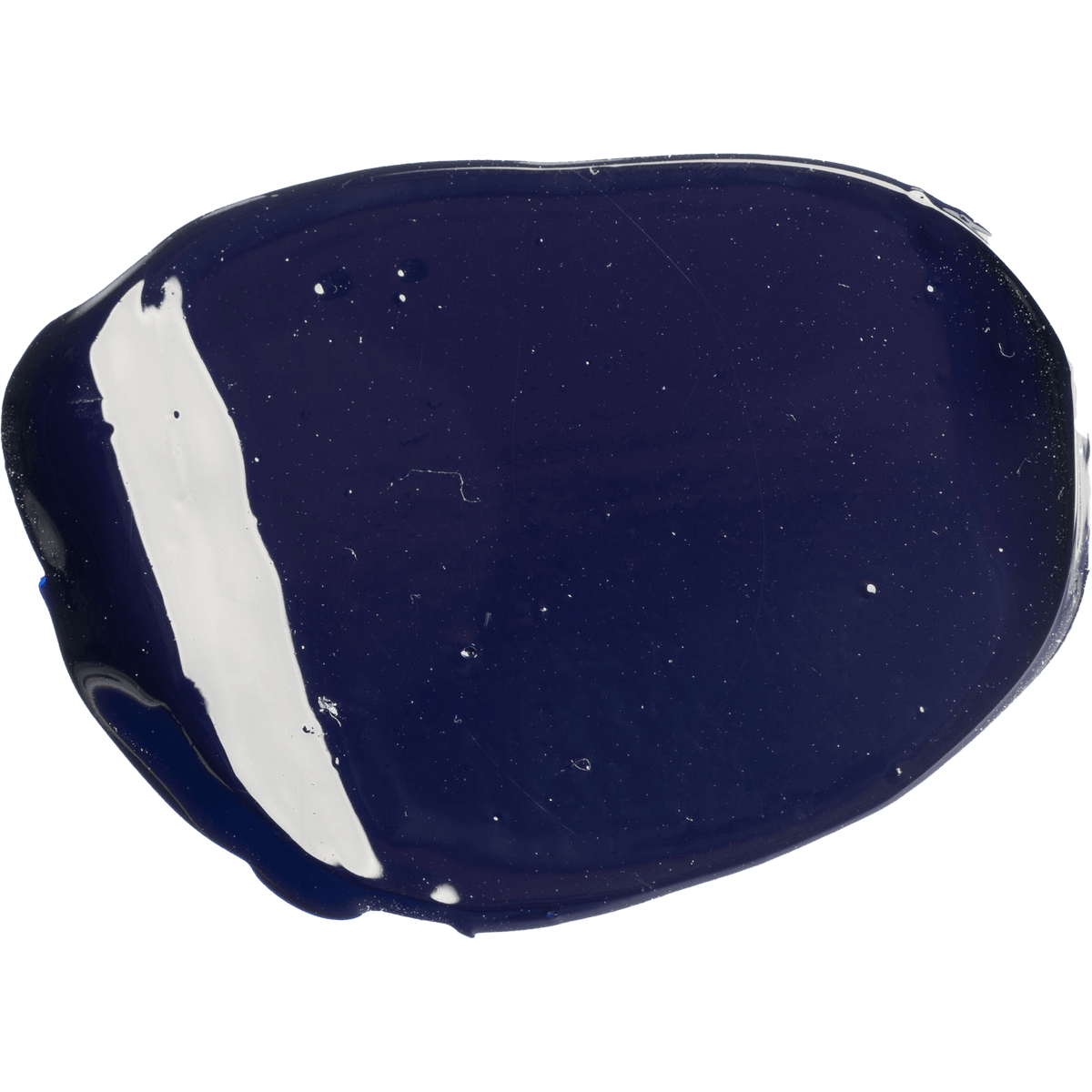
Tri-Art High Viscosity - Prussian Blue (Hue) - Tri-Art Mfg.Tri-Art High Viscosity - Prussian Blue (Hue) (4438656057431)
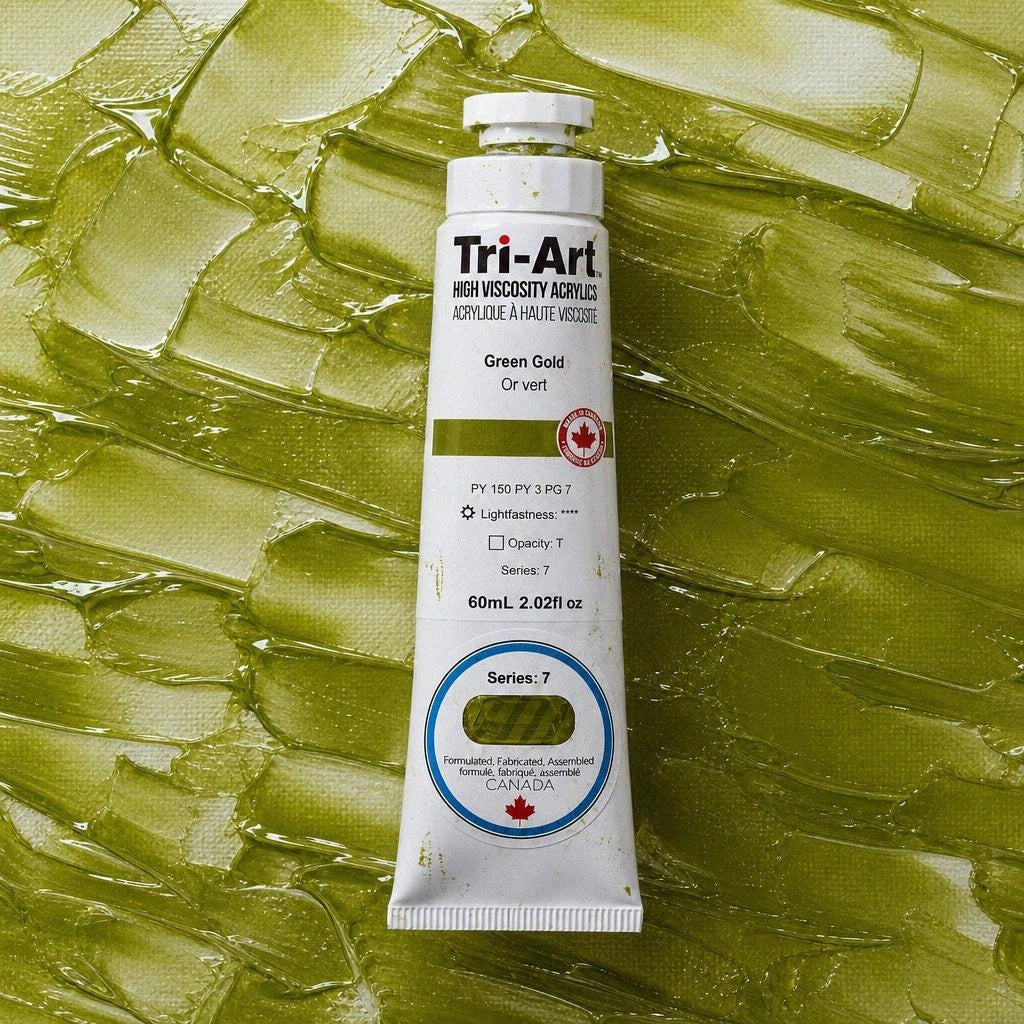
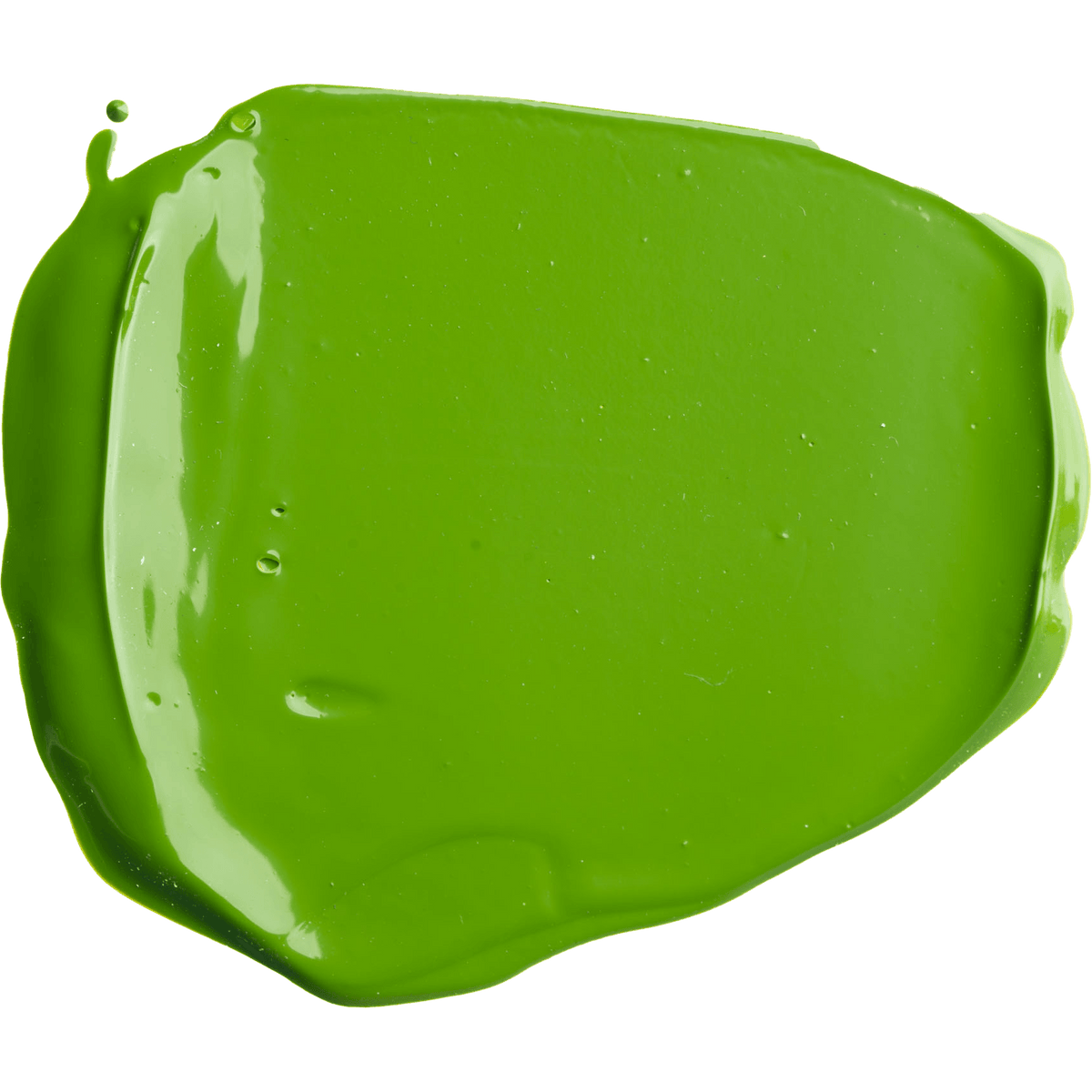
Tri-Art High Viscosity - Green Gold - Tri-Art Mfg.Tri-Art High Viscosity - Green Gold - Tri-Art Mfg.
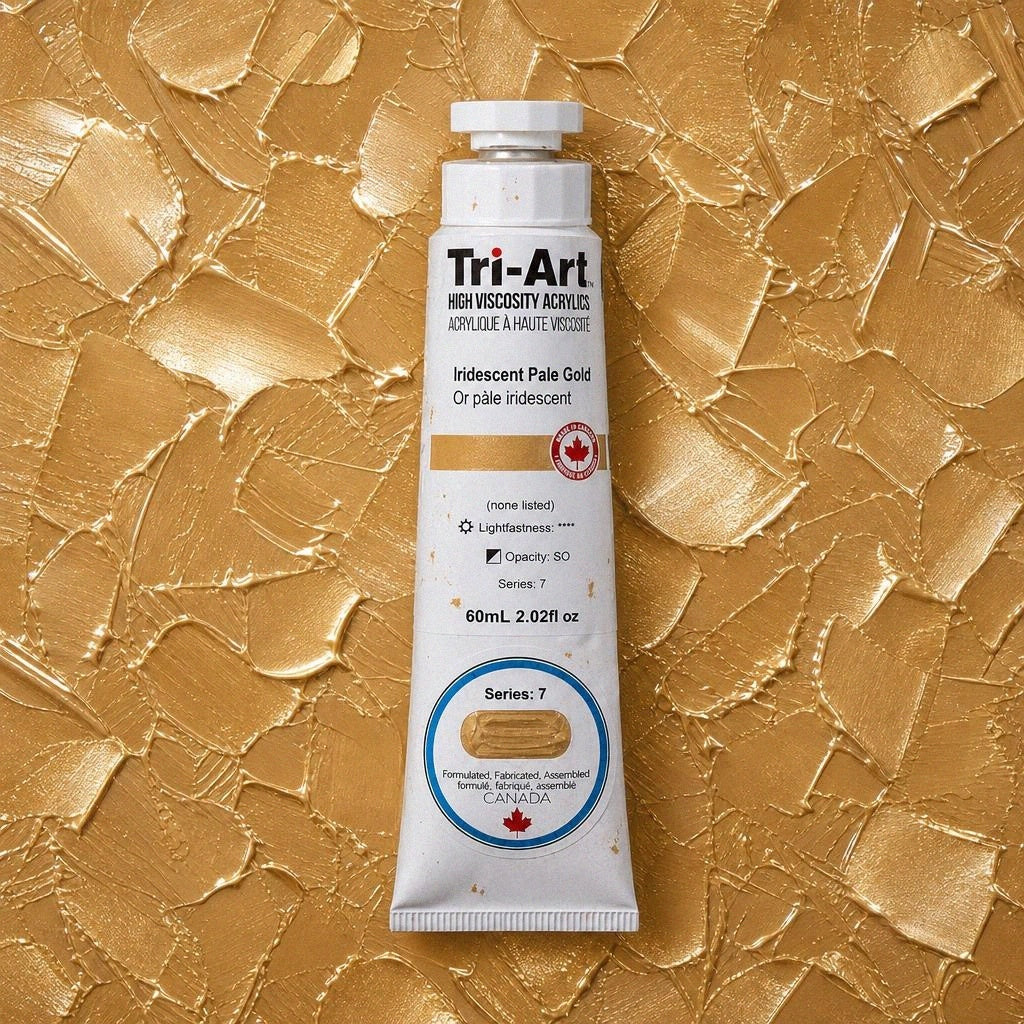
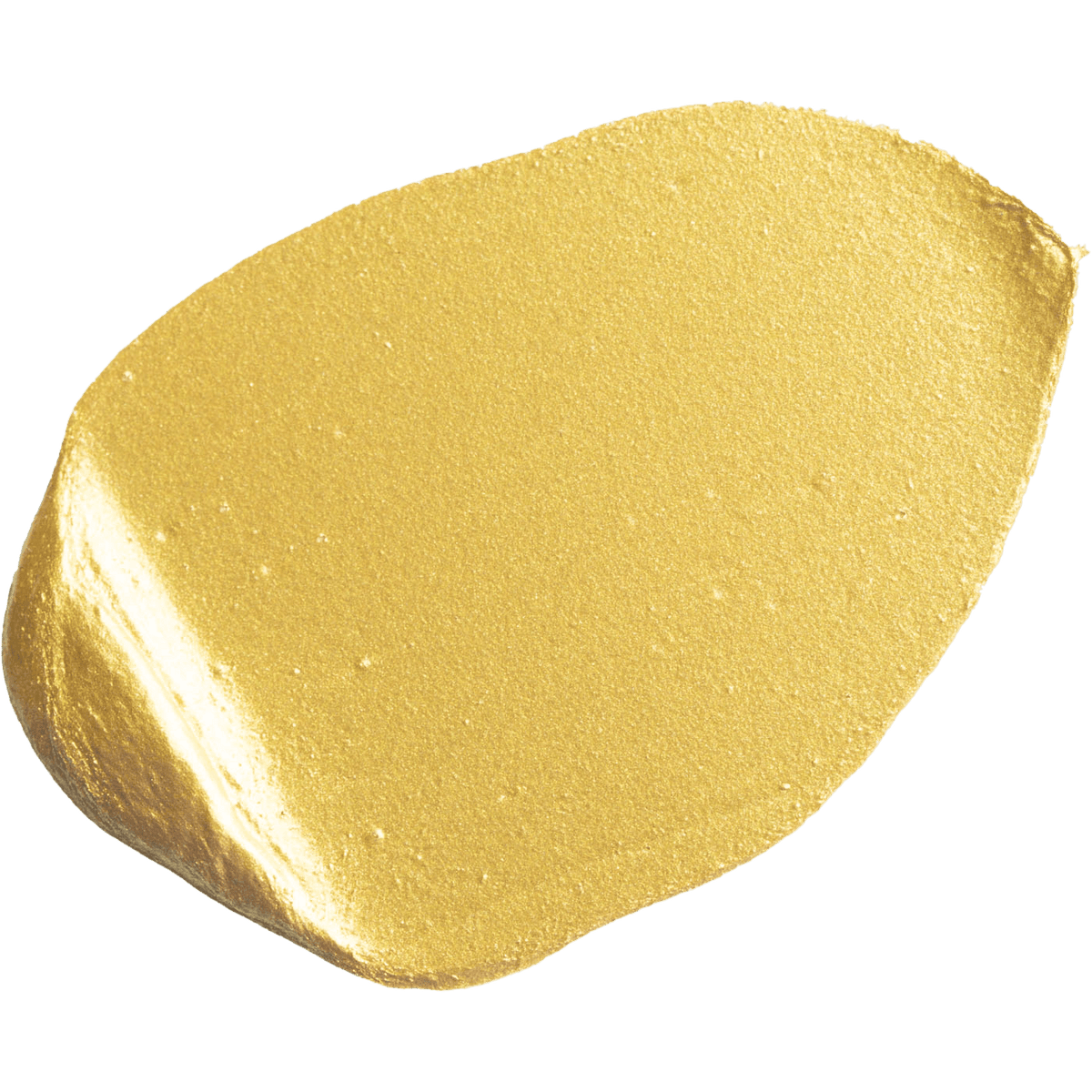
Tri-Art High Viscosity - Iridescent Pale Gold - Tri-Art Mfg.Tri-Art High Viscosity - Iridescent Pale Gold (4438656024663)
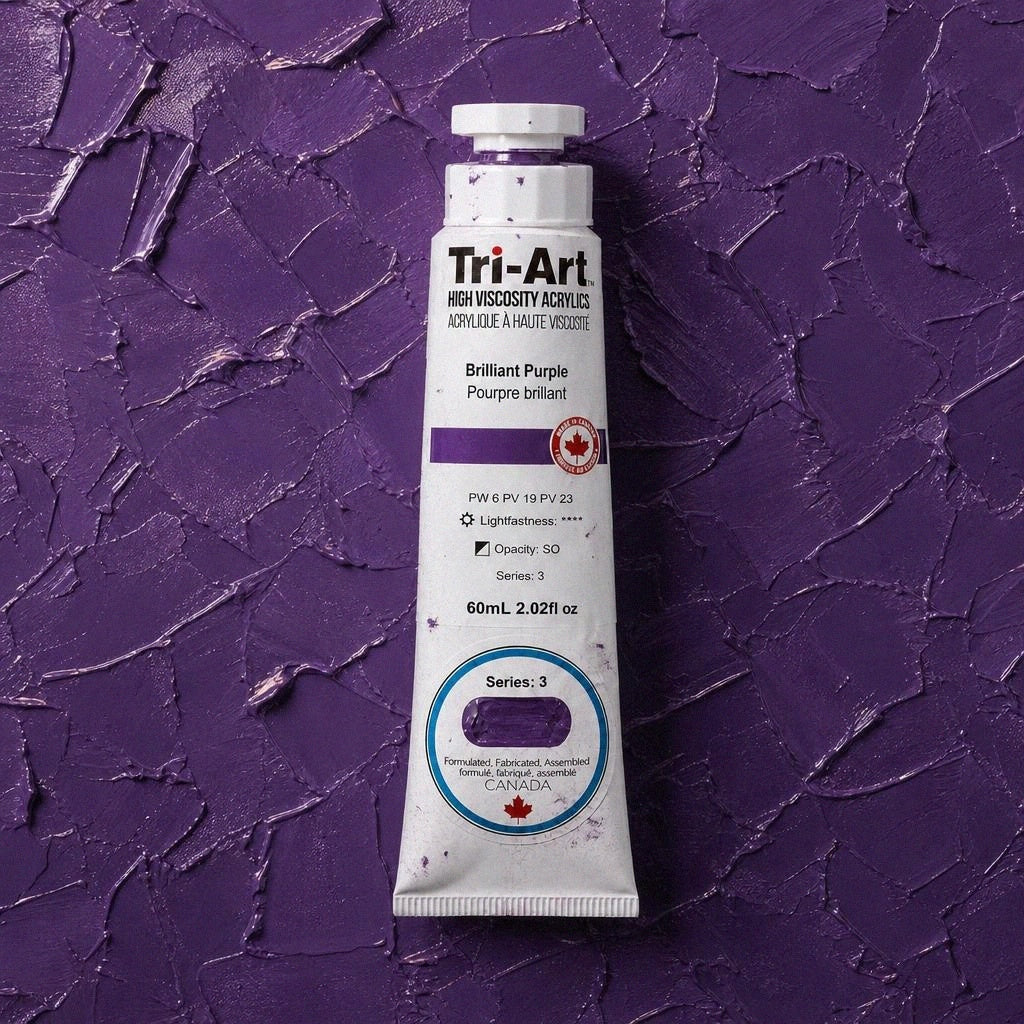
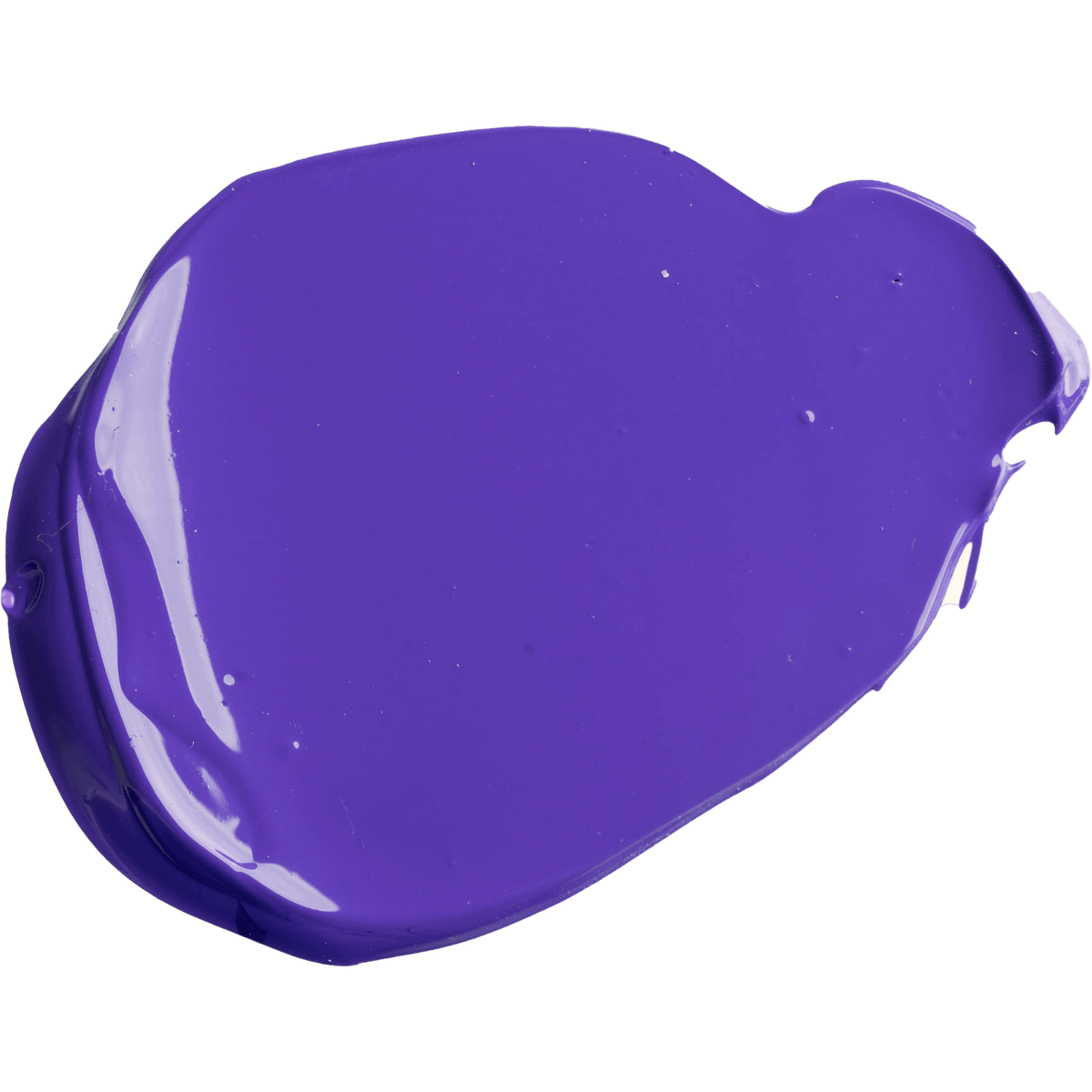
Tri-Art High Viscosity - Brilliant Purple - Tri-Art Mfg.Tri-Art High Viscosity - Brilliant Purple (4438655565911)
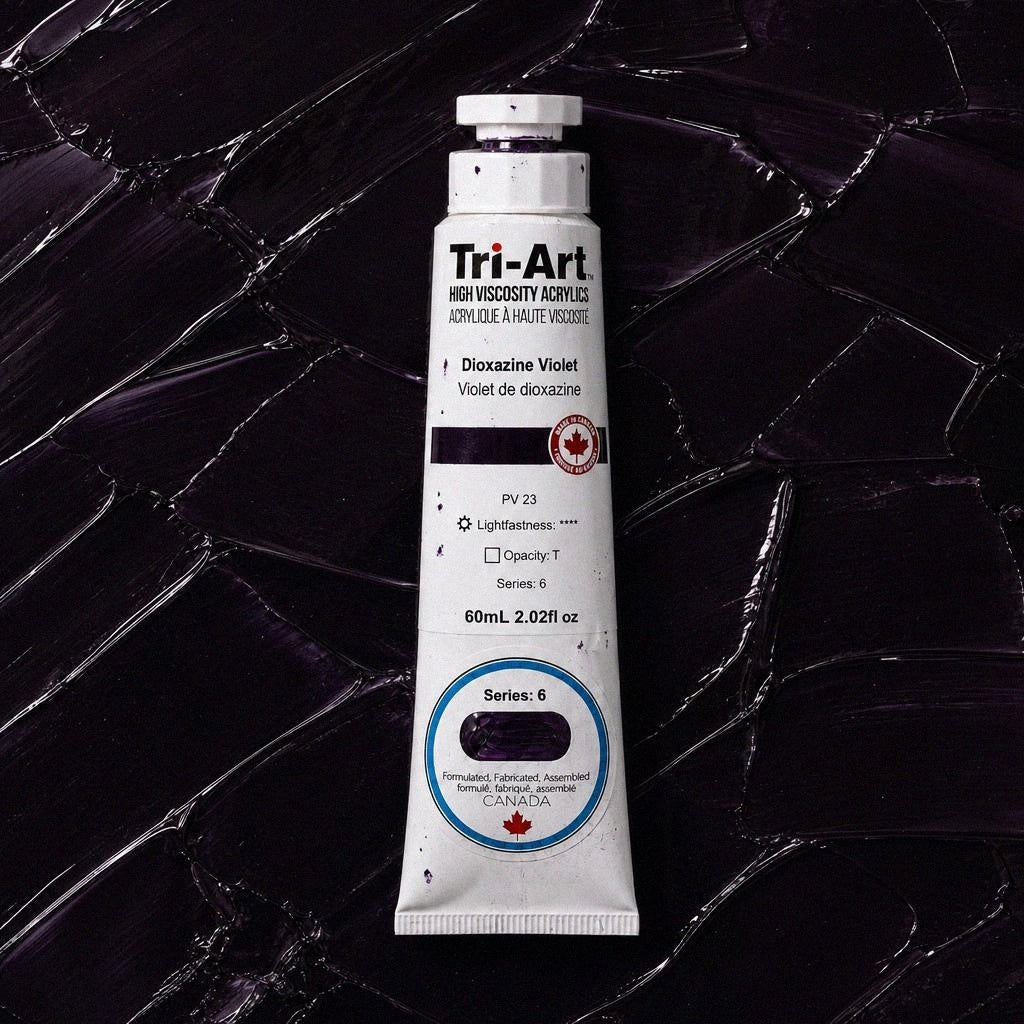
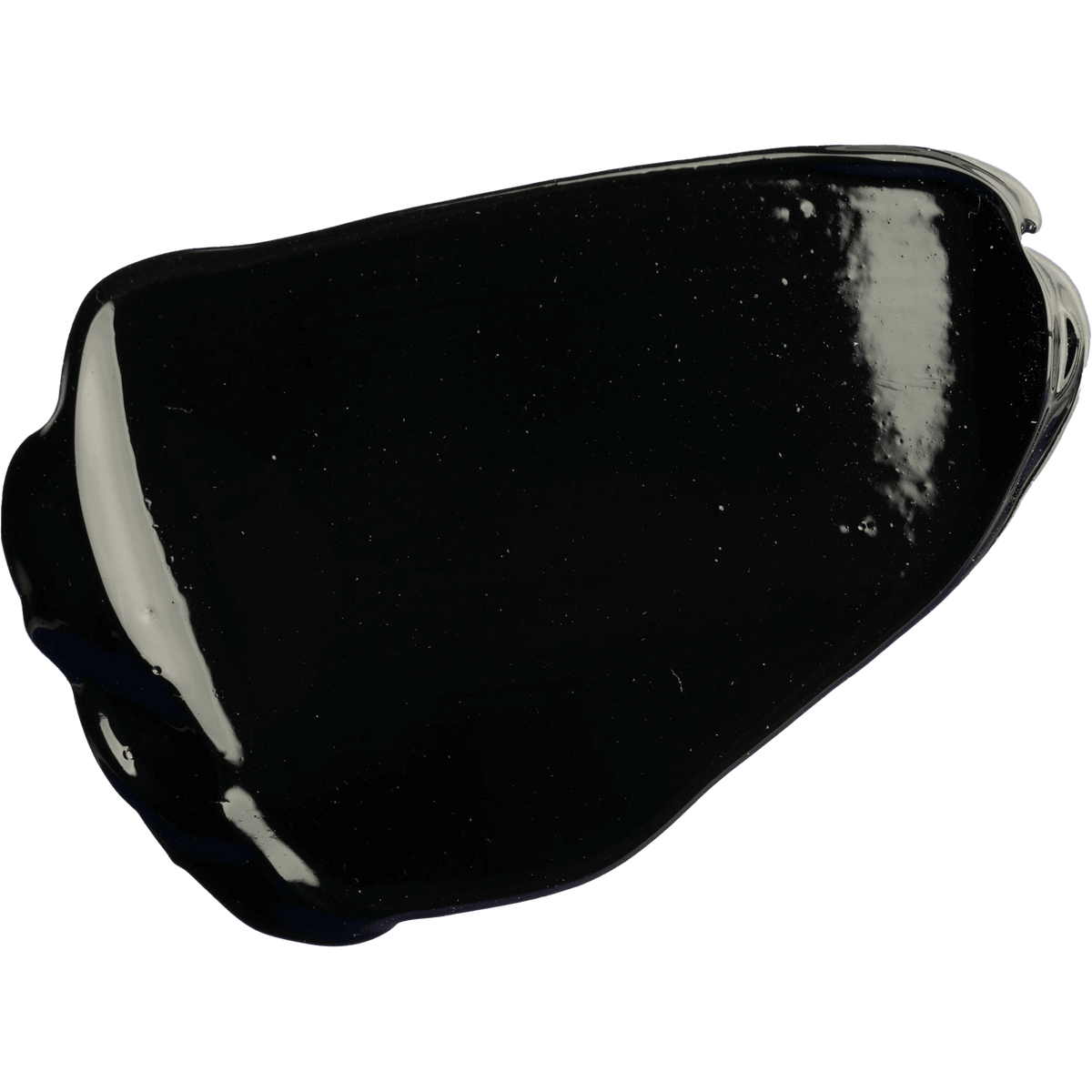
Tri-Art High Viscosity - Dioxazine Violet - Tri-Art Mfg.Tri-Art High Viscosity - Dioxazine Violet (4438655402071)
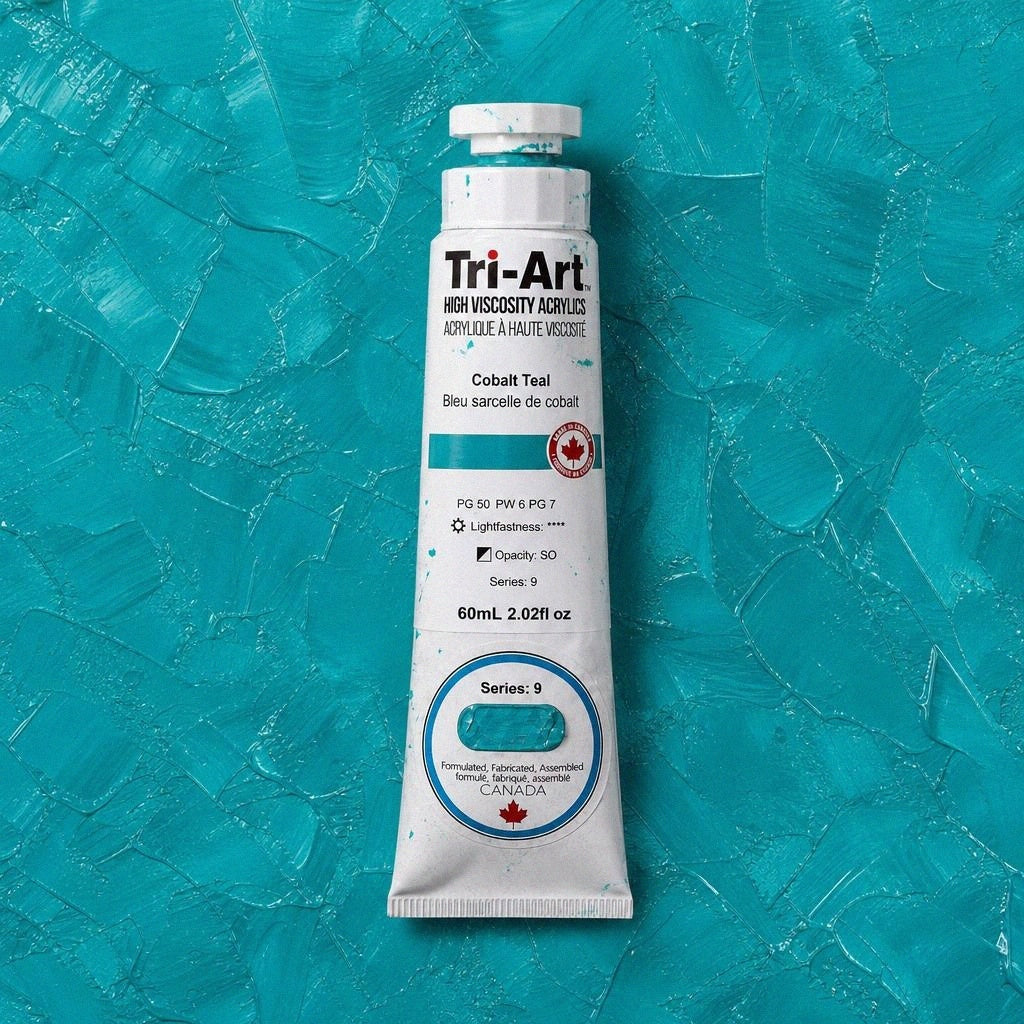
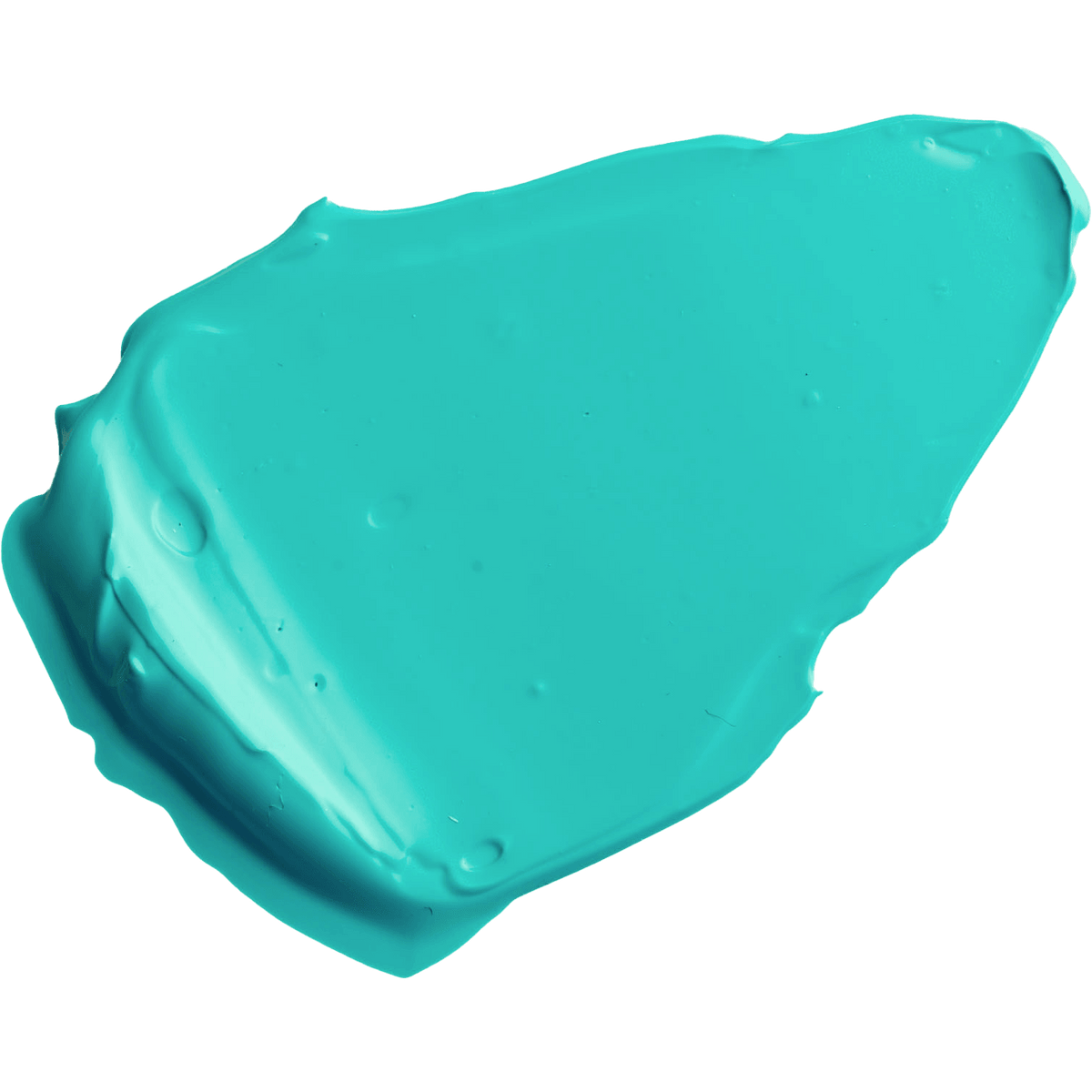
Tri-Art High Viscosity - Cobalt Teal - Tri-Art Mfg.Tri-Art High Viscosity - Cobalt Teal (4438655762519)
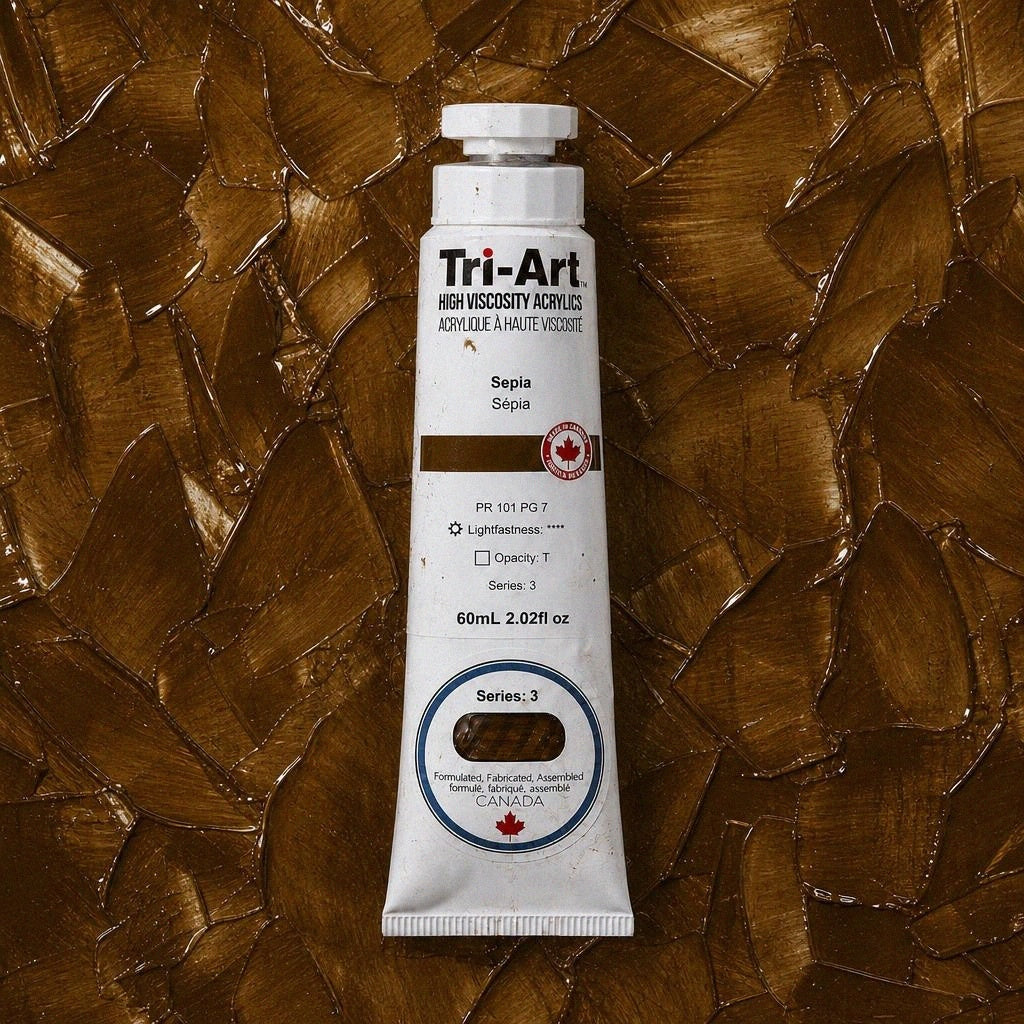
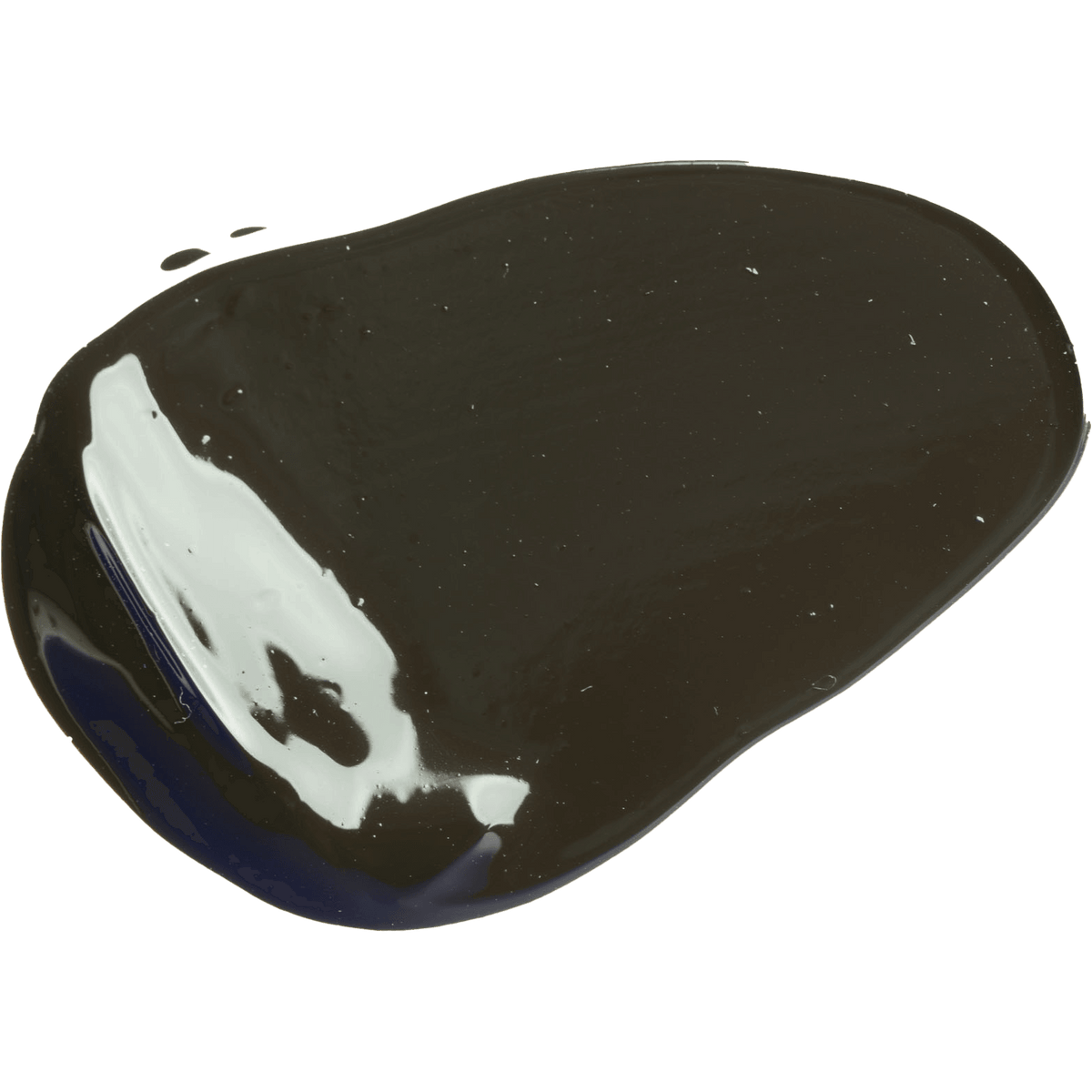
Tri-Art High Viscosity - Sepia - Tri-Art Mfg.Tri-Art High Viscosity - Sepia (4438656385111)
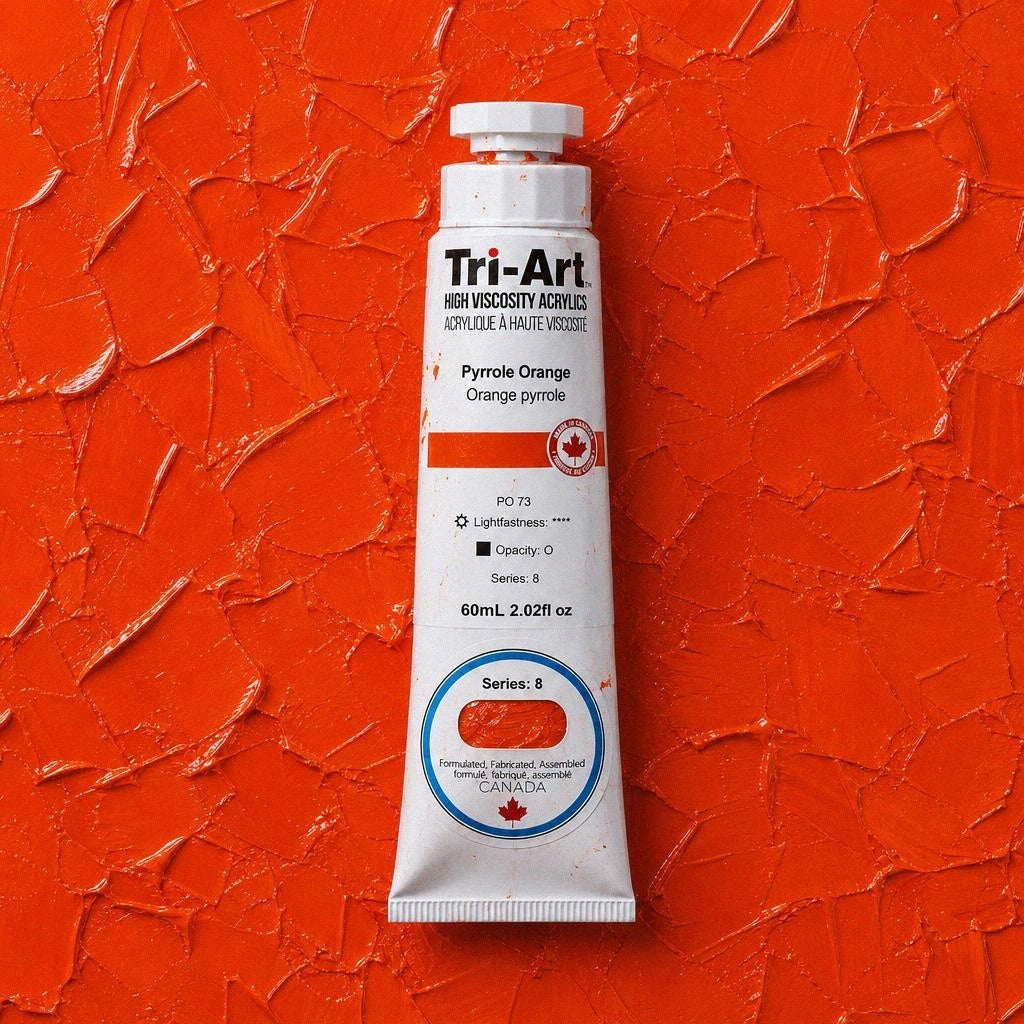
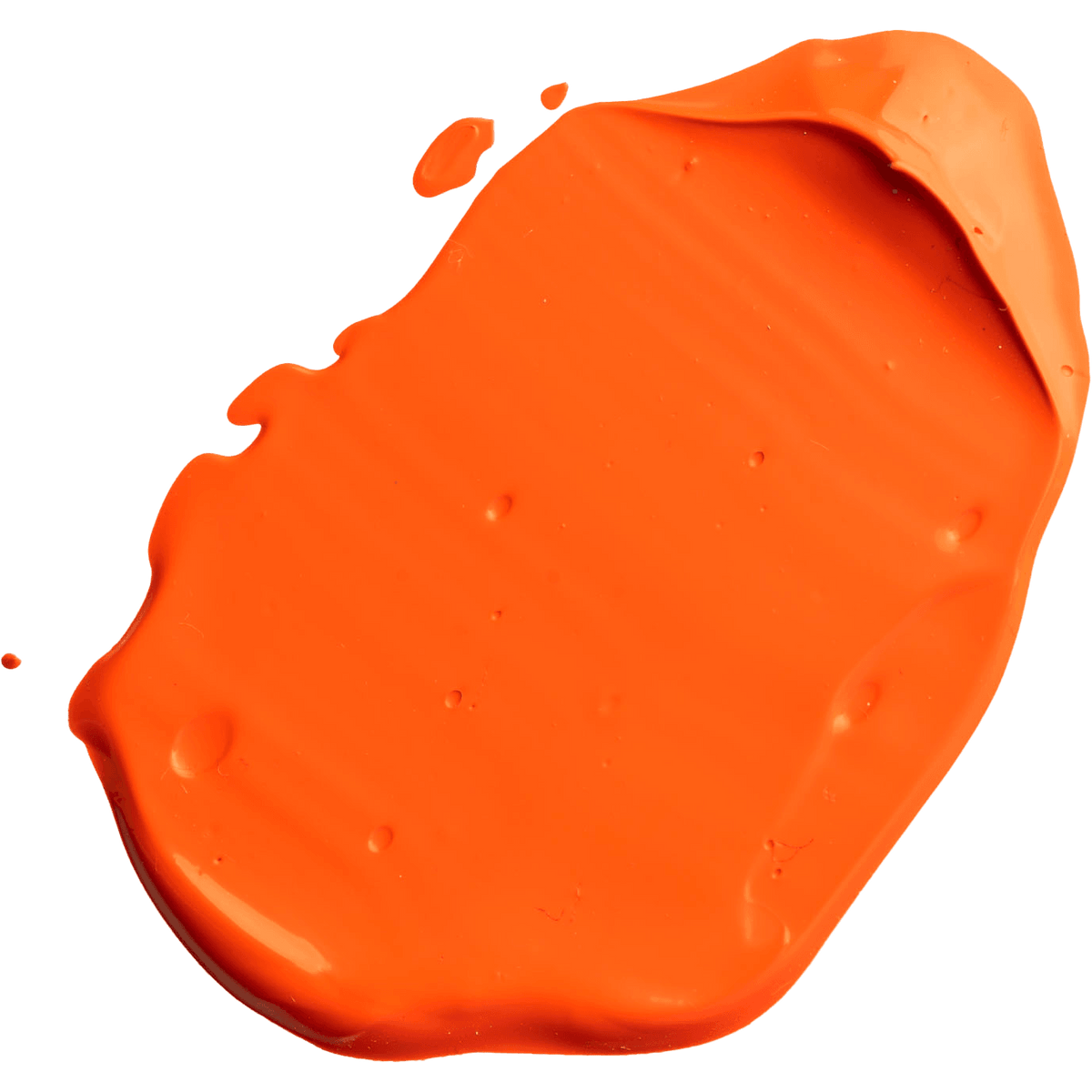
Tri-Art High Viscosity - Pyrrole Orange - Tri-Art Mfg.Tri-Art High Viscosity - Pyrrole Orange (4438655500375)
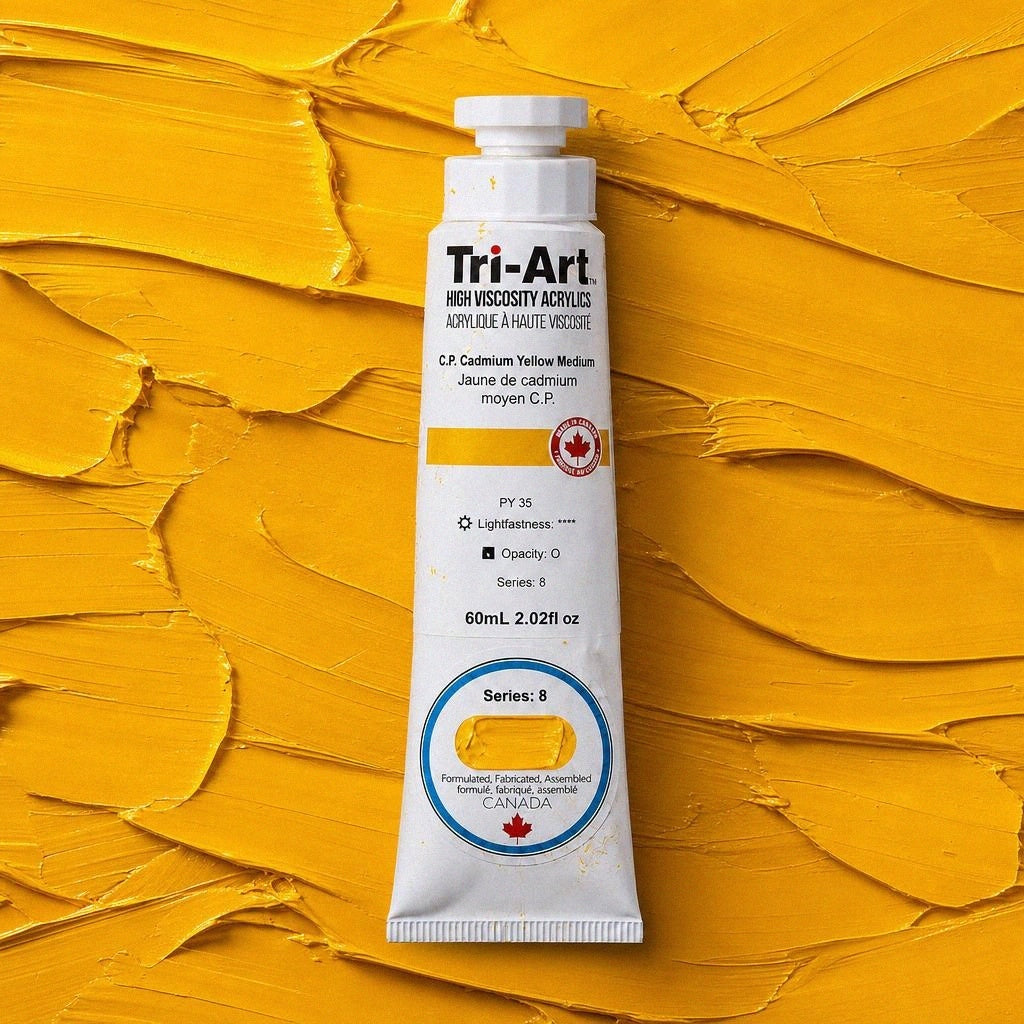
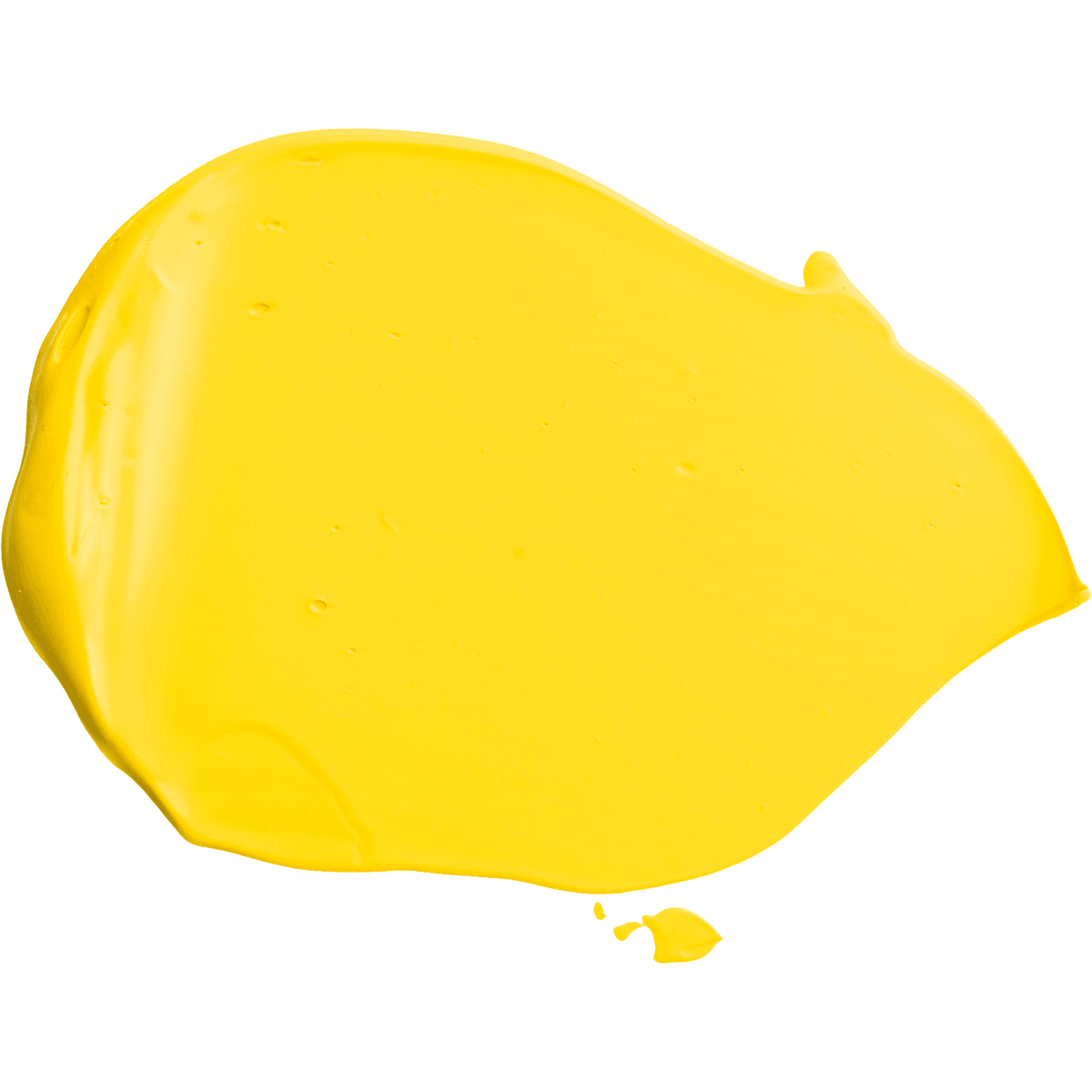
Tri-Art High Viscosity - C.P. Cadmium Yellow Medium - Tri-Art Mfg.Tri-Art High Viscosity - C.P. Cadmium Yellow Medium (4438655533143)
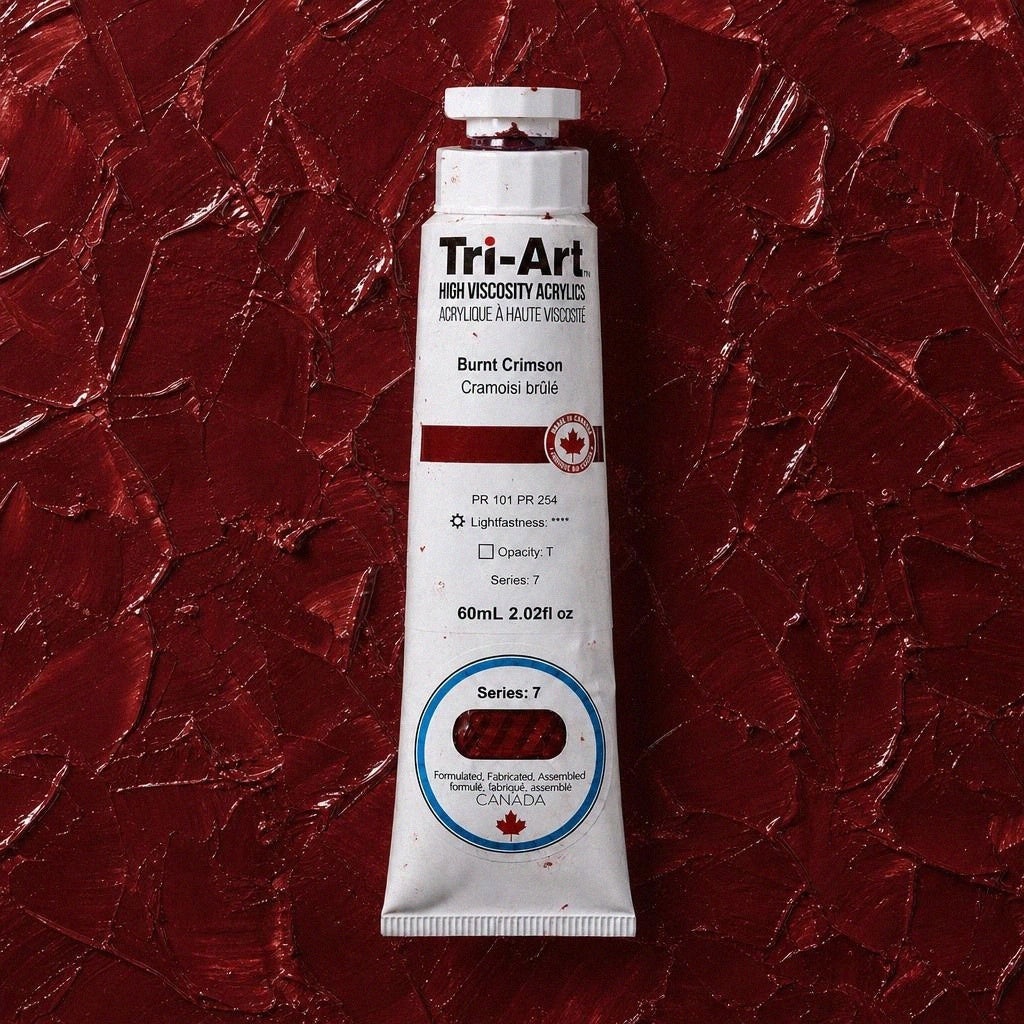
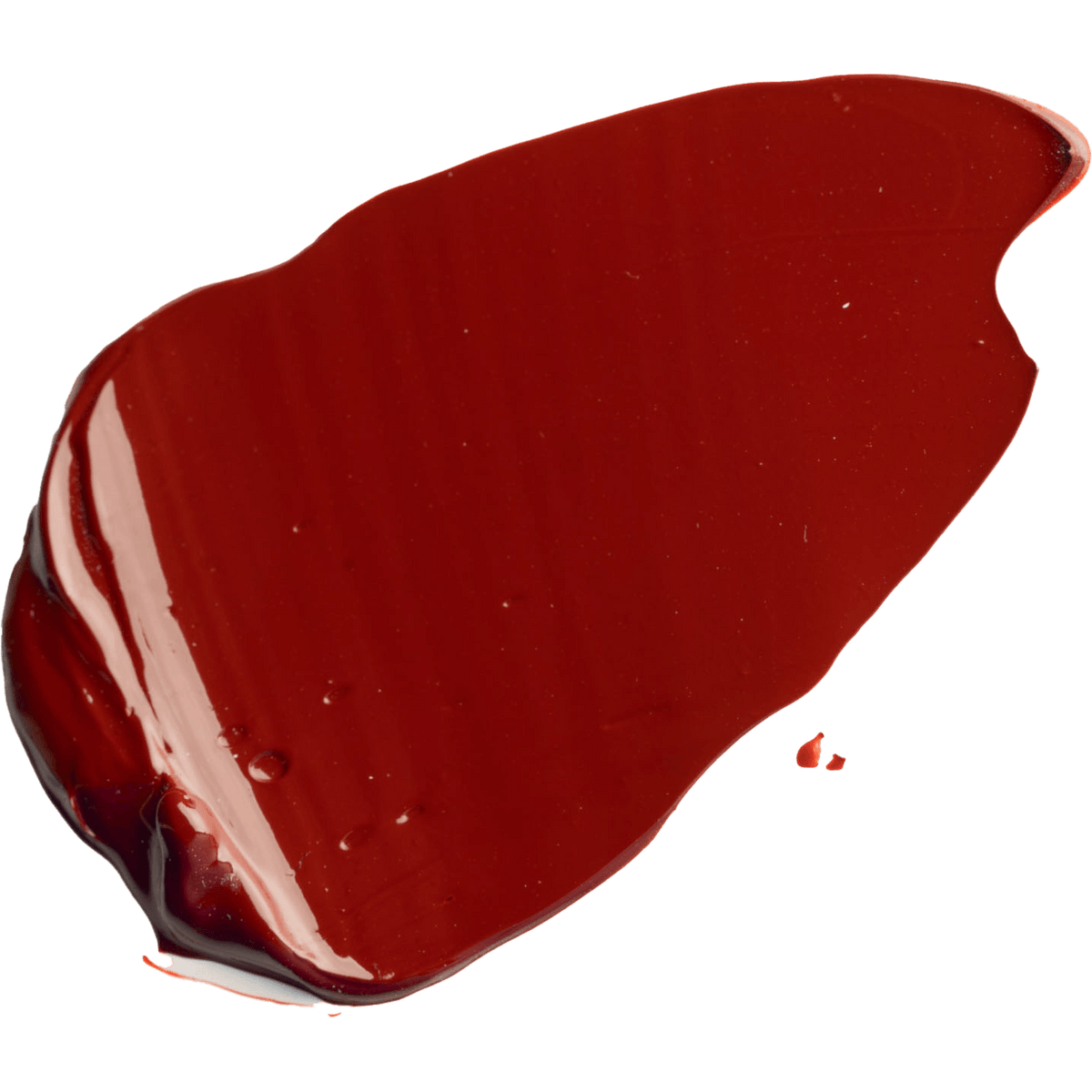
Tri-Art High Viscosity - Burnt Crimson - Tri-Art Mfg.Tri-Art High Viscosity - Burnt Crimson (4438656417879)
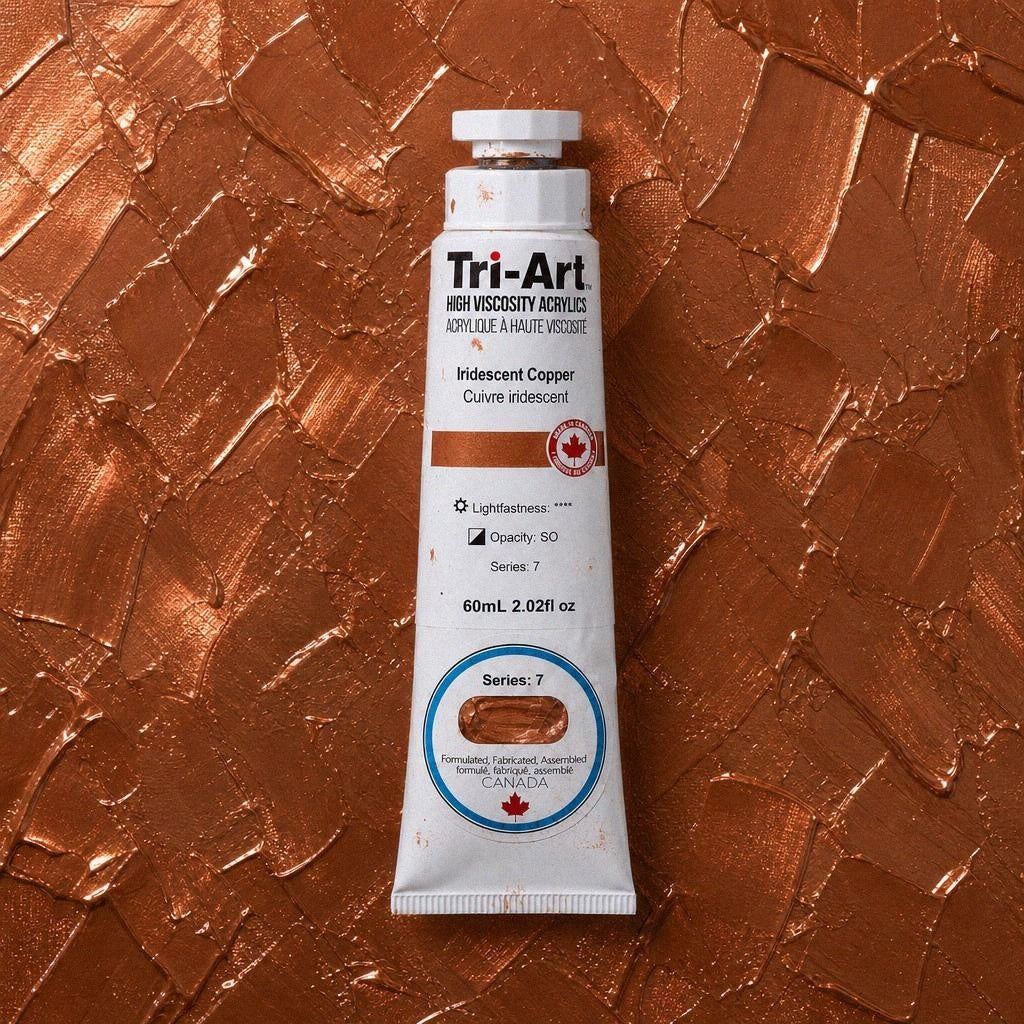
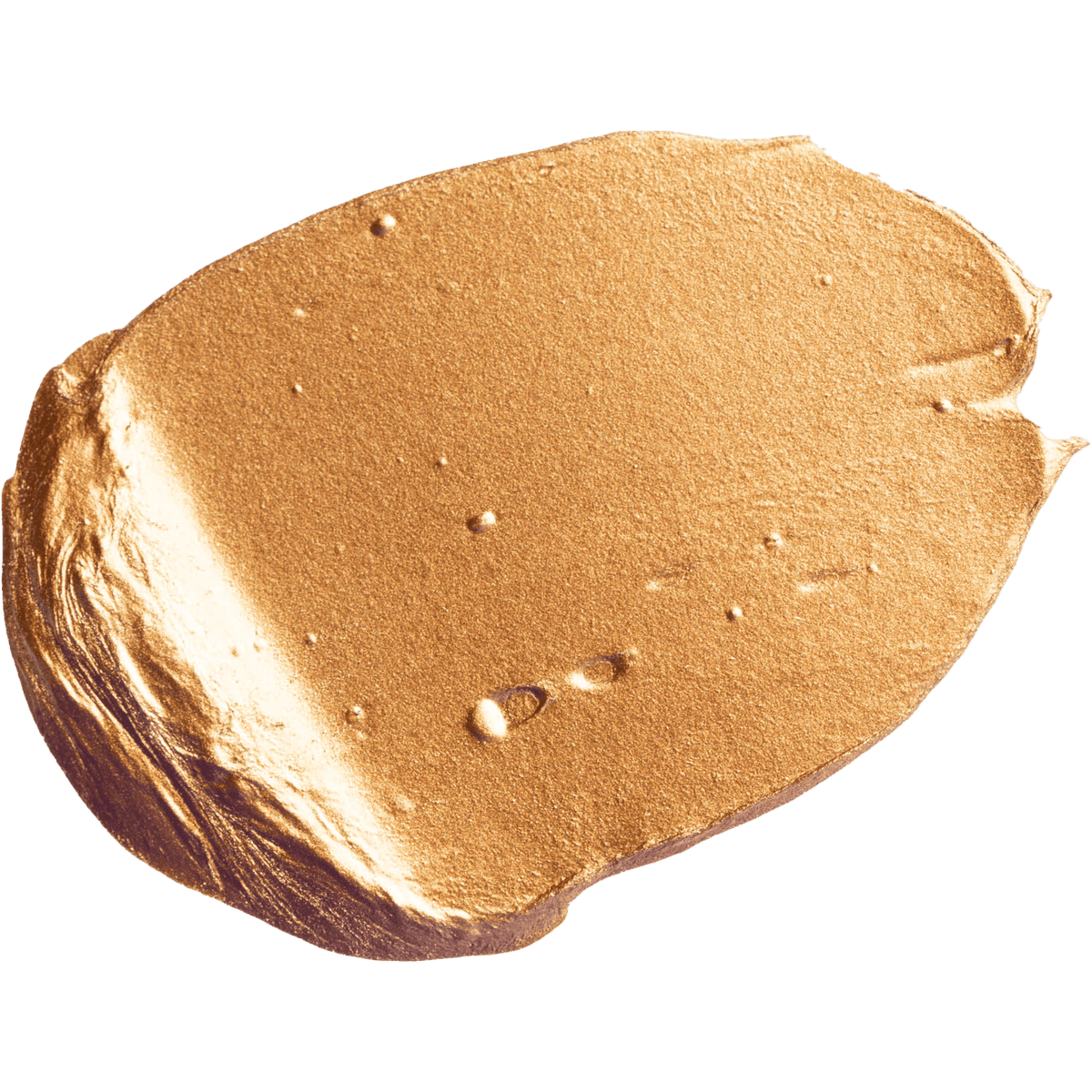
Tri-Art High Viscosity - Iridescent Copper - Tri-Art Mfg.Tri-Art High Viscosity - Iridescent Copper (4438656516183)
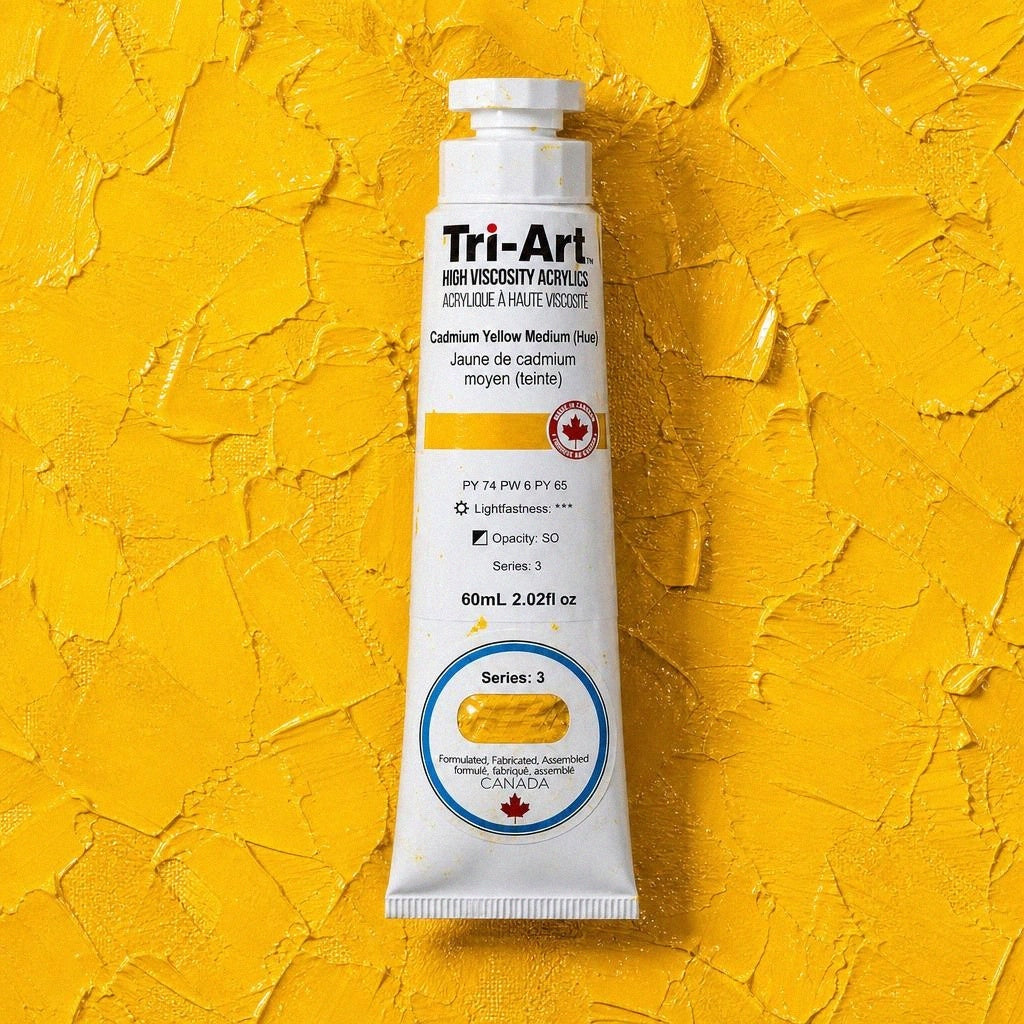
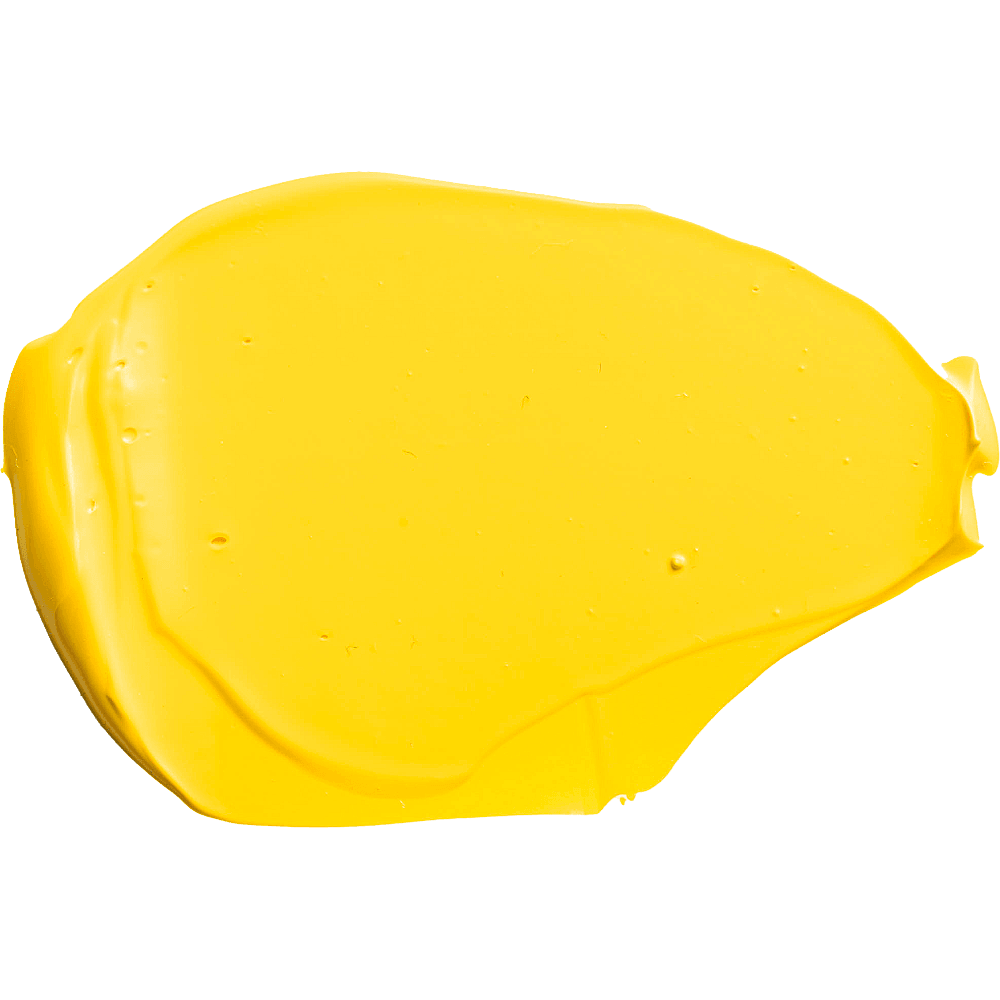
Tri-Art High Viscosity - Cadmium Yellow Medium (Hue) - Tri-Art Mfg.Tri-Art High Viscosity - Cadmium Yellow Medium (Hue) (4438656221271)
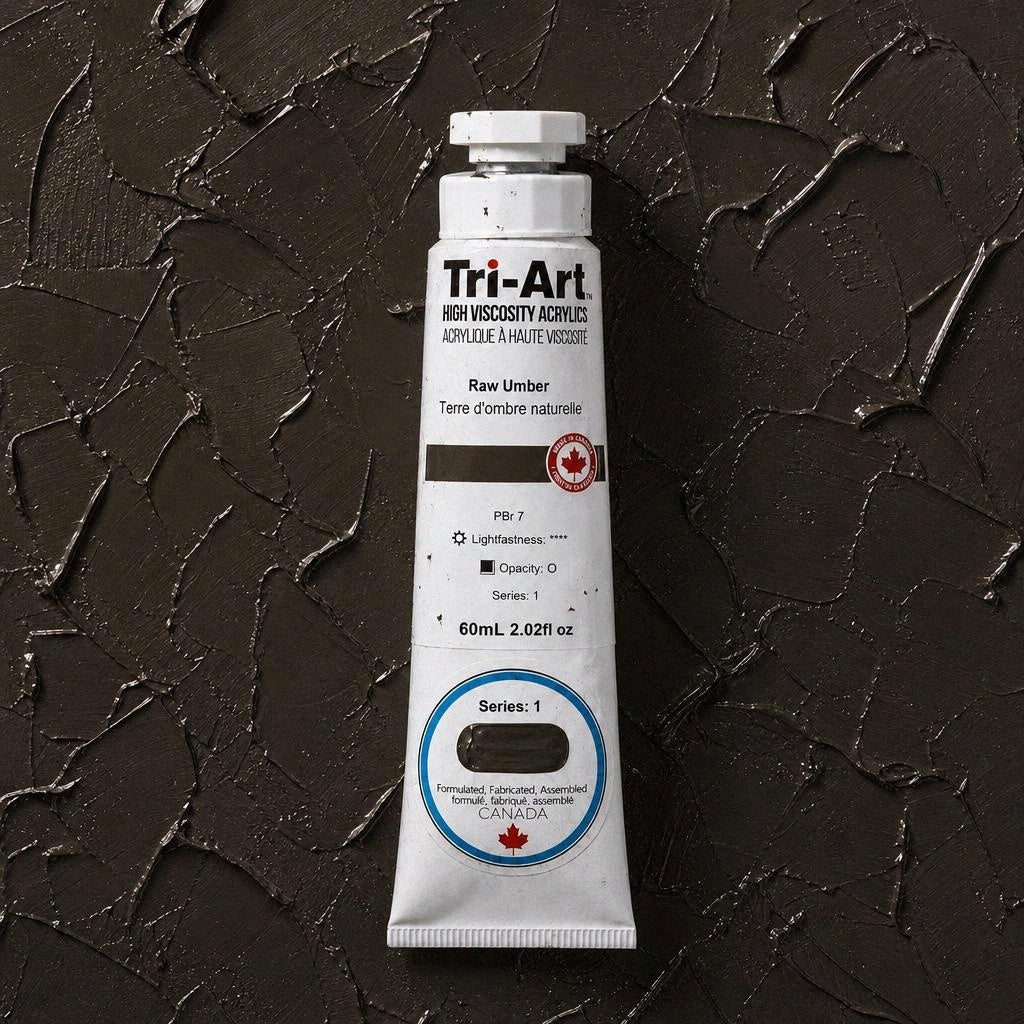
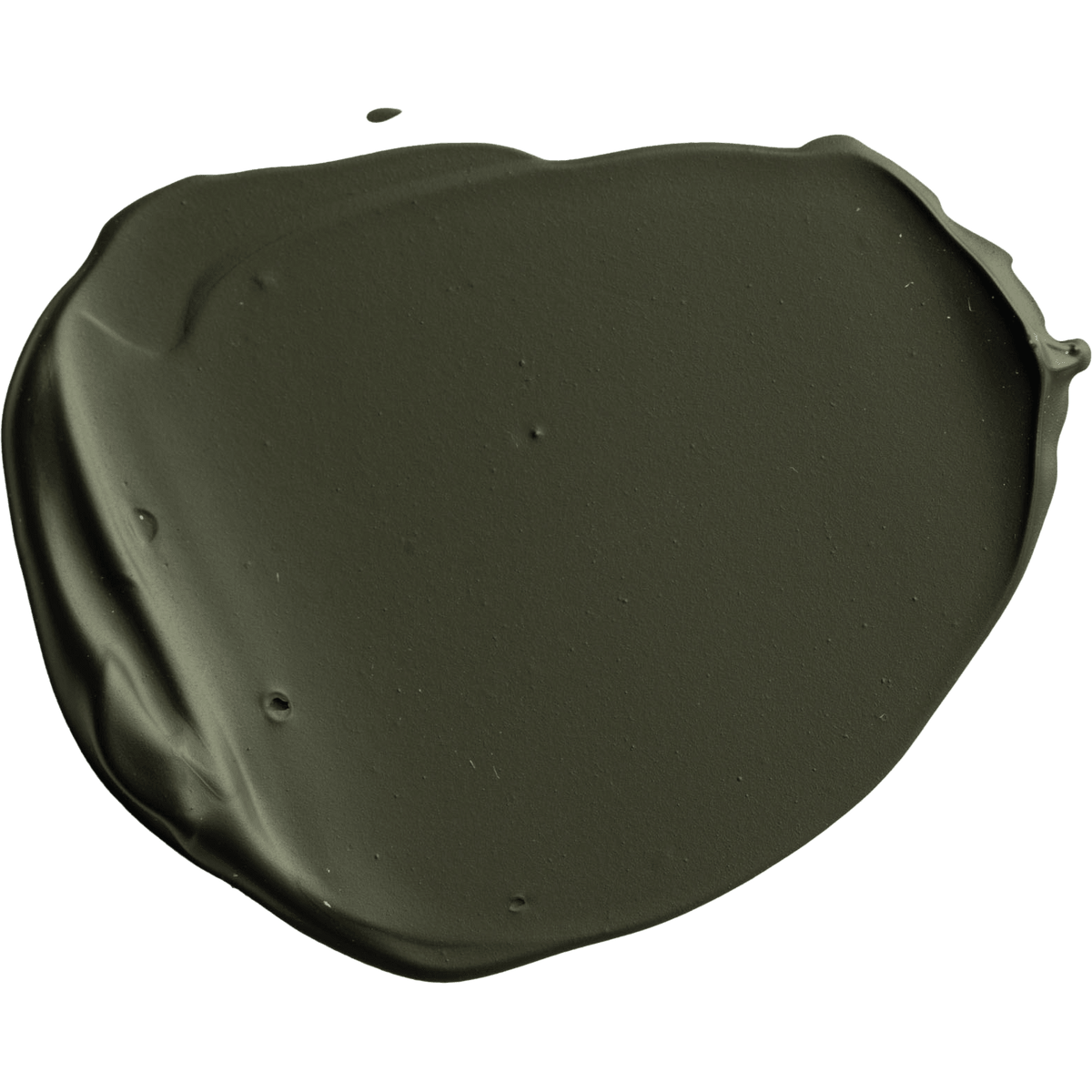
Tri-Art High Viscosity - Raw Umber - Tri-Art Mfg.Tri-Art High Viscosity - Raw Umber (4438656352343)
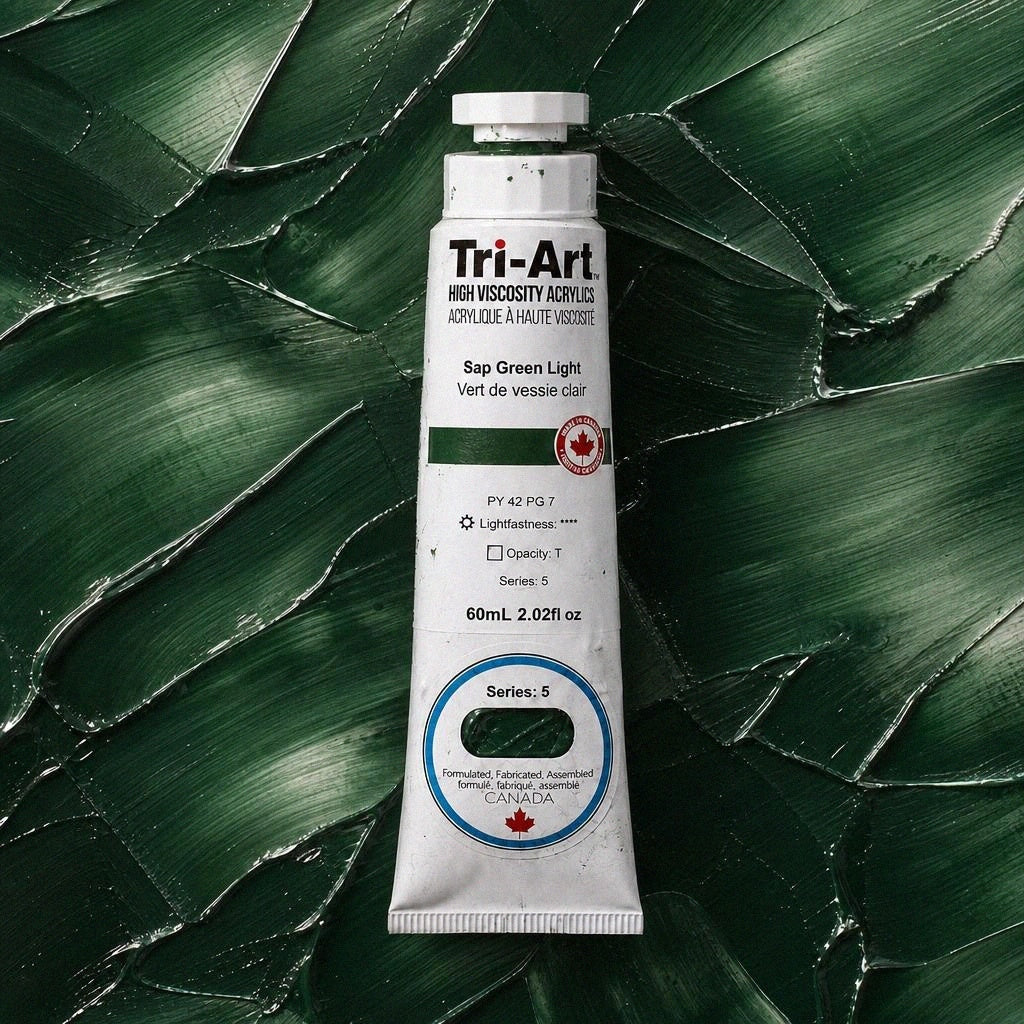
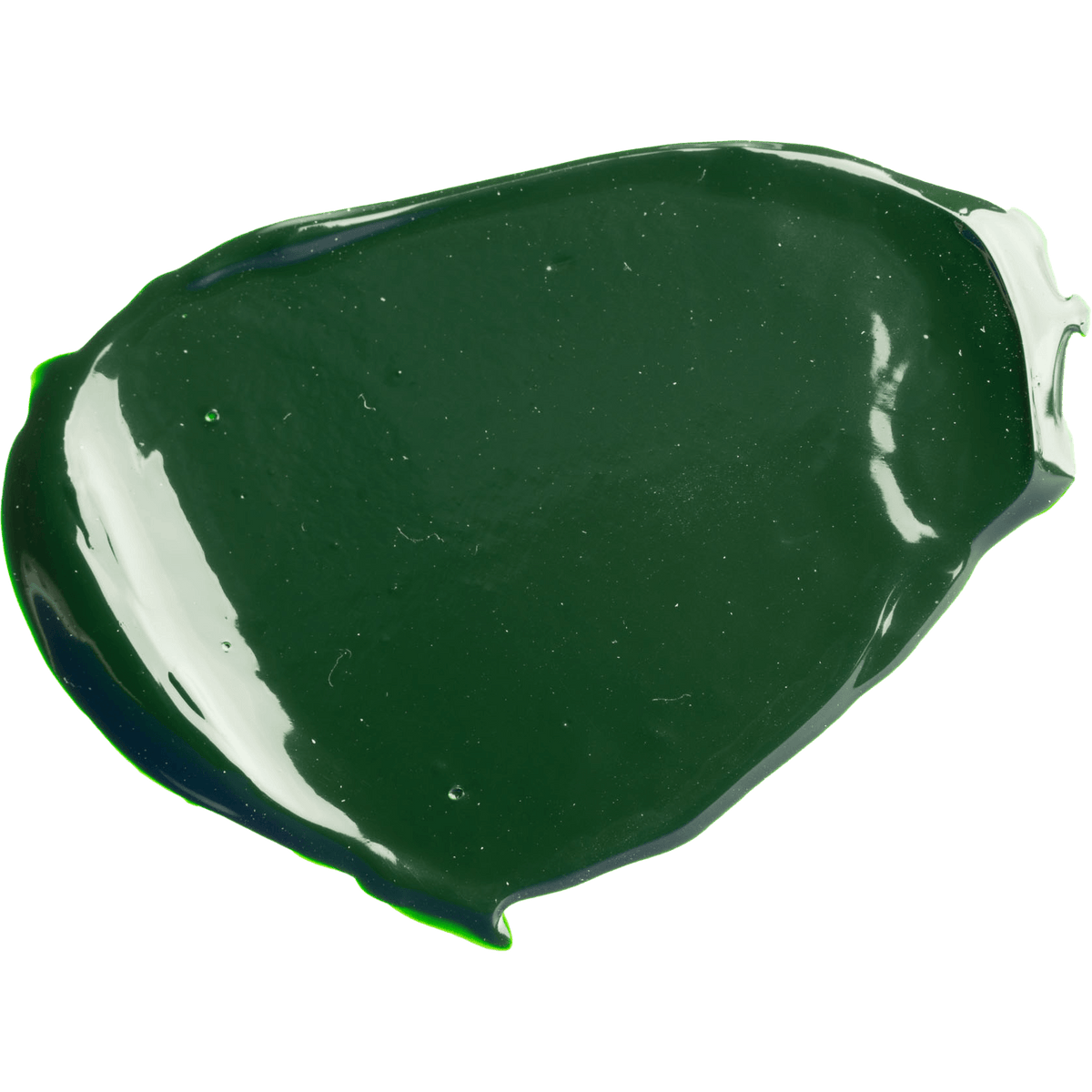
Tri-Art High Viscosity - Sap Green Light - Tri-Art Mfg.Tri-Art High Viscosity - Sap Green Light (4438655467607)
Tri-Art High Viscosity - Naples Yellow (Hue) - Tri-Art Mfg.Tri-Art High Viscosity - Naples Yellow (Hue) (4438655729751)
Tri-Art High Viscosity - Red Oxide - Tri-Art Mfg.Tri-Art High Viscosity - Red Oxide - Tri-Art Mfg.
Tri-Art High Viscosity - Iridescent Silver - Tri-Art Mfg.Tri-Art High Viscosity - Iridescent Silver (4438655828055)
Tri-Art High Viscosity - Viridian (Hue) - Tri-Art Mfg.Tri-Art High Viscosity - Viridian (Hue) (4438656122967)
Tri-Art High Viscosity - Golden Green - Tri-Art Mfg.Tri-Art High Viscosity - Golden Green (4438656286807)
Tri-Art High Viscosity - Permanent Crimson - Tri-Art Mfg.Tri-Art High Viscosity - Permanent Crimson - Tri-Art Mfg.
Tri-Art High Viscosity - Bismuth Yellow Medium - Tri-Art Mfg.Tri-Art High Viscosity - Bismuth Yellow Medium - Tri-Art Mfg.
Tri-Art High Viscosity - Van Dyke Brown - Tri-Art Mfg.Tri-Art High Viscosity - Van Dyke Brown (4438655696983)

Frequently asked questions

Quick answers to common questions on High Viscosity Professional Acrylic Paint | Tri-Art. If you still need help, contact us and we’ll point you to the right option.

What makes Tri-Art High Viscosity different from other heavy body acrylics?

Tri-Art High Viscosity is built for painters who want a true heavy-body feel, strong chroma, and pronounced stroke retention, and Tri-Art attributes that to very high pigment loading and a finely refined pigment grind; if you like paint that “pulls” like oil and keeps its marks, start by exploring the colours in Tri-Art High Viscosity professional acrylic paint and do two quick swatches per colour, one straight from the tube and one brushed out thin, so you can see each pigment’s natural sheen, transparency, and staining strength before it’s mixed with white or mediums.

What painting techniques is High Viscosity best for?

High Viscosity excels at impasto, palette-knife work, loaded-brush strokes, and scumbled passages where you want texture to read clearly; use it straight for bold marks, or “butter” it onto the surface with a knife, then stop touching it once the peaks look right so you do not flatten the texture as it starts to set (acrylic skins quickly). If you want a full colour range designed for this kind of handling, start in Tri-Art High Viscosity heavy body acrylics, then add mediums only when you need a specific change in feel, like more slip, more transparency, or improved adhesion for collage layers.

How do I thin High Viscosity for smoother brushwork without weakening it?

For small viscosity tweaks, thin gradually and test on a scrap first: add a little water at a time for short passages, but for sustained “fluid” handling (long blends, longer strokes, or glazing-style application) shift to an acrylic medium so you keep a strong acrylic binder in the mix. A reliable Tri-Art approach is to mix High Viscosity on the palette with a polymer medium to increase flow, then adjust with tiny additions until your brush feels right; for the paint itself, choose your colour from Tri-Art High Viscosity professional acrylics and pair it with Polymer Medium Gloss when you want smoother application without turning the paint “watery.”

Should I extend High Viscosity with mediums, and which type is best for impasto?

When you want bigger volume, more open shaping time, or a specific surface quality, extend with an acrylic medium rather than relying on water, especially because Tri-Art notes this line’s high pigment concentration and recommends using mediums for extension; for impasto, a gel medium is the most direct match because it keeps the heavy-body feel while stretching colour. Mix on the palette until the paint feels buttery and holds peaks, then apply with a knife in deliberate passes; if you are shopping the options, start in Tri-Art acrylic mediums and use a gel medium when you want more build, more adhesion, and the same “ledge-like” texture control you expect from heavy body paint.

Why do some colours look glossier, more transparent, or more staining than others?

This is normal and pigment-driven: Tri-Art explicitly notes that glossy pigments tend to be glossier, transparent pigments read more naturally transparent, and the line can feel richer and more staining because of how far the pigments are refined and dispersed. Practical studio move: make a quick “behaviour strip” for any new colour, paint one thick stripe, one thin scrubbed stripe, and one 50:50 tint with white, then label it, because that single test predicts how the colour will glaze, cover, and grab into subsequent layers; once you dial in your favourites, it is easy to stay consistent across the range in Tri-Art High Viscosity professional acrylic paint.

Can I glaze with High Viscosity, and what’s the cleanest method?

Yes, but do it on purpose: High Viscosity can glaze when you convert it into a transparent, brushable mixture using a glazing-friendly medium, rather than trying to push it there with lots of water. For a clean glaze, pre-mix a small amount of colour into clear medium until you have a transparent “ink-like” pool, then brush a thin, even film and leave it alone until dry; repeated thin layers build depth without milkiness. If you want a dedicated, ultra-smooth glazing route inside the Tri-Art ecosystem, explore Tri-Art acrylic mediums, or jump to a more fluid colour system and come back to High Viscosity paint for the final opaque accents and textured highlights.

How long does High Viscosity take to dry, and how should I layer it?

Drying time depends on film thickness, humidity, temperature, and how absorbent your ground is, so treat thick passages as a slower process even if the surface feels dry quickly. General acrylic guidance that applies well here: avoid stacking a very thick stroke on top of an underlayer that is still soft, and avoid “over-brushing” once the surface starts to tack up, because that can create drag marks and weak, dull areas. For best results, block in leaner layers first, then reserve the thickest knife work for later; Tri-Art also notes this line’s high solids content reduces shrinkage, which helps it keep brush impressions as it dries.

What surfaces work best, and how do I prime for High Viscosity?

High Viscosity performs best on a properly prepared, stable ground because thick paint highlights every surface issue; start with a clean substrate, then use a quality acrylic gesso layer to improve adhesion and control absorbency, letting it dry fully before painting. If you want a smoother feel, sand between gesso coats; if you want tooth for grip, leave the ground slightly textured. Tri-Art has detailed guidance on choosing primers in their education content, and you can pair that with the paint selection in Tri-Art High Viscosity professional acrylic paint, especially if your goal is durable impasto passages that stay crisp and well-bonded over time.

Discover a new product line.

Pick your paint body, then round out your toolkit with a simple palette and the right mediums.

  1. Choose body: thick for texture, fluid for pours and glazing, medium for everyday painting.
  2. Start small: pick a limited palette and add colours as you discover what you reach for.
  3. Match your surface: use a suitable ground, then tune sheen and flow with mediums.

Common questions

Why should I choose Tri-Art Liquids?

Choose it when you want one “do-most-things” acrylic for painting, glazing, and smooth application, with the option to adjust directionally (thinner with water, thicker with gel).

What is unique about Tri-Art Acrylic Mediums?

Tri-Art explicitly frames key mediums as “paint without the pigment,” mapping polymer medium to liquid acrylic behaviour and gel medium to high-viscosity behaviour, plus categories like grounds, texture gels, varnishes, and additives.

Tri-Art Low Viscosity is a Professional paint, will it work for me?

Yes if your work relies on flow, layering thin films, crisp lines, staining and wash effects, or reducing texture without losing professional-grade colour behaviour.

Free shipping

Free Canadian shipping and returns - customs and duties taxes included